African violets have a funny little talent: they can look completely innocent on a windowsill while secretly deciding whether they feel like blooming. One week they are a tidy rosette of fuzzy leaves. The next week, if conditions are just right, they reward you with bright flowers that make the whole room look smarter. If conditions are not right, they sit there like tiny velvet philosophers and refuse to explain themselves.
The good news is that getting African violets to bloom is not magic. It is mostly a matter of giving them the right balance of light, moisture, temperature, food, humidity, and pot size. These plants are wonderfully predictable once you understand what they like. They want bright but gentle light, steady moisture but not soggy roots, a cozy pot, and a routine that does not swing from “tropical spa day” to “desert survival challenge.”
In this guide, you will learn 9 simple steps to help African violets bloom more often, bloom longer, and stay healthier overall. You will also find practical examples, common mistakes to avoid, and a longer section at the end on real-life growing experiences that can help you troubleshoot when your plant seems stubborn. If your goal is to encourage African violet blooms without turning your home into a research lab, you are in exactly the right place.
Why African Violets Stop Blooming in the First Place
Before jumping into the steps, it helps to know why an African violet may refuse to flower. In most cases, the problem is not dramatic. It is usually one of the basics: not enough light, too much direct sun, a pot that is too large, inconsistent watering, low humidity, too little fertilizer, salt buildup in tired soil, or temperature swings from drafty windows and vents. In other words, your plant is not being mean. It is simply filing a silent complaint.
The fastest route to more flowers is to correct the environment first. When the basics are right, African violets can rebloom repeatedly and often keep flowering for long stretches of the year. Think of blooming as the plant’s way of saying, “Yes, this arrangement will do nicely.”
Step 1: Give Your African Violet Bright, Indirect Light
If there is one factor that most often decides whether African violets bloom, it is light. These plants need plenty of brightness, but they do not want harsh direct sun beating down on their leaves. Too little light means lots of leaves and very few flowers. Too much direct sun can scorch foliage and stress the plant.
What good light looks like
A bright east-facing window is often ideal. A north window can work in some homes if it is bright enough, while a west or south exposure may need a sheer curtain to soften intense afternoon rays. If your plant’s leaves look stretched, thin, or unusually dark and leggy, it may be asking for more light. If the leaves look bleached or scorched, it may be getting too much direct sun.
Grow lights are also a great option. If you use them, keep the fixture fairly close and provide a regular schedule. African violets are fans of consistency. They do not need a nightclub spotlight. They need dependable brightness that tells them it is safe to make flowers.
Step 2: Aim for 12 to 16 Hours of Light Each Day
It is not just the intensity of light that matters. Duration matters too. Many indoor growers struggle because their plant gets decent light for only a few hours a day. African violets tend to bloom better when they receive a long, steady period of light and a clear dark period for rest.
How to make this easy
If natural light is limited, place the violet under a grow light for about 12 to 16 hours daily, then give it darkness at night. A timer is your best friend here. It removes guesswork and keeps the routine stable even when your own schedule is chaos wrapped in coffee.
Example: if your office corner is too dim, set a grow light to run from 7 a.m. to 9 p.m. That one small automation can make a noticeable difference in budding and reblooming over the next several weeks.
Step 3: Keep the Pot Small and Slightly Root-Bound
Here is one of the most important and most ignored rules in African violet care: do not rush to move your plant into a giant pot. African violets bloom best when they are a little snug. A pot that is too large encourages the plant to spend energy filling space with roots instead of producing flowers.
The simple pot-size rule
A good rule of thumb is to choose a pot about one-third the width of the plant’s leaf span. That means a violet with a 9-inch spread may be happiest in a 3-inch pot, and a plant with a 12-inch spread can often do well in a 4-inch pot. Oversized containers are one of the classic reasons a violet grows leaves beautifully but seems to forget the whole blooming part.
Plastic pots are often easier for beginners because they hold moisture more evenly than porous clay. If your African violet was recently moved into a much bigger pot and has stopped flowering, that may be the issue right there. Sometimes the smartest thing to do is actually size down.
Step 4: Water Evenly, but Never Let the Soil Stay Soggy
African violets like evenly moist soil, not bone dry and not swampy. If the plant repeatedly dries out, buds may shrivel before opening. If the mix stays too wet, roots can struggle, and flowering slows down. This is the plant equivalent of wanting a nice drink but not wanting to live in a bathtub.
Best watering habits
Water when the soil surface feels slightly dry, not when it is crispy and pulling away from the pot. Bottom watering is a popular method because it helps keep water off the leaves. Set the pot in a shallow dish of water for a short period, let the mix absorb what it needs, then remove the pot and discard leftover water. Do not let the container sit in water indefinitely.
If you water from above, pour carefully at the soil line and avoid wetting the crown and leaves. Room-temperature water is safest. Very cold water can shock the plant and may mark the foliage. Inconsistent watering is one of the biggest bloom killers because it interrupts the steady growth cycle required for bud development.
Step 5: Use a Light, Airy Potting Mix and Refresh It Regularly
Heavy potting soil is not an African violet’s idea of a good time. These plants prefer a loose, well-draining mix that allows air around the roots. A dense mix stays wet too long, compacts easily, and makes it harder for roots to function well. And if the roots are unhappy, the flowers will file for cancellation.
What kind of mix works well
A potting mix labeled for African violets is usually the easiest choice. These mixes are typically lighter than general houseplant soil and are designed to drain well while still holding enough moisture. Even with a good mix, the medium breaks down over time. Salts from fertilizer and minerals from water can also accumulate.
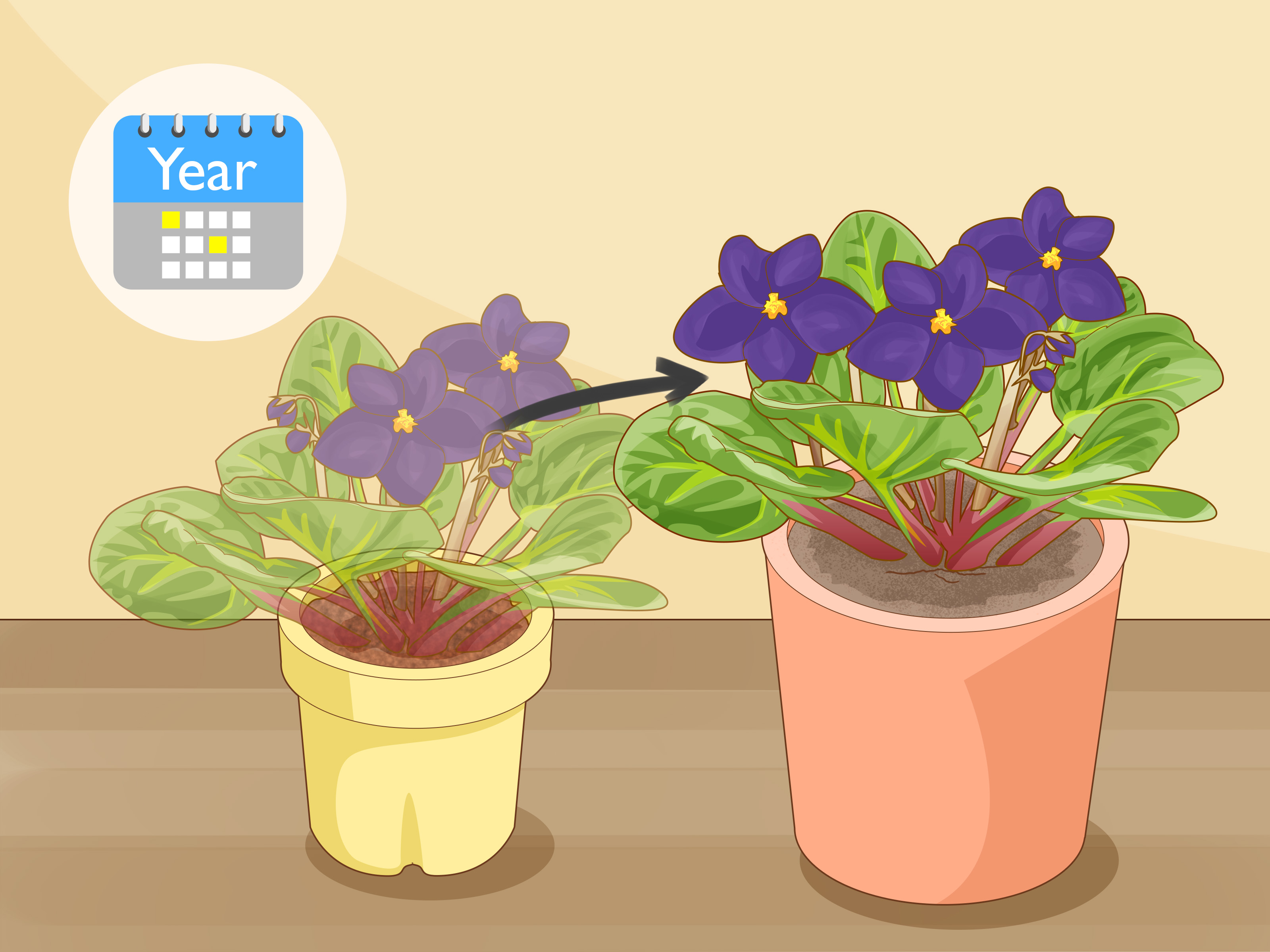
That is why repotting once a year is such a useful habit. You are not repotting because the plant wants a mansion. You are repotting because fresh mix improves root health, refreshes nutrients, and removes old buildup that can interfere with blooming. If your violet has a long bare neck, tired soil, or declining bloom performance, a refresh can work wonders.
Step 6: Feed Regularly, but Lightly
Blooming takes energy. If your African violet has been living on old soil and vague good intentions, it may need fertilizer. But there is a catch: too much fertilizer can be just as unhelpful as too little. Overfeeding may lead to salt buildup, weak growth, or foliage at the expense of flowers.
The sweet spot for feeding
Use a balanced water-soluble fertilizer or one labeled for African violets, diluted according to product directions. Many growers prefer a “weakly, weekly” approach, meaning a low-dose feeding more often rather than a heavy dose once in a while. Others fertilize monthly during active growth. Either approach can work if you stay consistent and avoid overdoing it.
Example: if the label suggests a monthly dose, some growers cut that strength and apply a more diluted solution weekly. The goal is steady support, not a dramatic buffet. If you notice white crust on the pot or soil surface, flush the mix occasionally and consider easing up on fertilizer strength.
Step 7: Keep Temperatures Warm and Stable
African violets are not fans of extremes. They generally bloom best in normal indoor temperatures that feel comfortable to people too. When the plant is exposed to cold drafts, hot blasts from vents, or sharp swings between day and night, flowering often slows down.
What to avoid
Do not press the plant against icy winter glass. Do not park it under an air-conditioning vent. Do not let it roast in hot direct sun in summer. Stable temperatures support steady growth, and steady growth supports buds. If your plant is near a window, make sure that spot stays reasonably warm at night.
African violets usually do well in a cozy room with gentle airflow and without abrupt weather drama. They are basically asking for an indoor climate with fewer surprises than a reality show finale.
Step 8: Raise Humidity the Smart Way
Dry indoor air can make blooming harder, especially in winter or in heavily air-conditioned homes. African violets usually appreciate moderate humidity. That does not mean you need to turn your kitchen into a rainforest exhibit, but some extra moisture in the air can improve bud formation and overall plant health.
How to increase humidity safely
Use a pebble tray, group plants together, or run a small humidifier nearby. Keep the pot above the water line if using a tray, rather than letting it sit directly in water. Avoid misting the foliage. Wet leaves can lead to spotting and do not reliably solve the humidity issue anyway.
If your home air is very dry and your violet forms buds that fail to open well, humidity may be part of the story. Small environmental upgrades often make a bigger difference than people expect.
Step 9: Groom the Plant and Remove Spent Blooms
Yes, grooming matters. African violets bloom better when they are kept tidy. Remove faded flowers, yellowing leaves, and damaged outer foliage. This improves appearance, but it also helps the plant redirect energy toward fresh growth and new buds instead of maintaining tissue that is already on its way out.
What grooming actually does
Deadheading spent flowers encourages the plant to keep pushing forward. Removing weak or aging leaves can improve airflow and help maintain a balanced rosette shape. While you are at it, rotate the pot regularly so the plant grows evenly instead of leaning dramatically toward the light like it is trying to overhear your conversations.
Grooming also makes problems easier to spot. You will notice a crowded crown, old soil, or pest issues sooner if you are already checking the plant during regular maintenance.
Common Mistakes That Keep African Violets From Blooming
- Keeping the plant in a dim room and hoping for flowers anyway.
- Using a pot that is too big because it “looks nicer.”
- Watering on an emotional schedule instead of checking the soil.
- Leaving the pot in standing water.
- Using dense, tired potting soil for too long.
- Skipping fertilizer for months, then overcorrecting with too much.
- Ignoring old blooms and damaged leaves.
- Placing the plant near drafts, heaters, or very cold glass.
If your African violet has healthy leaves but no flowers, start with the first three items on that list: light, pot size, and watering. Those are the usual suspects.
How Long Does It Take for African Violets to Rebloom?
Once conditions improve, reblooming is not always instant. Bud formation takes time. If you correct the main problem, such as insufficient light or overpotting, you may begin to see progress within several weeks, but fuller flowering can take longer depending on the plant’s condition and the season. The key is to stay consistent. African violets reward routines more than heroic one-day rescue missions.
Real-World Experiences With Getting African Violets to Bloom
One of the most common experiences people have with African violets is assuming the plant is difficult, when it is actually just specific. A grower buys a beautiful blooming violet from a store, brings it home, enjoys the flowers for a few weeks, and then watches the blooms fade away. Months later, the leaves still look alive, but no new flowers appear. At that point, many people decide the plant is moody. In reality, it is usually reacting to a new environment with weaker light and a less stable routine.
Another very common experience is discovering that a plant sitting only a few feet away from a window may not be getting enough light to bloom well. Indoor light drops quickly with distance. Many growers move their violet from a coffee table to a brighter windowsill or place it under a simple grow light and suddenly see new buds. That moment feels like a gardening miracle, but it is really just the plant finally receiving enough energy to flower again.
Overpotting is another lesson people often learn the hard way. A small violet in a big decorative container may look stylish, but the plant often responds by focusing on root growth and foliage rather than blooms. Growers are frequently surprised when moving the plant back into a smaller pot improves flowering. It feels backward at first. We tend to think “more room equals happier plant,” but African violets often prefer “cozy apartment with excellent lighting.”
Watering habits also show up again and again in real-life stories. Some people water too often because they are being attentive. Others wait too long because they are trying not to overwater. African violets usually perform best when the moisture level stays steady. Growers who switch from random watering to a more regular routine often notice fewer limp episodes, fewer failed buds, and more reliable blooming cycles. Bottom watering is especially popular because it reduces leaf spotting and makes moisture management more predictable.
Humidity is another subtle factor. In dry homes, especially during winter, a violet may look decent but never quite thrive. Some growers add a pebble tray or humidifier and find that buds open better and foliage stays fresher. It is rarely one dramatic change. More often, blooming improves because several small habits start working together: better light, proper pot size, cleaner grooming, and more even moisture.
Experienced growers also talk about the importance of patience. African violets do not usually respond overnight. After repotting into fresh mix or correcting the light setup, the plant may need time to settle, regrow, and prepare buds. The temptation is to keep changing things every week. Ironically, that often slows progress. One of the best experiences a grower can have is learning to make sensible adjustments and then leave the plant alone long enough to respond. African violets are much better at blooming when they are not being micromanaged like tiny floral employees at a stressful startup.
In the end, most successful African violet stories sound similar. The grower stopped guessing, improved the basics, and created a routine. The plant responded with blooms. That is the charm of these little houseplants. They may be picky, but they are not mysterious forever.
Conclusion
If you want African violets to bloom, focus on the fundamentals and keep them steady. Give the plant bright indirect light, enough daily light hours, a small pot, airy soil, even moisture, moderate humidity, gentle feeding, and a stable indoor temperature. Add regular grooming and annual soil refreshes, and you give your violet an excellent reason to flower again and again.
The best part is that none of these nine steps is complicated. They are simple, repeatable habits. Once you dial them in, your African violet becomes much easier to read. The leaves stay tidy, the crown stays balanced, and the flowers return with more confidence. And when they do, your windowsill suddenly looks like it has been quietly winning awards behind your back.