There are few beauty betrayals more dramatic than hair that looks glossy in the salon mirror and then, two shampoos later, behaves like a haunted broom. Bleach, color, heat styling, hard water, brushing, UV exposure, tight ponytails, and the occasional “I can definitely do this at home” moment can all leave strands weak, frizzy, dull, and oddly crunchy. That is where the best bond-building hair treatments come in.
Bond-building hair care is not just another fancy way to say “deep conditioner.” A conditioner makes hair feel soft and slippery; a true bond repair treatment aims to support the inner structure of the hair fiber, especially bonds that help give hair strength, shape, and elasticity. For UK shoppers in 2025, the category is crowded: Olaplex, K18, Redken, Living Proof, L’Oréal Paris, Aveda, Amika, Bumble and bumble, Philip Kingsley, and newer salon-inspired formulas all promise stronger, shinier, less dramatic hair. Lovely. Also confusing.
This guide breaks down the best bond-building hair treatments for damaged hair, bleached hair, frizzy hair, fine hair, curly hair, and budget-friendly routines. The picks are based on expert testing patterns, professional recommendations, product technology, ease of use, ingredient positioning, UK availability, and the most important test of all: whether your hair feels less like straw and more like hair.
What Are Bond-Building Hair Treatments?
Hair is made mostly of keratin proteins, and those proteins are held together by different types of bonds. Disulfide bonds are the famous ones because they influence hair strength and structure. When hair is bleached, colored, chemically treated, repeatedly straightened, curled, blow-dried, or overhandled, those internal connections can weaken. The result is often breakage, rough texture, frizz, split ends, limp curls, color fade, and that “why is my hair angry at me?” feeling.
Bond-building treatments are designed to help reinforce or reconnect weakened areas within the hair fiber. Some formulas focus on disulfide bonds, some use peptides, amino acids, citric acid, plant-derived complexes, or polymer networks, and others blend bond repair with conditioning oils and proteins. The best formulas do not simply coat the hair for one glamorous selfie; they improve strength, manageability, and resilience over time when used correctly.
Bond Builder vs. Hair Mask: What Is the Difference?
A traditional hair mask usually gives moisture, slip, softness, and shine. That is useful, especially for dry ends. A bond-building treatment is more targeted. It is made for structural damage: bleach fatigue, heat breakage, chemical processing, snapping ends, limp curls, or hair that tangles if you look at it too sharply. Many people need both. Think of a bond builder as the repair crew and a moisturizing mask as the interior decorator. One fixes the beams; the other brings the cushions.
How We Chose the Best Bond-Building Treatments for 2025
To make this ranking practical for UK readers, each product was judged through an expert-style testing lens: damage level, bond technology, ease of use, finish, suitability for different textures, value for money, and how well it fits into a normal wash routine. A great treatment should not require a PhD, three timers, and a ceremonial robe.
We also considered whether the product works well for common UK hair concerns: hard-water dullness, salon color maintenance, bleach damage, heated-tool styling, frizz from damp weather, fine hair that collapses under heavy masks, and curly or coily hair that needs strength without losing softness.
Best Overall: K18 Leave-In Molecular Repair Hair Mask
Best for: Bleached, color-treated, chemically processed, or seriously stressed hair.
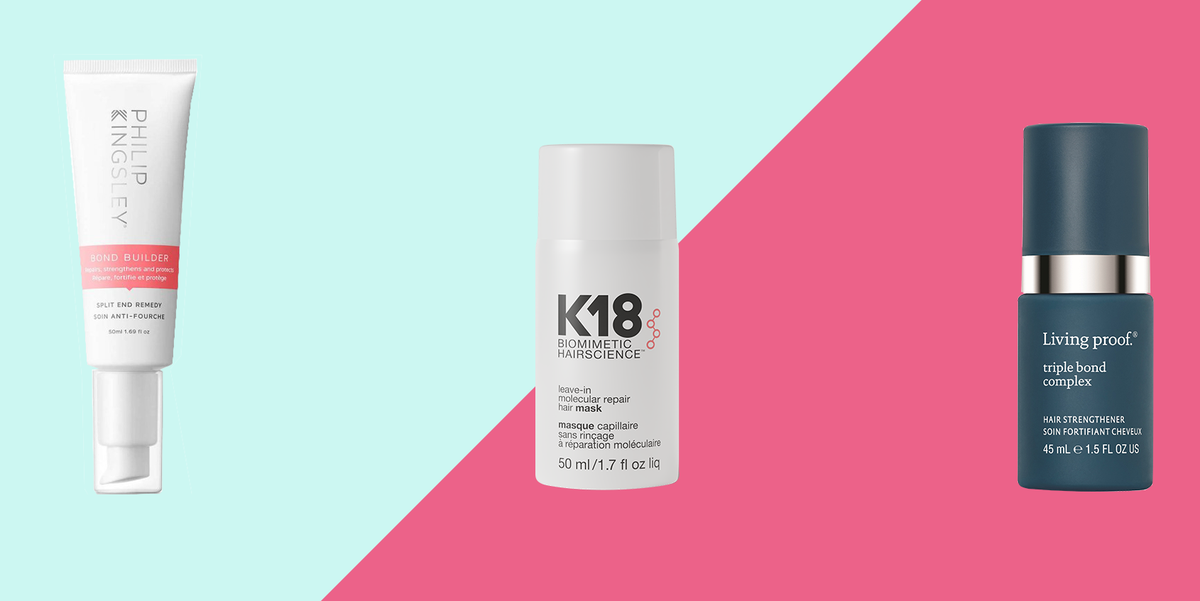
K18 is the product people mention in the same tone usually reserved for miracle serums, lost phone chargers, and coffee before 9 a.m. Its Leave-In Molecular Repair Hair Mask uses a patented peptide technology designed to work inside the hair fiber and help reconnect damaged keratin chains. The standout feature is speed: it is a leave-in treatment that works in four minutes and does not need rinsing.
For UK users with balayage, platinum blonde, vivid color, relaxers, perms, or regular heat styling, K18 is one of the most convincing high-performance options. It is especially useful when hair feels weak, gummy, overly stretchy, or fragile after chemical services. The texture is lightweight, which makes it surprisingly friendly for fine hair when used sparingly.
How to use it: Shampoo, skip conditioner, towel-dry, apply a small amount, wait four minutes, then style as usual. The “skip conditioner” instruction matters because heavy conditioning layers can reduce absorption. Use it for several washes during a repair phase, then switch to maintenance.
Watch out for: Price. K18 is premium, and overusing it will not make it work faster. Use the right amount, not half the bottle in a moment of emotional hair panic.
Best Classic Bond Builder: Olaplex No.3 Hair Perfector
Best for: Regular color clients, heat stylers, and anyone starting a bond-repair routine.
Olaplex No.3 is the product that made bond-building hair care a household phrase. It is a pre-shampoo treatment designed to repair broken bonds and improve strength, smoothness, and shine. For many people, it remains the easiest entry point into serious bond repair because it fits neatly into a weekly routine.
Olaplex No.3 works well for bleached hair, highlighted hair, frizz-prone hair, and hair that has lost bounce after repeated styling. It is not a conditioner, so do not expect it to feel like a buttery mask while it sits on the hair. The reward comes after shampooing and conditioning, when strands feel smoother, stronger, and more cooperative.
How to use it: Apply to damp hair before shampooing, leave on for at least 10 minutes, then shampoo and condition. Weekly use is enough for most people.
Watch out for: It is best when paired with moisture afterward. If your hair feels stiff, you may need a hydrating conditioner or mask, not more bond repair.
Best Weekly Leave-In: Living Proof Triple Bond Complex
Best for: Busy people who want strength, shine, and heat protection without an extra rinse step.
Living Proof Triple Bond Complex is a clever weekly leave-in treatment designed to strengthen hair and improve resistance to future damage. It is especially appealing because it targets multiple bond types and slots into a post-shower routine. Apply it, wait, style, done. No towel turban marathon required.
The finish is polished but not greasy, making it a strong choice for medium, fine, or easily weighed-down hair. It also works nicely for people who blow-dry regularly because it supports smoother styling and helps reduce visible signs of damage.
How to use it: Apply to clean, damp hair once a week, wait around 10 minutes before heat styling for best results, and do not rinse.
Watch out for: It is not a rich moisture mask. If your ends are thirsty, pair it with a nourishing conditioner on other wash days.
Best for Color-Treated Hair: Redken Acidic Bonding Concentrate
Best for: Colored, highlighted, dry, frizzy, or chemically processed hair that needs strength and shine.
Redken’s Acidic Bonding Concentrate line has become a favorite because it approaches damaged hair from two directions: bond care and pH balance. Hair generally prefers an acidic environment, while chemical services and daily stress can leave the cuticle rougher and more vulnerable. This range uses citric acid and bonding care technology in several products to help reinforce weak bonds, smooth the cuticle, and reduce breakage.
The leave-in treatment is particularly useful for UK weather because it helps with frizz, smoothness, and heat protection. For color-treated hair, the shampoo and conditioner system can be a smart maintenance routine between salon visits.
How to use it: Use the shampoo and conditioner as a repair wash system, then apply the leave-in to damp hair before styling.
Watch out for: The formulas are concentrated. Start small, especially on fine hair, unless you enjoy the “accidentally used hand cream as hair gel” look.
Best Fast Treatment: Aveda Botanical Repair Bond-Building Flash Treatment
Best for: People who want quick shine and strength in the shower.
Aveda Botanical Repair Bond-Building Flash Treatment is the impatient person’s bond builder, and we mean that lovingly. It is a lightweight rinse-out treatment that works quickly in the shower and leaves hair feeling smoother and shinier without the heavy feel of some masks.
This is a strong pick for fine to medium hair, dull hair, and anyone who wants a plant-powered, silicone-free feel. The Botanical Repair range also includes leave-ins and overnight options, making it easy to build a complete routine.
How to use it: Apply after shampooing, leave briefly according to directions, rinse, and continue with conditioner if needed.
Watch out for: Very damaged or bleached hair may need a deeper treatment like K18 or Olaplex alongside it.
Best Budget Bond Repair: L’Oréal Paris Bond Repair
Best for: Affordable bond-building hair care for damaged, colored, or fragile hair.
L’Oréal Paris has made bond repair more accessible with Bond Repair systems that often include a pre-shampoo treatment, shampoo, conditioner, and serum-style products. These formulas usually focus on repairing weak bonds, reducing breakage, and improving softness in damaged or color-treated hair.
For UK shoppers who want results without turning hair care into a luxury bill, this is one of the easiest high-street routes into bond-building. It is especially good for people who color their hair but do not want to spend salon-treatment money every week.
How to use it: For best results, use the pre-shampoo treatment before cleansing, then follow with the matching shampoo and conditioner.
Watch out for: Budget systems can be excellent maintenance products, but severely bleached or breaking hair may still need a stronger weekly treatment.
Best Moisture-Repair Hybrid: Amika The Kure Intense Strength Repair Mask
Best for: Dry, thick, coarse, frizzy, or heat-damaged hair that needs repair plus softness.
Amika The Kure Intense Strength Repair Mask is a great option when hair needs both strength and comfort. It uses bond-fortifying technology alongside rich conditioning ingredients like plant butters and oils. The result is a mask that feels more traditionally nourishing than some clinical-feeling bond treatments.
This is particularly helpful for hair that feels rough, puffy, dry, or hard to detangle. Curly and wavy textures may appreciate the softness, while bleached ends can benefit from the combination of repair and moisture.
How to use it: Apply after shampooing, leave on according to label directions, rinse well, and style gently.
Watch out for: Fine hair should use it mainly on mid-lengths and ends to avoid heaviness.
Best Styling-Friendly Bond Builder: Bumble and bumble Bond-Building Repair Styling Products
Best for: Heat stylers, blow-dry fans, and people who want repair inside their styling routine.
Bumble and bumble’s Bond-Building collection uses a Honey Bond-Building Complex and includes shampoos, conditioners, treatments, creams, and oils. The appeal is practical: you can build repair into styling instead of treating it like a separate Sunday-night appointment.
The styling cream and oil serum are useful for smoothing frizz, adding polish, and protecting hair during blow-drying or hot-tool use. For people who style often, this kind of product can help reduce the cycle of damage, panic, repair, repeat.
How to use it: Apply the styling products to damp hair before heat styling, or use the treatment weekly in the shower.
Watch out for: If your hair is already overloaded with styling products, clarify occasionally so treatments can work properly.
Best for Split-End Appearance: Philip Kingsley Bond Builder Split End Remedy
Best for: Hair that looks frayed at the ends but is not ready for a major chop.
Philip Kingsley has strong UK credibility thanks to its trichology-led heritage. The Bond Builder Split End Remedy is designed to improve the look and feel of split ends while supporting strength. No product can permanently glue a split end back into virgin hairif only science were that generousbut a good split-end treatment can make ends look smoother and reduce further visible fraying.
This is a smart pick for people growing out hair, maintaining layers, or trying to stretch the time between trims without looking like they lost a fight with a haystack.
How to use it: Apply to fragile ends as directed, focusing on areas that split or snap.
Watch out for: It improves appearance and manageability, but regular micro-trims still matter.
Best Bond-Building Treatment by Hair Type
For Bleached Blonde Hair
Choose K18 if your hair feels weak, stretchy, or compromised after bleaching. Use Olaplex No.3 weekly for maintenance and pair with a moisturizing mask to keep ends flexible. Blonde hair is particularly vulnerable to dullness and breakage, so reduce heat and use purple shampoo only when needed, not every time your hair sees daylight.
For Fine Hair
Go for lightweight formulas like Living Proof Triple Bond Complex, K18 in a very small amount, or Aveda’s fast rinse-out treatment. Avoid heavy masks near the roots. Fine hair needs repair, but it also wants volume, dignity, and personal space.
For Curly and Coily Hair
Look for bond repair plus moisture. Amika The Kure, Redken Acidic Bonding Concentrate, and K18 can all work well depending on damage level. Curly hair often shows damage as frizz, curl pattern loss, tangling, and dryness, so follow bond treatments with hydration and gentle styling.
For Heat-Damaged Hair
Living Proof, Redken, Bumble and bumble, and Aveda are practical options because they pair repair with styling support. The real secret, however, is lowering the heat setting. A bond builder is not a permission slip to flat-iron with the enthusiasm of a panini press.
How Often Should You Use Bond-Building Hair Treatments?
Most people do well with one bond-building treatment per week. Severely damaged hair may benefit from a short repair phase, such as using K18 for several consecutive wash days or applying Olaplex weekly for a month. Once hair feels stronger, shift to maintenance.
Using too many strengthening products too often can make some hair feel stiff, coated, or dry. If your hair feels rough after bond repair, it may need moisture, not more repair. A balanced routine looks like this: gentle shampoo, bond treatment once a week, moisturizing conditioner or mask as needed, heat protectant when styling, and trims before the ends become tiny emotional support tassels.
Common Bond-Builder Mistakes to Avoid
Using Conditioner Before a Treatment That Needs Bare Hair
Some treatments, especially K18, need clean hair without conditioner first. Conditioner can create slip and softness, but it may also interfere with absorption. Follow the instructions exactly, even if your inner beauty rebel wants to freestyle.
Expecting Split Ends to Disappear Forever
Bond builders can improve strength and smoothness, but split ends are still split ends. Treatments can reduce the look of fraying and help prevent more breakage, but scissors remain undefeated.
Skipping Heat Protection
Bond repair helps damaged hair recover, but heat protection helps prevent new damage. If you blow-dry, curl, or straighten, use a heat protectant and avoid maximum temperature unless your styling goal is “crispy but confident.”
Using Too Much Product
More product does not equal more repair. It usually equals flat roots, sticky ends, and regret. Start with less, especially with concentrated leave-ins.
Expert Buying Advice for UK Shoppers in 2025
When shopping for the best bond-building hair treatments in the UK, consider your damage type first. Bleach damage needs internal repair. Dryness needs moisture. Frizz may need both repair and cuticle smoothing. Color fade needs gentle, color-safe cleansing. Fine hair needs lightweight leave-ins. Curly hair often needs repair plus rich conditioning.
If you are on a budget, start with L’Oréal Paris Bond Repair or a Redken mini if available. If your hair is seriously compromised, invest in K18 or Olaplex and use it correctly. If you want a weekly no-rinse routine, Living Proof is elegant and easy. If you want quick shower shine, Aveda is your friend. If your hair is thick, dry, and dramatic in humidity, Amika may be the comfort blanket your ends have been requesting.
Real-World Experience: What It Feels Like to Use Bond-Building Hair Treatments
The first thing to know about bond-building treatments is that they do not all feel luxurious while you use them. This surprises people. A rich mask says, “Relax, I brought butter.” A serious bond treatment says, “Please towel-dry your hair, apply two pumps, wait exactly four minutes, and stop asking questions.” The magic often shows up after drying, brushing, or styling.
On bleached hair, the most noticeable improvement is usually elasticity. Before repair, damaged blonde hair may stretch when wet, tangle at the nape, or snap around the face-framing pieces. After consistent bond care, it often feels less fragile. The brush moves through with less crunching, blow-drying takes less emotional negotiation, and ends look less like they have been whispering secrets to sandpaper.
On fine hair, the experience is different. Heavy masks can make fine strands look flat, even if they feel soft. Lightweight bond builders are better because they strengthen without stealing volume. The trick is restraint. A pea-size amount of leave-in can be enough. Fine hair is not being difficult; it simply has no storage space for unnecessary product.
For curly and wavy hair, bond repair can help curls spring back after color, heat, or mechanical damage. The results may not be instant ringlets, but there is often better clumping, less halo frizz, and fewer limp sections. Still, curl care needs moisture. A bond treatment without hydration is like fixing the roof and forgetting furniture. Strong, yes. Cozy, no.
For people who heat-style often, the biggest real-world change comes from combining bond repair with better habits. Use a lower heat setting, dry hair fully before straightening, apply heat protectant, and take breaks from hot tools when possible. Bond builders help, but they are not tiny superheroes living inside the bottle. They work best when you stop creating new damage every wash day.
Another experience worth mentioning is patience. Some treatments give immediate softness and shine; others build results over several uses. K18 can feel transformative quickly on the right hair type, while Olaplex may feel more cumulative. Redken and Aveda often provide smoother cosmetic results fast. Amika gives that comforting mask experience while still supporting repair. Living Proof is subtle but polished, ideal for people who want their hair to behave better without feeling coated.
The best routine is the one you will actually follow. If you hate pre-shampoo steps, do not buy a treatment that requires one. If you never remember weekly masks, choose a leave-in. If your hair is breaking badly, simplify everything: repair treatment, gentle cleanser, moisturizing conditioner, heat protectant, and fewer styling experiments. Hair does not need a 17-step routine. It needs consistency, kindness, and fewer late-night decisions involving bleach.
Final Verdict: Which Bond Builder Should You Buy?
If you want the strongest overall repair pick for damaged or bleached hair, choose K18 Leave-In Molecular Repair Hair Mask. If you want the classic weekly bond treatment, choose Olaplex No.3. If you want a smart leave-in with a polished finish, choose Living Proof Triple Bond Complex. For color-treated hair and frizz, Redken Acidic Bonding Concentrate is excellent. For speed, try Aveda Botanical Repair Flash Treatment. For affordability, L’Oréal Paris Bond Repair is the best budget-friendly starting point.
The truth is simple: bond-building hair treatments can make damaged hair stronger, smoother, shinier, and easier to manage, but they work best when paired with gentle habits. Reduce heat, space out bleach, use conditioner, protect your ends, and get trims when needed. Your hair may not send a thank-you card, but it will stop acting like it has a personal vendetta.
Note: This article is based on current expert testing trends, brand product information, dermatologist-backed hair damage guidance, and real-world hair care analysis for UK shoppers in 2025. Always follow individual product directions and consult a professional stylist for severe chemical damage or sudden hair breakage.