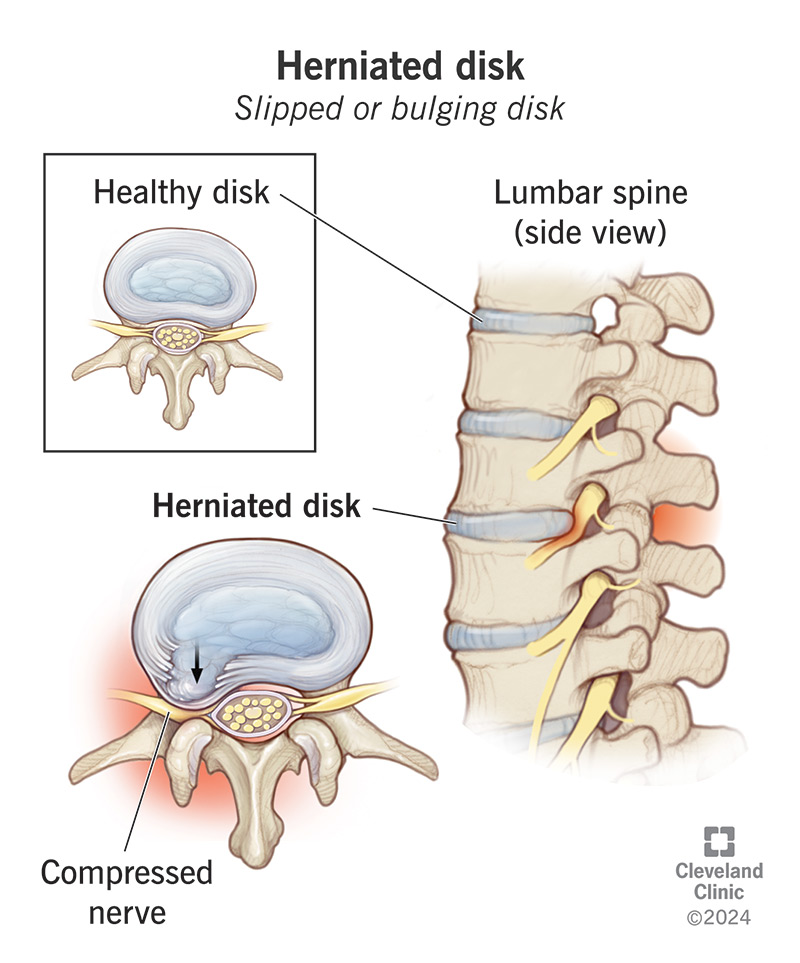
A herniated disk sounds like something that belongs in a mechanic’s garage, right next to “bad alignment” and “mysterious clunking noise.” But unfortunately, this one lives in your spine. A herniated disk, also called a slipped disk, ruptured disk, or sometimes a bulging disk, happens when one of the cushion-like disks between the bones of your spine changes shape or leaks inner material that can irritate nearby nerves.
The result can be back pain, neck pain, numbness, tingling, weakness, or a dramatic sciatic lightning bolt down the leg that makes tying your shoes feel like an Olympic event. The good news? Most people improve without surgery. The less-good news? Recovery takes patience, smart movement, and sometimes help from a healthcare professional who knows the spine better than your office chair does.
This guide explains herniated disk symptoms, causes, diagnosis, treatment options, red flags, and practical recovery experiences in plain Englishwith just enough humor to keep your spine from filing a complaint.
What Is a Herniated Disk?
Your spine is made of bones called vertebrae. Between many of these bones are spinal disks, which act like shock absorbers. Each disk has a tough outer layer and a softer, gel-like center. When the outer layer weakens or tears, the inner material can push outward. That is a herniated disk.
A bulging disk is slightly different. In many cases, the disk protrudes outward but the outer layer remains more intact. A herniated disk usually means the inner material has pushed through a weakened area. In everyday conversation, people often use “bulging disk,” “slipped disk,” and “herniated disk” interchangeably. Your spine specialist, however, may use the terms more precisely after reviewing your symptoms and imaging.
Where Do Herniated Disks Usually Happen?
Herniated disks can occur anywhere along the spine, but they are most common in the lower back, known as the lumbar spine. They can also happen in the neck, called the cervical spine. A herniated disk in the mid-back, or thoracic spine, is less common.
Lumbar Herniated Disk
A lumbar herniated disk often affects nerves that travel into the buttocks, legs, calves, and feet. This is why a lower back disk problem may cause leg pain instead of only back pain. When the sciatic nerve is involved, the condition is commonly called sciatica.
Cervical Herniated Disk
A cervical herniated disk may cause neck pain, shoulder pain, arm pain, numbness, tingling, or weakness in the hand or fingers. In other words, your neck can send a very rude text message all the way down your arm.
Common Herniated Disk Symptoms
Some people have a herniated disk and never know it. It may show up on an MRI done for another reason and cause no symptoms at all. When symptoms do appear, they usually depend on which nerve is irritated or compressed.
1. Back or Neck Pain
Pain may start in the lower back or neck and become sharper with certain movements. Sitting, bending, twisting, coughing, or sneezing may make it worse. Some people feel better when walking or lying in a supported position.
2. Radiating Pain
Radiating pain is one of the classic signs of a herniated disk pressing on a nerve. A lumbar herniated disk may send pain into the buttock, thigh, calf, or foot. A cervical herniated disk may send pain into the shoulder, arm, or hand.
3. Numbness or Tingling
Nerve irritation can cause pins-and-needles sensations, numb patches, or strange “electric” feelings. This does not always mean something terrible is happening, but it is a sign that a nerve is involved and should be taken seriously.
4. Muscle Weakness
Weakness can show up as trouble lifting the foot, gripping objects, climbing stairs, or pushing with the leg. Progressive weakness is more concerning than pain alone and deserves prompt medical attention.
5. Sciatica
Sciatica describes pain that travels along the sciatic nerve pathway, often from the lower back through the buttock and down one leg. The pain may feel sharp, burning, shooting, or painfully theatricallike your leg decided to host a fireworks show without asking permission.
Emergency Symptoms: When to Get Medical Help Right Away
Most herniated disks are not emergencies, but certain symptoms need immediate medical evaluation. Seek urgent care if you have new loss of bladder or bowel control, numbness in the groin or saddle area, severe or worsening weakness in both legs, trouble walking, fever with back pain, unexplained weight loss, recent major trauma, or severe pain that does not improve with rest or medication.
These signs may suggest a serious condition such as cauda equina syndrome, infection, fracture, tumor, or significant nerve compression. Do not try to “walk it off” like a movie hero. Real life has better outcomes when red flags are treated quickly.
What Causes a Herniated Disk?
The most common cause is disk degeneration, a normal aging process where spinal disks gradually lose water content and flexibility. As disks become less springy, they are more likely to tear or bulge. Sometimes a specific event triggers symptoms, such as lifting something heavy with poor form, twisting suddenly, or bending while carrying weight.
Risk factors include physically demanding work, repetitive bending or twisting, prolonged sitting, excess body weight, smoking, poor conditioning, and family history. That said, a herniated disk can happen to active people, inactive people, young adults, older adults, weekend warriors, and people who simply sneezed at the wrong angle. The spine can be oddly dramatic.
How Doctors Diagnose a Herniated Disk
Diagnosis usually begins with a medical history and physical exam. A healthcare provider may ask where the pain travels, what makes it worse, whether numbness or weakness is present, and how symptoms affect daily activities.
Physical Exam
The exam may include checking reflexes, muscle strength, sensation, walking pattern, and range of motion. For suspected lumbar disk herniation, a straight-leg raise test may reproduce leg pain if a nerve root is irritated.
Imaging Tests
An MRI is often the most useful imaging test when symptoms are severe, persistent, or linked with nerve problems. CT scans may be used in certain cases. X-rays do not show disks well, but they can help rule out other problems such as fractures or alignment issues.
Important note: imaging findings do not always match pain. Many people have disk bulges or herniations on MRI with no symptoms. That is why doctors treat the person, not just the picture. Otherwise, every MRI machine would be handing out panic attacks with the scan results.
Herniated Disk Treatment: What Actually Helps?
Most herniated disk treatment starts conservatively. The goal is to reduce pain, calm nerve irritation, restore movement, and help you return to normal activities safely.
1. Short Rest, Not Bed-Rest Hibernation
A brief period of rest may help during the first painful phase, but prolonged bed rest can slow recovery. Many medical sources recommend staying as active as symptoms allow. Gentle walking, frequent position changes, and avoiding painful triggers are often better than becoming one with the couch.
2. Medication for Pain and Inflammation
Over-the-counter pain relievers such as acetaminophen or nonsteroidal anti-inflammatory drugs may be recommended for mild to moderate symptoms, depending on your health history. Some patients may need prescription medications for nerve pain, muscle spasms, or short-term inflammation control. Opioids are generally not first-line treatment for common back or neck pain because risks can outweigh benefits.
3. Physical Therapy
Physical therapy is one of the most common nonsurgical treatments for a herniated disk. A physical therapist may use guided movement, stretching, strengthening, posture training, and activity modification. The right exercises depend on the location of the herniation and the direction of symptoms. Copying random internet exercises is not always wise; your spine is not a DIY bookshelf.
4. Heat, Ice, and Activity Changes
Heat may relax tight muscles, while ice may reduce soreness after activity. Some people respond better to one than the other. Ergonomic changes, such as improving chair support, adjusting monitor height, and taking movement breaks, can also reduce daily irritation.
5. Epidural Steroid Injections
If pain persists despite medication and physical therapy, a healthcare provider may recommend an epidural steroid injection. This treatment places anti-inflammatory medication near irritated spinal nerves. It may reduce pain enough for a patient to participate more comfortably in rehabilitation.
6. Surgery
Surgery is usually considered when conservative care fails, pain remains disabling, or nerve problems worsen. A common procedure is a discectomy or microdiscectomy, where the surgeon removes the portion of the disk pressing on the nerve. Emergency surgery may be needed for cauda equina syndrome or severe progressive neurological symptoms.
For many people, surgery is not the first stop. It is more like the emergency exit: extremely useful when needed, but not where most people begin.
How Long Does a Herniated Disk Take to Heal?
Recovery varies. Many people improve over several weeks with nonsurgical care. Some need a few months for symptoms to settle. Nerve pain can be stubborn because irritated nerves do not always calm down on your preferred schedule. Progress may come in small wins: sitting longer, walking farther, sleeping better, or needing less medication.
A realistic recovery plan focuses on function, not perfection. The goal is not to prove you can lift a couch by Friday. The goal is to restore comfortable movement and reduce the chance of another flare-up.
Can You Prevent a Herniated Disk?
You cannot control every risk factor, but you can reduce stress on your spine. Helpful habits include maintaining a healthy weight, building core and hip strength, using proper lifting technique, avoiding smoking, taking breaks from prolonged sitting, and staying physically active.
When lifting, keep the object close, bend through the hips and knees, and avoid twisting while loaded. Your spine enjoys teamwork. Your lower back does not want to be the only employee doing all the heavy lifting.
Living With a Herniated Disk: Practical Daily Tips
Small changes can make daily life easier during recovery. Use a supportive chair, change positions often, place a pillow under the knees when lying on your back, and avoid sitting for long stretches if sitting increases symptoms. Try breaking tasks into shorter sessions. Instead of cleaning the entire house in one heroic mission, clean one area, rest, and let the dust bunnies fear you gradually.
Sleep can also be tricky. Side sleepers may feel better with a pillow between the knees. Back sleepers may prefer a pillow under the knees. Stomach sleeping often bothers the neck or lower back, though individual comfort varies.
Experience Section: What Recovery Often Feels Like in Real Life
People often imagine herniated disk recovery as a straight line: pain begins, treatment starts, pain disappears, and everyone celebrates with a responsible core-strengthening routine. In reality, recovery can look more like a stock market chart drawn by a squirrel. There are good days, weird days, and days when putting on socks feels like negotiating with a tiny back gremlin.
One common experience is fear of movement. After a sharp episode of sciatica or neck pain, many people become afraid to bend, walk, sit, or exercise. This is understandable. Pain teaches the brain to be cautious. But under professional guidance, gentle movement often becomes part of the solution. Patients may start with short walks, simple mobility work, and positions that reduce leg or arm symptoms. The first victory may not be “I ran three miles.” It may be “I walked to the mailbox without arguing with my spine.” That counts.
Another real-life challenge is impatience. Herniated disk symptoms can improve slowly, especially when nerve irritation is involved. A person may feel better for two days, then flare after sitting too long at work or lifting groceries awkwardly. This does not always mean recovery has failed. It may simply mean the irritated nerve is still sensitive and the body needs a more gradual plan. Tracking triggers can help: long car rides, soft couches, heavy backpacks, sudden twisting, or marathon laptop sessions can all stir symptoms.
Physical therapy can feel surprisingly educational. Many patients discover that the painful spot is not the whole story. Hip weakness, stiff hamstrings, poor lifting habits, limited core endurance, or workstation setup may be contributing to the problem. A good therapist does not just hand out exercises; they teach you how to move through daily life with less irritation. You learn how to hinge at the hips, brace gently, pace activities, and stop treating your lower back like a folding chair.
Emotionally, a herniated disk can be frustrating. Pain affects sleep, mood, school, work, exercise, and social plans. It can make someone feel older than they are or worried that they will never return to normal. Most people do improve, but the process can require patience and support. Talking with a healthcare provider about pain, function, and concerns is important, especially if symptoms are not improving.
The best recovery stories usually share a pattern: the person takes symptoms seriously, avoids panic, gets evaluated when needed, follows a conservative treatment plan, builds strength gradually, and learns prevention habits. They do not chase miracle cures. They do not test their progress by moving a refrigerator. They respect the spine, rebuild confidence, and return to life one smart step at a time.
Conclusion
A herniated disk or bulging disk can be painful, annoying, and occasionally dramatic, but it is also very treatable. Symptoms may include back pain, neck pain, radiating arm or leg pain, numbness, tingling, and weakness. Most cases improve with nonsurgical care such as short rest, medication, physical therapy, gentle activity, and lifestyle changes. Some people need injections, and a smaller group may need surgery, especially when symptoms are severe or nerve function worsens.
The smartest approach is simple: pay attention to symptoms, avoid panic, seek medical care for red flags, and build a recovery plan that supports long-term spine health. Your disks may be small, but when they complain, they prefer a thoughtful audience.
Note: This article is for general educational purposes only and should not replace diagnosis, treatment, or personalized advice from a licensed healthcare professional.