body h1, h2, h3 { line-height: 1.25; color: #111827; } h1 { font-size: 2.2rem; margin-bottom: 0.5rem; } h2 { font-size: 1.6rem; margin-top: 2rem; } h3 { font-size: 1.2rem; margin-top: 1.25rem; } p { margin: 0.8rem 0; } .dek { font-size: 1.08rem; color: #374151; } .box { background: #f8fafc; border: 1px solid #dbeafe; border-radius: 14px; padding: 18px; margin: 18px 0; } .warning { background: #fff7ed; border: 1px solid #fdba74; border-radius: 14px; padding: 18px; margin: 18px 0; } .figure-wrap { background: #f9fafb; border: 1px solid #e5e7eb; border-radius: 16px; padding: 18px; margin: 22px 0; } figure { margin: 0; } figcaption { font-size: 0.95rem; color: #4b5563; margin-top: 10px; } ul { padding-left: 1.2rem; } li { margin: 0.45rem 0; } .label { display: inline-block; background: #e0f2fe; color: #0c4a6e; padding: 4px 10px; border-radius: 999px; font-size: 0.82rem; font-weight: bold; margin-bottom: 8px; } .small { font-size: 0.95rem; color: #4b5563; } .seo-json { white-space: pre-wrap; background: #111827; color: #f9fafb; padding: 18px; border-radius: 14px; overflow-x: auto; }
Foot pressure points have a wonderful reputation online. One chart says your big toe talks to your brain. Another promises sinus relief from a spot near the ball of the foot. It all sounds delightfully simple: push here, headache disappears, go live your best pain-free life. Reality is a little less magical, but still interesting. The short version? Foot massage and pressure may help some people feel calmer, looser, and a bit better during certain headaches, but the science does not support the idea that your feet contain a guaranteed off-switch for migraine, tension headache, or sinus pressure.
This article walks through the two main ideas people usually mix together: reflexology, which maps parts of the body onto the feet, and acupressure, which uses traditional pressure points. Then we will look at the foot areas people most often target for headaches, what the research really says, and how to try a safe, sensible at-home routine without turning your arches into a demolition site.
If you are searching for headache pressure points on the feet, the areas you will see most often are the big toes in reflexology charts and the Kidney 1 point on the sole in acupressure discussions. These are worth understanding, but they are better viewed as comfort tools than proven medical treatment.
What are “headache pressure points” on the feet, exactly?
Most foot-based headache advice comes from reflexology maps. In reflexology, practitioners believe specific zones of the foot correspond to specific body regions. Headache-related charts usually place the head, brain, neck, and sinus areas on or near the toes, especially the big toes. That is why so many guides tell you to massage the tips, pads, and base of the big toes when your head feels like a marching band rented your skull by the hour.
Acupressure is a little different. It does not rely on the same foot map. One foot point that shows up often is Kidney 1 (K1), located on the sole, just under the ball of the foot. This point is usually discussed for calming, grounding, or stress relief rather than as a specific miracle button for headache. That distinction matters. A technique can be relaxing without being a targeted cure.
The foot spots people use most for headaches
1. The big toe tip and upper pad
If you look at reflexology charts long enough, you start to suspect the big toe has an ego problem. It gets almost all the headline attention. In many reflexology systems, the big toe is said to reflect the head, brain, and sinus region. Some headache studies involving plantar reflexology also focused on the upper part of the big toes. So if someone tells you, “Try pressing the toe that looks the most important,” they are not entirely making it up.
2. The base of the big toe and ball of the foot
Some charts expand the headache idea beyond the toe tip and into the base of the big toe and the ball of the foot, especially when neck tension or upper-body tightness seems to be part of the story. This is one reason foot massage can feel nice for tension-style headaches. It may not be curing the headache through secret wiring, but it can encourage relaxation in a very obvious, non-mystical way.
3. Kidney 1 on the sole
K1 sits on the sole just beneath the ball of the foot. In acupressure, it is often used for grounding and calming. That makes it relevant because stress, poor sleep, and overall nervous-system overload can make headaches feel louder, longer, and generally more rude. K1 is less about “zap your migraine away” and more about helping your body shift down a gear.
What does the science actually say?
Here is the grown-up answer: the evidence is limited. Reflexology is popular, but that is not the same thing as proven. Major evidence-based sources note that reflexology involves pressing points on the feet that are believed to match other body parts, yet those healing claims have not been proven. That does not mean nobody feels better. It means the mechanism and the reliability are still uncertain.
Recent reviews of plantar reflexology for headache are more encouraging than dismissive, but they also come with a big asterisk. The promising results come from a small number of studies, and reviewers have called for better, larger, more rigorous research. In plain English: the early signal is interesting, but it is not strong enough to crown your big toe as a board-certified neurologist.
Acupressure for migraine sits in a similar zone. Some headache organizations describe the evidence as mixed. That is a frustrating word, but it is also an honest one. Mixed usually means some people improve, some studies look good, some do not, and researchers still cannot say with high confidence who will benefit most, by how much, or from which point combinations.
There is also a practical issue: not every headache is the same creature in a different hat. Migraine often comes with throbbing pain, nausea, and sensitivity to light, sound, or smell. Tension headaches are more likely to feel like a dull, pressure-like band around the head. Cluster headaches are typically sudden, severe, one-sided, and often come with eye watering or nasal symptoms. A foot routine that feels calming during a stress-heavy tension headache may do very little for a fast-moving migraine or a brutal cluster headache.
And here is a plot twist many people do not see coming: what seems like a “sinus headache” is often actually migraine. That matters because a person may spend ages rubbing foot points for sinus pressure when the bigger issue is a migraine pattern that needs better diagnosis and treatment. Sometimes the problem is not that the foot massage “failed.” It is that the label on the headache was wrong from the start.
So, are foot pressure points worth trying?
Yes, with expectations set to “helpful support” rather than “tiny podiatric sorcery.” Foot pressure points may be worth trying if:
- your headache is mild to moderate and seems linked to stress, tension, or poor sleep;
- you find massage relaxing in general;
- you want a low-risk add-on while also using evidence-based headache care;
- you understand that relief may come from relaxation, comfort, and reduced muscle tension as much as from any specific point map.
They are less useful as a stand-alone plan when you have frequent migraine, headaches that are changing, severe one-sided eye pain, repeated vomiting, neurological symptoms, or the sort of headache that makes you say, “This feels very wrong.” That instinct is sometimes annoyingly accurate.
How to try headache pressure points on the feet safely
Step 1: Start with the big toes
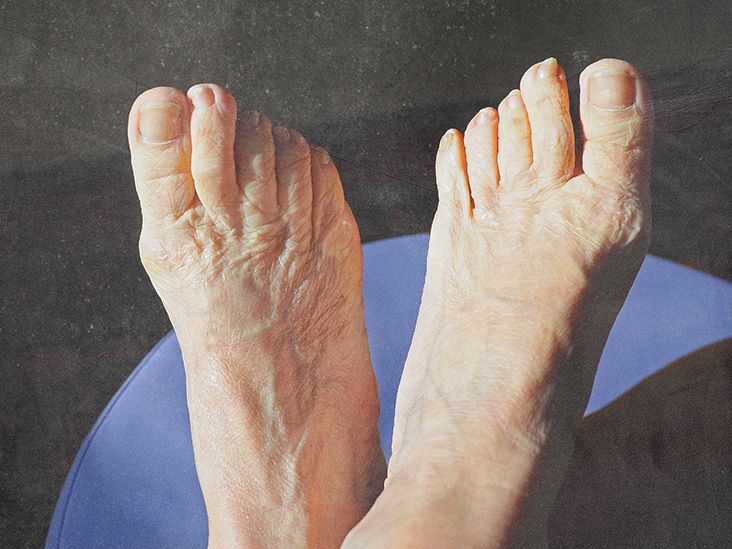
Use your thumb and press the tip and pad of the big toe. Hold for 20 to 30 seconds, then make slow circles for another 20 to 30 seconds. Repeat on the other foot. Do two or three rounds. You are looking for firm pressure with mild tenderness, not pain.
Step 2: Massage the base of the big toe
Work the crease where the big toe meets the ball of the foot. Use short, slow strokes or small circles for 30 to 60 seconds per foot. If your headaches tend to arrive with neck and shoulder tightness, this area may feel especially satisfying.
Step 3: Hold K1
Find the soft spot on the sole just under the ball of the foot. Press and hold for one to two minutes while breathing slowly. If that sounds suspiciously like a relaxation exercise wearing fancy shoes, that is because it partly is. And that is not a bad thing.
Step 4: Keep it gentle and stop if it makes things worse
Do not press hard enough to bruise yourself. Do not work over a rash, open wound, infected area, or visibly inflamed skin. If the point feels sharply painful, if you feel dizzy, or if your headache worsens, stop. Relief should feel soothing or mildly achy, not like your feet have joined the rebellion.
When a headache needs medical attention, not a foot massage
- a sudden explosive headache or the “worst headache of your life”;
- headache with fever, stiff neck, confusion, fainting, or severe vomiting;
- headache with weakness, slurred speech, balance problems, or new vision changes;
- a new headache after age 50;
- headache after a head injury;
- a severe headache with one red, painful eye;
- headaches that are rapidly changing, becoming more frequent, or no longer acting like your usual pattern.
What people often experience when they try foot pressure points
This section describes common, real-world experiences people report or notice with foot massage and pressure work. It is not proof that a specific foot point “controls” the head. It is a practical look at what trying this often feels like.
The most common experience is not dramatic. There is usually no movie scene where someone presses a toe, angels sing, and the headache exits through the nearest window. Instead, the first change is often more subtle: breathing slows down, shoulders soften, the jaw unclenches, and the pain feels a little less front-and-center. Many people describe that shift as the headache becoming quieter rather than disappearing.
Another common experience is surprise at how tender the big toes or the ball of the foot can feel. People often go looking for a mystical point and end up discovering something much more ordinary: their feet are tense, neglected, and a bit offended that they spend all day inside shoes. That tenderness can make the routine feel “effective,” but it may also just reflect local sensitivity, overuse, or the fact that feet are packed with nerves and respond strongly to touch.
For people with tension-type headaches, the routine can feel pleasantly logical. They start with a headache, then notice that stress is everywhere: the neck is tight, the face is tight, the breath is shallow, and even the arches feel rigid. Working the feet creates a full-body downshift. In those moments, the benefit may come less from a one-to-one body map and more from a chain reaction of relaxation. The body gets a cue to stop acting like it is preparing for a tax audit and a pirate attack at the same time.
People with migraine sometimes report a more mixed experience. Some find that firm touch on the feet is soothing during the early phase or the recovery phase of an attack. Others discover that when nausea, light sensitivity, and throbbing pain are intense, almost any extra stimulation feels annoying. That is useful information, too. If a foot routine feels comforting, great. If it feels like yet another thing your nervous system would like to file a complaint about, it is fine to stop.
A lot of people also notice that the ritual matters. Sitting down, dimming the lights, breathing slowly, and spending five minutes doing something deliberate can change the entire mood of the moment. That does not make the improvement fake. It just means the brain, the body, and the context all help shape pain. Headaches are rarely only about one tiny spot on the foot, just as they are rarely improved by panic-googling with one eye half open.
Then there is the final real-world experience: sometimes it simply does not help. No glow. No calm. No reduction in pressure. Just a massaged foot and the same grumpy head. That is not user failure. It is a reminder that headaches have different causes, different mechanisms, and different best treatments. Foot pressure points can be a useful tool in the comfort toolbox, but they should not delay proper care if your symptoms are severe, unusual, or escalating.
The bottom line
If you want the plain-spoken verdict, here it is: headache pressure points on the feet are interesting, low-risk, and sometimes genuinely soothing, but they are not strongly proven headache treatment. Reflexology charts usually place headache-related zones in the big toes, while acupressure traditions often add K1 on the sole for calming. Those spots may help some people feel better, especially when stress, tension, or sensory overload are part of the picture. But the best science so far says the evidence is still limited, and headache type matters a lot.
Try foot pressure points as a complementary strategy, not a replacement for diagnosis or treatment. If they help, wonderful. If they do not, that is useful data, not a personal failure. And if your headache is severe, sudden, strange, or paired with red-flag symptoms, skip the toe experiments and get medical care.