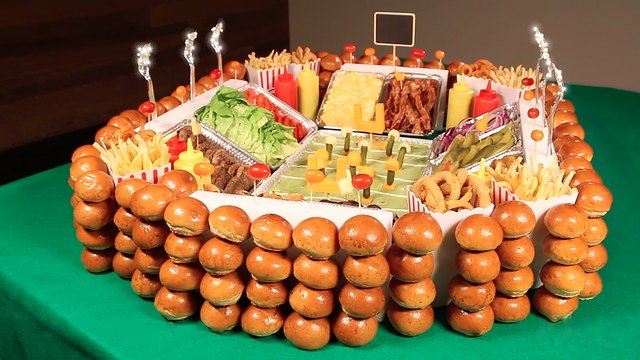
Some people host a Super Bowl party with a couple bags of chips and a shrug. You, on the other hand, are here to build a gourmet snack stadium. That means your party food is not just food. It is architecture. It is theater. It is a crunchy, cheesy, gloriously edible monument to game day.
A snack stadium is exactly what it sounds like: a party spread arranged to look like a football stadium, complete with a “field,” “stands,” and snack-packed sections that make guests hover around the table like excited sports commentators. The fun part is that it works on two levels. First, it looks wildly impressive. Second, it makes serving a crowd easier because everything is portioned, visible, and easy to grab.
If you want yours to feel less like a pile of convenience-store snacks and more like a polished, gourmet centerpiece, the secret is balance. You need bold flavors, different textures, a smart layout, and enough visual drama to make people pull out their phones before they grab a pretzel rod. In this guide, you will learn how to build a gourmet snack stadium for your Super Bowl party without losing your sanity, your budget, or your counter space.
Why a Gourmet Snack Stadium Is the Ultimate Super Bowl Party Move
There is a reason party boards, appetizer platters, and charcuterie-style spreads keep showing up at big gatherings: they are low-stress, high-impact, and designed for grazing. A snack stadium takes that idea and gives it a touchdown dance. Instead of serving random bowls around the house, you create one central display that acts as the food table, the party decor, and the conversation starter.
Going gourmet also solves a common game-day problem: ordinary snack tables can feel heavy, repetitive, and beige. Beige chips. Beige dips. Beige sadness. A gourmet stadium adds contrast. Think sharp cheddar next to creamy brie, spicy soppressata beside honey-roasted nuts, crisp vegetables near warm sliders, and fresh fruit cutting through all the richness. It feels more thoughtful, more elevated, and honestly, more fun to eat.
It also helps guests build their own perfect bite. One person loads up on cured meats and olives. Another heads straight for the hummus and vegetables. Someone else treats the whole thing like a soft pretzel support group. Everybody wins.
Start with a Smart Stadium Game Plan
Before you buy ingredients, decide what kind of stadium you want to build. The most successful snack stadiums are not the biggest ones. They are the ones that feel organized and intentional.
Choose Your Base
You do not need custom equipment or a catering degree. A large table, sheet pans, wooden boards, baking trays, or sturdy serving platters will work. Many hosts create stadium walls and tiers with foil pans, small boxes hidden under tablecloths, overturned baking dishes, or disposable trays. The goal is to create levels so the spread actually resembles seating sections rather than one flat snack parking lot.
If you are serving a medium-size crowd, one rectangular table is plenty. For a bigger party, use a folding table and build out the “field” in the center, leaving room around the edges for layered stadium seating made from risers, trays, or nested platters.
Pick a Flavor Strategy
A gourmet snack stadium does not mean throwing every fancy grocery item onto a board and hoping it becomes elegant through sheer optimism. Pick a clear flavor strategy.
You might go classic American game day with upgraded ingredients: artisan potato chips, thick-cut salami, smoked gouda, buffalo chicken dip, truffle popcorn, gourmet pickles, and mini brioche sliders. Or you can lean Mediterranean with marinated olives, whipped feta, pita chips, roasted red peppers, prosciutto, grapes, and herbed nuts. You can even do a hybrid stadium that mixes crowd-pleasers with premium accents. That is usually the safest move for a Super Bowl party because it pleases adventurous eaters and picky snack loyalists alike.
How to Build the Snack Stadium Step by Step
Step 1: Create the Field
The field is the visual anchor, so make it count. A bed of guacamole, chopped herbs, green tortilla chips, broccoli florets, edamame hummus, or finely shredded lettuce can create that turf-like look. For a more polished version, use a rectangular tray of guacamole or spinach dip and pipe sour cream lines across it to mimic yard markers.
If you want the center to be extra useful, make the field a dip zone. Guacamole, layered taco dip, whipped feta, spinach-artichoke dip, or jalapeño ranch all work. Surround it with sturdy dippers like pita chips, pretzel bites, crostini, crackers, or thick-cut vegetables so guests can attack the field without causing a structural collapse.
Step 2: Build the Stands
The “stands” around the field are where the magic happens. Use tiered platters, stacked trays, or foil pans to create raised sections on all four sides. This makes the display look fuller and helps separate ingredients by type.
Think of each side as a different concession section. One can be charcuterie, one can be cheese and crackers, one can be hot snacks, and one can be fresh produce and lighter bites. This layout makes the whole spread easier to navigate and keeps flavors from blurring together.
Step 3: Anchor with Bowls First
Before you place loose items, set down the bowls, ramekins, and larger containers. These act like visual landmarks and help the arrangement look intentional instead of chaotic. Small bowls for olives, cornichons, mustard, fig jam, hot honey, nuts, and dips instantly make the board feel more upscale.
Once those are in place, you can tuck cheeses, meats, crackers, and vegetables around them. That filling-in process is much easier when the major pieces are already set.
Step 4: Add Cheeses and Meats Like a Pro
For a gourmet feel, do not rely on a single cheese cube situation. Use variety. Choose at least three cheeses with different textures and flavors: one soft, one firm, and one bold. A good combination could be brie, aged cheddar, and manchego. Or goat cheese, gouda, and blue cheese if your crowd is a little more adventurous.
For meats, folded salami, prosciutto ribbons, chorizo slices, pepperoni chips, and soppressata bring texture and color. Fan them out, roll them, or tuck them into clusters instead of laying them flat in sad little stacks. You are building a snack stadium, not filing taxes.
Step 5: Fill the Gaps with Crunch, Color, and Contrast
This is the part that turns a good stadium into a great one. Fill empty spaces with ingredients that add contrast: red grapes, dried apricots, strawberries, celery sticks, cucumber coins, cherry tomatoes, toasted almonds, candied pecans, pickled onions, mini peppers, and fresh herbs.
Crackers and chips should mostly stay at the outer edges, where guests can grab them without reaching over meats and dips. Pretzel rods make especially good “stadium edge” items because they create clean lines and look neat when stacked.
Step 6: Add Hot Snacks Last
If your stadium includes warm foods, add them close to serving time. Mini sliders, soft pretzel bites, chicken skewers, baked wings, pigs in a blanket, and meatballs can take up one section of the stadium, but they should not sit around forever looking like they gave up at halftime.
Use warming trays, insulated dishes, or rotate in fresh batches from the kitchen. The best gourmet snack stadiums feel abundant, not tired.
The Best Gourmet Ingredients for a Winning Stadium
If you want the spread to feel elevated, upgrade familiar game-day food instead of replacing it with ingredients that scare people. This is not the time to serve a mysterious imported paste and explain it three times. Keep it recognizable, then level it up.
Luxury-Feeling Cheeses
Brie, triple-cream cheese, smoked gouda, white cheddar, manchego, herbed goat cheese, and pepper jack all work beautifully. Slice some, cube some, and leave one wheel whole for visual variety.
Premium Meats and Savory Bites
Prosciutto, Genoa salami, soppressata, hot capicola, pepperoni crisps, mini sausages, and smoked turkey slices make the savory sections feel rich and satisfying.
Crunchy Carriers
Use a mix of seeded crackers, artisan flatbreads, pretzel bites, pita chips, kettle chips, crostini, and breadsticks. Too many similar crackers make the board feel flat, so mix shapes and textures.
Flavor Boosters
Fig jam, spicy mustard, hot honey, roasted garlic spread, olive tapenade, hummus, pimento cheese, buffalo dip, and onion dip bring personality. Small bowls of sauces and spreads also make the stadium look more designed.
Fresh and Bright Additions
Grapes, apple slices, blackberries, strawberries, celery, cucumbers, radishes, sugar snap peas, cherry tomatoes, and fresh rosemary help cut through the heavier foods. These ingredients keep the stadium from becoming a giant salt bomb with goal posts.
How Much Food Should You Serve?
For a Super Bowl party, people usually graze for hours, so plan generously. If the snack stadium is your main attraction, think in terms of abundance across categories instead of obsessing over exact numbers. For a small gathering, three cheeses, two to three meats, two dips, three crunchy items, one hot snack, and several fruits or vegetables usually create plenty of variety. For a larger crowd, duplicate favorites and replenish in waves instead of trying to put everything out at once.
The smartest move is to keep backup ingredients in the fridge. Refill the board as the game goes on. Guests love a spread that stays fresh and full, and you avoid the dreaded early-party overbuild where everything looks amazing for 20 minutes and then like a snack stampede happened.
Make It Look Expensive Without Spending Like a Stadium Sponsor
Gourmet is partly about ingredient quality, but presentation does a lot of the heavy lifting. You do not need fifteen imported cheeses to make your snack stadium look upscale. You need color, texture, and structure.
Slice blocks of cheese yourself instead of buying pre-cubed trays. Mix one premium cheese with two affordable staples. Use fresh herbs as garnish. Put sauces in matching ramekins. Add labels or tiny football-themed picks. Buy a few luxury accents, like hot honey or fancy olives, and let them elevate the rest of the spread.
Also, remember that repetition can make a board look intentional. If you use the same type of pretzel or the same berry in multiple zones, the layout feels coordinated. That is a design trick, not laziness. Although laziness in the service of efficiency deserves some respect too.
Food Safety Tips for a Snack Stadium That Does Not Fumble
Because this spread includes meats, cheeses, dips, and possibly hot appetizers, safety matters. Keep cold foods chilled until serving time, and bring them out in smaller batches when possible. If the party runs long, replace platters instead of endlessly topping off the same one. That keeps everything looking fresher and helps prevent temperature issues.
Perishable foods should not sit out for more than two hours at room temperature, or more than one hour if it is especially hot. Keep cold items cold, ideally around 40°F or below, and place chilled foods over ice if they will be out for a while. Separate serving utensils for dips, meats, and produce make the whole setup cleaner and easier for guests to use.
If you are including hot foods, hold them warm until serving and rotate them in as needed. The glamorous truth about party food is that the best host is usually the one quietly swapping in fresh trays while everyone else argues about commercials.
Mistakes That Can Ruin Your Snack Stadium
Making It Too Monotone
If everything is brown, beige, or orange, the stadium will look heavy before anyone takes a bite. Add green herbs, red fruit, bright vegetables, and different serving pieces to break things up.
Using Only Fragile Dippers
Very thin crackers and delicate chips tend to snap under hearty dips. Include a few sturdy options so guests can actually build a bite without creating edible debris.
Overcrowding the Center
The field should look clear enough to read visually. If you cram every ingredient into the middle, the stadium shape disappears. Keep the center focused and let the sides do the heavy snacking.
Forgetting Different Diets
You do not need a separate table for every preference, but offering at least a few vegetarian, lighter, or gluten-conscious options makes the spread more welcoming. Hummus, vegetables, fruit, nuts, olives, and gluten-free crackers can fit naturally into the layout.
Experiences and Hosting Lessons from Building a Gourmet Snack Stadium
One of the funniest things about building a gourmet snack stadium is that people always react the same way. At first, they approach it like it is a museum installation. They stand back. They point. They say things like, “Wow, this is too pretty to eat,” which is a sweet sentiment that usually lasts seven seconds. Then someone grabs a pretzel, another person scoops some dip, and suddenly the whole table becomes the busiest place in the house.
That reaction is exactly why this kind of spread works so well for a Super Bowl party. It gives the event a centerpiece without forcing the host to plate individual appetizers all night. In my experience, guests love food that feels interactive. They like discovering little pockets of flavor, building their own combinations, and casually returning to the table every twenty minutes as if no one noticed they are now on their fifth round of gouda and salami.
The biggest lesson from making a snack stadium is that visual planning matters more than perfection. The first time you build one, you may spend too long trying to make every cracker line up like a tiny marching band. That effort is admirable, but unnecessary. What really makes the stadium look great is contrast and fullness. If you have a green center, colorful edges, layered heights, and a nice mix of bowls, folded meats, sliced cheeses, and textured snacks, it will look polished even if it is not geometrically perfect.
Another useful lesson is that guests always eat the familiar foods first. The fancy olives may get compliments. The fig jam may earn raised eyebrows of approval. But the pretzel bites, cheddar, sliders, and buffalo dip will disappear with remarkable speed. That means the best gourmet stadium is not one that ignores comfort food. It is one that pairs comfort food with more elevated flavors. Let the everyday favorites be the backbone, then add stylish extras around them.
There is also a practical hosting benefit that people do not talk about enough: a snack stadium creates traffic flow. Instead of guests wandering into the kitchen every five minutes asking what they can eat, the table becomes self-explanatory. Everything is visible, easy to reach, and designed for nibbling. That gives the host more time to actually enjoy the game, refill drinks, and maybe sit down for more than a single commercial break.
Over time, you also learn that replenishing is part of the performance. A gourmet snack stadium should evolve a little during the party. Swap in fresh fruit, refill crackers, replace warm items, and tidy empty spaces with herbs or extra nuts. Those little adjustments keep the whole thing looking lively instead of ransacked. Think of it less like one static display and more like a live edible set.
Most importantly, building a snack stadium makes the party feel intentional. Even guests who do not care much about football tend to remember the table. They remember the cheese shaped like little blocks ready for stacking, the dip field with sour cream yard lines, the rows of crunchy snacks in the “stands,” and the way the whole thing made the room feel festive before kickoff even started. That is the real win. The snack stadium is not just food. It is atmosphere you can eat.
Final Whistle
If you want to impress your guests this Super Bowl, skip the random snack bowls and build a gourmet snack stadium instead. It combines the easy, social appeal of a grazing board with the fun of game-day presentation. Use a strong layout, mix premium and familiar ingredients, play with texture and color, and keep food fresh throughout the party. The result is a centerpiece that looks clever, tastes even better, and makes you seem far more organized than you may actually feel. That, frankly, is elite hosting.
Note: This body-only HTML is formatted for direct web publishing and does not include source-link clutter or extra markup outside the article body.