A summer pool day sounds simple: water, towels, snacks, sunshine, and that one friend who insists they “don’t burn” before turning the exact color of a boiled lobster. But anyone who has hosted a truly great pool gathering knows the magic is not random. The best pool days feel effortless because someone planned the details before the first cannonball shook the patio furniture.
Whether you are hosting family, neighbors, classmates, coworkers, or your favorite group chat in human form, a successful summer pool day needs more than inflatable flamingos and a heroic bowl of chips. The real secret is balancing fun, comfort, safety, food, shade, and flow. Professional planners think through the guest experience from arrival to goodbye, which is why their events rarely turn into a soggy scavenger hunt for sunscreen, ice, or dry seating.
This guide breaks down the six essential steps planners never skip when hosting a summer pool day. You will learn how to prepare the pool area, build a smart food station, keep guests safe without becoming the whistle-blowing fun police, and create a relaxed atmosphere that feels sunny, stylish, and wonderfully low-stress.
Why Planning Matters for a Summer Pool Day
A pool day is one of those events that looks casual on the invitation but becomes surprisingly complex in real life. Water changes everything. Guests need space for dry belongings, easy access to towels, safe walkways, shade breaks, cold drinks, and food that can survive summer heat without staging a science experiment. If children are attending, supervision becomes even more important. If adults are attending, someone will still forget sunscreen. Humanity is consistent that way.
Good planning does not make a pool day stiff. It makes it smoother. When supplies are easy to find and the layout makes sense, guests relax faster. When food is protected from heat, people eat with confidence. When safety expectations are clear, everyone enjoys the water without awkward confusion. A well-hosted pool day should feel like a mini vacation, not a backyard emergency drill with watermelon.
Step 1: Prep the Pool Area Before Guests Arrive
The first thing planners handle is the physical setup. Before music, menus, or decorations, they make sure the pool area is clean, safe, and guest-ready. This includes testing the water, clearing clutter, checking outdoor furniture, and creating zones for swimming, eating, lounging, and drying off.
Check the Water and Surroundings
Pool water should look clean, clear, and inviting. If the water is cloudy, strongly scented, or visibly dirty, do not shrug and call it “rustic.” Clear water matters because swimmers need to see the pool bottom, steps, and each other. Home pool owners should also check sanitizer and pH levels according to pool-care guidance before guests arrive.
Next, inspect the deck or patio. Remove toys, hoses, loose cords, gardening tools, and anything that could become a trip hazard. Wet feet and clutter are not friends. Walk the route from the house to the pool, from the pool to the bathroom, and from the food table to the seating area. If any path feels awkward, slippery, or crowded, fix it before guests arrive.
Create Useful Guest Stations
Planners love stations because they reduce chaos. Set up a towel station near the pool, a sunscreen station in the shade, a drink station away from splashing, and a trash station that is visible but not sitting next to the chips like an unwanted party guest. Add a basket or bin for wet towels so they do not migrate across every chair like damp little ghosts.
If guests are bringing bags, provide a dry drop zone indoors or under cover. A folding table, bench, or row of hooks can make a big difference. People feel more comfortable when they know where to put phones, sandals, sunglasses, and the paperback novel they optimistically brought but will probably not read.
Step 2: Make Safety Feel Natural, Not Awkward
Safety is the step planners never treat as optional. A pool day should be fun, but water requires attention. The goal is not to scare guests; the goal is to make safe behavior feel like a normal part of the party.
Set Simple Pool Rules Early
Before swimming begins, share a few clear expectations. Keep them short and friendly. For example: no running on the deck, no diving in shallow areas, children must have adult supervision, and glass stays away from the pool. You do not need a dramatic speech. A cheerful “Here is how we keep the day fun and injury-free” works better than sounding like a lifeguard from a courtroom drama.
If children are attending, assign specific adults to watch the water in shifts. Do not rely on the vague idea that “everyone is watching.” When everyone is watching, sometimes no one is watching. A designated water watcher system helps keep supervision clear, especially during busy moments like serving food or changing activities.
Keep Safety Gear Visible
Have rescue equipment, a first-aid kit, and a charged phone easy to access. Keep gates closed when the pool is not being used. If your pool has barriers, alarms, or covers, make sure they are working properly before guests arrive. Safety features are not decorations; they need to function when it counts.
Also think about guests who may not be strong swimmers. Offer pool noodles or approved flotation options where appropriate, but do not let flotation devices replace supervision. If someone is uncomfortable in deep water, make it easy for them to enjoy shallow areas, lounge seating, or poolside games. A great host never makes a guest feel embarrassed for choosing comfort over bravado.
Step 3: Build a Food Plan That Survives Summer Heat
Food can make a summer pool day memorable. It can also become the villain if it sits in the sun too long. Planners choose menus that are easy to serve, easy to eat, and safe in warm weather. The best pool party food is delicious without requiring guests to balance a loaded plate while dripping water onto the patio.
Choose Pool-Friendly Foods
Think fresh, simple, and grab-and-go. Fruit skewers, veggie cups, wraps, sliders, pasta salad kept cold, grilled chicken, chips with salsa, and frozen treats all work well. Avoid foods that melt instantly, wilt dramatically, or require five utensils and a personal assistant. Chocolate-covered anything may sound cute until it becomes patio abstract art.
Separate cold foods and hot foods. Use coolers with ice packs for perishable items, and keep them closed as much as possible. If you are grilling, use a food thermometer for meat and poultry. Keep raw foods away from ready-to-eat foods, and provide clean serving utensils. Cross-contamination is not the secret ingredient anyone requested.
Plan the Serving Timeline
Do not put everything out at once. Serve food in waves. Start with light snacks and cold drinks, then bring out the main meal when guests are ready. Refresh the table in smaller batches instead of letting a mountain of food sit under the sun. In hot weather, perishable foods should not linger outdoors too long, especially when temperatures climb above 90 degrees Fahrenheit.
Label food when helpful, especially if guests have allergies or dietary preferences. A small card that says “contains nuts,” “vegetarian,” or “gluten-free” saves people from awkward detective work. It also makes your setup look thoughtful with almost no extra effort. That is planner magic: small detail, big payoff.
Step 4: Design Shade, Hydration, and Sun Protection Into the Day
A pool day is not only about water; it is about heat management. Guests can be surrounded by water and still become overheated, dehydrated, or sunburned. Professional planners prepare for the sun before it becomes everyone’s main personality trait.
Create Shade That Guests Actually Use
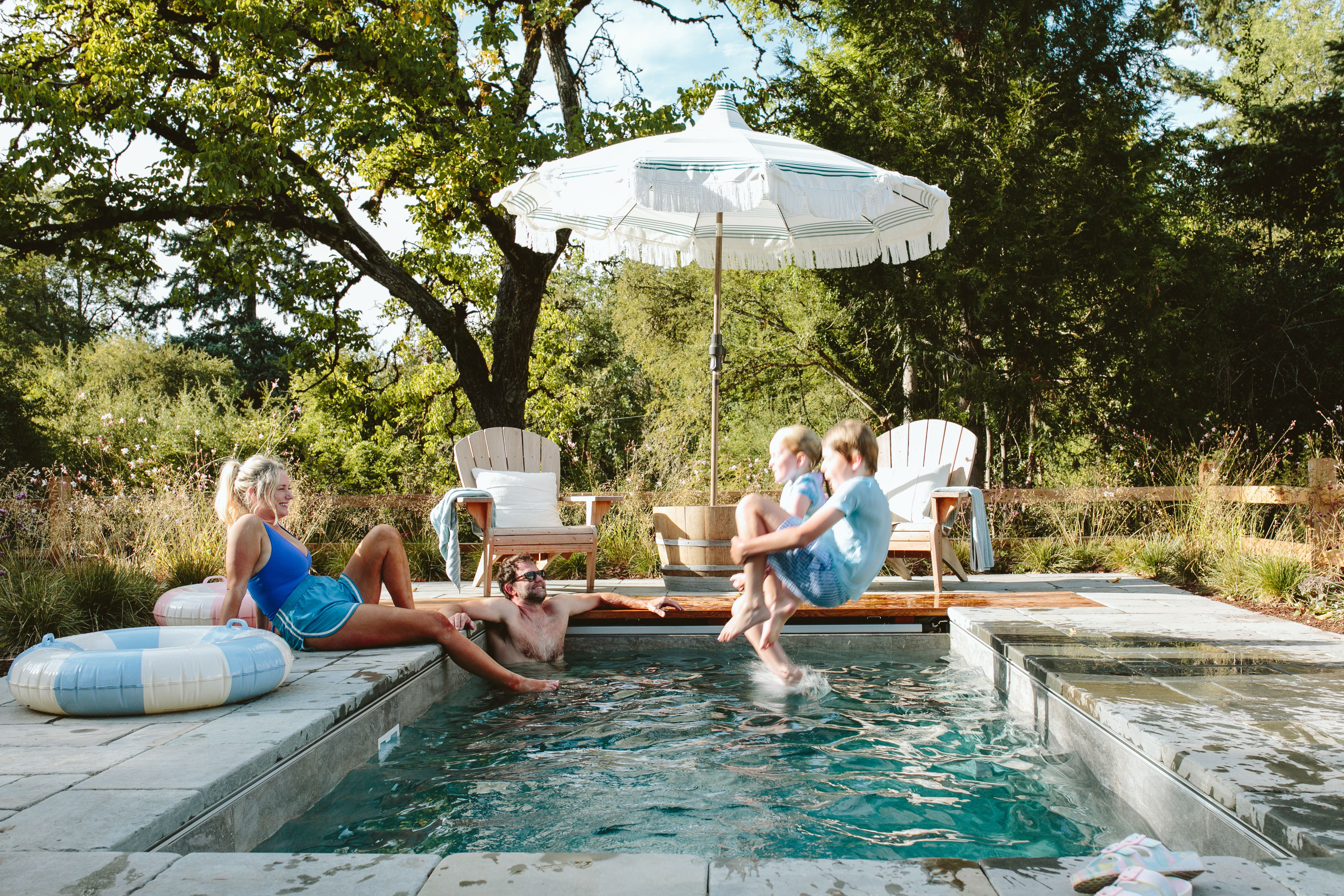
Umbrellas, canopy tents, covered patios, trees, and shade sails can all help. Place shade near seating, food, and the drink station. If shade is too far away from the action, guests may ignore it until they are crispy and regretful. Make shade comfortable with chairs, side tables, and maybe a fan if your setup allows.
For longer events, think about the sun’s movement. The perfect 1 p.m. shade spot may become a frying pan by 3 p.m. Set up flexible seating so people can move as needed. A few lightweight chairs can save the day when the sun starts acting personally offended.
Make Hydration Easy
Have more water than you think you need. A large drink dispenser, bottled water in coolers, or refillable pitchers can all work. Add lemon, cucumber, berries, or mint if you want water to look fancy enough for Instagram but still do its actual job. Sports drinks or electrolyte options can be useful for long, hot afternoons, especially when guests are active.
Set up sunscreen where guests can see it. Choose broad-spectrum, water-resistant sunscreen with SPF 30 or higher, and remind people to reapply after swimming, sweating, or towel drying. This is one of those host reminders that may feel boring in the moment but becomes deeply appreciated when nobody has to sleep like a starfish because their shoulders turned neon pink.
Step 5: Plan Entertainment Without Overpacking the Schedule
The best pool days have rhythm. They include enough entertainment to avoid boredom but not so much structure that guests feel trapped in a summer camp audition. Planners prepare options, then let the mood of the group guide the day.
Offer a Mix of Active and Chill Activities
Classic pool games like volleyball, floating ring toss, relay races, and diving toys can keep swimmers entertained. For guests who prefer staying dry, set out cards, yard games, magazines, or a shaded conversation area. Not everyone wants to spend four straight hours in the water. Some people attend pool days for the snacks, the breeze, and the noble art of sitting.
Music helps shape the atmosphere. Create a playlist that starts relaxed, gets upbeat during peak swim time, and mellows out later. Keep the volume neighbor-friendly. Your playlist should say “summer fun,” not “the entire subdivision has been invited whether they like it or not.”
Think Through Guest Comfort
Have extra towels, a bathroom route, sunscreen, bug repellent if needed, and a few dry seats available. If guests include kids, prepare a quiet break area where they can rest out of the sun. If older adults are coming, make sure there is stable seating with shade and easy access to drinks.
Also consider the temperature of surfaces. Pool decks, stone patios, and metal furniture can get hot enough to make bare feet question every life choice. Encourage sandals, add outdoor rugs where safe, or create shaded walkways when possible.
Step 6: Finish Strong With Cleanup, Wind-Down, and Guest Flow
Planners do not wait until the last guest leaves to think about cleanup. They build cleanup into the event from the beginning. This keeps the host from standing alone at sunset, holding a trash bag, wondering how six people created enough cups for a small music festival.
Make Trash and Recycling Obvious
Use clearly marked bins for trash and recycling. Put them near the food area and another near the pool exit. If guests can find the bins easily, they are more likely to use them. If they cannot, abandoned plates will begin appearing in mysterious locations, including places no plate should ever go.
Use unbreakable serving pieces around the pool. Avoid glass near water, even if it looks elegant. Acrylic, stainless steel, melamine, paper, or compostable options are better choices for outdoor pool hosting. They are lighter, safer, and less likely to create a barefoot disaster.
Create a Gentle Ending
As the pool day winds down, shift the mood. Lower the music, offer a final round of drinks or dessert, and gather wet towels. If guests need to change before leaving, make the bathroom or changing area easy to access. A basket for forgotten items is also useful because someone will leave sunglasses, a water bottle, or a child’s sandal that looks exactly like every other child’s sandal.
After guests leave, do a quick reset. Check the pool area, collect trash, store leftover food safely, close gates, and secure pool toys. The next morning, you will be grateful. Future You deserves kindness, especially before coffee.
Sample Timeline for a Smooth Summer Pool Day
Two Days Before
Confirm the guest list, check the weather, plan the menu, and make sure you have towels, sunscreen, ice, drinks, and pool supplies. If children are attending, decide how water supervision will work.
The Morning Of
Test the pool water, clean the deck, set up stations, chill drinks, prepare food in batches, and create shaded seating. Charge speakers and phones. Place trash and recycling bins where guests can see them.
Thirty Minutes Before Guests Arrive
Put out towels, sunscreen, cups, napkins, and light snacks. Start music at a low volume. Walk through the space like a guest and fix anything confusing. If you trip over something during this walkthrough, congratulations: you found tomorrow’s problem today.
Common Mistakes to Avoid When Hosting a Pool Day
The first mistake is assuming guests will bring everything they need. Some will. Some will arrive with nothing but sunglasses and confidence. Keep extra sunscreen, towels, water, and basic supplies on hand.
The second mistake is serving all the food at once. Summer heat is not gentle with creamy salads, sliced fruit, cheese, or cooked meats. Serve smaller portions, keep backups chilled, and refresh as needed.
The third mistake is ignoring non-swimmers. A pool day should be enjoyable for everyone, not only the people doing laps and splash battles. Comfortable shade, good food, music, and dry activities make the event feel inclusive.
The fourth mistake is forgetting the exit experience. Guests leaving with wet towels, dripping hair, and nowhere to change may remember the inconvenience more than the fun. Dry towels, a changing spot, and bags for wet clothes are small touches that feel surprisingly luxurious.
Extra Hosting Experiences: Real-Life Lessons From Summer Pool Days
After enough pool days, every host learns that the small things become the big things. The pool itself is the centerpiece, but the details around it decide whether guests feel relaxed or mildly stranded. One of the best hosting lessons is to prepare for what people forget. Someone will forget a towel. Someone will forget sunscreen. Someone will bring a phone with 3% battery and ask if there is a charger. A planner-style host does not panic; they simply points to the “help yourself” station and continues enjoying the day like a backyard genius.
A great experience is to build a “pool day survival basket.” Fill it with sunscreen, lip balm with SPF, hair ties, small bandages, hand wipes, bug spray, extra sunglasses, and a few plastic bags for wet swimsuits. This basket does not need to be fancy. In fact, a simple labeled bin works perfectly. Guests love it because it saves them from asking awkwardly, and hosts love it because they do not have to answer the same question fourteen times.
Another useful experience is to divide food into two categories: “out now” and “backup cold.” Instead of covering the table with everything at noon, keep extra fruit, drinks, dips, and desserts in the refrigerator or cooler. When the first round runs low, replace it with fresh portions. The table looks better, the food stays safer, and you avoid the sad sight of once-beautiful watermelon cubes slowly surrendering to the sun.
Hosts also learn that music should match the energy of the day. Start with breezy songs while guests arrive, switch to upbeat tracks during swimming, then slow things down near sunset. The playlist is like an invisible event coordinator. When the music gets calmer, people naturally begin drying off, chatting, and winding down. No announcement required. No tiny megaphone necessary.
One of the smartest comfort tricks is creating a dry lounge area that still feels connected to the pool. Put chairs in the shade, add a small table for drinks, and keep towels nearby. This gives non-swimmers, tired swimmers, parents, and snack-focused guests a place to belong. Without this zone, everyone either crowds the pool edge or disappears indoors. With it, the party feels more social and balanced.
Another lesson: ice disappears faster than expected. Always buy more ice than seems reasonable. Use one cooler for drinks and another for backup ice or food. When guests open the drink cooler repeatedly, the ice melts quickly. Separating supplies helps everything stay colder longer. It also prevents people from digging through hamburger patties to find sparkling water, which is not the glamorous summer memory anyone wants.
Finally, the best pool day hosts understand that perfection is not the goal. A towel may fall in the pool. A kid may drop a popsicle. A float may deflate with the dramatic sadness of a tiny poolside opera. That is fine. The real goal is a day where people feel safe, welcome, fed, cooled off, and free to laugh. When you plan the essentials ahead of time, you leave more room for the good stuff: conversation, sunshine, splashing, and the rare joy of seeing adults get weirdly competitive over a pool noodle race.
Conclusion
Hosting a summer pool day is not about creating a magazine-perfect scene where every lemon slice floats in formation. It is about designing a day that feels easy, safe, refreshing, and fun for the people you invited. The six essential steps planners never skip are simple but powerful: prepare the pool area, make safety natural, build a heat-smart food plan, protect guests from sun and dehydration, offer flexible entertainment, and finish with a cleanup-friendly flow.
When these pieces are in place, your pool day becomes more than a casual swim. It becomes the kind of summer memory people talk about later: the cold drinks, the perfect shade spot, the funny game, the snack table that never looked tired, and the host who somehow had everything ready without looking stressed. That is not luck. That is planning in sunglasses.