Note: This article is written for web publication as an inclusive, body-positive guide. The “quiz” below is for fun and self-expression, not a medical, fitness, or identity diagnosis.
Introduction: So, What Is a Gay Body Types Quiz?
A gay body types quiz sounds simple: answer a few questions, get a label, laugh, screenshot it, and possibly send it to the group chat with “I feel attacked.” But underneath the fun is a surprisingly big conversation about identity, community language, attraction, confidence, and the way gay culture has created its own colorful vocabulary for describing bodies.
Terms like bear, otter, twink, jock, cub, and wolf have circulated in LGBTQ+ spaces for years. Some people use them proudly. Some use them casually. Some roll their eyes and say, “Can I just be a person with shoulders and a coffee addiction?” Also valid.
The point of this guide is not to place anyone in a tiny labeled box. Bodies are not cereal brands. You do not need a mascot, a marketing slogan, or a dramatic reveal sound effect to be worthy of confidence. Instead, this article uses the idea of a gay body types quiz to explain common categories, help you understand where you might fit, and remind you that the best category is the one that makes you feel comfortable, respected, and fully yourself.
Why Gay Body Type Categories Exist
Gay body type labels developed partly as community shorthand. In social spaces, dating profiles, nightlife scenes, and online communities, people wanted quick ways to describe appearance, style, and vibe. Over time, those words became part of gay slang and queer culture.
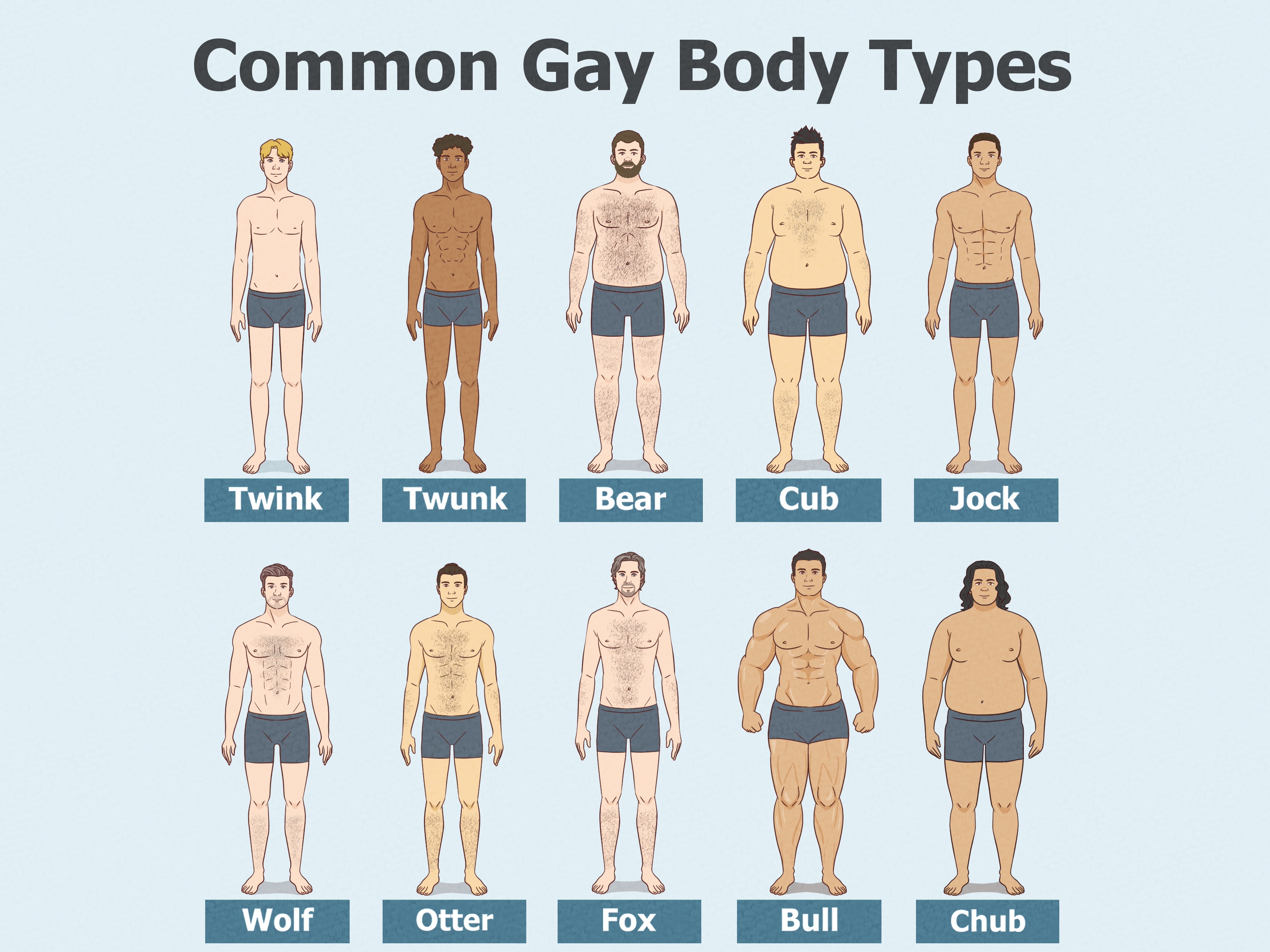
For example, the term bear often describes a larger, hairy, masculine-presenting gay or bisexual man. Otter usually refers to someone leaner and hairy. Twink is commonly used for someone youthful-looking, slim, and often less hairy. Jock points toward an athletic or gym-focused build. These are not strict scientific definitions. They are cultural labels, and like most cultural labels, they shift depending on who is using them.
That flexibility matters. One person’s “otter” may be another person’s “wolf.” One person’s “jock” may be another person’s “guy who owns three protein shakers and one emotional support hoodie.” The categories are playful, not permanent.
Before You Take the Quiz: A Healthy Reminder
Body type quizzes can be entertaining, but they can also accidentally poke at insecurities. Gay and bisexual men often face intense pressure around appearance, fitness, youth, masculinity, and desirability. Social media can make it worse by turning everyone’s highlight reel into a 24-hour comparison machine.
So here is the rule: use this quiz as a mirror, not a measuring stick. It should help you describe your look or vibe, not judge your worth. You do not have to change your body to match a category. The category should adjust to you, not the other way around.
Gay Body Types Quiz: What Category Are You?
Answer the questions below and keep track of which letter you choose most often. At the end, you will find your likely gay body type category. And yes, mixed results are normal. Human beings are wonderfully inconvenient that way.
1. How would you describe your overall build?
- A. Slim, light, or narrow-framed
- B. Lean with some body hair
- C. Bigger, broader, softer, or solid
- D. Athletic, muscular, or fitness-focused
- E. Rugged, mature, or naturally masculine-presenting
2. What is your relationship with body hair?
- A. Little to none, naturally or by choice
- B. Noticeable but not extremely thick
- C. Hairy and happy about it
- D. Groomed, trimmed, or styled around fitness aesthetics
- E. Beard, chest hair, or a rugged look is part of the vibe
3. Which outfit feels most “you”?
- A. Fitted tee, crop top, slim jeans, or playful streetwear
- B. Tank top, denim, casual shirt, and sneakers
- C. Flannel, relaxed tee, boots, hoodie, or anything cozy
- D. Gym shorts, athletic wear, fitted polo, or performance gear
- E. Dark denim, boots, leather jacket, henley, or classic rugged basics
4. How do people often describe your energy?
- A. Youthful, bright, expressive, or playful
- B. Chill, outdoorsy, low-key, or approachable
- C. Warm, cuddly, protective, or grounded
- D. Energetic, disciplined, sporty, or competitive
- E. Confident, mature, intense, or mysterious
5. Which description sounds closest to your personal style?
- A. Fresh, trendy, cute, and light
- B. Natural, casual, and slightly scruffy
- C. Comfortable, masculine, and welcoming
- D. Clean, athletic, and body-conscious
- E. Rugged, sharp, and self-assured
Your Results: Common Gay Body Type Categories
Mostly A: Twink
If you chose mostly A, your result may be twink. In gay slang, a twink is usually described as slim, youthful-looking, and often smooth or less hairy. Twink style can range from minimalist and fashionable to chaotic and glitter-powered. There is no official twink committee, thankfully, because the meetings would probably run late and everyone would have excellent hair.
Important note: “twink” can be used affectionately, but it can also carry stereotypes about age, race, masculinity, and body size. Use the label only if it feels good to you. You are not required to shrink yourself physically or emotionally to fit it.
Mostly B: Otter
If you chose mostly B, you may fall into the otter category. An otter is often lean or slim-to-average with noticeable body hair. Think relaxed, natural, and a little outdoorsy. Otters often have a casual charm: not overly polished, not trying too hard, but somehow still looking good while ordering iced coffee in a wrinkled shirt.
The otter label is popular because it sits between other categories. It can overlap with twink, wolf, or average body types depending on build, hair, and personal presentation.
Mostly C: Bear or Cub
If you chose mostly C, your result may be bear or cub. Bears are often larger-bodied, hairy, broad, soft, muscular, or some combination of those traits. The bear community has long celebrated body hair, bigger bodies, warmth, masculinity, and a sense of belonging outside narrow beauty standards.
A cub is often described as a younger, smaller, or softer version of a bear, though the meaning varies. Some cubs are hairy. Some are not. Some grow into the bear label over time. Others keep “cub” because it matches their personality. Again, this is community language, not a government-issued document.
Mostly D: Jock
If you chose mostly D, you may be a jock. In gay body type language, a jock usually refers to someone athletic, muscular, sporty, or fitness-oriented. This can include gym regulars, runners, swimmers, dancers, climbers, weekend basketball players, or anyone whose laundry basket contains more performance fabric than formalwear.
Being a jock does not mean you must have a perfect body. It also does not mean your value depends on visible abs, a certain weight, or a strict routine. A healthier definition focuses on movement, energy, strength, and confidence rather than appearance pressure.
Mostly E: Wolf
If you chose mostly E, your result may be wolf. A wolf is often described as lean-to-medium, hairy, rugged, mature, and confident. The wolf category can overlap with otter and bear, but it usually carries a sharper, more intense vibe. Think less “cuddly cabin weekend” and more “knows how to build the cabin, chop the wood, and mysteriously disappear before brunch.”
Wolf is as much about presence as body type. Style, facial hair, posture, and personality can all contribute to the category.
Other Gay Body Type Labels You May See
Twunk
Twunk blends twink and hunk. It often describes someone youthful-looking like a twink but more muscular or athletic. It is a hybrid category, proving once again that gay slang enjoys doing advanced math with vibes.
Chub
Chub generally refers to a bigger-bodied gay man, often with a softer or fuller build. Some people proudly identify with the term, especially in body-positive communities. Others may not like it. As always, personal preference matters.
Average or Guy Next Door
Not everyone fits a dramatic label, and that is perfectly fine. The average or guy next door category can describe someone with a regular, everyday build and approachable style. It may be the most underrated category because it does not scream for attention. It just shows up, looks good, and remembers to bring snacks.
Soft Masc
Soft masc is less about exact body type and more about energy. It blends masculine presentation with warmth, openness, and emotional ease. Someone can be soft masc at any size, shape, or fitness level.
Why You Might Get More Than One Result
Many people do not fit neatly into one gay body type category. You might be an otter-jock, a twunk, a bear with jock energy, a wolf with soft masc style, or a guy next door who becomes a full bear every winter because hoodies are powerful.
Your body also changes over time. Age, activity, stress, health, hormones, grooming, fashion, and lifestyle all affect how you look and how you identify. A label that worked at 22 may not fit at 32, 42, or 62. That is not a failure. That is life doing its thing.
How to Use Gay Body Type Labels Without Being Weird About It
Labels can be fun when they help people feel seen. They become harmful when they turn into ranking systems. The goal is not to decide which body type is “best.” There is no universal best. Attraction is diverse, personal, and often delightfully unpredictable.
Here are a few respectful ways to use gay body type language:
- Use labels for yourself only if they feel comfortable.
- Avoid assigning labels to others unless they use the term first.
- Do not use categories to insult, exclude, or pressure anyone.
- Remember that body type, gender expression, race, age, and disability can intersect in complex ways.
- Treat every body type as neutral, not better or worse.
Body Confidence Matters More Than the Category
A gay body types quiz can be fun, but confidence is not created by finding the perfect label. Confidence grows when you stop treating your body like a public debate. Your body is not a comment section. It does not need strangers voting on whether it is acceptable.
Body confidence can come from wearing clothes that fit well, moving in ways that feel good, surrounding yourself with supportive people, and unfollowing accounts that make you feel like a before photo. It can also come from body neutrality: the idea that you do not have to love every inch of yourself every second. Sometimes it is enough to respect your body for carrying you through the day.
How to Build a Style Around Your Body Type
If You Are a Twink or Twunk
Play with proportion. Slim builds can look great in cropped jackets, fitted shirts, relaxed trousers, and layered textures. If you want a bolder look, try statement colors, jewelry, or sneakers that say, “Yes, I planned this outfit, but not in a scary way.”
If You Are an Otter or Wolf
Lean into natural texture. Denim, henleys, boots, open shirts, simple tanks, and well-fitted jackets can highlight a rugged or relaxed look. Grooming does not have to mean removing body hair. Sometimes it simply means shaping what you already have.
If You Are a Bear, Cub, or Chub
Fit is your best friend. Clothes that skim the body without squeezing usually look polished and comfortable. Try structured overshirts, quality tees, dark denim, bomber jackets, and cozy layers. The goal is not to hide your body. The goal is to dress it like it deserves good lighting.
If You Are a Jock
Athletic builds can work well with fitted basics, clean lines, and sporty details. But do not trap yourself in gym clothes forever. A sharp jacket, relaxed knit, or casual button-down can balance athletic shape with everyday style.
What Your Quiz Result Says About Your Vibe
Your result may suggest more than body shape. It can hint at style, energy, grooming, and how you move through gay spaces. A bear result may suggest warmth and grounded confidence. A twink result may suggest playful, youthful expression. A jock result may suggest activity and discipline. An otter result may suggest casual charm. A wolf result may suggest rugged independence.
But remember: these are associations, not rules. A bear can be shy. A twink can be serious. A jock can be soft. An otter can be dramatic. A wolf can own tiny decorative candles. People contain multitudes, and sometimes those multitudes are wearing very different shoes.
Experience Section: Real-Life Reflections on Gay Body Types
For many people, the first experience with gay body type labels happens online. You see a profile that says “otter,” “bear,” “jock,” or “twink,” and suddenly it feels like you have wandered into a wildlife documentary hosted by someone with excellent eyebrows. At first, the labels can be confusing. Then they become funny. Then, for some people, they become personal.
One common experience is realizing that a label can feel validating. Someone who grew up feeling “too hairy” may discover the otter or bear community and think, “Wait, people like this?” Someone with a bigger body may find bear spaces where softness, size, and warmth are not treated as problems to solve. Someone slim or youthful-looking may enjoy the twink label because it matches their style and energy. In those moments, language can feel like a door opening.
Another experience is feeling boxed in. A person might be called a twink when they see themselves as more masculine, or a bear when they simply identify as a bigger guy who does not want a subculture attached to him. Someone athletic may be labeled a jock even if they are not competitive at all. This is where consent and self-definition matter. A label should be something you choose, not something people slap on you like a clearance sticker.
Body type labels can also affect confidence in social spaces. At a party, gym, bar, Pride event, or online community, people may compare themselves to what seems popular. A slim person may wish they were more muscular. A bigger person may wish they were smaller. A hairy person may wonder whether to shave. A less hairy person may wonder whether they look “masculine enough.” These thoughts are common, but they are not always kind. The healthiest response is to remember that gay culture is not one audience with one taste. It is a giant, glittery, complicated room full of different preferences.
Many people eventually learn that the most attractive thing is not fitting a category perfectly. It is being at ease with yourself. That ease may come from a better haircut, a shirt that finally fits, a gym routine that supports your mood, or simply spending time with people who do not treat bodies like competition entries. Confidence often grows quietly. It does not always arrive as a dramatic makeover. Sometimes it arrives when you stop apologizing for taking up space.
There is also joy in experimenting. You might try a new style and discover you feel more wolf than otter. You might grow a beard and accidentally unlock bear energy. You might start strength training and become a twunk by surprise. You might stop chasing any label at all and settle into “comfortable, cute, and emotionally available,” which, honestly, should be its own category.
The best experience with a gay body types quiz is not the result itself. It is the reminder that your body can be described without being judged. Whether you are a bear, otter, twink, jock, cub, wolf, chub, twunk, or none of the above, you deserve to feel welcome in your own skin. The label is optional. The self-respect is not.
Conclusion: Your Category Is a Starting Point, Not a Sentence
A gay body types quiz can be a fun way to explore common LGBTQ+ community language, but it should never become a strict identity test. These categories are flexible, playful, and personal. They can help you describe your look, connect with a community, or understand gay slang a little better. They should not be used to rank bodies or pressure anyone into changing.
If your result feels right, enjoy it. If it feels half-right, remix it. If it feels wrong, toss it into the emotional recycling bin and move on. Your body type is only one part of your story. Your humor, kindness, confidence, style, values, and personality matter just as muchprobably more, unless your personality is “argues with baristas,” in which case we need a separate quiz.
Whether you are a bear, otter, twink, jock, cub, wolf, chub, twunk, or beautifully unclassifiable, the real answer is this: your category should make you feel more seen, not less free.