Healthy snacks have a very important job: they must rescue you from the dramatic 3 p.m. stomach growl without sending your energy into a sugar-powered rocket launch followed by a crash landing on the couch. The best healthy snack ideas are simple, satisfying, and realistic enough for real lifethe kind of life where the fridge contains one mysterious lemon, the calendar is rude, and the vending machine is whispering your name.
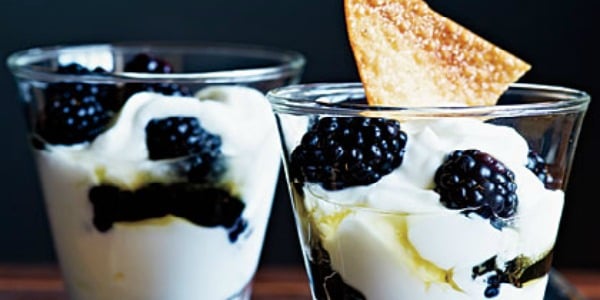
The good news is that smart snacking does not require a culinary degree, a bamboo lunchbox, or a personality built around chia seeds. A balanced snack usually combines at least two of these: protein, fiber-rich carbohydrates, and healthy fats. Think Greek yogurt with berries, hummus with vegetables, apple slices with peanut butter, or whole-grain crackers with tuna. These combinations help you feel fuller longer, support steady energy, and make it easier to choose nourishing foods throughout the day.
Below are 25 healthy snack ideas for work, school, road trips, late afternoons, post-workout hunger, and those evenings when dinner is still “in progress,” which is a polite way of saying nobody has started cooking yet.
What Makes a Snack Healthy?
A healthy snack is not just “low-calorie.” It should offer useful nutrition. That means vitamins, minerals, fiber, protein, healthy fats, or slow-digesting carbohydrates. Fruit, vegetables, whole grains, beans, nuts, seeds, eggs, low-fat dairy, and lean proteins are all excellent building blocks.
Portion size still matters. Nuts are nutritious, but eating them straight from the bag can turn “a handful” into “I accidentally ate a squirrel’s winter supply.” For most people, a snack between 150 and 250 calories works well, depending on activity level, meal timing, and personal health goals.
25 Healthy Snack Ideas for Everyday Energy
1. Greek Yogurt with Berries and Chia Seeds
Plain Greek yogurt brings protein, berries add fiber and natural sweetness, and chia seeds provide a pleasant little crunch plus healthy fats. Choose unsweetened yogurt and let the fruit do the sweet talking.
2. Apple Slices with Peanut Butter
This classic snack works because it balances crisp, juicy carbohydrates with protein and fat from peanut butter. Sprinkle cinnamon on top if you want it to taste like apple pie’s responsible cousin.
3. Hummus with Carrot and Bell Pepper Sticks
Hummus, made from chickpeas, offers plant-based protein and fiber. Pair it with crunchy vegetables for color, hydration, and that satisfying “I am eating something substantial” feeling.
4. Cottage Cheese with Pineapple
Cottage cheese is rich in protein, while pineapple adds sweetness and brightness. This snack is especially useful when you want something creamy but not dessert-level heavy.
5. Hard-Boiled Eggs with Whole-Grain Crackers
Hard-boiled eggs are portable, affordable, and packed with protein. Add whole-grain crackers for fiber and crunch. A pinch of pepper or paprika makes it feel less like emergency food and more like a plan.
6. Trail Mix with Nuts, Seeds, and Unsweetened Dried Fruit
Make your own trail mix with almonds, walnuts, pumpkin seeds, and a small amount of unsweetened dried fruit. Keep portions small because trail mix is deliciously dense and has no brakes.
7. Avocado Toast on Whole-Grain Bread
Half an avocado mashed onto whole-grain toast gives you fiber and healthy fats. Add tomato slices, chili flakes, or a boiled egg if you want a snack that thinks it is brunch.
8. Air-Popped Popcorn
Popcorn is a whole grain and can be a smart snack when it is not drowned in butter or salt. Try seasoning it with garlic powder, nutritional yeast, cinnamon, or a tiny drizzle of olive oil.
9. Tuna Salad Cucumber Boats
Mix tuna with Greek yogurt, lemon juice, and black pepper, then spoon it into cucumber halves. It is crisp, protein-rich, and much more exciting than eating tuna from the can like a shipwreck survivor.
10. Banana with Almond Butter
A banana gives quick carbohydrates and potassium, while almond butter adds healthy fat and protein. This is a good pre-workout or afternoon snack when your brain starts buffering.
11. Roasted Chickpeas
Roasted chickpeas are crunchy, fiber-rich, and easy to season. Try paprika, cumin, garlic, or rosemary. They satisfy the chip craving without turning snack time into a salt festival.
12. Edamame with a Pinch of Sea Salt
Edamame is a plant-based protein snack that also delivers fiber. Buy frozen shelled edamame, steam it in minutes, and season lightly. It is fast, filling, and pleasantly snackable.
13. Smoothie with Spinach, Berries, and Protein
A healthy smoothie should be more than fruit juice in disguise. Blend spinach, berries, plain Greek yogurt or protein powder, and unsweetened milk. Add flaxseed for extra staying power.
14. Whole-Grain Crackers with Low-Fat Cheese
This snack offers carbohydrates, protein, calcium, and crunch. Choose whole-grain crackers with a short ingredient list and cheese portions that look like a snack, not a cheese board for six.
15. Celery Sticks with Peanut Butter and Raisins
Yes, “ants on a log” still works for adults. Celery adds crunch, peanut butter adds protein and fat, and raisins add sweetness. Childhood snacks occasionally deserve a promotion.
16. Turkey and Lettuce Roll-Ups
Roll sliced turkey in romaine lettuce with tomato, mustard, or avocado. This high-protein snack is quick, low in refined carbs, and ideal when you want something savory.
17. Oatmeal with Walnuts and Blueberries
Oatmeal is not just breakfast. A small bowl of oats with walnuts and blueberries makes a warm, fiber-rich snack that feels cozy without requiring a blanket and a fireplace.
18. Veggie “Charcuterie” Plate
Arrange cherry tomatoes, cucumbers, carrots, snap peas, hummus, olives, and a few whole-grain crackers. Calling it charcuterie makes raw vegetables feel glamorous, and frankly, they deserve it.
19. Rice Cake with Avocado and Egg
Top a whole-grain rice cake with mashed avocado and sliced boiled egg. You get crunch, creaminess, protein, and healthy fat in a snack that takes about three minutes.
20. Black Bean Salsa with Baked Tortilla Chips
Combine black beans, corn, tomato, cilantro, lime, and a little onion. Scoop with baked tortilla chips or bell pepper strips. Beans add fiber and plant protein, making this snack surprisingly filling.
21. Apple “Nachos”
Slice an apple thinly and drizzle with peanut butter or yogurt. Add chopped nuts, cinnamon, or a few dark chocolate chips. It tastes fun without becoming a candy bar wearing a fruit costume.
22. Mini Caprese Skewers
Thread cherry tomatoes, mozzarella pearls, and basil on toothpicks. Add a tiny drizzle of balsamic vinegar. This snack is fresh, colorful, and fancy enough to make your lunchbox feel underdressed.
23. Whole-Grain Toast with Ricotta and Strawberries
Spread ricotta on whole-grain toast and top with sliced strawberries. Add a little cracked pepper or lemon zest. It is sweet, creamy, and elegant without requiring pastry-shop drama.
24. Soup in a Mug
A small mug of vegetable, lentil, or chicken soup can be a smart snack, especially in colder months. Look for lower-sodium options and ingredients you recognize without needing a chemistry degree.
25. Frozen Grapes or Banana Bites
Frozen fruit is refreshing and naturally sweet. Freeze grapes, banana slices, or berries. For a richer treat, dip banana slices in Greek yogurt before freezing. It is dessert-adjacent, but still snack-smart.
Healthy Snack Ideas by Goal
For Weight Management
Choose snacks with volume and fiber: vegetables with hummus, fruit with nuts, air-popped popcorn, bean salsa, or soup. These options can help you feel satisfied without relying on oversized portions.
For Better Energy at Work
Go for protein plus slow-digesting carbohydrates: Greek yogurt with berries, whole-grain crackers with cheese, apple with peanut butter, or oatmeal with nuts. These snacks are less likely to cause the “sugar crash and stare at spreadsheet” experience.
For Kids and Teens
Keep it simple and colorful. Try cheese with whole-grain crackers, fruit kabobs, yogurt parfaits, popcorn, mini sandwiches, or vegetables with dip. Snacks should be easy to grab, easy to eat, and not require a motivational speech.
For Post-Workout Hunger
After exercise, combine carbohydrates and protein. Good options include a smoothie with yogurt, banana with nut butter, cottage cheese with fruit, edamame, or turkey roll-ups with whole-grain crackers.
How to Build a Better Snack Plate
Use this simple formula: start with a fiber-rich food, add protein, and include a little healthy fat when needed. For example, pair carrots with hummus, whole-grain toast with avocado and egg, or berries with yogurt and nuts.
Also, prepare snacks before hunger becomes a tiny emergency. Wash fruit, cut vegetables, portion nuts, boil eggs, or pack hummus cups at the beginning of the week. A healthy snack you can actually reach is better than a perfect snack that exists only in your imagination.
Common Snack Mistakes to Avoid
Choosing “Health Halo” Foods Without Reading Labels
Granola bars, flavored yogurts, veggie chips, and protein cookies can be helpful, but some are high in added sugar, sodium, or saturated fat. Read the Nutrition Facts label and compare options.
Skipping Protein
A plain rice cake or a handful of crackers may taste fine, but it often will not keep hunger away for long. Add peanut butter, cheese, hummus, tuna, yogurt, beans, or eggs for more staying power.
Forgetting Drinks Count
Sweetened coffee drinks, sodas, energy drinks, and juices can add a lot of sugar without much fullness. Water, sparkling water, unsweetened tea, or milk are better everyday choices.
Real-Life Experience: How These 25 Healthy Snack Ideas Actually Work
The biggest lesson from trying to eat healthier snacks is this: convenience wins. Not willpower. Not a perfect meal plan printed in pastel colors. Convenience. If a bowl of washed grapes is in the fridge at eye level, grapes suddenly become a personality trait. If carrots are already cut and sitting beside hummus, you are far more likely to eat them than if the carrots are still hiding in the produce drawer like orange pencils.
One helpful habit is creating “snack stations.” At home, that can mean a small fridge bin with yogurt, boiled eggs, cheese sticks, berries, and cut vegetables. In the pantry, it can mean portioned bags of nuts, air-popped popcorn, whole-grain crackers, and roasted chickpeas. At work, it can be a drawer with shelf-stable options such as tuna packets, nut butter, oatmeal cups, trail mix, and roasted edamame. This reduces decision fatigue. When hunger shows up, you do not have to negotiate with yourself like a courtroom drama.
Another experience worth noting is that healthy snacks feel more satisfying when they include contrast. Crunch plus creaminess is powerful: apples with peanut butter, cucumbers with Greek yogurt dip, crackers with cheese, or peppers with hummus. Sweet plus savory also works well: cottage cheese with pineapple, strawberries with ricotta, or trail mix with nuts and dried fruit. Texture matters because eating should be enjoyable, not just nutritionally impressive.
Meal timing also changes snack success. A small snack between lunch and dinner can prevent the classic “open the fridge and eat ingredients” situation at 6 p.m. A planned snack is especially useful on busy days, after workouts, or when dinner will be late. People often blame themselves for overeating at night, but sometimes the real issue is that lunch was too light and the afternoon snack was a lonely mint found in a desk drawer.
It also helps to keep snacks realistic. If you hate celery, do not build your wellness identity around celery. Choose vegetables you actually like. If plain Greek yogurt tastes too tart, add berries, cinnamon, or a small drizzle of honey. If you crave chips, try popcorn, roasted chickpeas, or baked tortilla chips with bean salsa. Healthy snacking works best when it respects your preferences instead of pretending you are a different person with suspicious enthusiasm for raw broccoli.
Finally, remember that snacks are not moral tests. Some days you will eat hummus and vegetables. Some days you will eat cookies at a meeting because the cookies were there and so were you. The goal is not perfection; it is building a pattern where nourishing choices are easy, enjoyable, and common. When your everyday snacks include more fruit, vegetables, whole grains, protein, nuts, seeds, and beans, you are doing something genuinely useful for your bodywithout making snack time boring enough to need a support group.
Conclusion
Healthy snack ideas do not need to be complicated, expensive, or flavorless. The best options combine practical ingredients with satisfying nutrition: fiber for fullness, protein for staying power, and healthy fats for balance. Whether you choose Greek yogurt with berries, hummus with vegetables, roasted chickpeas, avocado toast, or apple slices with peanut butter, the goal is to snack in a way that supports your energy instead of sabotaging it.
Start with two or three snack ideas that fit your routine. Prep them ahead, keep them visible, and rotate flavors so boredom does not invite the chips to move back in permanently. Healthy snacking is not about being perfect. It is about being prepared, well-fed, and slightly less likely to argue with a vending machine.
Note: This article is for general educational purposes. People with diabetes, kidney disease, food allergies, eating disorders, pregnancy-related nutrition needs, or other medical conditions should follow personalized guidance from a qualified healthcare professional.