Black beans and pinto beans are both pantry MVPs: affordable, filling, versatile, and far more exciting than the sad little can gathering dust behind your cereal boxes. They may look like distant cousins at a family reunion, but their flavor, texture, and best uses can be surprisingly different.
So, which bean deserves the starring role in your next burrito bowl, chili pot, taco night, or meal-prep lunch? The honest answer is that both black beans and pinto beans are excellent choices. The better option depends less on a dramatic nutrition showdown and more on what you are cooking, the texture you enjoy, and the nutrients you want to emphasize.
Below, we break down black beans vs. pinto beans for nutrition, taste, cooking performance, health benefits, and real-life kitchen usefulness. Consider this your friendly bean briefing, minus the boring lecture and plus a few delicious ideas.
Black Beans vs. Pinto Beans: The Fast Answer
- Choose black beans for a firmer texture, earthier flavor, dark color, and dishes such as salads, soups, grain bowls, tacos, and Latin-inspired meals.
- Choose pinto beans for a creamier texture and a mild, nutty taste that works beautifully in burritos, chili, refried beans, dips, and comfort-food recipes.
- For nutrition, it is nearly a tie. Both provide plant protein, fiber, iron, folate, potassium, magnesium, and complex carbohydrates.
- For the best diet variety, rotate both. Your taste buds avoid boredom, and your meals get more color, texture, and nutrient diversity.
Nutrition Comparison: Black Beans vs. Pinto Beans
From a nutrition perspective, black beans and pinto beans are close enough to be considered teammates rather than rivals. A half-cup serving of cooked beans is modest in calories but delivers a powerful mix of fiber, protein, minerals, and slow-digesting carbohydrates.
| Nutrient per 1/2 Cup Cooked, No Salt Added | Black Beans | Pinto Beans |
|---|---|---|
| Calories | About 114 | About 122 |
| Protein | About 7.6 g | About 7.7 g |
| Fiber | About 7.5 g | About 7.7 g |
| Carbohydrates | About 20.4 g | About 22.4 g |
| Iron | About 1.8 mg | About 1.8 mg |
| Folate | About 128 mcg DFE | About 147 mcg DFE |
| Potassium | About 305 mg | About 373 mg |
| Magnesium | About 60 mg | About 43 mg |
The biggest takeaway is simple: both are high-fiber foods. A half-cup serving supplies roughly one-quarter of the daily fiber value used on many nutrition labels. That is impressive for something that can cost less than a fancy coffee and does not require an emotional support appliance to prepare.
Calories and Carbohydrates
Black beans are slightly lower in calories and carbohydrates, while pinto beans are just a little higher. In practical terms, the difference is tiny. You would be hard-pressed to notice it unless you are measuring every spoonful with the intensity of a laboratory technician.
Both beans contain complex carbohydrates, meaning they digest more gradually than refined carbohydrates such as white bread, sugary cereal, or a giant frosted pastry pretending to be breakfast. When paired with vegetables, lean protein, whole grains, or healthy fats, beans can help create a more balanced and satisfying meal.
Protein and Fiber
Pinto beans have a microscopic edge in protein and fiber, but black beans are practically tied. Both provide around 7 to 8 grams of plant protein per half-cup serving. That makes them useful for vegetarian meals, meatless Mondays, budget-friendly meal prep, and anyone who wants a more filling lunch without relying entirely on processed snack bars.
Fiber is where these beans really shine. Dietary fiber supports regular digestion and can help meals feel more satisfying. However, suddenly going from “almost no beans” to “three cups of beans before noon” may produce some musical side effects. Increase portions gradually and drink enough water, especially if your usual diet is low in fiber.
Folate, Potassium, Iron, and Magnesium
Pinto beans offer a little more folate and potassium, while black beans provide more magnesium. Both contain iron, though it is nonheme iron, the plant-based form that the body does not absorb as easily as iron from animal foods.
A smart trick is to serve beans with vitamin C-rich ingredients. Think tomatoes, salsa, bell peppers, lime juice, oranges, strawberries, or broccoli. A black bean bowl topped with pico de gallo and lime is not only delicious; it is also a very practical pairing. Nutrition does not always need a spreadsheet. Sometimes it just needs salsa.
Flavor and Texture: Where the Beans Really Separate
Nutrition may be close, but taste and texture are where black beans and pinto beans reveal their personalities.
What Do Black Beans Taste Like?
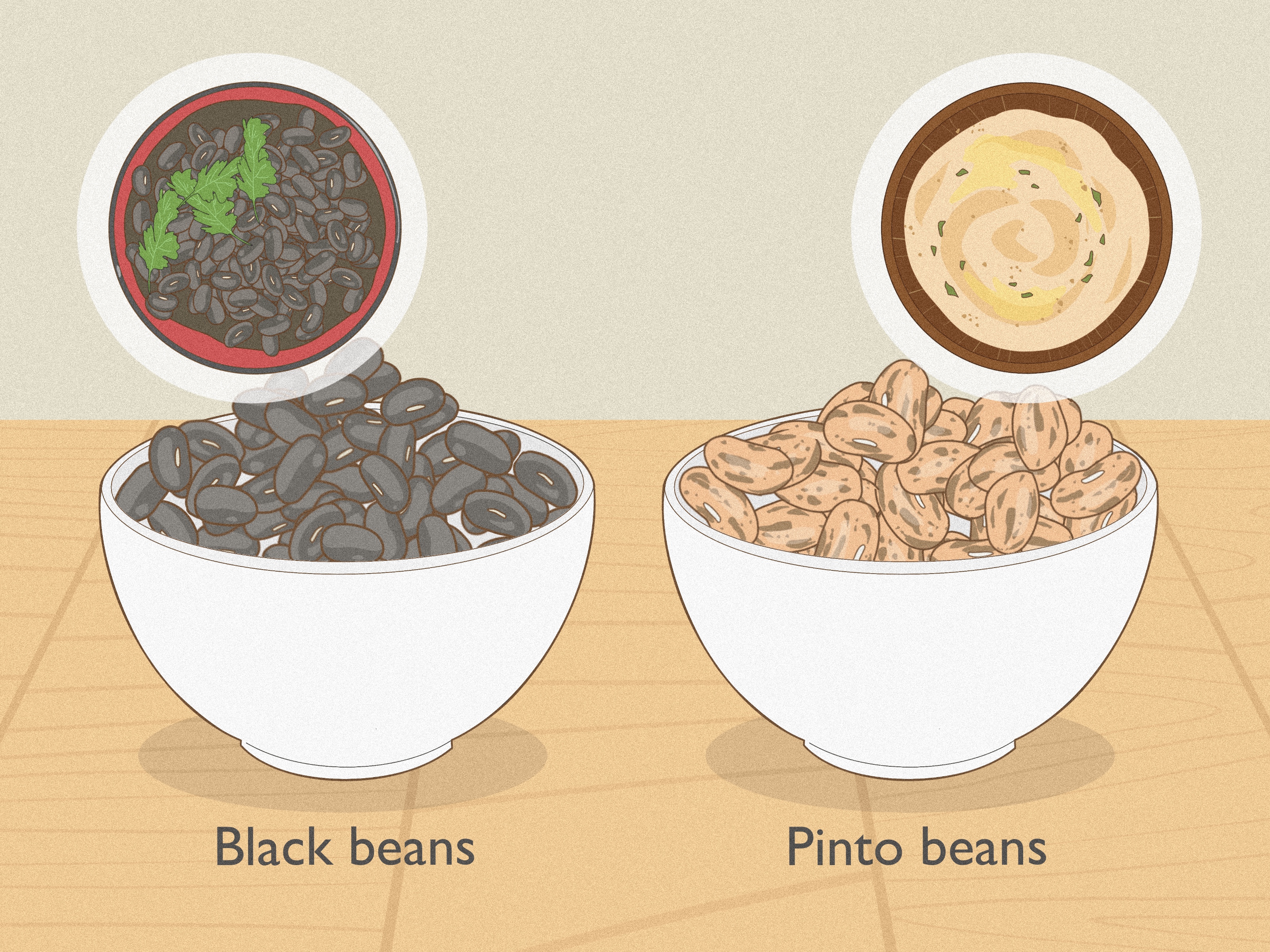
Black beans have a mildly sweet, earthy flavor with a slightly denser texture. They tend to hold their shape well after cooking, especially when they are not overcooked. Their deep color makes them visually striking in salads, soups, rice bowls, tacos, and layered dishes.
Black beans are particularly good when you want a dish to feel hearty but not mushy. They pair well with cumin, garlic, onion, smoked paprika, cilantro, corn, tomatoes, avocado, lime, and roasted sweet potatoes. They also work beautifully in black bean soup, vegetarian chili, quesadillas, and grain bowls.
What Do Pinto Beans Taste Like?
Pinto beans are milder, nuttier, and creamier than black beans. When cooked until tender, they develop a soft, almost buttery texture that makes them ideal for mashing. This is why pinto beans are the classic choice for refried beans, bean dips, burritos, and many comforting Southwestern-style dishes.
Pintos are excellent at soaking up seasonings. Add sautéed onion, garlic, chili powder, cumin, broth, and a little olive oil, and they transform from humble pantry beans into something that tastes suspiciously like you worked much harder than you actually did.
Which Bean Is Better for Different Recipes?
Neither bean is universally better. Think of them as different tools in the same very delicious toolbox.
| Dish or Cooking Goal | Best Choice | Why It Works |
|---|---|---|
| Taco bowls and salads | Black beans | They hold their shape and add contrast. |
| Refried beans and creamy dips | Pinto beans | They mash into a smooth, velvety texture. |
| Vegetarian chili | Either or both | Black beans stay firm; pintos add creaminess. |
| Burritos and quesadillas | Pinto beans | They blend easily with cheese, rice, and sauces. |
| Soups and stews | Black beans | They maintain texture in longer-cooking dishes. |
| Meal-prep grain bowls | Black beans | They stay appealing after refrigeration. |
One of the best tricks is to combine them. A chili made with black beans and pinto beans gives you a more interesting texture: black beans remain pleasantly firm while pintos soften and thicken the sauce. It is the bean equivalent of having both crispy and creamy peanut butter in the same house. Why choose?
Health Benefits of Black Beans and Pinto Beans
Both black beans and pinto beans fit comfortably into many balanced eating patterns. They are naturally low in saturated fat, contain no dietary cholesterol, and provide nutrients that are often underconsumed in typical American diets.
They Support a Heart-Friendly Eating Pattern
Beans are a useful replacement for some higher-saturated-fat protein choices. Swapping part of the meat in tacos, chili, soups, casseroles, or pasta sauces for beans can add fiber while reducing the amount of saturated fat in the meal.
This does not mean black beans are magical little health grenades that instantly cancel out a double bacon cheeseburger. It means that regularly including legumes as part of an overall balanced diet can be a smart, realistic habit.
They May Help You Stay Full Longer
The combination of fiber, protein, and complex carbohydrates makes beans especially satisfying. A meal with beans often feels more substantial than a meal built around refined grains alone. For example, a bowl of rice with salsa may be tasty, but rice with black beans, vegetables, avocado, and grilled chicken is more likely to carry you through the afternoon without a desperate raid on the office vending machine.
They Support Digestive Health
The fiber in beans helps support regular bowel movements and feeds beneficial gut bacteria. Still, some people are sensitive to legumes, especially those with irritable bowel syndrome or other digestive concerns. Portion size matters. Starting with a quarter-cup serving and increasing gradually can be easier on the stomach than launching directly into a giant bean-heavy feast.
They Can Be Smart for Blood Sugar-Aware Meals
Because beans contain fiber and complex carbohydrates, they can be useful in meals designed to avoid rapid blood sugar swings. That does not mean everyone should eat unlimited amounts of beans without considering the rest of the plate. Pair them with vegetables, protein, and healthy fats for a more balanced meal.
They Work for Many Budgets
Dry beans are among the least expensive sources of plant protein, while canned beans offer convenience. Both options can fit into a healthy eating pattern. The best bean is often the one you will actually cook and eat instead of leaving in the pantry until it becomes a historical artifact.
Canned vs. Dry Beans: Does It Matter?
Both canned and dry black beans or pinto beans can be nutritious. The main difference is convenience, sodium, and cooking time.
Canned beans are ready quickly and perfect for busy weeknights. Look for no-salt-added, reduced-sodium, or low-sodium options when possible. Draining and rinsing canned beans can reduce some of the sodium, which is especially helpful when you are using regular canned varieties.
Dry beans are usually cheaper per serving and give you full control over salt and seasoning. Soak and cook them according to package directions, then freeze extra portions in meal-sized containers. Future-you will feel extremely organized, even if present-you is eating leftover beans in sweatpants.
Common Mistakes When Cooking Black or Pinto Beans
- Skipping the rinse: Canned beans can taste cleaner and less salty after draining and rinsing.
- Adding too much salt early: Start light, then adjust after the beans absorb seasonings.
- Overcooking black beans: They can lose their firmer texture if simmered too aggressively.
- Expecting instant digestive comfort: Increase bean portions gradually if your body is not used to high-fiber foods.
- Using bland seasoning: Beans love garlic, onion, cumin, smoked paprika, lime, herbs, tomatoes, and chili peppers.
Practical Kitchen Experiences: Living With Both Beans for a Week
The easiest way to understand the difference between black beans and pinto beans is not by staring at nutrition tables until your eyes cross. It is by using both in everyday meals and noticing what happens.
Imagine starting the week with two simple cans: one black bean and one pinto bean. On Monday, the black beans go into a taco bowl with brown rice, roasted corn, chopped tomatoes, avocado, lime juice, and a spoonful of salsa. The beans stay intact, giving the bowl some texture and bite. They do not disappear into the rice or turn into a soft mystery layer. Every forkful looks colorful and feels satisfying.
On Tuesday, the pinto beans get a different assignment. Warm them in a skillet with olive oil, onion, garlic, cumin, a splash of broth, and a squeeze of lime. Mash them gently with the back of a spoon. Suddenly, they become creamy enough to spread inside tortillas or pile onto a tostada. No fancy restaurant technique required. Pinto beans simply have that naturally soft, comforting quality.
By Wednesday, the best answer may be to stop pretending you have to choose. Add both beans to a pot of chili with tomatoes, peppers, onions, corn, and spices. The black beans hold their shape while the pinto beans soften and help create a thicker, richer texture. The result tastes layered, hearty, and far more interesting than using only one type.
Later in the week, black beans shine in cold meals. Toss them with diced bell peppers, corn, cilantro, lime juice, and a little olive oil for a quick bean salad. They stay attractive after chilling and do not turn mushy by lunchtime. That makes them excellent for meal-prep containers, picnic sides, and desk lunches that need more personality than another sad turkey sandwich.
Pinto beans, meanwhile, are the quiet heroes of comfort food. They work in breakfast burritos, cheesy quesadillas, bean-and-rice bowls, slow-simmered soups, and creamy dips. Their mild flavor makes them easy to season in different directions. Add cumin and chili powder for a Southwestern mood, rosemary and garlic for a rustic soup, or smoked paprika for a deeper flavor that feels like it took all day.
The biggest real-world lesson is that black beans and pinto beans are not competitors. They solve different kitchen problems. Black beans bring structure, color, and an earthy bite. Pinto beans bring softness, creaminess, and comfort. Stock both, use both, and let the recipe decide. Your meals become more varied, your grocery budget stays friendly, and your pantry suddenly looks like it has its life together.
Note: Nutrition values are approximate and can vary by brand, cooking method, serving size, and whether salt or other ingredients are added. People managing kidney disease, digestive disorders, diabetes, or medically prescribed diets should personalize portions with a qualified health professional.