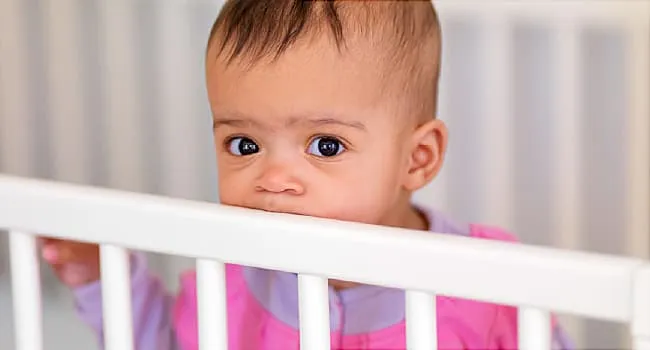
Few parenting moments turn a normal Tuesday into a tiny courtroom drama faster than hearing, “Your child bit someone today.” Suddenly, you are part parent, part detective, part public relations manager, and part emotional support raccoon. Take a breath. Biting is upsetting, yes, but it is also a common behavior in babies, toddlers, and some preschoolers. Most children are not plotting like miniature villains. They are usually communicating with the tools they have, and unfortunately, sometimes that tool is teeth.
The good news is that parents can stop children from biting with calm, consistent, developmentally appropriate strategies. The goal is not to shame the child, scare them, or launch a 45-minute lecture about dental ethics. The goal is to understand why biting is happening, respond immediately, teach a better replacement behavior, and create an environment where biting becomes unnecessary.
This guide explains why children bite, what to do in the moment, how to prevent repeat biting, what not to do, how to work with daycare or preschool, and when to seek professional help. It is written for real parents living in real homes, where someone is always missing a shoe and the snack cup is somehow under the couch.
Why Do Children Bite?
Children bite for different reasons depending on age, development, environment, and emotional state. A baby may bite because they are teething or exploring the world with their mouth. A toddler may bite because another child grabbed their toy, stood too close, or committed the unforgivable crime of breathing near their crackers. A preschooler may bite when overwhelmed, angry, excited, tired, or unable to express feelings with words.
Understanding the reason behind biting matters because the solution depends on the cause. A teething baby needs something safe to chew. A frustrated toddler needs language and emotional coaching. A child who bites during crowded play needs more supervision, space, and help taking turns. When parents treat all biting the same way, they may miss the real trigger.
Common Reasons Children Bite
Teething or oral discomfort: Babies and young toddlers may bite because pressure on the gums feels good. They are not trying to hurt anyone; they are trying to survive the tiny tooth construction project happening in their mouth.
Exploration: Young children learn through their senses. Before they fully understand cause and effect, they may bite to see what happens. Spoiler: what happens is usually screaming.
Limited language skills: Toddlers often know what they want before they know how to say it. “Please stop touching my truck” may come out as a bite when vocabulary, impulse control, and patience are still under construction.
Big emotions: Anger, excitement, fear, jealousy, and frustration can all lead to biting. Some children bite when upset; others bite when they are overstimulated or wildly happy.
Attention seeking: If biting produces a huge adult reaction, some children learn that teeth are a fast way to become the star of the room. This does not mean they are “bad.” It means the reaction became interesting.
Overcrowding or competition: Biting often happens in daycare, playgroups, or sibling situations where children are close together, sharing toys, waiting turns, or navigating social pressure.
Fatigue, hunger, or stress: A tired toddler has the emotional regulation skills of a wet paper bag. Missed naps, late meals, changes at home, travel, illness, or a new sibling can increase biting.
What To Do Immediately When a Child Bites
The first response should be calm, quick, and clear. This is not the moment for a speech, a debate, or a dramatic gasp heard by three zip codes. Children learn best when the adult response is steady and predictable.
Step 1: Separate the Children
Move the child who bit away from the child who was bitten. Use a calm body and a firm voice. Separation prevents another bite and gives everyone a chance to reset.
Step 2: Help the Child Who Was Bitten First
Comfort the child who was bitten. Check the skin. Wash the area with soap and water. If the bite breaks the skin, is deep, becomes red or swollen, or you are worried about infection, contact a healthcare professional. Giving attention first to the injured child also sends a clear message: biting does not earn extra attention.
Step 3: Use a Short Safety Phrase
Say something simple such as, “No biting. Biting hurts.” Keep your voice firm but not angry. Long explanations usually float right past a dysregulated toddler like a TED Talk delivered to a goldfish.
Step 4: Name the Feeling and Teach the Replacement
After the child is calmer, connect the behavior to a better option: “You were mad because Liam took the truck. Say, ‘My turn,’ or come get help.” This teaches the child what to do next time instead of only what not to do.
What Not To Do When Children Bite
Parents often react strongly because biting feels personal, embarrassing, and alarming. Still, some common reactions make biting worse or teach the wrong lesson.
Do Not Bite Back
Biting a child back is harmful and confusing. It teaches that bigger people can use pain to solve problems. It also does not build empathy. A child does not need to be hurt to learn that biting hurts; they need calm teaching, repetition, and better skills.
Do Not Shame or Label the Child
Avoid calling a child “a biter,” “mean,” “bad,” or “dangerous.” Labels can stick in a child’s mind and in adults’ expectations. Say, “Biting is not okay,” rather than “You are bad.” The behavior needs correction; the child needs guidance.
Do Not Overreact
Yelling, dramatic facial expressions, and big emotional reactions can accidentally reward the behavior with attention. Calm does not mean permissive. Calm means you are the adult steering the boat, even if the boat currently contains crackers, tears, and tiny teeth.
Do Not Force an Apology Too Soon
A child who is still overwhelmed may not understand a forced “sorry.” Instead, help them repair when calm: bring a tissue, offer a toy, draw a picture, or say, “Are you okay?” Repair teaches empathy better than a robotic apology.
How To Prevent Biting Before It Happens
The best way to stop children from biting is to reduce the situations that make biting likely. Prevention is not about hovering forever. It is about noticing patterns and setting children up for success.
Track the Pattern
For several days, write down when biting happens. Note the time, location, people involved, activity, hunger level, nap status, and what happened right before the bite. Patterns often appear quickly. Maybe biting happens before lunch, during toy conflicts, at daycare pickup, or when the room gets loud.
Once you know the pattern, you can intervene earlier. A child who bites when hungry may need a snack before playgroup. A child who bites when crowded may need more personal space. A child who bites during transitions may need warnings and a predictable routine.
Teach Useful Words Before They Are Needed
Children need simple phrases they can use in stressful moments. Practice when everyone is calm. Try short scripts such as:
- “Stop.”
- “My turn.”
- “Move please.”
- “Help me.”
- “I’m mad.”
- “I need space.”
Practice with toys, puppets, or role play. Yes, you may feel ridiculous pretending a stuffed giraffe stole a dump truck. Parenting is glamorous like that.
Offer Safe Chewing Alternatives
If biting is related to teething, sensory needs, or oral exploration, offer safe alternatives such as a teething ring, cold washcloth, crunchy snack appropriate for the child’s age, or approved chewable item. Say, “Teeth are for food and chewy toys. Teeth are not for people.”
Build Predictable Routines
Regular meals, naps, active play, quiet time, and bedtime routines can reduce biting. Children handle frustration better when their basic needs are met. Adults do too, which is why nobody should make major life decisions before coffee.
Supervise Closely During High-Risk Moments
If your child has been biting, stay nearby during crowded play, sharing situations, or transitions. Watch for warning signs: stiff body, grabbing, leaning toward another child, screaming, clenched jaw, or sudden silence. Step in early with a calm prompt: “You want the toy. Say, ‘My turn.’ I can help.”
Praise Gentle Behavior
Do not save attention only for biting incidents. Notice the behavior you want repeated. Say, “You were mad, and you used your words. That was helpful,” or “You gave Maya space. Nice gentle body.” Positive attention teaches children that good choices also get noticed.
Age-by-Age Strategies To Stop Biting
Babies: 6 to 12 Months
At this age, biting is often teething, exploration, or cause-and-effect learning. Respond gently and consistently. If a baby bites while nursing or being held, calmly remove them and say, “No biting.” Offer a teether. Avoid laughing, even if the baby looks adorably confused. Laughter can make the behavior feel like a game.
Young Toddlers: 12 to 24 Months
Young toddlers need immediate, simple responses. Use short phrases and redirection. “No biting. Biting hurts. You can bite this teether.” If the child bites during a toy conflict, move them away and help them practice a replacement phrase. Keep expectations realistic. Their impulse control is still developing, so repetition is normal.
Older Toddlers: 2 to 3 Years
Older toddlers can begin learning emotional language, simple consequences, and repair. Say, “You were angry. Biting hurt Sam. You may not bite. Let’s help Sam feel better.” Practice words such as “I’m mad” and “I need help.” Keep consequences related and brief, such as leaving the play area for a short reset.
Preschoolers: 3 to 5 Years
Preschoolers usually have more language, so biting at this age may signal intense frustration, impulsivity, stress, sensory needs, or difficulty with social skills. Continue calm limits, but add problem-solving. Ask, “What could you do next time?” Practice role-play. Work with teachers or caregivers to create a consistent plan.
How To Handle Biting at Daycare or Preschool
Biting in childcare settings is common because young children are learning sharing, personal space, transitions, and group play all at once. That is a lot of emotional traffic for a brain that still thinks a banana can fix most problems.
If your child bites at daycare, ask for facts without panic. What time did it happen? What happened right before? Was the child tired, hungry, crowded, frustrated, or excited? Was the same toy or child involved? Did adults see warning signs?
Parents and caregivers should use the same language and strategy. For example: “No biting. Biting hurts. Use words: ‘Stop’ or ‘Help.’” A consistent plan helps the child learn faster. Ask the center how they supervise high-risk moments, comfort the bitten child, document incidents, and protect confidentiality for both children.
When Biting Is About Communication
Many children bite because they do not yet have the words or confidence to express needs. Parents can reduce biting by becoming translators before teeth get involved.
If your child bites when another child takes a toy, teach: “Mine,” “My turn,” or “Help.” If your child bites when hugged too tightly, teach: “Stop,” “No hug,” or “Space.” If your child bites when excited, teach clapping, jumping, squeezing a stuffed animal, or saying, “I’m excited!”
The replacement behavior must be easier than biting. A five-word sentence may be too much during a meltdown. Start small. One-word scripts can work beautifully.
When Biting Is About Big Feelings
Children need help connecting body feelings to emotion words. You might say, “Your face is tight. Your hands are squeezing. You look angry.” Then offer a safe action: “Stomp feet,” “Squeeze this pillow,” “Take dragon breaths,” or “Come get help.”
Teach calming skills during peaceful times, not in the middle of a bite emergency. Practice deep breathing, counting, pushing hands against a wall, taking a break, or asking for a hug. Emotional regulation is a skill, not a switch. Children do not magically become calm because an adult says, “Calm down.” Frankly, most adults do not either.
When To Seek Extra Help
Most biting improves with consistent adult response and better communication skills. However, consider talking with your child’s pediatrician, early childhood specialist, or child therapist if biting is frequent, severe, causes injuries, continues beyond the preschool years, appears with major language delays, happens alongside other concerning behaviors, or does not improve despite consistent strategies.
Seek help sooner if your child seems unusually distressed, aggressive in many settings, unable to recover after frustration, or if caregivers are considering removing your child from care. Support is not a sign of failure. It is a way to understand your child’s needs and build a better plan.
A Practical Parent Script for Biting
Here is a simple script parents can use:
In the moment: “No biting. Biting hurts.”
To the bitten child: “I’m sorry that happened. Let’s wash it and get help.”
To the child who bit: “You were mad because you wanted the truck. You may not bite. Say, ‘My turn,’ or get help.”
After calming: “Let’s practice. I’ll hold the truck. You say, ‘My turn.’ Good. That is how you ask.”
For prevention: “You look frustrated. I’m going to help before biting happens.”
Real-Life Experiences: What Parents Learn While Trying To Stop Biting
Many parents describe the first biting incident as both shocking and oddly humbling. One minute your child is building blocks; the next minute another child is crying, a teacher is explaining the incident report, and you are wondering whether this will be mentioned in your child’s college application. It will not. Biting feels huge in the moment, but for many families, it becomes one chapter in the long book of early childhood behavior.
A common experience is discovering that biting has a pattern. One parent may notice that their toddler bites only at 11:30 a.m., which is not a moral crisis but a lunch crisis. Another may realize biting happens whenever an older sibling grabs toys. Another may see that the child bites during rough play because laughter and chaos become too exciting. The pattern is the treasure map. Once parents find it, prevention becomes much easier.
Parents also learn that calm is powerful but difficult. When your child bites, every instinct may shout, “React dramatically!” Yet the quiet response often works better. A firm “No biting. Biting hurts,” followed by attention to the injured child, teaches more than yelling. The first few times may not look successful. The child may cry, protest, or attempt a second round of dental diplomacy. Consistency is what makes the lesson stick.
Another real-world lesson is that replacement skills need practice. Parents sometimes say, “I told him to use words, but he still bit.” That is normal. Telling is not the same as training. Children need to practice “Stop,” “Mine,” “Help,” and “Move” many times when they are calm. Some families use stuffed animals. Some use picture cards. Some make a little game out of saying “Stop!” in a strong voice. The sillier the practice, the more likely a toddler may remember it.
Parents often discover that biting decreases when they increase positive attention. A child who gets noticed for gentle hands, waiting, sharing, asking for help, and walking away may not need to use biting to get a reaction. This does not mean rewarding basic human decency with a parade. It means catching small wins: “You were angry and you came to me. That was a safe choice.” Those small comments build a child’s identity as someone who can solve problems.
Working with daycare can be emotional. Parents may feel embarrassed, judged, or defensive. But the best results usually happen when home and school become a team. Ask for details, not blame. Share what works at home. Use the same short phrases. Request extra supervision during known triggers. Celebrate improvement. A child who bites less often, stops before biting, or uses words once during a hard moment is making progress.
Finally, parents learn to separate the child from the behavior. A child who bites is not doomed, cruel, or badly raised. They are learning. Early childhood is full of awkward learning moments: spilled milk, marker on walls, pants on backward, and yes, occasional biting. With calm limits, close supervision, emotional coaching, and lots of practice, most children move through the phase and gain better ways to communicate.
Conclusion
To stop children from biting, parents need a balanced approach: respond immediately, stay calm, comfort the child who was bitten, use short and clear language, identify triggers, teach replacement skills, and reinforce gentle behavior. Biting is not something to ignore, but it is also not a reason to panic. Most young children bite because they are teething, overwhelmed, frustrated, curious, tired, hungry, or short on words.
The most effective parenting strategy is not punishment. It is teaching. Your child needs to learn what biting causes, what to do instead, and how to manage big feelings safely. With consistency between home, daycare, and other caregivers, biting usually decreases over time. And one day, when your child calmly says, “I need space,” instead of chomping someone’s arm, you may feel like throwing confetti. Quietly, of course. We do not want to overstimulate the toddler.
Note
This article is for general parenting education and is based on established guidance from pediatric, child-development, and early-childhood education resources. If biting is severe, frequent, causes injury, continues despite consistent strategies, or appears with developmental concerns, speak with your child’s pediatrician or a qualified child-development professional.