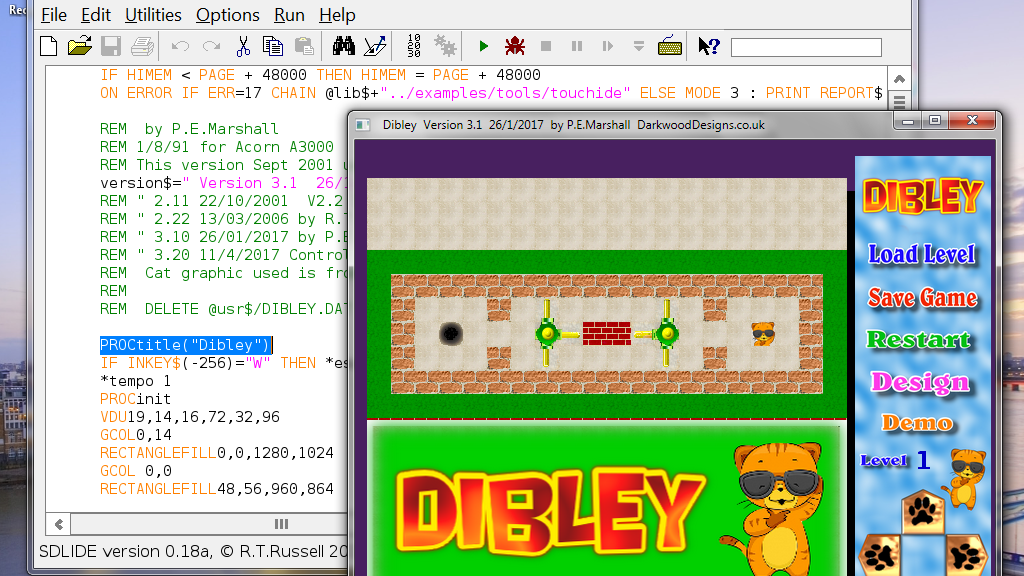
Every few years, the tech world rediscovers something old and acts like it just found buried treasure in the garage. Vinyl records. Mechanical keyboards. Flip phones. And now, in a delightfully nerdy twist, BBC BASIC is having another moment. Not a tiny “aww, that’s cute” moment, either. More like a “wait, this thing runs on modern computers, mobile devices, browsers, and even Raspberry Pi hardware?” kind of moment.
That is why the headline “BBC Basic Is Back In A Big Way” feels more accurate than dramatic. BBC BASIC is not simply surviving as a museum piece for retro-computing diehards. It is showing up again as a practical, approachable, and surprisingly capable programming language for hobbyists, educators, tinkerers, and curious developers who want something fast, direct, and a little more fun than staring at another stack trace in a heavyweight framework.
If you only remember BASIC as the language that helped introduce generations of people to programming, here is the twist: modern BBC BASIC is no longer just about nostalgia. It is about portability, clarity, instant feedback, and the odd joy of making a computer do something interesting in minutes instead of after a three-hour dependency negotiation.
What Is BBC BASIC, Exactly?
BBC BASIC began as the programming language associated with the BBC Micro, the iconic computer tied to the BBC’s computer literacy push in the early 1980s. In that original context, BBC BASIC helped make programming feel accessible instead of intimidating. You could turn on the machine, type instructions, and see results immediately. That feedback loop mattered then, and frankly, it still matters now.
What set BBC BASIC apart was that it was not just a toy language. It offered a cleaner, more structured style than many home-computer BASIC dialects, and it built a reputation for being unusually powerful. Over time, it earned admiration for combining readability with serious capability, including graphics, sound, and even inline assembler in some versions. That last part is the kind of feature that makes retro-computing fans grin like they just found a mint-condition floppy disk.
In other words, BBC BASIC always occupied an interesting middle ground. It welcomed beginners, but it did not insult them. It was simple enough to learn and deep enough to keep exploring. That balance is a big reason it has proved so hard to kill.
Why BBC BASIC Never Really Disappeared
Here is the first important point: BBC BASIC did not vanish and suddenly return like a rock band on a reunion tour. It stayed alive through dedicated developers, niche communities, and ongoing ports that carried the language forward onto newer hardware and operating systems. The more accurate story is that BBC BASIC has moved from schoolroom staple to enthusiast favorite to cross-platform curiosity with legitimate modern appeal.
That slow, steady continuity matters. Plenty of old programming languages survive only through emulation or archival projects. BBC BASIC, by contrast, kept evolving. Modern implementations preserved compatibility where possible while also adding features and conveniences that make sense on today’s machines. So when people say it is “back,” what they often mean is that the rest of the computing world is finally noticing it again.
Why BBC BASIC Is Having a Revival Now
1. Cross-Platform Support Changed the Game
One of the biggest reasons for the renewed interest in BBC BASIC is simple: modern editions run on an impressively wide range of platforms. Today’s BBC BASIC is no longer chained to one historic machine. It has been implemented for desktop systems, Raspberry Pi environments, browsers, and additional modern devices. That kind of portability turns it from a retro artifact into an active tool.
And portability is not just a technical footnote. It changes how people discover and use the language. A student can experiment on one system, a hobbyist can tinker on another, and a retro fan can keep the classic spirit alive without hunting down aging original hardware that may or may not boot without sounding like a worried vacuum cleaner.
2. It Offers Immediate Gratification in a World of Setup Fatigue
Modern development is powerful, but it can also feel like a bureaucratic obstacle course. Install this runtime. Update that package manager. Resolve these conflicts. Read a ten-page getting-started guide. Apologize to your laptop.
BBC BASIC pushes in the opposite direction. It is attractive because it lets people sit down and start typing code with very little ceremony. That old-school immediacy feels fresh again. You write something. You run it. You see what happened. You learn. You change it. You run it again. It is almost suspiciously straightforward.
For beginners, that makes the language less scary. For experienced programmers, it makes experimentation fast. And for makers, educators, and retro enthusiasts, it scratches the itch that many modern environments accidentally sanded off: the pleasure of direct interaction with the machine.
3. Raspberry Pi and Maker Culture Created the Perfect Home
The rise of the Raspberry Pi ecosystem helped create ideal conditions for a BBC BASIC comeback. Raspberry Pi has always had educational DNA, and that naturally overlaps with the original spirit of BBC BASIC. People using small, affordable computers for experimentation, learning, and physical computing are already inclined to appreciate tools that are lightweight, approachable, and flexible.
That connection is more than sentimental. BBC BASIC feels at home in environments where users want to build small projects, test ideas quickly, and understand what their code is doing. Whether someone is exploring a Raspberry Pi, dabbling with retro-inspired setups, or working with microcontroller-adjacent projects, BBC BASIC fits the mood beautifully. It is less “enterprise workflow optimization” and more “let’s make this thing blink, draw, calculate, or surprise us.”
4. It Bridges Retro Charm and Modern Convenience
Some old languages are fun until you actually try to use them. Then you discover that the experience includes obscure limitations, awkward tooling, and the digital equivalent of camping in bad weather. BBC BASIC’s modern implementations avoid much of that pain.
Current environments can include conveniences like syntax coloring, better editors, cross-platform compatibility, and cleaner interfaces than what users had in the original home-computer era. That means you can enjoy the character of a classic language without needing to role-play every inconvenience of 1983.
This is a huge part of the appeal. People do not just want retro aesthetics; they want retro clarity with modern comfort. BBC BASIC can deliver that combination better than many nostalgic technologies.
5. The Browser Makes “Trying It” Ridiculously Easy
Once a language is available in the browser, the barrier to entry drops dramatically. You no longer need a philosophical commitment to retro computing. You just need curiosity and a few spare minutes.
That matters because most programming revivals fail when they ask too much too soon. BBC BASIC benefits from being easier to sample. A language that can be tried quickly has a much better chance of winning newcomers, especially teachers, students, and hobbyists who are not looking to reorganize their whole computing life around one experiment.
What Modern BBC BASIC Can Still Do Well
People sometimes hear “BASIC” and assume “tiny beginner language with training wheels.” BBC BASIC has always been more interesting than that stereotype suggests. Modern versions continue to support a range of real tasks, from learning core programming ideas to creating utilities, experimenting with graphics and sound, writing small games, and exploring low-level concepts through features like inline assembler in the appropriate editions.
That range gives BBC BASIC unusual longevity. It can be a first language, a hobby language, a retro language, and a rapid-prototyping language depending on who is sitting at the keyboard. It is not trying to replace every modern language, and it does not need to. Its value comes from doing a particular set of things very well: teaching fundamentals, encouraging experimentation, and helping users move from idea to working program fast.
For a surprising number of people, that is enough. More than enough, actually.
Why the BBC BASIC Comeback Matters Beyond Nostalgia
The return of BBC BASIC says something broader about the current state of programming. Many developers, educators, and hobbyists are tired of complexity for complexity’s sake. They want tools that reveal how computing works instead of hiding everything behind abstractions, build systems, and layers of magic. They want programming to feel playful again.
BBC BASIC taps directly into that desire. It reminds people that code can be immediate, understandable, and joyful. It also reminds us that “old” does not automatically mean “obsolete.” Sometimes an older idea survives because it got the fundamentals right the first time.
That does not mean BBC BASIC is the best choice for every job. You are probably not going to use it to build the next giant cloud platform, and nobody is waiting for a BBC BASIC rewrite of the entire modern web. But that misses the point. Its strength lies in clarity, speed of experimentation, educational value, and the way it lowers the emotional cost of getting started.
In a world full of software that demands more and more from users, BBC BASIC feels refreshing because it often asks less while still delivering plenty.
Who Should Pay Attention to BBC BASIC in 2026?
Beginners
If you are new to coding, BBC BASIC offers a refreshingly direct way to learn variables, loops, conditions, procedures, and program structure without immediately drowning in tooling.
Teachers and mentors
If you teach programming, BBC BASIC is worth a look because it supports the kind of instant feedback that helps concepts stick. Students can see results quickly, and that keeps momentum alive.
Retro-computing fans
This is the obvious audience, but for good reason. BBC BASIC preserves the feel of classic home computing while making it practical on current devices.
Makers and tinkerers
If your idea of a fun weekend includes a Raspberry Pi, a spare display, and a weird project that may or may not end in triumph, BBC BASIC deserves a spot on your radar.
Burned-out developers
Sometimes the best cure for software fatigue is not a new framework. It is an old language with personality and fewer moving parts.
Experiences Around the BBC BASIC Revival
One of the most interesting things about the BBC BASIC revival is the kind of experience people describe when they return to it. It is rarely framed as “this is the most powerful language on earth.” Instead, it is described in more human terms. People talk about how quickly they got something working. They talk about how readable the code feels. They talk about how pleasant it is to experiment without a giant setup process looming over the whole afternoon like a disappointed project manager.
For longtime programmers, the experience often begins with curiosity and ends with surprise. They expect a retro novelty. What they get is a language that still feels practical for learning, prototyping, and small creative projects. There is something strangely energizing about opening a programming environment and feeling invited to play instead of feeling obligated to configure. That emotional difference matters more than the industry likes to admit.
For retro-computing fans, BBC BASIC can feel like reconnecting with a style of computing that was more immediate and more tactile. The machine feels closer. The code feels closer. You are not standing ten layers away from the result. You type a few lines, run them, and the machine responds. That rhythm can make programming feel personal again, almost conversational. It is the opposite of writing code into a giant industrial pipeline and waiting for approval from fifteen different tools.
Educators and parents often appreciate something slightly different: the language encourages attention. Because the environment is direct, learners tend to focus on logic and outcomes rather than getting lost in configuration. That can build confidence early. When a student sees a program print text, draw something on screen, or respond to input, the lesson becomes memorable. The computer stops feeling mysterious and starts feeling understandable.
Makers and hobbyists describe the experience with even more enthusiasm because BBC BASIC fits beautifully into tinkering culture. It rewards experimentation. It does not punish curiosity. You can test, modify, break, fix, and improve a project quickly. That is ideal for evenings when the goal is not enterprise-grade architecture but the simple thrill of making hardware or software do something cool.
Even people who never used the original BBC Micro can appreciate the revival because the appeal is bigger than nostalgia. The real experience is about rediscovering a friendlier relationship with programming. BBC BASIC makes many users feel clever fast, and that is not a trivial achievement. In fact, it may be the secret behind the whole comeback. The language does not just remind people of the past. It reminds them why they liked computers in the first place.
Final Thoughts
BBC BASIC is back in a big way because it speaks to several modern needs at once. It honors computing history without getting trapped in it. It gives beginners a gentler on-ramp. It gives hobbyists a nimble tool. It gives retro fans a genuine continuation instead of a dusty relic. And it gives weary programmers a small but meaningful reminder that coding can still be fun.
That combination is rare. Plenty of old technologies are charming. Fewer are still useful. BBC BASIC manages to be both. So yes, the comeback is real. And if the last few years have taught us anything, it is this: when a language offers clarity, portability, immediacy, and a little retro magic, people will happily welcome it back.