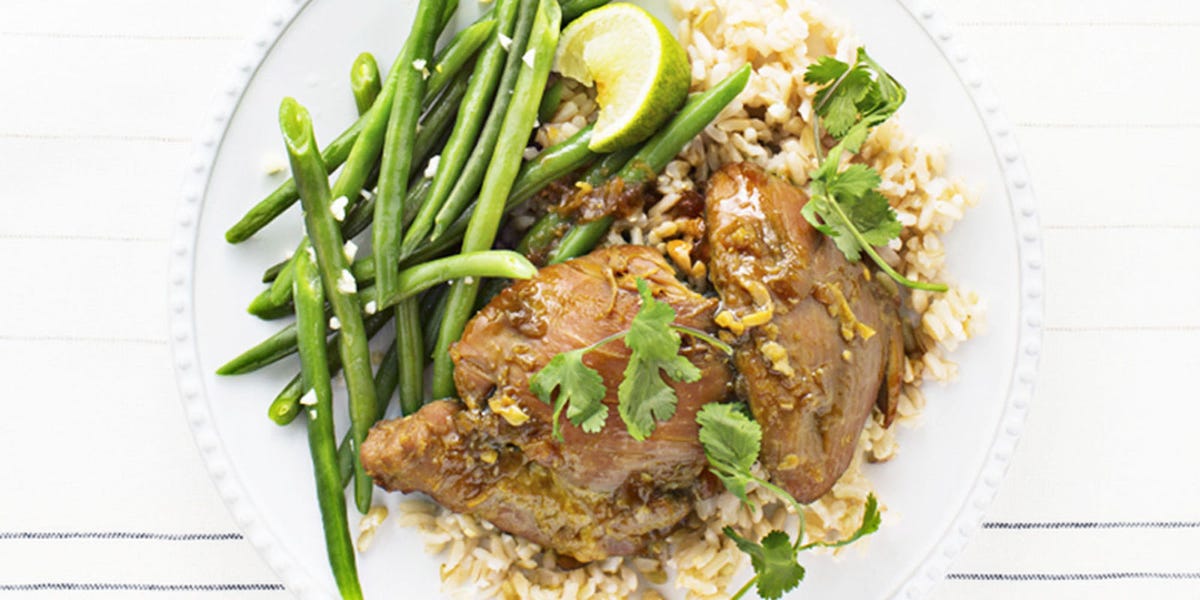
If dinner had a “low effort, high drama” award, Chicken Adobo Over Gingery Rice would walk onto the stage wearing a glossy soy-vinegar glaze and accept the trophy with a polite little bow. This dish is bold, tangy, savory, garlicky, and deeply comfortingthe kind of meal that makes the kitchen smell like you know exactly what you are doing, even if five minutes ago you were Googling whether bay leaves actually do anything.
Chicken adobo is one of the most beloved dishes associated with Filipino cooking, and for good reason. It uses simple pantry ingredientssoy sauce, vinegar, garlic, black pepper, and bay leavesto create a sauce that tastes far more complex than its grocery list suggests. The chicken gently braises until tender, the sauce reduces into a punchy glaze, and every spoonful begs for rice.
In this version, the rice is not just a supporting actor. It gets its own little spotlight with fresh ginger, garlic, and scallions. The result is a fragrant bed of rice that soaks up the adobo sauce like it has been training for this moment its entire life. Together, the chicken and rice create a complete meal that is weeknight-friendly, weekend-worthy, and dangerously good as leftovers.
Why This Chicken Adobo Over Gingery Rice Recipe Works
The magic of this chicken adobo recipe comes from balance. Vinegar brings brightness and tang. Soy sauce adds salt and umami. Garlic gives the sauce warmth. Bay leaves add a subtle herbal backbone, while whole black peppercorns bring gentle heat. When these ingredients simmer together with chicken, they create a braising liquid that is sharp at first, then mellow, savory, and rich as it reduces.
The ginger rice matters because adobo sauce is bold. Plain rice is classic and always welcome, but gingery rice adds freshness and aroma. Ginger cuts through the salty-tangy sauce, making the meal feel lively instead of heavy. It is like adding a clean white shirt under a leather jacketstill cool, just a little sharper.
This recipe also uses bone-in, skin-on chicken thighs and drumsticks because they stay juicy during simmering. Chicken breast can work in a pinch, but it cooks faster and can dry out if treated like dark meat. Thighs and drumsticks are more forgiving, more flavorful, and frankly, more fun to eat.
What Is Chicken Adobo?
Chicken adobo, often called adobong manok, is a Filipino-style braised chicken dish commonly made with vinegar, soy sauce, garlic, bay leaves, and black peppercorns. The word “adobo” comes from Spanish, but the Filipino cooking method predates Spanish colonization. Vinegar-based cooking was historically useful for preserving food in a tropical climate, and over time, the dish evolved into one of the most recognizable comfort foods in Filipino cuisine.
There is no single “one true” adobo. Some families use coconut milk. Some add sugar. Some prefer more vinegar, some more soy sauce. Some simmer the chicken first, then fry it. Others sear first and braise later. The beautiful thing about adobo is that it behaves less like a strict formula and more like a family story: everyone has a version, and everyone has feelings about it.
Ingredients for Chicken Adobo Over Gingery Rice
For the Chicken Adobo
- 3 pounds bone-in, skin-on chicken thighs and drumsticks
- 1/2 cup low-sodium soy sauce
- 1/2 cup cane vinegar, rice vinegar, or distilled white vinegar
- 1/2 cup water or unsalted chicken broth
- 8 garlic cloves, smashed
- 2 bay leaves
- 1 teaspoon whole black peppercorns
- 1 tablespoon brown sugar or honey, optional
- 1 tablespoon neutral oil
- 2 scallions, thinly sliced, for garnish
- Freshly cracked black pepper, to taste
For the Gingery Rice
- 2 cups jasmine rice or long-grain white rice
- 2 tablespoons neutral oil or butter
- 1 tablespoon fresh ginger, finely grated
- 2 garlic cloves, minced
- 3 cups water or low-sodium chicken broth
- 1/2 teaspoon kosher salt, plus more to taste
- 2 scallions, thinly sliced
- 1 teaspoon toasted sesame oil, optional
Step-by-Step Instructions
1. Marinate the Chicken
Place the chicken in a large bowl or zip-top bag. Add soy sauce, vinegar, smashed garlic, bay leaves, and peppercorns. Toss until the chicken is coated. Marinate for at least 30 minutes, or up to overnight in the refrigerator.
If you are in a rush, 30 minutes still gives you good flavor. If you have time, a longer marinade helps the chicken absorb more of that salty, tangy personality. Just avoid marinating for more than 24 hours, because the vinegar can begin to change the texture of the meat.
2. Sear the Chicken
Remove the chicken from the marinade and pat it dry with paper towels. Reserve the marinade. Heat oil in a Dutch oven or heavy skillet over medium-high heat. Place the chicken skin-side down and sear for 4 to 5 minutes, until the skin is golden. Flip and brown the other side for 2 to 3 minutes.
This step builds flavor. Browning creates those tasty bits on the bottom of the pot, which later dissolve into the sauce. That is not “stuck food.” That is flavor wearing a disguise.
3. Simmer the Adobo
Pour the reserved marinade into the pot. Add water or broth and brown sugar or honey, if using. Bring the mixture to a boil, then reduce the heat to low. Cover and simmer for 30 to 35 minutes, turning the chicken once halfway through.
The chicken is done when it is tender and reaches an internal temperature of 165°F when measured with a food thermometer. Dark meat can often go a little higher and still remain juicy, but 165°F is the key safety number for poultry.
4. Reduce the Sauce
Remove the lid and continue simmering for 8 to 12 minutes, or until the sauce thickens slightly and becomes glossy. If you want crispier skin, transfer the chicken to a baking sheet and broil for 2 to 4 minutes while the sauce reduces on the stove.
Taste the sauce before serving. If it is too sharp, add a teaspoon of sugar or honey. If it is too salty, splash in a little water. If it tastes flat, add a small spoonful of vinegar at the end. Adobo is all about adjustment, not panic.
5. Make the Gingery Rice
Rinse the rice under cool water until the water runs mostly clear. Drain well. In a medium saucepan, heat oil or butter over medium heat. Add grated ginger and minced garlic, then cook for 30 to 45 seconds, just until fragrant.
Add the rice and stir for 1 minute to coat the grains. Pour in water or broth and add salt. Bring to a boil, then reduce the heat to low. Cover and cook for 15 minutes. Turn off the heat and let the rice rest, covered, for 10 minutes. Fluff with a fork, then fold in scallions and a small drizzle of sesame oil if desired.
6. Assemble and Serve
Spoon the gingery rice into bowls or onto plates. Top with chicken adobo and plenty of sauce. Sprinkle with sliced scallions and extra cracked pepper. Serve hot with steamed vegetables, cucumber salad, pickled onions, or a fried egg if you enjoy turning dinner into a minor celebration.
Helpful Tips for the Best Chicken Adobo
Use Low-Sodium Soy Sauce
Adobo sauce reduces as it cooks, which means the saltiness becomes more concentrated. Low-sodium soy sauce gives you more control. You can always add salt later, but removing salt from a finished sauce is the culinary equivalent of trying to un-send a dramatic text.
Choose the Right Vinegar
Cane vinegar is traditional in many Filipino kitchens and gives a clean, bright tang. Rice vinegar is slightly softer. Distilled white vinegar is sharper but works well. Apple cider vinegar can be used, though it brings a fruity note that makes the dish taste less classic.
Do Not Skip the Garlic
Garlic is not decoration here. It is part of the foundation. Smashed cloves slowly mellow in the sauce, becoming sweet, savory, and almost buttery. If you love garlic, add more. The garlic police are not coming.
Let the Sauce Reduce
A watery adobo sauce is fine, but a reduced sauce is memorable. Once the chicken is cooked, simmering uncovered helps the liquid concentrate into a glossy, spoon-coating sauce. That final reduction is where the dish moves from “pretty good” to “why is everyone suddenly quiet at the table?”
Flavor Variations
Coconut Chicken Adobo
Add 1/2 cup coconut milk during the final 10 minutes of cooking for a richer, creamier sauce. Coconut milk softens the vinegar’s sharpness and makes the dish feel luxurious without requiring any complicated technique.
Spicy Chicken Adobo
Add sliced Thai chiles, crushed red pepper flakes, or a spoonful of chili garlic sauce to the braising liquid. Start small. You want heat, not a full kitchen evacuation.
Extra-Garlicky Adobo
Double the garlic and fry a few thin garlic slices separately until golden. Sprinkle them over the finished dish for crunch and aroma.
Adobo Fried Rice Leftovers
Chop leftover chicken and stir-fry it with cold gingery rice, a spoonful of leftover sauce, and an egg. This is not just a leftovers strategy. This is a reason to make extra on purpose.
What to Serve With Chicken Adobo Over Gingery Rice
This dish is satisfying on its own, but a fresh side makes it even better. Try steamed bok choy, sautéed green beans, roasted broccoli, cucumber salad, or quick-pickled carrots. The goal is to add crunch, color, or freshness to balance the rich sauce.
For a more filling meal, serve it with a fried egg on top. The yolk mixes with the adobo sauce and rice, creating a silky, savory situation that deserves its own fan club. A wedge of lime is also welcome if you enjoy a little extra brightness.
Storage and Reheating
Store leftover chicken adobo and rice in separate airtight containers in the refrigerator for up to 4 days. The chicken often tastes even better the next day because the sauce has more time to settle into itself. Reheat gently on the stove with a splash of water, or microwave in short intervals until hot.
You can freeze the chicken adobo for up to 3 months. The rice can also be frozen, though its texture is best when freshly made. For meal prep, portion the chicken and rice into containers, but keep a little extra sauce on the side so the rice stays moist when reheated.
Common Mistakes to Avoid
Using Too Much Soy Sauce
More soy sauce does not always mean more flavor. It can quickly overpower the vinegar and make the dish too salty. Keep the ratio balanced, then adjust after the sauce reduces.
Boiling Too Hard
A gentle simmer keeps the chicken tender. A wild boil can toughen the meat and make the sauce reduce too aggressively. Adobo likes confidence, not chaos.
Forgetting to Taste at the End
The final flavor depends on your vinegar, soy sauce, pot size, and simmering time. Taste before serving and adjust. A tiny splash of vinegar, pinch of sugar, or spoonful of water can make the difference between good and great.
Experience Notes: Cooking Chicken Adobo Over Gingery Rice at Home
The first time you make chicken adobo over gingery rice, you may wonder whether the sauce is too simple. You pour soy sauce and vinegar into a pot, add garlic and bay leaves, and think, “That is it?” Then the simmering starts. The kitchen fills with a smell that is tangy, savory, and deeply inviting. Suddenly, the dish makes sense. It is not trying to impress you with a long ingredient list. It is impressing you with what happens when a few strong ingredients know their job.
One of the best parts of this recipe is how forgiving it feels. If the chicken browns unevenly, the sauce still rescues it. If the vinegar seems sharp at first, time softens it. If the rice rests a little longer than planned, it usually becomes fluffier. This is the kind of meal that understands real life. It does not require tweezers, foam, or a silent prayer to the culinary gods. It asks for a pot, a little patience, and enough rice to catch the sauce.
The gingery rice is especially helpful for home cooks who want the meal to taste complete without making three side dishes. Fresh ginger adds warmth and brightness, and when the adobo sauce hits the rice, everything comes together. The rice does not compete with the chicken; it lifts it. The ginger peeks through the salty-tangy sauce like a friendly wave from across the room.
This recipe is also excellent for family dinners because it can handle different preferences. Someone who likes bold flavor can spoon extra sauce over their bowl. Someone who prefers a milder plate can take more rice and less sauce. A spice lover can add chili crisp or sliced chiles. A vegetable enthusiast can pile on cucumbers, greens, or steamed broccoli. Everyone gets a version that feels personal, without forcing the cook to run a restaurant line in the kitchen.
Leftovers are another reason to love this dish. The next day, the sauce tastes rounder and deeper. The chicken becomes easy to shred, and the rice can turn into fried rice with almost no effort. Add an egg, a handful of scallions, and a spoonful of leftover adobo sauce, and lunch becomes suspiciously exciting. It is the rare leftover that does not feel like a compromise.
Most importantly, chicken adobo over gingery rice teaches a useful cooking lesson: flavor does not always need complexity. Sometimes it needs contrast. Salty soy sauce, bright vinegar, mellow garlic, aromatic ginger, and tender chicken create a dish that feels layered without being fussy. It is comfort food with a backbone, pantry cooking with personality, and a recipe worth keeping in your regular dinner rotation.
Conclusion
Chicken Adobo Over Gingery Rice is the kind of recipe that proves simple ingredients can create unforgettable flavor. The chicken turns tender in a tangy soy-vinegar sauce, the garlic melts into the braise, and the gingery rice catches every glossy drop. It is practical enough for a weeknight, flavorful enough for guests, and flexible enough to become your own signature version over time.
Serve it hot, save the leftovers, and do not be surprised if the rice disappears faster than expected. Around here, that is not a problem. That is a compliment wearing a bowl-shaped hat.