Period pads do not usually get standing ovations, which is a little unfair. They show up on time, do the messy work, and ask for very little in return besides a decent pair of underwear and a timely change. For many people, sanitary pads are the first period product they ever use. For others, they stay the go-to option for years because they are simple, external, easy to monitor, and delightfully free of insertion-related drama.
If you have ever stood in the menstrual care aisle staring at phrases like ultra-thin, overnight, maxi, wings, regular, and super as if you were decoding military equipment, you are not alone. Pads are not complicated once you understand what they do, how they differ, and how hygiene affects comfort and health. This guide breaks it all down in plain English, with practical advice on choosing the right sanitary pad, using it correctly, and keeping things clean and comfortable during your period.
What Is a Sanitary Pad and What Does It Do?
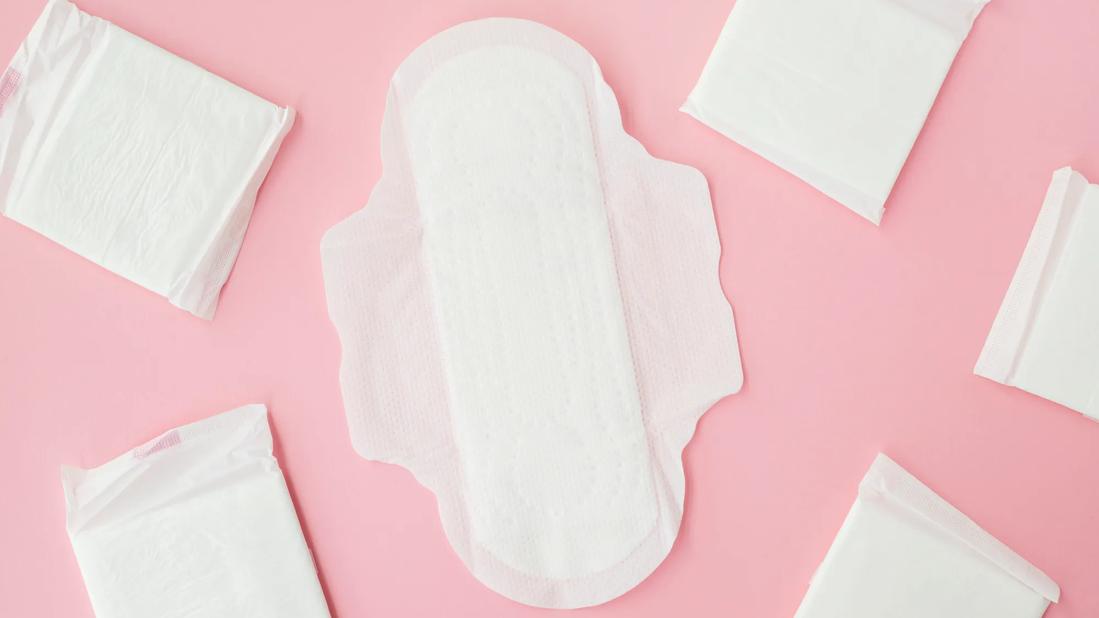
A sanitary pad, also called a period pad, menstrual pad, sanitary napkin, or simply a pad, is an absorbent product worn in underwear to catch menstrual blood after it leaves the body. Unlike tampons or menstrual cups, pads are external. That makes them a common choice for people who are new to menstruation, who dislike internal products, who have vaginal irritation, or who simply want something low-fuss.
The basic job of a pad is straightforward: absorb menstrual flow, keep moisture away from the skin as much as possible, reduce leaks, and make daily life more manageable while your uterus does its monthly renovation project. A good pad should feel secure, fit your flow, and help you get through class, work, errands, sleep, or a long commute without turning your underwear into a crime scene.
How Sanitary Pads Work
Most disposable sanitary pads are made in layers. The top layer touches the skin and is designed to feel relatively dry. The middle layers absorb and hold fluid. The bottom layer helps prevent leaks from soaking through clothing. Many pads also include adhesive strips that stick to underwear, while “wings” fold around the sides to help keep the pad in place.
Reusable cloth pads work on the same general principle, but they use washable fabric layers instead of disposable materials. They are secured with snaps or other fasteners and then washed and reused after wear.
The most important thing to remember is that no pad works forever. Even a high-absorbency pad has limits. Once it becomes saturated, it gets less comfortable, more likely to leak, and less hygienic. That is why choosing the right type and changing it on time matters just as much as the product itself.
Main Types of Sanitary Pads
Not all period pads are built for the same day, outfit, or flow. The best choice depends on how heavy your bleeding is, how long you will be wearing it, and what makes you feel comfortable.
1. Panty Liners
Panty liners are the smallest members of the pad family. They are thin, light, and best for very light spotting, the beginning or end of a period, backup for a tampon or menstrual cup, or everyday discharge. They are not ideal for a full-flow day unless your period is extremely light. Think of them as period training wheels, not off-road tires.
2. Regular Pads
Regular pads are made for light to moderate flow. They are a popular daytime option because they balance absorbency and comfort without feeling too bulky. For many people, regular pads are the workhorse of the period week.
3. Super or Heavy-Flow Pads
These pads are thicker, longer, or more absorbent than standard daytime pads. They are useful on heavier days, during long outings, or when you know your uterus is feeling extra ambitious.
4. Overnight Pads
Overnight pads are usually longer and wider at the back to provide more coverage while sleeping. They are made for lying down, tossing, turning, and waking up without unpleasant surprises. Even if your flow is not extremely heavy, overnight pads can be a smart move because gravity changes when you are horizontal.
5. Pads with Wings
Wings wrap around the underwear and stick underneath. They help keep the pad centered and can reduce bunching, shifting, and side leaks. Many people love them. Others feel they are a little too clingy. This is a personal preference situation.
6. Ultra-Thin Pads
Ultra-thin pads are designed to be less bulky while still offering decent absorbency. If you hate the diaper-like feeling of some thicker products, these may feel more discreet and comfortable under fitted clothes.
7. Maxi or Thick Pads
Maxi pads tend to be thicker and more cushioned. Some people prefer them because they feel more secure, especially for heavy flow or overnight use. Others avoid them because they can feel bulky. Again, your period, your rules.
8. Organic Cotton or Fragrance-Free Pads
These are often chosen by people with sensitive skin or those trying to minimize irritation. Fragrance-free pads are especially worth considering if scented products have ever made your vulva feel itchy, burny, or generally offended.
9. Reusable Cloth Pads
Reusable pads are washable fabric pads that can last a long time with proper care. They appeal to people looking for a lower-waste option, a softer feel, or long-term savings. They require laundering, so convenience depends on your routine and access to clean water and laundry facilities.
How to Choose the Right Period Pad
Choosing a sanitary pad is less about buying the “best” one and more about buying the right one for your body and schedule.
Match the Pad to Your Flow
If your period is light, a regular pad or liner may be plenty. If you routinely soak through protection in a short time, use a higher-absorbency option and consider whether your bleeding is unusually heavy. Many people use different pads across the same cycle: lighter ones at the start or end, heavier ones in the middle.
Think About Time of Day
Daytime pads and overnight pads are not interchangeable for everyone. During sleep, extra length and back coverage can make a huge difference. During the day, you may care more about breathability, thinness, or discretion.
Consider Skin Sensitivity
If you are prone to itching, chafing, or irritation, choose unscented pads and watch for materials that feel gentler on your skin. Sometimes the issue is not the period itself but the product rubbing, trapping moisture, or adding fragrance where fragrance really did not need to be.
Think About Your Lifestyle
Running errands all day? You may want something secure with wings. Sitting through long meetings? Higher absorbency may help. Sleeping eight hours? Go for overnight coverage. Traveling? Pack more than you think you need, because periods have a wicked sense of humor.
How to Use a Sanitary Pad Correctly
- Wash your hands before handling the pad.
- Remove the pad from its wrapper.
- Peel off the adhesive backing.
- Press the sticky side firmly into the center of clean underwear.
- If the pad has wings, fold them around the underside of the underwear and secure them.
- Pull up your underwear and check that the pad feels centered and comfortable.
- Change the pad regularly, especially when it feels damp, full, or shifted.
- Wrap the used pad in toilet paper, the original wrapper, or disposal paper and throw it in the trash.
One very important note: do not flush pads. Not the whole pad, not half the pad, not the wrapper, and not the optimistic part of the pad that seems “small enough.” Pads are trash-bin products, not plumbing products.
Sanitary Pad Hygiene: Best Practices That Actually Matter
Good period hygiene is not about being “extra clean.” It is about staying comfortable, protecting the skin, and lowering the chance of odor, irritation, or leaks.
Change Pads Regularly
This is the big one. A pad should be changed several times a day, and sooner if it becomes soaked, damp, or uncomfortable. Heavy-flow days require more frequent changes than light-flow days. Wearing one pad for too long can lead to odor, skin irritation, and leakage. It is not a medal-worthy endurance challenge.
Wash Your Hands
Wash your hands before and after changing a pad. It is a small step, but it helps keep germs away from the product and from the genital area.
Clean the Vulva Gently
During your period, wash the external genital area with warm water and, if needed, a mild unscented cleanser on the outside only. You do not need sprays, powders, perfumed wipes, or anything marketed like it belongs in a perfume ad. The vagina is self-cleaning. The vulva just needs gentle care.
Avoid Douching
Douching can upset the natural balance of the vagina and may increase irritation or infection risk. It does not make you healthier, fresher, or more “balanced.” It mostly makes the body’s built-in systems roll their eyes.
Choose Fragrance-Free Products If You Are Sensitive
Scented pads may sound nice in theory, but in practice they can irritate sensitive skin. If you have burning, itching, or recurring discomfort, switching to unscented products is a smart first move.
Change After Exercise if Needed
Sweat, friction, and moisture can make a used pad feel especially uncomfortable. After exercise, changing into a fresh pad and dry underwear can help prevent chafing and keep things feeling normal.
Store Pads Properly
Keep sanitary pads in a clean, dry place. A steamy bathroom cabinet is not always ideal for long-term storage. If wrappers are torn, dirty, or damp, do not use the product.
Common Sanitary Pad Mistakes
- Using the wrong absorbency: A tiny liner on a heavy day is asking for chaos.
- Waiting too long to change: Comfort drops fast when a pad is overly saturated.
- Using scented products on sensitive skin: If your skin hates it, believe your skin.
- Placing the pad too far forward or backward: Position matters more than people think.
- Wearing pads meant for periods to manage urine leaks: Menstrual pads and incontinence pads are not the same product.
- Flushing used pads: Your plumbing will remember, and not fondly.
When a Pad Problem Might Really Be a Health Problem
Sometimes the issue is not the pad. It is the period. If you are soaking through a pad every hour or two, bleeding longer than about a week, passing large clots often, feeling dizzy, or having pain so intense that normal life becomes impossible, it is time to talk with a healthcare professional. Heavy bleeding can sometimes point to hormonal issues, fibroids, bleeding disorders, or other medical concerns.
You should also get checked if you notice fever, foul-smelling discharge, severe itching, rash, burning, or ongoing irritation that does not improve after changing products. A pad should support your day, not turn your vulva into a complaint department.
Sanitary Pads vs. Other Period Products
Pads are just one option in the menstrual product lineup. Tampons and menstrual cups are internal and can be more convenient for swimming or some sports. Period underwear can work well for light to moderate flow or as backup. Reusable cloth pads appeal to people who want a less disposable routine.
Still, period pads remain popular for good reasons. They are easy to use, easy to monitor, and suitable for many situations, including the first period, postpartum bleeding, pelvic pain, recovery after some gynecologic procedures, and any time internal products are not appealing.
In other words, pads are not the “beginner product” you graduate from. They are a legitimate choice at any age.
Experiences Related to Sanitary Pads: Real-Life Situations People Know All Too Well
One of the most common pad experiences starts with a first period. A teenager opens a pad like it is an advanced puzzle, stares at the wings, sticks it into the underwear slightly crooked, and spends the next hour walking like a cautious robot. Then comes the realization that the world did not end, the pad stayed put well enough, and the whole thing was less terrifying than expected. For many people, pads are the product that makes menstruation feel manageable the first time around because they are visible, easy to understand, and not as intimidating as internal products.
Another familiar experience is the “I thought I was fine” workday. You wear a light pad because the morning seems calm. By lunch, your uterus launches a surprise plot twist. Suddenly you are doing mental math about bathroom distance, chair color, and whether your sweater is long enough to tie around your waist. This is exactly why many regular pad users carry backups in a bag, desk drawer, glove compartment, or jacket pocket. Sanitary pads are not just products; they are tiny insurance policies against bad timing.
Then there is the overnight pad revelation. Plenty of people spend years waking up annoyed, thinking leaks during sleep are just part of life, only to discover that a longer, wider overnight pad changes everything. It is one of those deeply unglamorous upgrades that feels oddly luxurious. Better sleep, fewer laundry emergencies, and less waking up at 3 a.m. to check the sheets? That is not just hygiene. That is peace.
People with sensitive skin often have a different journey. They may try a scented or heavily treated pad and end up with itching, rubbing, or a general sense that their vulva has filed a formal complaint. Switching to fragrance-free or softer cotton-feel products can be a game changer. Sometimes the “best pad” is not the one with the fanciest marketing but the one that does its job quietly and does not pick a fight with your skin.
Reusable pad users often talk about a learning curve too. At first, washing and storing used pads can seem like an extra chore. But many say that once they build a system, it becomes routine. They appreciate the softness, reduced waste, and the feeling of buying fewer period products over time. It is not for everyone, but for some households it becomes as normal as doing towels or socks.
And of course, there is the universal experience of helping someone else. A friend asks in a whisper if anyone has a pad. A coworker checks her bag like a first responder. A sister slips one under the bathroom door. Pads are oddly social objects that way. They become part of a quiet economy of rescue, solidarity, and “I have you, don’t panic.”
That may be the most telling thing about sanitary pads. They are practical, yes. But they are also deeply tied to everyday life: first periods, sports, travel, school, sleep, sensitive skin, emergencies, and the little acts of preparedness that make a hard day easier. A good pad may not be exciting, but when you need one, it can feel like a small miracle with adhesive wings.
Conclusion
Sanitary pads remain one of the most accessible and useful menstrual products for a reason. They are simple, versatile, and available in many forms, from ultra-thin daytime options to high-coverage overnight pads and reusable cloth styles. The key is matching the product to your flow, your schedule, and your comfort.
Good pad hygiene is equally important. Change pads regularly, choose unscented products if you are prone to irritation, clean the external genital area gently, and skip gimmicky products that promise “freshness” while actually making the skin angrier. Most of all, pay attention to your body. If your bleeding seems unusually heavy, your pain feels unmanageable, or irritation keeps coming back, a healthcare professional can help figure out what is going on.
At the end of the day, sanitary pads are not glamorous, but they are incredibly useful. Sometimes the best health tool is not flashy. Sometimes it just sticks to your underwear and gets the job done.