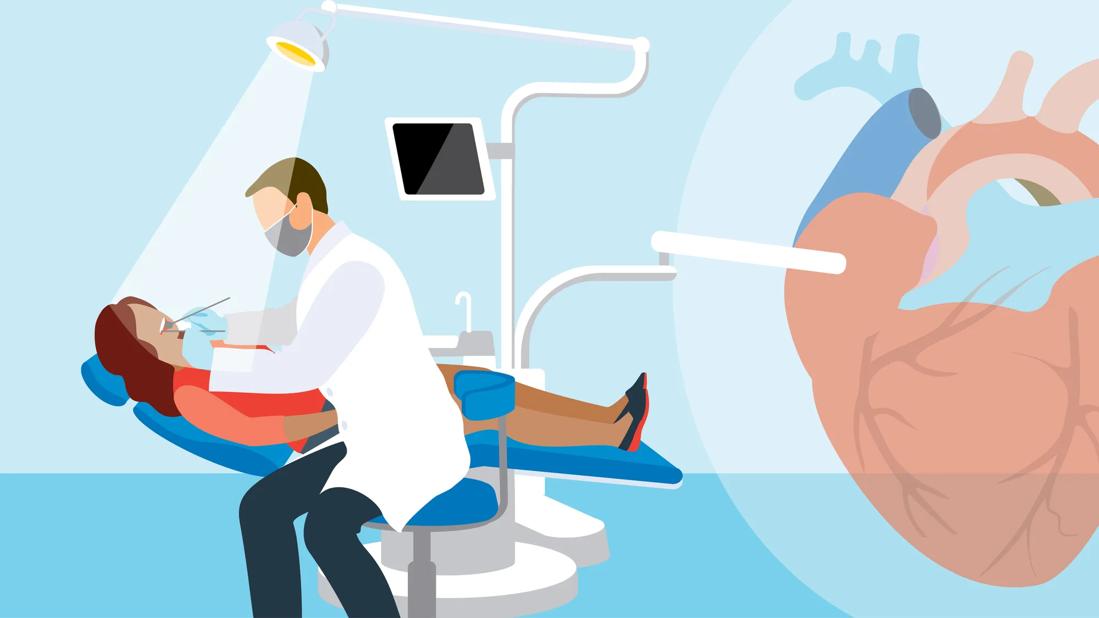
Short answer: Yes, gum disease and heart disease are linked but the relationship is more like a complicated group chat than a simple “A causes B” text message. Research shows a consistent association between periodontal disease and cardiovascular problems, yet scientists are still working out exactly how much is cause, how much is shared risk, and how much is your body’s inflammation system doing dramatic jazz hands.
What Is Gum Disease?
Gum disease, also called periodontal disease, is an infection and inflammation of the tissues that hold your teeth in place. In the early stage, known as gingivitis, gums may look red, feel tender, or bleed when you brush or floss. Gingivitis is often reversible with better oral hygiene and professional dental care.
If gum disease progresses, it can become periodontitis. That is the more serious version. Periodontitis can damage the gums, ligaments, and bone that support the teeth. Over time, untreated periodontitis may cause gum recession, loose teeth, persistent bad breath, painful chewing, and tooth loss. In other words, it is not just “a little bleeding when I floss.” It is your mouth waving a red flag while holding a tiny dental picket sign.
Gum disease is also common. Millions of American adults have some degree of periodontitis, and the risk increases with age, smoking, diabetes, poor oral hygiene, infrequent dental visits, and limited access to dental care. That matters because gum disease does not always stay neatly in the mouth. The mouth is connected to the rest of the body by blood vessels, nerves, immune pathways, and the simple fact that biology refuses to respect departmental boundaries.
What Is Heart Disease?
Heart disease is a broad term, but most people use it to describe cardiovascular disease, including coronary artery disease, heart attack, stroke, clogged arteries, heart valve problems, and conditions related to blood vessel damage. One of the most important processes behind many cardiovascular events is atherosclerosis, which occurs when fatty plaque builds up inside the arteries.
This plaque can narrow blood vessels, reduce blood flow, and become unstable. If plaque ruptures, a blood clot may form and block blood flow to the heart or brain. That is how heart attacks and many strokes happen. Traditional risk factors include high blood pressure, high cholesterol, smoking, diabetes, obesity, poor diet, physical inactivity, family history, and age.
So where do gums come in? Your gums are not secretly wearing a cardiologist’s white coat. But they can contribute to chronic inflammation, bacterial exposure, and immune activity three things that cardiovascular researchers take very seriously.
So, Are Gum Disease and Heart Disease Linked?
Yes, they are linked. People with periodontal disease are more likely to have cardiovascular disease than people with healthy gums. Studies have found associations between gum disease and heart attack, stroke, clogged arteries, and certain heart valve problems. However, “linked” does not automatically mean “directly causes.” That distinction is important, especially in health writing, where one overexcited headline can turn floss into a superhero cape.
The strongest responsible statement is this: gum disease may contribute to cardiovascular risk through inflammation and bacteria entering the bloodstream, but shared risk factors also explain part of the connection. Smoking, diabetes, poor diet, lower income, limited dental care, obesity, and chronic stress can raise the risk of both gum disease and heart disease. That means gum disease may be a warning sign, a contributor, or both.
Think of it like this: if smoke is coming from the kitchen and the living room, the kitchen may be causing the problem, or the whole house may have faulty wiring. Either way, ignoring the smoke is not a brilliant wellness strategy.
How Gum Disease May Affect the Heart
1. Bacteria Can Enter the Bloodstream
Your mouth contains hundreds of types of bacteria. Many are harmless or even helpful, but when plaque builds up around the gumline, harmful bacteria can thrive. Inflamed gums bleed more easily, which gives bacteria a pathway into the bloodstream. From there, bacteria or bacterial byproducts may travel to blood vessels and other tissues.
Researchers have found periodontal bacteria in arterial plaque and in cardiovascular tissues. That does not prove that mouth bacteria single-handedly cause heart attacks, but it supports a plausible biological pathway. The mouth is not a sealed aquarium. When gums are inflamed and damaged, bacteria can get a backstage pass to the circulatory system.
2. Chronic Inflammation May Add Fuel to Artery Damage
Inflammation is the body’s defense system. In short bursts, it helps fight infection and heal injuries. But long-term inflammation is different. Chronic inflammation can irritate blood vessels, influence plaque formation, and contribute to the progression of atherosclerosis.
Periodontitis is a chronic inflammatory condition. When gum inflammation continues for months or years, it may increase the body’s overall inflammatory burden. Cardiovascular disease is also strongly influenced by inflammation. This overlap is one reason scientists are interested in the gum-heart connection.
3. Gum Disease and Heart Disease Share Risk Factors
Some of the link is probably explained by shared risk factors. Smoking is a major example. Smokers have a higher risk of periodontitis, heart disease, stroke, and several cancers. Diabetes is another major example. Poor blood sugar control can make gum infections more severe, and diabetes also raises cardiovascular risk.
Diet matters too. A diet high in added sugars and ultra-processed foods can increase the risk of cavities, weight gain, diabetes, and heart disease. Lack of preventive care also plays a role. Someone who cannot access regular dental care may also have difficulty accessing medical care, prescriptions, heart screenings, or nutritious food.
4. Oral Health May Be a Window Into Overall Health
The mouth often shows early signs of bigger health issues. Bleeding gums, dry mouth, delayed healing, frequent infections, and loose teeth can point to problems that deserve attention. Dentists may notice clues related to diabetes, medication side effects, immune changes, nutritional deficiencies, tobacco use, or uncontrolled inflammation.
This does not mean your dentist will diagnose a heart attack while polishing your molars. But it does mean dental visits can be part of a broader preventive health routine. Your mouth may be small, but it is not shy about giving updates.
Does Treating Gum Disease Prevent Heart Attacks?
This is where the science becomes cautious. Treating gum disease is clearly good for your mouth. It can reduce bleeding, swelling, infection, bad breath, gum pocket depth, and tooth loss risk. It may also lower some markers of inflammation and improve certain cardiovascular risk indicators in some people.
However, experts do not currently say that brushing, flossing, or periodontal treatment has been proven to prevent heart attacks or strokes. That would require stronger evidence from large, long-term clinical trials. Health organizations generally agree that the association is real, but causality remains difficult to prove.
Still, this does not make dental care optional. It simply means oral hygiene should be seen as one important piece of prevention, not a magic shield. Brushing your teeth will not cancel out smoking, untreated high blood pressure, uncontrolled diabetes, or a daily cheeseburger routine that looks like it was designed by a raccoon with a cholesterol problem.
Signs of Gum Disease You Should Not Ignore
Gum disease can be sneaky. Some people have significant periodontal problems with little pain. That is why regular dental exams matter. Still, there are warning signs worth watching for:
- Gums that bleed when brushing or flossing
- Red, swollen, or tender gums
- Persistent bad breath
- Gums pulling away from the teeth
- Loose or shifting teeth
- Pain while chewing
- New spaces between teeth
- Pus around the gums
- Changes in how your bite feels
Occasional gum bleeding after restarting flossing may improve as your gums get healthier. But bleeding that continues, swelling that does not settle, or loose teeth should be evaluated by a dental professional. Your gums are not supposed to act like a crime scene every time you brush.
Who Has the Highest Risk?
Anyone can develop gum disease, but certain groups are more vulnerable. Risk is higher among people who smoke or vape, people with diabetes, older adults, people with dry mouth, people taking medications that affect saliva, and people with limited access to dental care. Hormonal changes during pregnancy may also make gums more sensitive and prone to inflammation.
Heart disease risk is also higher in people with high blood pressure, high cholesterol, diabetes, smoking history, obesity, chronic kidney disease, sedentary lifestyles, poor diet, and family history of early cardiovascular disease. When these risk factors overlap with gum disease, it becomes even more important to manage both oral and medical health.
A useful example is diabetes. Diabetes can reduce the body’s ability to fight infection, making gum disease more likely and more severe. At the same time, gum inflammation may make blood sugar harder to control. Add cardiovascular risk to the picture, and suddenly brushing, flossing, dental cleanings, blood sugar monitoring, and heart checkups are all part of the same wellness team.
How to Protect Your Gums and Your Heart
Brush Twice a Day
Brush for two minutes twice daily using fluoride toothpaste. Use a soft-bristled toothbrush and gentle pressure. Scrubbing aggressively does not make you more responsible; it just annoys your gums and can wear down enamel. Small circular motions along the gumline usually work better than pretending your toothbrush is a pressure washer.
Clean Between Your Teeth
Floss, interdental brushes, or water flossers can remove plaque from places your toothbrush cannot reach. The best tool is the one you will actually use. If traditional floss makes you feel like you are solving a finger-based puzzle at midnight, try floss picks or interdental brushes.
See a Dentist Regularly
Routine dental visits help detect gingivitis, periodontitis, cavities, oral cancer signs, bite problems, and other issues early. Professional cleanings remove hardened tartar that brushing cannot eliminate. If you already have periodontitis, your dentist or periodontist may recommend scaling and root planing, more frequent cleanings, antimicrobial therapy, or other periodontal treatments.
Do Not Smoke
Smoking is one of the strongest risk factors for both gum disease and heart disease. It reduces blood flow to the gums, weakens immune defenses, slows healing, and increases cardiovascular risk. Quitting smoking can improve oral health and dramatically reduce heart risk over time.
Manage Blood Pressure, Cholesterol, and Blood Sugar
Oral care is important, but it does not replace medical care. Know your blood pressure, cholesterol levels, and blood sugar status. Follow your clinician’s advice about medication, diet, exercise, and follow-up appointments. Your gums and arteries both prefer a body that is not constantly fighting metabolic fires.
Eat for Your Mouth and Heart
A heart-friendly diet is often a gum-friendly diet too. Focus on vegetables, fruits, beans, lentils, whole grains, nuts, fish, lean proteins, and unsweetened drinks. Limit added sugar, frequent snacking, sugary beverages, and highly processed foods. Crunchy produce will not replace floss, but it is better company for your teeth than sticky candy that clings like a bad ex.
Should Heart Patients Take Special Dental Precautions?
Some people with specific heart conditions need extra precautions before certain dental procedures, especially if they are at high risk for infective endocarditis. Endocarditis is a rare but serious infection of the inner lining of the heart or heart valves. It can happen when bacteria enter the bloodstream and attach to vulnerable areas of the heart.
Not every person with heart disease needs antibiotics before dental work. In fact, preventive antibiotics are recommended only for certain high-risk patients, such as some people with prosthetic heart valves, previous infective endocarditis, certain congenital heart conditions, or specific heart transplant complications. If you have a heart condition, ask your cardiologist and dentist what applies to you.
Also tell your dentist about blood thinners, heart medications, implanted devices, recent surgeries, and any history of fainting, chest pain, or shortness of breath. Good communication between your dentist and physician can prevent confusion and keep care safe.
What the Research Means for Real Life
The gum-heart link should not scare people into thinking every bleeding gum predicts a heart attack. That is not accurate, and it is not helpful. A better takeaway is that oral health belongs in the same conversation as whole-body health. Your gums are part of your immune system, your circulation, and your daily habits.
If you have gum disease, treat it. If you have heart disease risk factors, manage them. If you have both, do not panic organize. Make a dental appointment, schedule a primary care visit, check your blood pressure, review your medications, improve your diet, move your body, and stop smoking if you smoke. Prevention is rarely glamorous, but it is wonderfully effective. It is the health equivalent of fixing a roof before the living room becomes an indoor swimming pool.
Common Myths About Gum Disease and Heart Disease
Myth 1: “If my gums do not hurt, they are healthy.”
Not always. Gum disease can progress silently. Bleeding, swelling, gum recession, loose teeth, and bad breath may appear gradually. Regular exams are important because dental professionals can measure gum pockets and detect bone loss before you notice major symptoms.
Myth 2: “Flossing is only about removing food.”
Flossing is not just about rescuing spinach from between your teeth. It disrupts plaque, which is a sticky bacterial biofilm. Plaque along the gumline drives inflammation, and inflammation is central to periodontal disease.
Myth 3: “Mouthwash can replace brushing and flossing.”
Mouthwash can help freshen breath and, in some cases, reduce bacteria, but it cannot remove sticky plaque the way brushing and interdental cleaning can. Mouthwash is a supporting actor, not the star of the dental hygiene show.
Myth 4: “Dental care does not matter if I already have heart disease.”
It still matters. Good oral care can reduce infection, inflammation, tooth loss, pain, and complications. It may also support better overall health management, especially for people with diabetes or cardiovascular risk factors.
Experience-Based Insights: What People Often Notice When They Take Gum Health Seriously
Many people do not become passionate about gum health until something annoying happens. It might be bleeding in the sink, breath that survives three mints and a motivational speech, or a dentist gently mentioning “deep cleaning” in the same tone a mechanic uses before showing you a mysterious engine part. The good news is that gum care often improves quickly once people understand what is going on and build a routine they can actually maintain.
One common experience is surprise. A person may brush every day and still develop gum inflammation because brushing alone does not clean between teeth or under the gumline. After adding floss, interdental brushes, or a water flosser, they may notice less bleeding within a few weeks. That does not mean the gums are fully healed, but it is a sign that plaque control is improving. The first week can feel awkward. Floss may snag. Gums may bleed. The mirror may look dramatic. But consistency usually makes the routine easier and the gums calmer.
Another real-world lesson is that dental visits can change motivation. Hearing “you have 5-millimeter pockets” may not sound emotional, but it gets attention. Gum pocket measurements help show where inflammation and tissue breakdown are happening. When patients see those numbers improve after treatment and home care, oral health becomes less abstract. It turns into a scoreboard. And unlike most scoreboards, this one rewards boring habits.
People with heart concerns often describe a shift in perspective. Once they learn that gum inflammation may contribute to systemic inflammation, brushing and flossing feel less cosmetic and more practical. It is not about chasing a movie-star smile. It is about reducing the number of chronic irritants the body has to manage. For someone already working on blood pressure, cholesterol, or diabetes, gum care becomes another reasonable lever to pull.
There is also an emotional side. Bad breath, loose teeth, bleeding gums, and fear of dental procedures can create embarrassment. Some people delay care because they worry the dentist will judge them. A good dental team should not shame patients. They have seen everything. Truly, everything. Your tartar is not going to be the plot twist of their professional life. The sooner gum disease is addressed, the more options there are to manage it.
The most successful routines are simple. Keep a toothbrush where it is easy to use. Choose flossing tools that fit your hands and patience level. Set a phone reminder if needed. Pair flossing with something you already do, like listening to a podcast or watching a short video. Schedule the next dental cleaning before leaving the office. Replace the “I should really do this” mental loop with a system that makes the habit automatic.
Finally, people often discover that gum health is connected to confidence. Eating comfortably, smiling without worry, speaking without self-consciousness, and avoiding dental emergencies all improve quality of life. If those habits may also support heart health, that is a bonus worth taking seriously. Your mouth is not separate from you. It is part of the same body that walks, works, laughs, sleeps, and occasionally tries to convince itself that popcorn counts as dinner.
Conclusion: A Healthy Mouth Is Part of a Healthy Heart Strategy
Gum disease and heart disease are linked, but the connection is not as simple as “bleeding gums cause heart attacks.” The best evidence shows an association, supported by plausible mechanisms such as bacteria entering the bloodstream and chronic inflammation affecting blood vessels. Shared risk factors, including smoking, diabetes, poor diet, and limited access to care, also help explain why the two conditions often travel together.
The practical message is refreshingly clear: take gum disease seriously, but do not panic. Brush twice daily, clean between your teeth, visit your dentist, avoid smoking, manage diabetes and blood pressure, eat a heart-friendly diet, and talk with your healthcare providers if you have existing heart disease. Your toothbrush is not a cardiologist, but it is a surprisingly useful member of your prevention team.
Note: This article is for general educational purposes only and should not replace personalized advice from a dentist, physician, cardiologist, or other licensed healthcare professional.