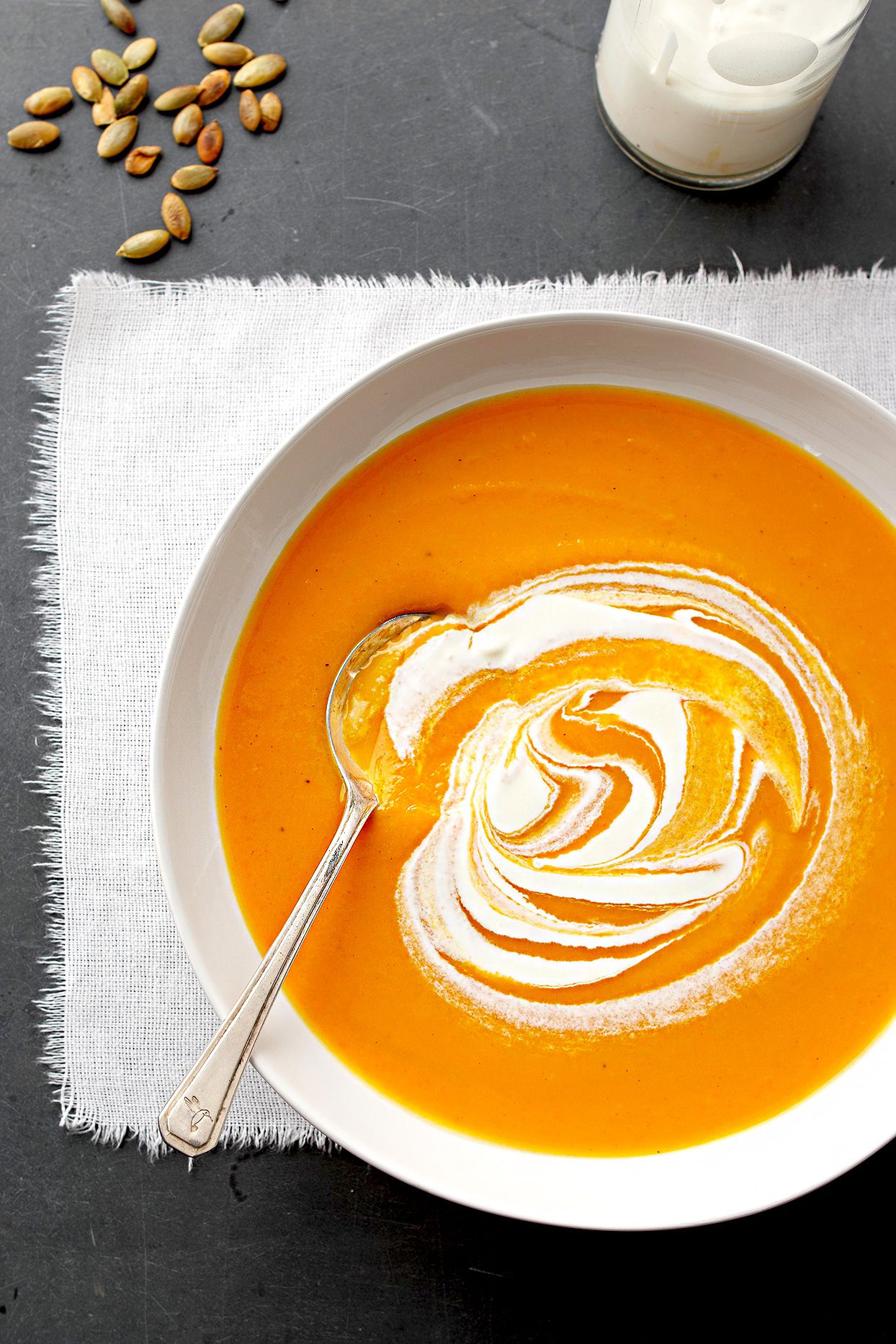
There are soups that politely sit in a bowl, and then there is butternut squash and carrot soup: golden, velvety, naturally sweet, and cozy enough to make a chilly evening feel like it has been personally wrapped in a blanket. This recipe brings together roasted butternut squash, carrots, onion, garlic, warm spices, and a splash of cream or coconut milk for a smooth soup that tastes fancy but does not require fancy behavior.
The beauty of this butternut squash and carrot soup recipe is its balance. Butternut squash gives the soup body and a mellow, nutty sweetness. Carrots add bright color and earthy flavor. Ginger wakes everything up. Garlic and onion keep it from tasting like baby food wearing a cardigan. A little acidity at the endlemon juice or apple cider vinegarmakes the whole pot taste brighter, deeper, and more intentional.
Whether you are planning a fall dinner, meal-prepping lunches, or trying to use that heroic squash you bought with good intentions, this creamy vegetable soup is practical, nutritious, and deeply comforting. It can be made vegan, dairy-free, gluten-free, or extra rich depending on what you add at the finish. Best of all, it freezes beautifully, reheats like a dream, and somehow tastes even better the next day.
Why You’ll Love This Butternut Squash and Carrot Soup
This soup is not just pretty; it works hard. It is easy enough for a weeknight, elegant enough for a holiday starter, and forgiving enough for cooks who occasionally measure garlic with their heart. Roasting the squash and carrots first builds deeper flavor by concentrating their natural sweetness and giving the edges a little caramelized color. That one step turns simple vegetables into something richer, toastier, and more satisfying.
The soup is also flexible. Use vegetable broth for a vegan version, chicken broth for a more savory base, coconut milk for a silky dairy-free finish, or heavy cream if you want classic richness. You can keep the spices simple with ginger and black pepper, lean cozy with cinnamon and nutmeg, or add cumin and smoked paprika for a gently smoky note.
Ingredients
Main Ingredients
- 1 medium butternut squash, about 2 1/2 to 3 pounds, peeled, seeded, and cubed
- 4 large carrots, peeled and cut into thick slices
- 1 medium yellow onion, chopped
- 4 garlic cloves, peeled
- 2 tablespoons olive oil
- 1 tablespoon unsalted butter or extra olive oil
- 1 tablespoon fresh grated ginger
- 4 cups low-sodium vegetable broth or chicken broth
- 1/2 cup coconut milk, heavy cream, half-and-half, or additional broth
- 1 teaspoon kosher salt, plus more to taste
- 1/2 teaspoon black pepper
- 1/2 teaspoon ground cumin
- 1/4 teaspoon ground cinnamon
- 1/8 teaspoon nutmeg, optional
- 1 to 2 teaspoons lemon juice or apple cider vinegar
Optional Toppings
- Toasted pumpkin seeds
- Fresh parsley, cilantro, thyme, or chives
- A swirl of coconut milk, cream, Greek yogurt, or sour cream
- Cracked black pepper
- Chili oil or red pepper flakes
- Croutons or crispy chickpeas
- A drizzle of maple syrup for a sweet-savory finish
How to Make Butternut Squash and Carrot Soup
Step 1: Prep the Vegetables
Preheat the oven to 400°F. Line a large baking sheet with parchment paper for easier cleanup. Peel the butternut squash, scoop out the seeds, and cut the flesh into 1-inch cubes. Slice the carrots into thick pieces so they roast at roughly the same pace as the squash. Chop the onion into wedges and keep the garlic cloves whole so they roast gently instead of burning.
If peeling butternut squash makes you question your life choices, use pre-cut squash from the grocery store. It is not cheating. It is called protecting your knuckles and preserving your dinner enthusiasm.
Step 2: Roast for Deeper Flavor
Spread the squash, carrots, onion, and garlic across the baking sheet. Drizzle with olive oil, then sprinkle with salt, pepper, cumin, cinnamon, and nutmeg if using. Toss everything well and arrange it in a single layer. Roast for 35 to 45 minutes, turning once halfway through, until the squash and carrots are fork-tender and lightly browned at the edges.
Do not crowd the pan. If the vegetables are packed too tightly, they will steam instead of roast. Steamed vegetables are fine, but roasted vegetables are the ones that show up with flavor, confidence, and a tiny golden tan.
Step 3: Build the Soup Base
In a large Dutch oven or soup pot, melt the butter over medium heat. Add the grated ginger and stir for about 30 seconds, just until fragrant. Add the roasted vegetables and broth. Bring the mixture to a gentle boil, then reduce the heat and simmer for 10 to 15 minutes. This gives the roasted vegetables time to soften further and lets the spices mingle with the broth.
Step 4: Blend Until Smooth
Use an immersion blender to purée the soup directly in the pot until creamy and smooth. For an ultra-silky texture, blend the soup in batches in a countertop blender. If using a blender, do not fill it more than halfway with hot liquid, and vent the lid slightly while covering it with a towel. Hot soup expands fast, and nobody wants a butternut squash ceiling mural.
Step 5: Add Creaminess and Brightness
Stir in coconut milk, cream, half-and-half, or additional broth. Simmer for another 2 to 3 minutes. Taste and adjust the seasoning with more salt and pepper as needed. Finally, stir in lemon juice or apple cider vinegar. This small acidic finish is the secret handshake of good soup. It keeps the sweetness from feeling flat and makes every spoonful taste more alive.
Recipe Card: Creamy Butternut Squash and Carrot Soup
Prep Time, Cook Time, and Yield
- Prep time: 20 minutes
- Cook time: 50 minutes
- Total time: About 1 hour 10 minutes
- Servings: 6 bowls
- Best for: Fall dinners, meal prep, holiday starters, cozy lunches
Instructions
- Preheat oven to 400°F and line a large baking sheet with parchment paper.
- Add cubed butternut squash, sliced carrots, onion, and garlic to the pan.
- Drizzle with olive oil and season with salt, pepper, cumin, cinnamon, and nutmeg.
- Roast for 35 to 45 minutes, turning halfway, until tender and lightly caramelized.
- Heat butter in a soup pot over medium heat. Add fresh ginger and cook for 30 seconds.
- Add roasted vegetables and broth. Simmer for 10 to 15 minutes.
- Blend until smooth using an immersion blender or countertop blender.
- Stir in coconut milk, cream, or extra broth. Simmer briefly.
- Finish with lemon juice or apple cider vinegar. Adjust salt and pepper.
- Serve warm with toppings such as pumpkin seeds, herbs, cream, croutons, or chili oil.
Pro Tips for the Best Flavor
Use Fresh Ginger
Ground ginger can work in a pinch, but fresh ginger gives this soup a brighter, cleaner warmth. It cuts through the sweetness of the squash and carrots without taking over the bowl. Start with one tablespoon grated ginger. Add more if you like a bolder kick.
Roast Until the Edges Brown
The vegetables should not just be soft; they should have a little color. Those browned edges add depth and make the soup taste slow-cooked even though the oven did most of the heavy lifting. If your vegetables look pale after 35 minutes, give them a little more time.
Choose the Right Liquid
Vegetable broth keeps the soup vegan and lets the squash flavor shine. Chicken broth adds savory depth. Coconut milk creates a creamy dairy-free soup with a subtle tropical note. Heavy cream gives the richest finish. For a lighter version, skip the cream and use extra broth.
Do Not Forget the Acid
Sweet vegetables love a sharp finish. Lemon juice, lime juice, or apple cider vinegar brings balance. Add a teaspoon, taste, and add more only if needed. The goal is not to make the soup sour; it is to make the flavors stand up straighter.
Flavor Variations
Vegan Butternut Squash and Carrot Soup
Use vegetable broth and coconut milk. Replace butter with olive oil or avocado oil. Top with pumpkin seeds, herbs, and chili crisp for a plant-based soup that feels rich without dairy.
Curried Butternut Squash Carrot Soup
Add 1 to 2 teaspoons curry powder when roasting the vegetables, or stir in a spoonful of Thai red curry paste with the ginger. Finish with coconut milk and lime juice. This version is warmer, spicier, and perfect with jasmine rice or naan.
Apple Butternut Carrot Soup
Add one peeled, chopped apple to the roasting pan. The apple brings gentle sweetness and a fruity brightness that pairs beautifully with sage, thyme, and cinnamon.
Spicy Ginger Carrot Squash Soup
Add red pepper flakes, cayenne, or a spoonful of chili oil. Spicy heat works especially well with creamy soup because each spoonful starts smooth and finishes with a little sparkle.
What to Serve With Butternut Squash and Carrot Soup
This soup can be a light meal by itself, but it also plays well with crunchy, cheesy, and protein-rich sides. Serve it with grilled cheese for the classic soup-and-sandwich situation. Pair it with a kale salad, roasted Brussels sprouts, or a simple apple and walnut salad for a fresh contrast. For dinner, add roasted chicken, baked salmon, or crispy tofu on the side.
If you want to turn it into a heartier bowl, top the soup with crispy chickpeas, cooked lentils, quinoa, toasted seeds, or a spoonful of Greek yogurt. Crusty bread is always welcome. A thick slice of sourdough dragged through a golden bowl of soup is basically edible self-care.
Storage, Freezing, and Reheating
Let the soup cool completely before storing. Transfer it to airtight containers and refrigerate for up to 4 days. For longer storage, freeze it for up to 3 months. Leave a little space at the top of the container because soup expands as it freezes.
To reheat, warm the soup gently on the stovetop over medium-low heat, stirring often. If it thickens in the fridge or freezer, add a splash of broth, water, or milk until it reaches your preferred consistency. Avoid boiling the soup aggressively after adding dairy or coconut milk, as high heat can affect the texture.
Common Mistakes to Avoid
Using Too Much Liquid Too Early
You can always thin soup, but thickening it after blending is harder. Start with 4 cups of broth, blend, then add more liquid only if needed. A good butternut squash and carrot soup should be creamy and spoon-coating, not watery.
Skipping the Seasoning Layers
Season the vegetables before roasting and adjust again after blending. Squash and carrots are naturally sweet, so they need enough salt to bring out their savory side. Taste at the end. Your spoon knows things the measuring spoon does not.
Blending Carelessly
Hot soup can be dramatic. If using a countertop blender, work in batches and vent the lid. If using an immersion blender, keep the blade submerged so the soup stays in the pot instead of decorating your sweater.
Nutrition Highlights
This creamy soup is built around vegetables that are naturally rich in color, fiber, and satisfying texture. Butternut squash and carrots are known for their orange pigments and gentle sweetness, making them ideal for a comforting soup that still feels wholesome. The soup can be made lighter with broth, richer with cream, or dairy-free with coconut milk.
For a more filling meal, add protein on the side or as a topping. Greek yogurt, roasted chickpeas, lentils, shredded chicken, or toasted seeds can make the bowl more substantial without complicating the recipe.
Frequently Asked Questions
Can I make this soup without roasting the vegetables?
Yes. Sauté the onion, garlic, ginger, squash, and carrots in a pot, then add broth and simmer until tender. The soup will still be good, but roasting gives it a deeper, sweeter flavor.
Can I use frozen butternut squash?
Absolutely. Frozen cubed butternut squash is convenient and works well. Roast it directly from frozen, adding a few extra minutes if needed, or simmer it in the pot with the carrots and broth.
How do I make the soup thicker?
Use less broth at first, then blend. You can also add a small potato, a handful of cooked lentils, or extra roasted squash. Simmering the soup uncovered for a few minutes after blending will also thicken it slightly.
How do I make it thinner?
Add broth, water, milk, or coconut milk a little at a time until the soup reaches the texture you like. Stir well and adjust the seasoning after thinning.
Is this soup vegan?
It can be. Use vegetable broth, olive oil instead of butter, and coconut milk or extra broth instead of cream. The result is still creamy, smooth, and deeply flavorful.
Kitchen Experience: What I’ve Learned Making Butternut Squash and Carrot Soup
After making variations of butternut squash and carrot soup many times, the biggest lesson is this: the oven is your best assistant. There is a big difference between vegetables that are simply boiled and vegetables that have been roasted until their edges turn golden. Boiled squash can taste clean and mild, but roasted squash tastes rounder and more complete. Roasted carrots become sweeter and almost candy-like at the edges. Roasted garlic turns mellow and buttery. When those ingredients hit the soup pot, half the flavor work is already done.
Another useful experience is learning how much the finishing touches matter. The first time many home cooks make this soup, they may taste it after blending and think, “It is good, but something is missing.” Usually, that missing thing is not more cream or more spice. It is acid. A teaspoon or two of lemon juice or apple cider vinegar can transform the whole pot. Suddenly the sweetness feels balanced, the ginger tastes brighter, and the soup has a cleaner finish. It is a small move with a big personality.
Texture also depends on patience. An immersion blender is convenient, and for everyday soup, it is more than enough. But if you want restaurant-level smoothness, a countertop blender makes a difference. Blending in batches may feel annoying, especially when everyone is hungry and hovering around the kitchen like soup detectives, but it creates that silky texture people remember. For an even smoother result, you can pass the soup through a fine-mesh sieve, though that is best reserved for holidays or dinner guests you are trying to impress.
Seasoning is another area where experience helps. Butternut squash and carrots are sweet, so the soup needs enough salt and savory aromatics to keep it balanced. Cumin adds earthiness. Ginger adds warmth. Cinnamon should be used carefully; too much can push the soup toward dessert territory. Nutmeg is lovely, but just a pinch is enough. Fresh herbs like thyme, sage, or rosemary make the soup feel more seasonal, while cilantro and lime make it feel brighter and fresher.
One of the best practical discoveries is that this soup is excellent for meal prep. It thickens slightly overnight, which makes the flavor feel even richer the next day. For lunch, it reheats quickly and pairs well with whatever is around: toast, salad, leftover chicken, roasted chickpeas, or a handful of crackers when life is busy and the pantry is making executive decisions. It also freezes well, especially if you freeze it before adding dairy. When reheating, add cream, coconut milk, or yogurt after the soup is hot for the freshest texture.
Serving style changes the mood of the soup. In a mug, it becomes a cozy afternoon snack. In a shallow bowl with pumpkin seeds, herbs, and a swirl of cream, it looks dinner-party ready. With grilled cheese, it becomes comfort food royalty. With chili oil and crispy chickpeas, it feels modern and bold. The same base recipe can go in several directions, which is why it earns a permanent place in the cold-weather cooking rotation.
The final lesson is simple: do not overthink it. Butternut squash and carrot soup is forgiving. If the soup is too thick, add broth. Too thin, simmer it uncovered. Too sweet, add lemon juice and salt. Too mild, add ginger, pepper, or cumin. This recipe gives you a reliable foundation, but the best version is the one that fits your kitchen, your pantry, and your bowl. Soup is not supposed to be stressful. It is supposed to be warm, generous, and ready for a piece of bread to dive in headfirst.
Conclusion
This butternut squash and carrot soup recipe is everything a great homemade soup should be: creamy, comforting, flexible, and full of real vegetable flavor. Roasting the squash and carrots creates sweetness and depth, while ginger, garlic, onion, and warm spices keep the flavor layered and lively. Whether you finish it with coconut milk for a vegan bowl or cream for a richer version, the result is a golden soup that feels both nourishing and indulgent.
Make it for a cozy weeknight dinner, serve it as a holiday starter, or freeze a batch for future youthe person who will be extremely grateful when dinner is already done. Add crunchy toppings, fresh herbs, or a swirl of cream, and you have a simple soup that looks beautiful, tastes balanced, and proves once again that vegetables can absolutely be comfort food.
Note: This article is written for general cooking and meal-planning purposes. Adjust seasoning, toppings, and richness based on your taste, dietary needs, and available ingredients.