Finding mysterious little pellets in a cabinet, garage, attic, or behind the refrigerator is one of those homeownership moments that instantly turns you into a detective. You stare. You squint. You wonder whether it is dirt, seeds, coffee grounds, cockroach droppings, or the calling card of a tiny uninvited roommate with a serious snack habit.
The tricky part is that mouse droppings and rat droppings can look similar at first glance. Both are usually dark, pellet-like, and found in places where nobody wants to find anything except maybe a forgotten box of holiday decorations. But there are reliable differences. Size, shape, quantity, location, freshness, and nearby clues can help you figure out whether you are dealing with mice, rats, or another pest entirely.
This guide explains the 7 easy ways to tell the difference between mouse and rat droppings, plus what to do once you identify the culprit. The goal is not to turn you into a rodent whisperer. The goal is to help you act quickly, clean safely, and prevent your pantry from becoming the hottest rodent restaurant in town.
Why Identifying Mouse vs. Rat Droppings Matters
Knowing whether you have mice or rats matters because the control plan is not exactly the same. Mice are smaller, curious, and able to squeeze through tiny openings. Rats are larger, more cautious, and often need bigger entry points, more robust traps, and a different placement strategy. Treating a rat problem like a mouse problem can waste time. Treating a mouse problem like a rat problem can miss key hiding places.
Droppings are one of the most common signs of rodent activity. You may never actually see the animal, especially if the infestation is still small or the rodents are active mostly at night. But their droppings, gnaw marks, grease trails, nests, odor, and damaged food packaging leave a surprisingly detailed paper trailexcept, unfortunately, it is not paper.
Before inspecting too closely, remember this important safety rule: do not sweep or vacuum rodent droppings. Rodent waste can carry germs, and sweeping can stir particles into the air. Wear gloves, ventilate enclosed areas, and disinfect before wiping up droppings.
Quick Comparison: Mouse Droppings vs. Rat Droppings
| Feature | Mouse Droppings | Rat Droppings |
|---|---|---|
| Typical size | About 1/8 to 1/4 inch long | About 1/2 to 3/4 inch long |
| Shape | Small, thin, rice-like, often pointed at one or both ends | Larger, thicker, capsule-like, blunt or slightly pointed depending on species |
| Quantity | Often many scattered pellets | Usually fewer, larger pellets |
| Common locations | Drawers, pantries, cabinets, behind appliances, along walls | Basements, crawl spaces, garages, attics, sheds, near trash or pet food |
| Nearby clues | Small gnaw marks, shredded nesting material, musky odor | Large gnaw marks, grease marks, burrows, heavier scratching sounds |
1. Compare the Size First
Size is the fastest clue. Mouse droppings are smallusually about the size of a grain of rice, around 1/8 to 1/4 inch long. Rat droppings are noticeably larger, often 1/2 to 3/4 inch long. If the pellets look like tiny black rice, think mouse. If they look closer to small raisins, coffee beans, or dark capsules, think rat.
Of course, size alone is not perfect. Young rats may leave smaller droppings, and a large mouse dropping may look suspiciously dramatic under bad lighting. That is why you should not rely on one pellet like it is the star witness in a courtroom drama. Look at several droppings and compare the average size.
Simple Size Test
Place a ruler near the droppings without touching them. A mouse dropping is usually shorter than 1/4 inch. A rat dropping is usually at least twice that length. If you do not have a ruler handy, compare the droppings visually: mouse droppings are rice-sized, while rat droppings are closer to raisin-sized.
2. Study the Shape
Mouse droppings are usually narrow, smooth, and tapered at one or both ends. They often look like dark grains of rice. Rat droppings are thicker and heavier-looking. Norway rat droppings are commonly blunt-ended and capsule-shaped, while roof rat droppings can be more pointed and slightly curved.
This is where homeowners sometimes get confused. A roof rat dropping may have pointed ends, making it look a little more mouse-like. The difference is scale. A roof rat dropping may be pointed, but it is still much larger and thicker than a mouse dropping.
What Shape Says About the Rodent
If the droppings are tiny, pointed, and scattered like black sprinkles from the worst cupcake ever, mice are likely. If they are larger, plumper, and blunt or capsule-shaped, rats move higher on the suspect list.
3. Look at the Quantity and Pattern
Mice tend to leave more droppings in more places because they are frequent nibblers and curious travelers. A single house mouse can produce dozens of pellets per day, and the droppings are often scattered along walls, near food sources, inside cabinets, behind appliances, and around nesting areas.
Rats also leave droppings, but the pattern may look different. Rat droppings are larger and may appear in smaller numbers near feeding sites, runways, burrows, crawl spaces, basements, garages, sheds, or less-disturbed areas. Rats are often more cautious than mice, so their signs may be concentrated along regular travel routes.
If you find lots of tiny pellets sprinkled across several kitchen zones, that points toward mice. If you find fewer but bigger droppings in a basement corner, garage, attic, or near trash, rats become more likely.
4. Notice Where You Found Them
Location is a major clue. Mice often invade kitchens, pantries, cupboards, drawers, closets, and warm appliance areas. They like to travel along edges and hide near food. Behind the stove, under the sink, inside a cabinet, or along a baseboard are classic mouse zones.
Rats may also enter kitchens, but they are often linked with garages, basements, crawl spaces, attics, sheds, trash areas, compost piles, pet food storage, chicken feed, and outdoor burrows. Norway rats are commonly associated with lower levels, foundations, and burrows. Roof rats are more likely to use elevated spaces such as attics, rafters, vines, fences, and trees near the house.
Indoor Clues
Droppings in a silverware drawer or pantry shelf often suggest mice because mice can squeeze through very small gaps and explore tight indoor spaces. Droppings in a crawl space or near a garage wall may suggest rats, especially if the pellets are large.
Outdoor Clues
Droppings near garbage cans, compost, bird seed, pet food, or garden sheds may point to rats, though mice can also use those food sources. Look for burrows, grease marks, and larger gnawing damage to strengthen the identification.
5. Check Freshness, Color, and Texture
Fresh rodent droppings are usually dark, shiny, and soft-looking. Older droppings become dull, grayish, dry, and crumbly. Color can vary depending on what the rodent has eaten, so do not rely on color alone. A mouse eating cereal and a rat eating pet food may produce droppings with slight differences in shade.
Fresh droppings mean recent activity. If you clean safely and then find new droppings a day or two later, the infestation is active. That is your cue to move from “hmm, interesting” to “time to seal, trap, and clean like a responsible adult with rubber gloves.”
One practical method is to mark cleaned areas on a simple map or take photos before cleanup. After safe removal and disinfection, recheck the same spots in 24 to 48 hours. New pellets show where rodents are still moving.
6. Inspect Nearby Damage
Droppings rarely appear alone. Rodents leave a whole supporting cast of clues. Mice often make small, clean gnaw marks in food packaging, cardboard, insulation, and stored materials. They may build nests from shredded paper, fabric, dried plant matter, or other soft materials.
Rats have stronger teeth and leave larger gnaw marks. They may chew through plastic bins, wood, wiring, and thicker materials. Rat activity may also create dark grease marks along walls or entry points. These marks come from body oils and dirt rubbing off as rats repeatedly follow the same route.
Mouse Clues
- Small, pointed droppings
- Fine shredded nesting material
- Tiny gnaw marks on cereal boxes or snack packaging
- Light scratching sounds inside walls or ceilings
- Musky odor in enclosed areas
Rat Clues
- Larger capsule-shaped droppings
- Grease marks along walls or beams
- Burrows near foundations or sheds
- Large gnaw marks on wood, plastic, or wiring
- Heavier thumping or scratching sounds
7. Consider the Entry Points
The size of the opening can tell you a lot. Mice can squeeze through holes roughly the size of a dime or gaps around 1/4 inch. Rats need larger openings, often around the size of a quarter or more, though flexible bodies and damaged materials can make entry points look misleading.
Walk around your home and look for gaps around pipes, vents, garage doors, foundation cracks, utility lines, roof edges, and crawl space doors. If you find tiny openings and small droppings inside, mice are likely. If you find larger holes, burrows, or gnawed entry points with big droppings nearby, rats are more likely.
Exclusion is one of the most important steps. Trapping without sealing entry points is like mopping during a rainstorm while the window is open. It may feel productive, but the problem keeps coming back.
Do Mouse and Rat Droppings Smell Different?
Droppings themselves may not always have a strong smell, especially when dry. However, rodent urine, nests, and long-term activity can create a stale, musky odor. Mouse infestations are often associated with a noticeable musky smell in cupboards, drawers, closets, and hidden voids. Rat infestations may smell stronger in enclosed spaces where there is heavy contamination, dead rodents, urine, or nesting material.
Smell is useful, but it is not a stand-alone identification tool. Think of it as one more clue, not the judge, jury, and exterminator.
Could It Be Something Other Than Mouse or Rat Droppings?
Yes. Cockroach droppings, bat guano, squirrel droppings, and even certain seeds can be mistaken for rodent droppings. Cockroach droppings may look like black pepper, coffee grounds, or ridged pellets. Bat droppings often crumble more easily and may contain shiny insect fragments. Squirrel droppings are typically larger than mouse droppings and may appear in attics or around entry holes.
If the evidence is unclear, avoid touching the droppings and consider contacting a licensed pest control professional. Proper identification is especially important if droppings are found in attics, wall voids, insulation, HVAC areas, or food-storage spaces.
How to Clean Mouse or Rat Droppings Safely
Once you identify rodent droppings, safety comes first. Do not sweep. Do not vacuum. Do not blast the area with compressed air unless your hobby is making bad decisions at high velocity. The safer approach is to ventilate, disinfect, wipe, and dispose.
Safe Cleanup Steps
- Open windows and doors for at least 30 minutes before cleaning enclosed spaces.
- Wear rubber, latex, vinyl, or plastic gloves.
- Spray droppings and urine with an EPA-registered disinfectant or a fresh bleach solution.
- Let the area soak for about 5 minutes or follow the disinfectant label.
- Use paper towels to pick up droppings and cleaning product.
- Place waste in a covered trash can or sealed bag as appropriate.
- Mop or wipe surrounding hard surfaces with disinfectant.
- Wash gloved hands before removing gloves, then wash bare hands with soap and warm water.
For heavy infestations, contaminated insulation, dead rodents, or large droppings in enclosed spaces, professional cleanup may be the smarter and safer option.
How to Prevent Rodents After You Find Droppings
Cleaning is only step one. If you do not remove the reasons rodents came inside, you may simply create a fresh, sanitized runway for the next shift of whiskered visitors.
Seal Entry Points
Use durable materials such as steel wool combined with caulk, metal flashing, hardware cloth, concrete patch, or rodent-resistant sealants. Pay special attention to pipe penetrations, foundation gaps, garage door seals, crawl space vents, roofline gaps, and utility openings.
Remove Food Sources
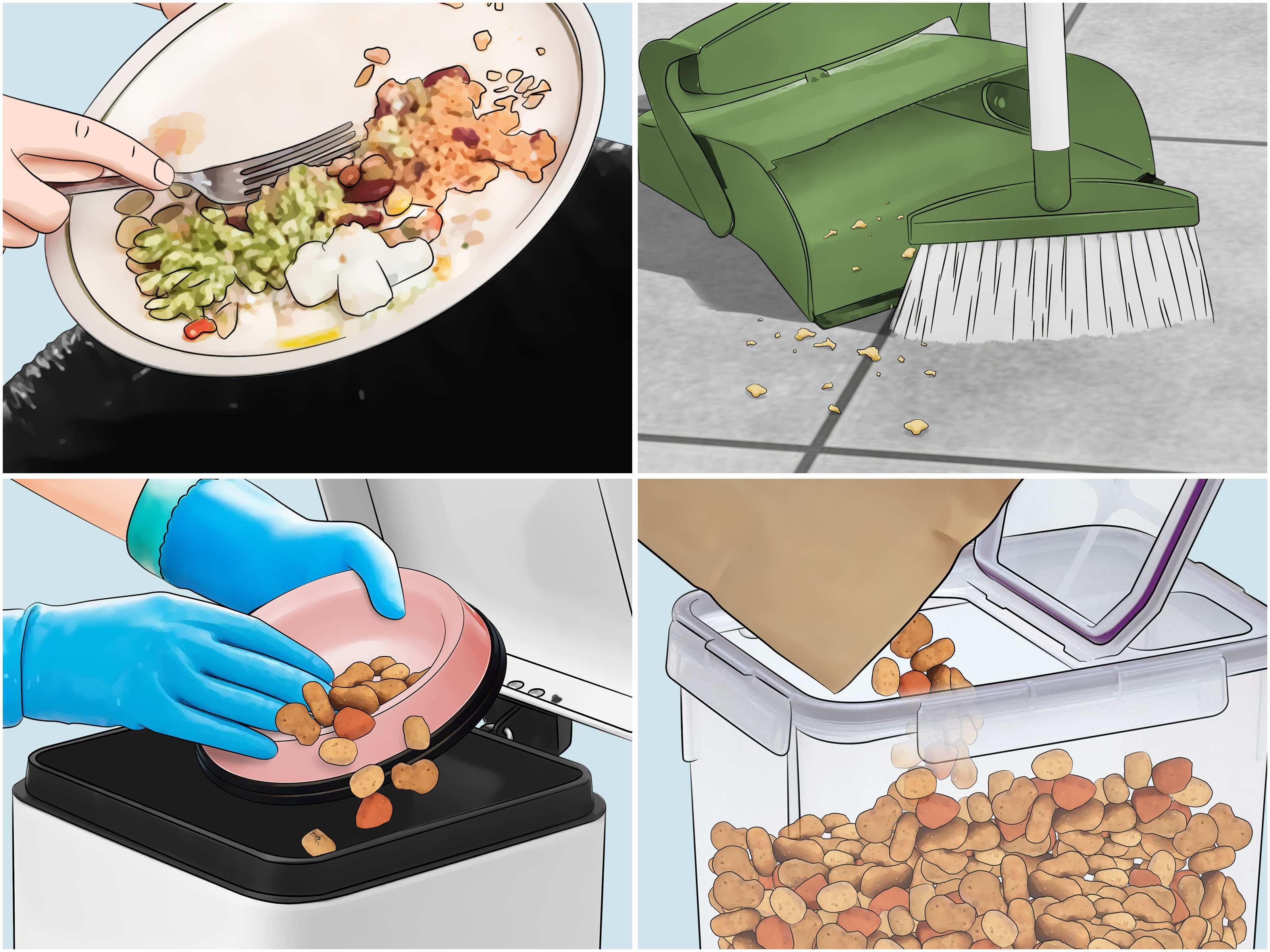
Store cereal, grains, pet food, bird seed, and snacks in sealed containers. Clean crumbs under appliances. Keep trash in tight-lidded bins. Avoid leaving pet food out overnight. Rodents are not picky. A forgotten cracker behind the couch can feel like a five-star buffet to a mouse.
Reduce Shelter
Clear clutter in garages, basements, sheds, and closets. Move firewood away from the house. Trim vegetation touching the roof or siding. Keep storage boxes off the floor when possible. Rodents love quiet hiding spots, and clutter is basically rodent real estate with free parking.
Use Traps Strategically
Place traps along walls, behind objects, near droppings, and close to suspected travel routes. For mice, multiple traps may be needed because they explore many areas. For rats, patience matters because rats can be cautious around new objects. Always follow product directions and keep traps away from children and pets.
When to Call a Professional
Call a licensed pest control professional if you find large numbers of droppings, keep seeing new droppings after cleanup, hear heavy movement in walls or ceilings, find burrows around the foundation, discover droppings in HVAC areas, or suspect rats rather than mice. You should also get help if the infestation is in a food business, rental property, childcare setting, healthcare space, or anywhere sanitation rules are strict.
Professionals can identify species, find entry points, set up a control plan, and recommend cleanup precautions. They can also tell the difference between mouse droppings, rat droppings, cockroach droppings, bat guano, and other lookalikes without turning the process into a guessing game.
Experience-Based Notes: What Homeowners Often Learn the Hard Way
In real homes, rodent-dropping identification is rarely as neat as a textbook photo. Lighting is bad, the pellets are wedged under a cabinet lip, and everyone involved is emotionally ready to move to a hotel. The first lesson is to slow down. One dropping does not tell the whole story. A pattern does. Homeowners who identify the problem fastest usually look at size, shape, location, and nearby damage together.
One common scenario starts in the kitchen. A homeowner opens a lower cabinet and finds tiny black pellets near a bag of rice or under the sink. The droppings are small, pointed, and scattered. There may be a few crumbs, a chewed corner of a pasta box, or a faint musky smell. That combination strongly suggests mice. The practical response is to remove food, disinfect safely, inspect behind appliances, and seal tiny gaps around plumbing lines. Many mouse problems start with a gap so small it looks harmless. To a mouse, that gap is a front door with excellent curb appeal.
Another common scenario happens in the garage or basement. The droppings are larger, fewer, and found near pet food, bird seed, trash, or a wall edge. There may be a greasy smudge along the baseboard or a gnawed plastic bin. That points more toward rats. In this case, simply placing a small mouse trap in the middle of the room is unlikely to solve the problem. The better approach is to remove food sources, inspect the perimeter, check for burrows or larger holes, and use control methods designed for rats.
A third lesson: new droppings after cleanup matter more than old droppings before cleanup. Many people panic after discovering dusty, gray, brittle pellets in an attic. Old droppings are still a cleanup concern, but they do not always mean the rodents are active today. After safe removal, monitoring is key. If new dark droppings appear within a day or two, the issue is active. If nothing returns, the problem may have been old activity from a previous season.
Finally, homeowners often underestimate sanitation. Rodent control is not only about catching the animal. It is about removing the invitation. Food crumbs, open pet food, clutter, leaky pipes, and easy entry points all work together. Fix those, and traps become much more effective. Ignore those, and rodents may keep returning like tiny, destructive guests who never RSVP.
Conclusion
Telling the difference between mouse and rat droppings is easier when you know what to look for. Mouse droppings are usually small, pointed, rice-like, and scattered in larger numbers. Rat droppings are bigger, thicker, often blunt or capsule-shaped, and commonly found near less-disturbed areas, food sources, burrows, basements, garages, or crawl spaces.
The best identification comes from combining clues: size, shape, quantity, location, freshness, damage, odor, and entry points. Once you find droppings, clean carefully, avoid sweeping or vacuuming, disinfect the area, seal openings, remove food sources, and monitor for new activity. Whether the culprit is a mouse, rat, or another pest, quick action protects your home, your food, and your peace of mind.
Note: Always treat rodent droppings as potentially contaminated. If the infestation is heavy, located in insulation or HVAC areas, or difficult to identify, contact a licensed pest control professional.