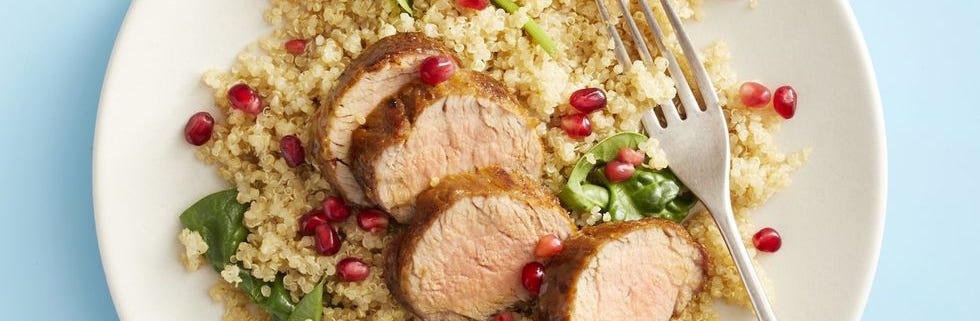
Pork tenderloin with quinoa pilaf is the kind of dinner that looks like it required a tiny culinary degree, a spotless apron, and a chef whispering “oui” in the background. In reality, it is wonderfully weeknight-friendly. The pork cooks quickly, the quinoa pilaf brings fluffy, nutty comfort, and a bright pan sauce ties everything together like the friend who remembers everyone’s birthday.
This recipe is built around a simple idea: juicy pork tenderloin deserves a side dish that can keep up. Quinoa pilaf does exactly that. It is lighter than mashed potatoes, more interesting than plain rice, and sturdy enough to absorb every drop of tangy-sweet sauce. With garlic, spinach, citrus, Dijon mustard, and a pop of pomegranate or dried cranberries, this dish lands somewhere between “healthy dinner” and “please invite me back.”
Why This Pork Tenderloin With Quinoa Pilaf Works
Pork tenderloin is naturally lean, tender, and fast-cooking. That is both a gift and a tiny warning label. Because it is lean, it can go from juicy to dry if treated like a forgotten sock in the dryer. The secret is to season it generously, sear it for flavor, roast or finish it gently, and use a thermometer instead of wishful thinking.
Quinoa pilaf works beautifully here because it brings texture and balance. Instead of boiling quinoa into a bland pile of beige pebbles, this recipe treats it like rice pilaf: rinse it, toast it with aromatics, simmer it in broth, let it rest, and fluff it with a fork. That process creates separate, tender grains with a delicate nutty flavor.
Recipe Overview
- Prep time: 15 minutes
- Cook time: 25 minutes
- Total time: About 40 minutes
- Servings: 4
- Main method: Pan-seared and oven-finished pork with stovetop quinoa pilaf
- Best for: Weeknight dinner, meal prep, healthy family meals, casual entertaining
Ingredients for Pork Tenderloin With Quinoa Pilaf
For the Pork Tenderloin
- 2 small pork tenderloins, about 3/4 pound each
- 1 1/2 teaspoons kosher salt
- 1 teaspoon freshly ground black pepper
- 1 teaspoon smoked paprika
- 1/2 teaspoon garlic powder
- 1/2 teaspoon dried thyme
- 1 tablespoon olive oil
- 1 tablespoon unsalted butter
For the Quinoa Pilaf
- 1 1/2 cups quinoa, rinsed well and drained
- 2 1/4 cups low-sodium chicken broth or vegetable broth
- 1 tablespoon olive oil
- 1 small yellow onion, finely diced
- 2 cloves garlic, thinly sliced or minced
- 4 cups baby spinach
- 1/3 cup pomegranate seeds or dried cranberries
- 1/4 cup toasted sliced almonds or chopped walnuts
- 1 tablespoon fresh parsley, chopped
- 1 teaspoon lemon zest
- 1 tablespoon fresh lemon juice
- Salt and black pepper, to taste
For the Tangy Dijon Pan Sauce
- 3 tablespoons white wine vinegar or apple cider vinegar
- 2 tablespoons orange marmalade or apricot preserves
- 2 teaspoons Dijon mustard
- 1/4 cup low-sodium chicken broth
- 1 teaspoon honey, optional
How to Make Pork Tenderloin With Quinoa Pilaf
Step 1: Rinse and Toast the Quinoa
Place the quinoa in a fine-mesh strainer and rinse it under cold water for 30 to 60 seconds. This helps remove the natural bitter coating that can make quinoa taste like it is holding a grudge. Drain it well.
Heat 1 tablespoon olive oil in a medium saucepan over medium heat. Add the onion and cook for 3 to 4 minutes, until softened. Stir in the garlic and cook for 30 seconds. Add the rinsed quinoa and toast for 2 minutes, stirring often. The quinoa should smell slightly nutty.
Step 2: Simmer the Pilaf
Add the broth, bring to a boil, then reduce the heat to low. Cover the pot and simmer for 12 to 15 minutes, or until the liquid is absorbed. Remove from heat and let it sit, covered, for 10 minutes. Do not skip this resting step. It is the difference between fluffy pilaf and quinoa that clumps together like it just heard bad news.
Step 3: Season the Pork
Pat the pork tenderloins dry with paper towels. In a small bowl, mix the salt, pepper, smoked paprika, garlic powder, and thyme. Rub the seasoning evenly over the pork. Drying the surface first helps create a better crust in the pan.
Step 4: Sear the Pork
Heat olive oil in a large oven-safe skillet over medium-high heat. Add the pork tenderloins and sear for 2 to 3 minutes per side, turning until browned all around. Add the butter during the final minute and spoon it over the pork for extra flavor.
Step 5: Roast Until Juicy
Transfer the skillet to a 400°F oven and roast for 8 to 12 minutes, depending on thickness. The pork is done when the thickest part reaches 145°F on an instant-read thermometer. Let it rest for at least 3 minutes before slicing. Resting allows the juices to settle so they stay in the meat instead of running across the cutting board in dramatic fashion.
Step 6: Make the Pan Sauce
Set the cooked pork on a cutting board. Place the skillet back on the stove over medium heat. Add the vinegar, marmalade, Dijon mustard, broth, and honey if using. Stir and scrape up the browned bits from the pan. Simmer for 2 to 3 minutes, until glossy and slightly thickened.
Step 7: Finish the Quinoa Pilaf
Fluff the quinoa with a fork. Fold in the spinach while the quinoa is warm so it wilts gently. Add pomegranate seeds or dried cranberries, toasted nuts, parsley, lemon zest, and lemon juice. Taste and adjust with salt and pepper.
Step 8: Slice and Serve
Slice the pork tenderloin into medallions. Spoon the quinoa pilaf onto plates, arrange pork slices on top or alongside, and drizzle with the Dijon pan sauce. Serve warm.
Chef-Style Tips for the Best Pork Tenderloin
Use a Meat Thermometer
Pork tenderloin is safest and juiciest when cooked to the proper internal temperature. The goal is 145°F followed by a short rest. At that temperature, the pork may still have a faint blush of pink in the center, which is normal for a properly cooked whole cut.
Do Not Overcook It
The biggest mistake with pork tenderloin is cooking it until it looks completely white and firm. That usually means it has gone too far. Pork tenderloin is lean, so a few extra minutes can make a big difference.
Let the Pork Rest Before Slicing
Cutting pork immediately after cooking releases precious juices. Give it a few minutes. Use that time to finish the sauce, fluff the quinoa, or proudly announce to the kitchen that dinner is “basically restaurant-level.”
Toast the Quinoa
Toasting quinoa with onion and garlic gives the pilaf a deeper flavor. It is a small step that makes the side dish taste intentional, not like a health-food afterthought.
Flavor Variations
Mediterranean Pork Tenderloin With Quinoa Pilaf
Add chopped kalamata olives, crumbled feta, parsley, cucumber, and cherry tomatoes to the quinoa. Swap the marmalade for a squeeze of fresh orange juice and a little honey.
Autumn Pork Tenderloin With Quinoa Pilaf
Use dried cranberries, toasted pecans, roasted butternut squash, and fresh sage. This version tastes like fall decided to wear a cozy sweater and bring a side dish.
Spicy Citrus Pork Tenderloin
Add 1/4 teaspoon cayenne pepper or chipotle powder to the pork rub. Finish the sauce with orange zest and a splash of lime juice for a bright, smoky kick.
What to Serve With Pork Tenderloin and Quinoa Pilaf
This dish is satisfying on its own, but it also plays nicely with simple sides. Roasted carrots, green beans, asparagus, Brussels sprouts, or a crisp cucumber salad all work well. If you want a more elegant dinner, serve it with a small arugula salad dressed with lemon vinaigrette.
For a family meal, add warm rolls or roasted sweet potatoes. For meal prep, divide the pork and quinoa into containers and add steamed vegetables. The flavors hold up well, and the sauce keeps the pork from tasting dry the next day.
Storage and Reheating Tips
Store leftover pork tenderloin and quinoa pilaf in airtight containers in the refrigerator for 3 to 4 days. For best texture, keep the sauce separate if possible. Reheat gently in the microwave at medium power or warm in a covered skillet with a splash of broth.
Avoid blasting the pork with high heat during reheating. Pork tenderloin is already lean, and aggressive reheating can make it tough. Think gentle spa day, not desert survival training.
Common Mistakes to Avoid
Skipping the Rinse
Quinoa can taste bitter if not rinsed. Even pre-rinsed quinoa benefits from a quick wash, especially if you are sensitive to its earthy flavor.
Adding Too Much Liquid
Quinoa pilaf should be fluffy, not soupy. A ratio of 1 cup quinoa to about 1 1/2 cups broth works well for a pilaf-style texture, especially when the quinoa rests after cooking.
Slicing the Pork Too Thick or Too Thin
Aim for medallions about 1/2 inch thick. Thin slices can dry out quickly, while overly thick slices miss the chance to catch sauce in every bite.
Experience Notes: What Cooking This Recipe Teaches You
The first time you make pork tenderloin with quinoa pilaf, you may be surprised by how quickly everything moves. Pork tenderloin is not a “wander off and reorganize the pantry” kind of cut. It rewards attention. Once it hits the hot skillet, the browning happens fast, and that golden crust becomes the flavor base for the whole dish. The smell of paprika, garlic, butter, and browned pork is your first sign that dinner is heading in the right direction.
The quinoa pilaf teaches a different lesson: patience. At first, quinoa looks tiny and unpromising, like birdseed with ambition. But after rinsing, toasting, simmering, and resting, it becomes fluffy, aromatic, and surprisingly elegant. The resting step is especially important. Many cooks open the lid too early, poke around, and wonder why the grains seem wet. Leave it alone for 10 minutes, then fluff with a fork. It is a tiny act of trust with a delicious payoff.
Another experience worth noting is the balance of flavors. Pork tenderloin is mild, so it welcomes bold companions. The Dijon and vinegar bring tang, marmalade adds sweetness, and the pan drippings add savory depth. When that sauce hits the quinoa, it turns the pilaf into more than a side dish. It becomes part of the main event.
Texture also matters. The pork should be tender and juicy, the quinoa fluffy, the nuts crunchy, and the pomegranate seeds bright and juicy. That contrast makes the dish feel complete. Without the nuts or fruit, the recipe still works, but with them, every bite has more personality.
This is also a great recipe for learning how to cook by temperature rather than fear. Many home cooks overcook pork because they are worried it is not safe. A thermometer solves that problem. Once you see how juicy pork tenderloin can be at 145°F with a proper rest, it becomes much easier to trust the process.
For entertaining, this recipe has another advantage: it looks polished without being fussy. You can make the quinoa pilaf first, keep it covered, sear and roast the pork, then finish the sauce right before serving. Slice the pork on a slight angle, spoon the sauce over the top, scatter a few herbs, and suddenly the table looks like you had a plan all along.
For meal prep, the dish is practical and satisfying. The quinoa holds its texture better than many leafy salads, and the pork can be sliced ahead for lunches. Add roasted vegetables and a little extra sauce, and you have a balanced meal that does not feel like punishment in a plastic container.
The best part is that this recipe is flexible. Once you understand the method, you can change the fruit, herbs, nuts, and sauce ingredients based on the season. Cranberries and pecans feel cozy in winter. Pomegranate and parsley feel festive. Lemon, dill, and almonds make it springy. The technique stays the same, but the personality changes.
Final Thoughts
The best pork tenderloin with quinoa pilaf recipe is not complicated; it is thoughtful. Sear the pork for flavor, cook it to the right temperature, let it rest, and pair it with a pilaf that has texture, brightness, and a little sparkle. The result is a dinner that feels wholesome without being boring, elegant without being fussy, and flavorful enough to make leftovers disappear suspiciously fast.
Whether you are making a healthy weeknight dinner, planning a small dinner party, or simply trying to rescue pork tenderloin from its unfair reputation as “dry diet meat,” this recipe delivers. It is juicy, colorful, balanced, and just fancy enough to make Tuesday feel like it put on a clean shirt.