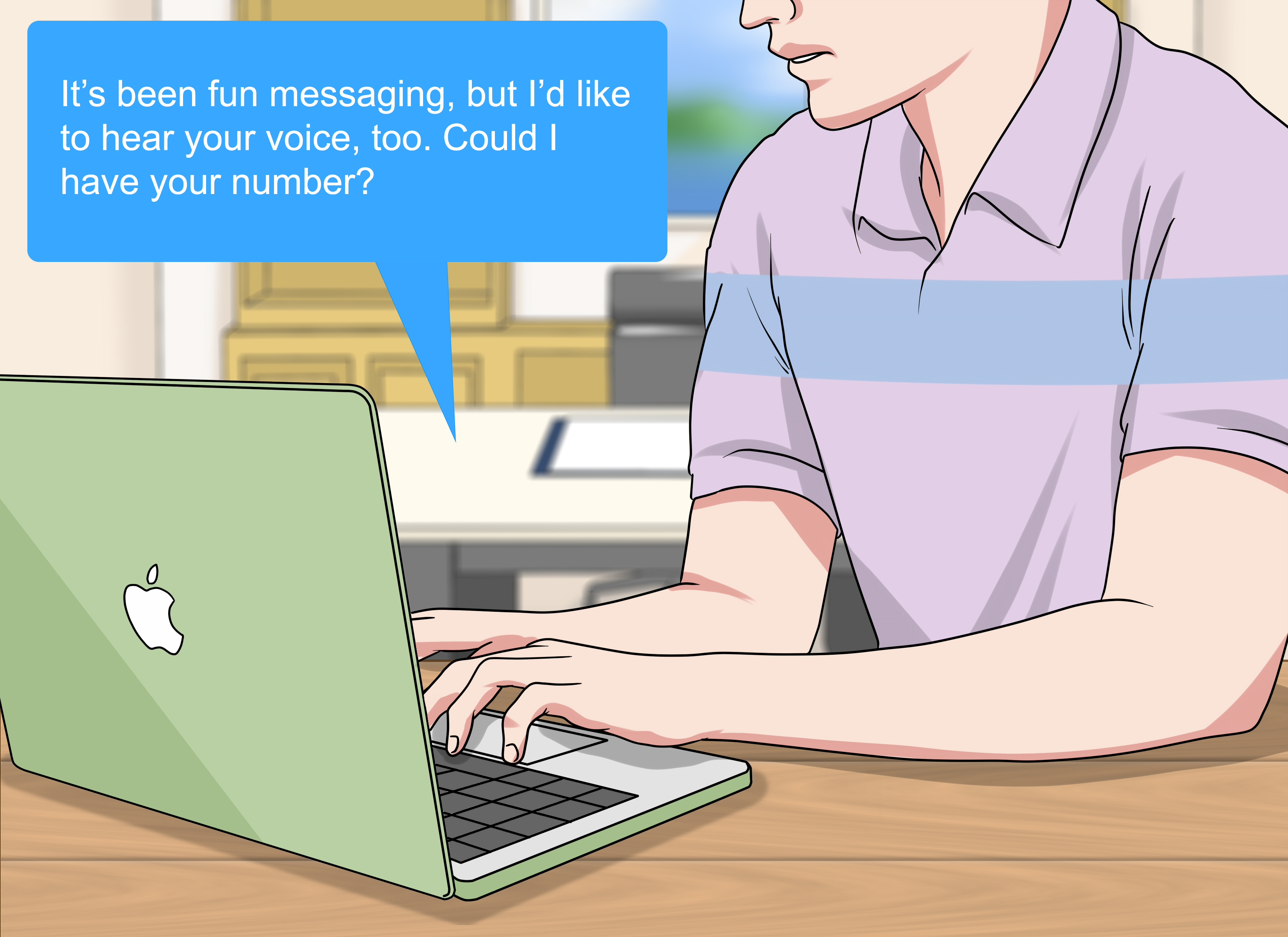
Starting a conversation online can feel weirdly high-stakes. You type one message, stare at it, delete it, type another, delete that too, and suddenly 15 minutes have passed and you are somehow emotionally attached to the phrase “hey lol.” The good news? Good conversation is not magic, and it is definitely not about pretending to be cooler, smoother, or more mysterious than you really are.
The best online conversations usually begin the same way good real-life conversations do: with attention, respect, curiosity, and timing. You do not need a “perfect line.” You need a message that feels personal, easy to answer, and normal enough that the other person does not feel like they are being interviewed by a robot or chased by a motivational speaker.
In this guide, you will learn how to start conversations naturally, what to say instead of boring openers, how to keep the chat going without forcing it, and how to avoid common mistakes that make messages fall flat. This article focuses on respectful, age-appropriate online communication skills you can use on social platforms, community spaces, school-related groups, and other appropriate places where conversation happens.
Why Most Online Openers Fail
Let’s start with the truth: most weak openers are not offensive. They are just forgettable. Messages like “hey,” “wyd,” “sup,” or “how are you” are not terrible, but they put all the work on the other person. A one-word opener often gets a one-word reply, and then the conversation dies quietly in a corner.
People respond better when a message gives them something to work with. That usually means one of three things: a comment on something specific, a playful observation, or an easy question that does not feel invasive. Strong conversation starters create momentum. Weak ones create homework.
Another reason messages fail is that they sound copied and pasted. If your opener could be sent to 50 different people without changing a word, it probably feels generic. Good conversation feels like it belongs to that moment and that person, not like it came out of a vending machine labeled “flirty but low effort.”
What Makes a Good Conversation Starter?
1. It feels personal
The best openers respond to something real: a post, a profile detail, a shared interest, a mutual activity, or a joke already sitting right there waiting to be used. When you reference something specific, you instantly sound more thoughtful.
2. It is easy to answer
Questions that are too broad can feel exhausting. “Tell me about yourself” is technically a conversation starter, but it also sounds like the beginning of a scholarship interview. Easier questions invite quicker replies. Think: “Which one would you choose?” or “That looks fun, was it worth it?”
3. It is light, not intense
At the beginning, keep things relaxed. Heavy personal questions, too much flattery, or trying to force chemistry immediately can make things awkward fast. Early conversation should feel like tossing a ball back and forth, not performing open-heart surgery on each other’s personalities.
4. It sounds like a human wrote it
Natural messages usually work better than overly polished ones. You do not need to sound like a poet, a dating coach, or a 19th-century novelist writing from a candlelit library. Clear and genuine beats dramatic every time.
Conversation Starters That Actually Work
Here are some examples of openers that feel more natural and more likely to get a response. Adapt them to fit the platform and the situation.
Comment on something specific
- “That sunset photo is unfairly good. Where was that taken?”
- “You mentioned you love horror movies. What is your all-time best bad scary movie?”
- “That playlist name is hilarious. I need to know what songs made the cut.”
Use low-pressure humor
- “Important question: are you judging people based on their snack choices, or is that just me?”
- “You seem like someone who has strong opinions about pizza. Am I right?”
- “I was going to send a brilliant opener, but now I am curious: what is the most chaotic thing you have eaten this week?”
Ask easy either-or questions
- “Be honest: beach trip or mountain trip?”
- “Would you rather have unlimited coffee or unlimited tacos?”
- “Early bird or night owl?”
Start with shared interests
- “You like photography too? What do you actually enjoy taking pictures of most?”
- “I saw you are into basketball. Do you play, watch, or both?”
- “You mentioned books. What is one book you would defend like it is a family member?”
These work because they are specific, easy to reply to, and open enough to continue naturally. They invite conversation instead of demanding performance.
How to Keep the Conversation Going
Ask follow-up questions that show you listened
If someone says they love cooking, do not jump to an unrelated topic immediately. Ask what they like making. Ask whether they cook for fun or because they got tired of bad takeout. A good follow-up tells the other person, “I am paying attention,” which is surprisingly rare and surprisingly effective.
Match the energy
If the other person is joking around, it is okay to be playful. If they are giving short, casual replies, do not suddenly send a six-paragraph monologue about your life philosophy. Good conversation often depends on pacing. Pay attention to length, tone, and timing.
Share, do not interrogate
A conversation should not feel like customs at the airport. If you ask a question, give something back. For example: “I am definitely a night owl. My brain starts working right when I should probably be asleep. What about you?” That creates balance.
Use details to build momentum
Small details create doors. If someone mentions they love baking, you can ask what they make best, what they always mess up, or whether cookies are objectively superior to cake. Suddenly the conversation has options. Tiny details are social gold.
Tips for Sounding Confident Without Being Weird
Be direct, but relaxed
Confidence is not about being overly bold. It is about being clear without trying too hard. A relaxed message like “You seem fun to talk to, so I had to say hi” works better than something over-the-top and theatrical.
Avoid trying to impress too early
You do not need to prove your worth in message number one. Bragging, overselling yourself, or trying to sound “alpha” usually backfires. Most people are more comfortable with someone who seems grounded, funny, and easy to talk to.
Do not overthink every word
Yes, timing matters. Yes, wording matters. No, you do not need a committee review for every sentence. If your message is respectful, clear, and personal, send it. The obsession with being “perfect” often kills the spontaneity that makes conversation feel real.
Mistakes to Avoid
1. Starting too generic
“Hey” is not illegal, but it is not exactly carrying the team. Add context, personality, or a question.
2. Coming on too strong
Too much flattery too fast can feel uncomfortable. Keep it light early on. Respect matters more than trying to sound smooth.
3. Asking overly personal questions too soon
Good conversations build gradually. You do not need to ask deeply personal questions right away. Start with shared interests, everyday opinions, and fun topics.
4. Sending too many messages in a row
If someone has not replied yet, let the conversation breathe. Sending multiple follow-ups can make the interaction feel pressured. One message is enough. Two might be okay in the right context. Seven is how you accidentally become a cautionary tale.
5. Forcing jokes that do not fit
Humor can help a lot, but trying too hard to be funny can make things awkward. Use the kind of humor that feels natural to you.
Examples of Better vs. Worse Messages
Generic opener
Worse: “Hey”
Better: “Your music taste looks dangerously good. What is one song you never skip?”
Too intense
Worse: “You are the most beautiful person I have ever seen.”
Better: “You seem like you would be fun to talk to, so I wanted to say hi.”
Interview mode
Worse: “Where are you from? What do you do? What are your hobbies?”
Better: “You mentioned traveling. What place surprised you the most?”
The “better” versions are not magical. They are just more human. That is the whole game.
How to Know When a Conversation Is Going Well
A good conversation usually has rhythm. The replies are not just polite; they add something. The other person asks you questions back. They respond to your jokes, bring up new topics, or refer back to something you said earlier. Those are all signs of interest.
On the other hand, if replies are consistently one-word answers, delayed without explanation, or lacking any curiosity, it may simply not be a match. That is okay. Not every conversation is supposed to turn into a great one. Sometimes the best social skill is recognizing when not to force it.
Respect, Boundaries, and Online Safety
Respect is not just a bonus feature. It is the entire foundation. Good conversations happen when both people feel comfortable. That means no pressure, no guilt, no manipulation, and no trying to force someone into responding faster or more warmly than they want to.
Keep personal information private until trust is built. Be careful with what you share. If someone makes you uncomfortable, you do not owe them continued conversation. And if someone is not interested, the mature move is to accept it and move on.
The strongest communication skill online is not having a clever line. It is knowing how to be kind, observant, and respectful while still sounding like yourself.
Experience and Real-World Lessons From Online Conversations
One of the biggest lessons people learn from online messaging is that success usually comes from attention, not performance. Many people start out believing they need a perfect opener or some brilliantly funny message that instantly makes them unforgettable. Then experience teaches them something much simpler: the messages that land best are usually the ones that feel the most real.
For example, a lot of people discover that referencing a small detail works better than delivering a rehearsed joke. Mentioning someone’s favorite movie, commenting on an interesting hobby, or asking about a place in a photo gives the conversation somewhere to go. It shows effort without turning the interaction into a dramatic event. In practice, this tends to create more comfortable and more natural replies.
Another common experience is learning that confidence is quieter than people think. Inexperienced messagers sometimes try to impress immediately by sounding overly bold, overly flirty, or overly polished. But over time, many realize that calm confidence works better. A short, thoughtful message often beats a flashy one because it feels more genuine. Instead of trying to “win” the interaction, experienced communicators focus on making the conversation easy and enjoyable.
People also learn that momentum matters. A strong opener helps, but it is the follow-up that often determines whether the chat goes anywhere. Someone might respond to an opener about music, but the conversation only becomes interesting when the next message builds on that topic: favorite concert, guilty pleasure song, best song for a bad day, and so on. Real connection often grows from simple threads that get a little more personal over time.
Timing becomes another big lesson. Many people notice that not every great message gets an instant reply, and that does not always mean the conversation failed. Sometimes the other person is busy, distracted, or not in the mood to talk. With more experience, people stop treating every delay like a crisis. They become more patient, less reactive, and much better at reading the actual quality of the exchange instead of obsessing over response speed.
Another important real-world lesson is that not every conversation should be rescued. Beginners often try to save every weak chat with more jokes, more questions, or more effort. Later, they realize that chemistry cannot be dragged uphill forever. If the other person is not engaged, the healthiest response is usually to let the conversation go. That does not mean anyone failed. It just means not every interaction is the right fit.
Experience also teaches people to trust simple kindness. Being respectful, noticing details, asking reasonable questions, and avoiding pressure may sound basic, but those habits consistently outperform gimmicks. People remember how a conversation felt. If it felt easy, safe, and fun, that matters more than whether the opener was “genius.”
In the end, the most valuable experience is realizing that online conversation is a skill, not a talent some people are born with. The more you practice being observant, relaxed, and genuine, the better you get. And thankfully, that skill does not require cheesy lines, fake confidence, or pretending to be someone you are not.
Final Thoughts
If you want better online conversations, stop hunting for a magical opening line and start focusing on what actually works: noticing details, asking easy questions, sharing naturally, and keeping the tone respectful. Good conversation starters are not about tricks. They are about making it easy for the other person to respond and enjoyable for them to keep talking.
The goal is not to sound perfect. The goal is to sound present. When you bring curiosity, humor, and respect into your messages, conversations tend to feel more naturaland that is usually what makes them memorable.