Old stains are the drama queens of the cleaning world. Fresh stains might panic, spread out, and leave in a hurry. Old stains, on the other hand, unpack a suitcase, sign a lease, and decide they belong to the fabric now. That mystery blotch on your favorite T-shirt? The coffee shadow on the table linen? The suspicious grease mark on the couch that has clearly seen things? They all seem permanentuntil you use the right household item for the right kind of mess.
The good news is that you do not always need a fancy stain-removal product with a name that sounds like a chemistry midterm. In many cases, common household items already sitting in your kitchen, laundry room, or bathroom can loosen, lift, or absorb old stains surprisingly well. The trick is matching the stain to the cleaner instead of waging random war with whatever bottle is closest. Cleaning is not just effort. It is strategy with better lighting.
Below are seven common household items that can actually help remove old stains from clothes, upholstery, carpets, and household linensplus tips on when to use them, when not to use them, and how to avoid turning a small stain into a bigger, moodier one.
Why Old Stains Are So Stubborn
Before diving into the household all-stars, it helps to understand why old stains are harder to remove. Time lets the stain bind more tightly to fabric fibers or porous surfaces. Heat from a dryer can “set” the stain even further. Oils oxidize, proteins cling, pigments sink deeper, and suddenly a tiny spill starts acting like a tattoo.
That is why old stain removal usually works best when you do three things: soften the stain, break down what is holding it in place, and then lift or wash away the residue. You also need patience. Old stains rarely vanish after one dramatic wipe like they do in commercials. Real life is usually more of a blot, wait, rinse, repeat situation.
1. Liquid Dish Soap
Best for grease, food oil, makeup smudges, and mystery grime
If a stain looks slick, greasy, or suspiciously shiny under the light, liquid dish soap is often your first line of defense. That is because dish soap is designed to break down grease on dishes, and it can do a similar job on oily stains in fabric and upholstery. Think salad dressing, butter, cooking oil, body oil, and some cosmetic stains.
For an old stain, apply a small amount directly to the affected area and gently work it in with your fingers, a soft toothbrush, or a clean cloth. Let it sit for a bit so it can loosen the oils before rinsing or laundering. On upholstery, use only a small amount diluted with water and blot instead of soaking the fabric.
Dish soap is especially helpful when an “old stain” turns out to be a grease stain you did not notice until after washing. That is a classic trap. Clothes come out of the dryer looking clean, then you catch a weird dark spot in daylight and realize the stain has been promoted to management. Dish soap can still help by cutting through the residual oil that regular washing missed.
Watch out: Use only a little. Too much soap can leave residue, especially on cushions and carpet. Also, avoid aggressive scrubbing, which can rough up fibers and spread the stain instead of lifting it.
2. Liquid Laundry Detergent
Best for set-in clothing stains, general laundry stains, and everyday fabric rescue jobs
It may not sound glamorous, but plain liquid laundry detergent deserves respect. For old stains on washable clothing, towels, sheets, and table linens, it is often one of the smartest things to try first. Why? Because modern detergent is made to loosen soil, oils, food residue, and body grime while staying safe enough for repeated use on fabric.
For set-in stains, place a few drops directly on the stain, work it in gently, and let it sit before washing. This simple pre-treatment step can make a huge difference, especially for old food stains, dingy cuffs, collar marks, and mystery laundry spots that showed up after drying.
Laundry detergent is the “boring but dependable” friend in the stain world. It does not get all the social media hype of fizzy DIY hacks, but it often performs better because it is actually built for fabric care. If you are dealing with an older stain and do not know exactly what caused it, starting with liquid detergent is usually a smarter move than launching straight into a chemistry experiment.
Watch out: This works best on washable fabrics. Always check the care label first, especially for wool, silk, rayon, or dry-clean-only pieces.
3. Distilled White Vinegar
Best for coffee, tea, sweat residue, mild yellowing, and odor-heavy stains
White vinegar is one of those household items that seems to have a side hustle in every room of the house. When it comes to old stains, its mild acidity can help loosen certain tannin stains, residue buildup, and dinginess. It is especially useful for coffee, tea, light sweat stains, and fabrics that seem dull because detergent residue never fully rinsed away.
You can dilute white vinegar with water and apply it to a stain before laundering, or use it as part of a soak for washable items. It can also help deodorize odor-heavy stains, which is useful when the stain is not only visible but also has the nerve to smell bad.
Vinegar is particularly handy when a stain has become part discoloration, part residue problem. Sometimes the issue is not just the original spill. It is also trapped soap, mineral buildup, or fabric dullness that makes the mark look older and more stubborn than it really is.
Watch out: Do not use vinegar on natural stone like marble or granite, and do not mix it with bleach or other random cleaners. Also, vinegar is useful on its own, but it is not magic just because it fizzes when mixed with baking soda. Once the fizz is over, the cleaning power of that combo drops off fast.
4. Baking Soda
Best for absorbing grease, brightening dingy areas, and making a gentle stain-lifting paste
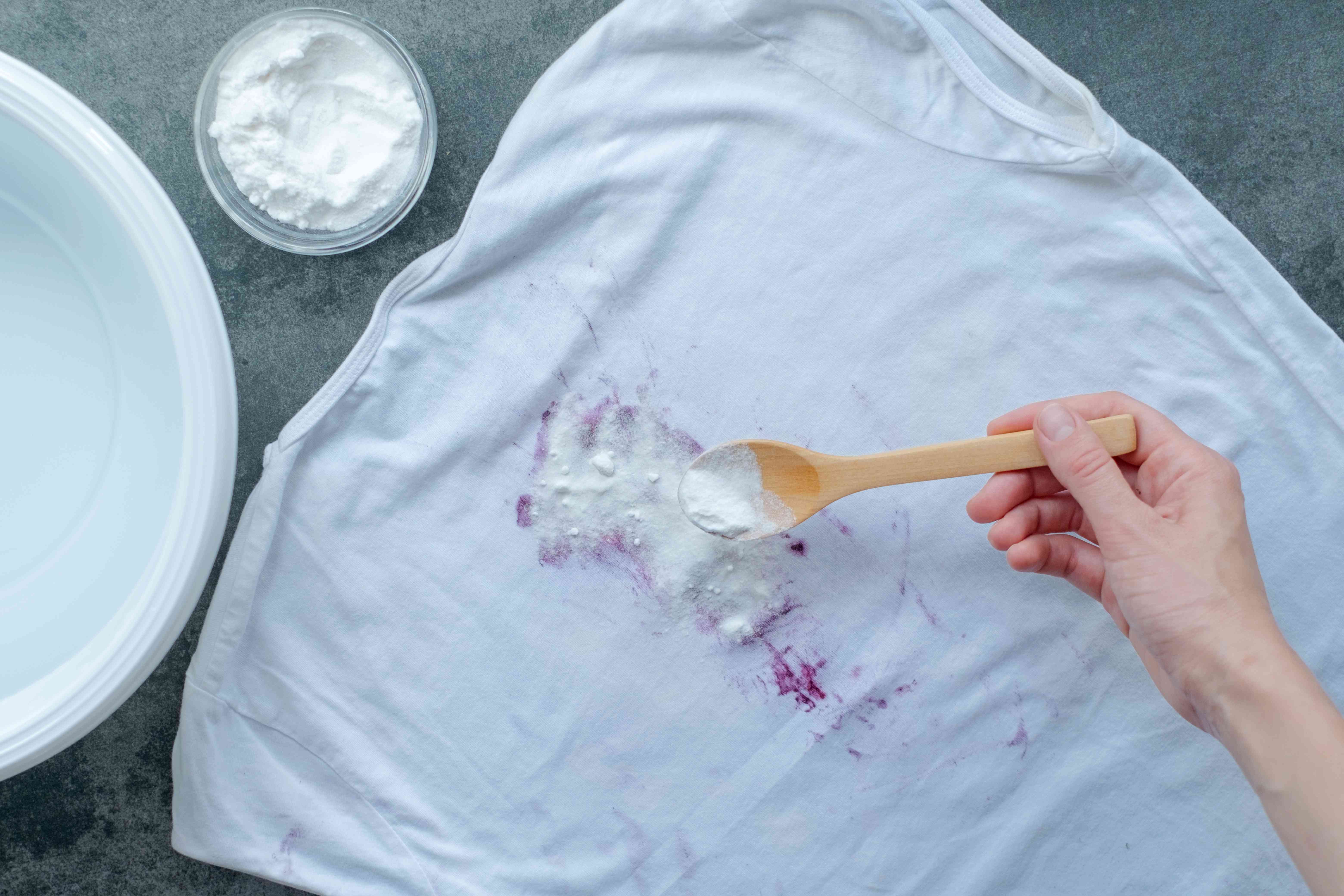
Baking soda is the overachiever of the pantry. It can absorb oil, act as a mild abrasive, and help brighten stained or dingy fabricespecially white or light-colored items. For old stains, baking soda often works best as a paste with water or as a dry absorbent sprinkled over oily spots.
On an old grease stain, sprinkle baking soda over the area and let it sit so it can pull some of the oil out before brushing it off. On older fabric stains, a paste can help loosen residue and give you a little extra cleaning power without going full sandpaper on the material.
Baking soda is also handy when a stain is mixed with odor or buildup. Think armpit yellowing, food splatter on kitchen linens, or grimy fabric that just looks tired. It is not a miracle cure for everything, but it is genuinely useful when matched with the right mess.
Watch out: Baking soda is not a cure-all, and it is not automatically better when paired with vinegar. Use it because it is a mild abrasive and absorbent, not because the internet likes bubbles.
5. Hydrogen Peroxide
Best for blood, sweat stains, yellowing, wine marks, and other stubborn organic stains on colorfast light fabrics
Hydrogen peroxide is one of the most effective common household items for certain old stains, especially protein-based or organic stains like blood and sweat. It can also help with yellowing and some wine or food stains. The reason it works so well is that it has mild oxidizing power, which helps break down discoloration.
To use it, dab a small amount onto the stain, let it work briefly, then blot and rinse before laundering. On light-colored, colorfast fabrics, it can be a game changer. On white shirts with old underarm staining, for example, hydrogen peroxide is often far more useful than wishful thinking and fresh disappointment.
It can also help when an old stain looks “baked in” from previous wash-and-dry cycles. That said, this is the household item most likely to remind you that stain removal is a science fair with consequences, so caution matters.
Watch out: Hydrogen peroxide can lighten some fabrics. Always test an inconspicuous area first, especially on darker colors. Never freestyle mix it with other cleaners just because your sink looks like a laboratory and you suddenly feel powerful.
6. Rubbing Alcohol
Best for ink, marker, makeup, sticky residue, and highly pigmented stains
When the stain is inky, stubborn, or weirdly colorful, rubbing alcohol can be the hero. It is especially useful for ballpoint pen marks, permanent-marker mishaps, certain makeup stains, and sticky residue from labels, gum, or waxy messes. In other words, it is great for stains that seem less like “dirt” and more like a personal attack.
Apply rubbing alcohol to a cloth or cotton pad, then blot the stain gently from the outside inward. This helps avoid spreading the pigment. Place a towel or clean cloth behind the stain if possible, so the dissolved color has somewhere to go besides deeper into the fabric.
This is one of the best tricks for those maddening stains that laugh at soap and water. If a hoodie has an old pen mark or a napkin accidentally took a hit from lipstick, rubbing alcohol can often do what ordinary washing never could.
Watch out: It is flammable, so keep it away from heat. It is also not suitable for every fabric. Delicate materials like silk, wool, rayon, and some leather finishes can react badly, so always spot test first.
7. Cornstarch
Best for old oil stains on upholstery, delicate fabrics, and non-washable surfaces
Cornstarch does not get the fame it deserves. For oily old stainsespecially on items you cannot just toss into the washerit can be a quiet lifesaver. Cornstarch works by absorbing oil and greasy residue, which makes it especially useful on upholstery, cushions, and delicate fabrics that need a gentler approach.
Sprinkle it generously over the stained area, let it sit for several hours or overnight, then brush or vacuum it away. You may need to repeat the process if the stain has been there long enough to pay property taxes. After that, follow up with a gentle cleaner if needed.
Cornstarch is ideal when water would make the situation worse. Some fabrics do not like being soaked, and some stains need to be lifted gradually instead of scrubbed aggressively. This is where cornstarch earns its keep.
Watch out: Cornstarch is best on oily stains, not every kind of stain. If the mark is from ink, coffee, or tomato sauce, another item on this list will likely do a better job.
How to Choose the Right Household Item for the Stain
- Grease and oil: Start with dish soap, laundry detergent, or cornstarch.
- Coffee, tea, and mild discoloration: Try diluted white vinegar or detergent pre-treatment.
- Blood, sweat, and yellowing: Hydrogen peroxide can help on safe, colorfast fabrics.
- Ink, marker, and makeup: Reach for rubbing alcohol.
- Dingy buildup and light residue: Baking soda or vinegar may help, depending on the surface and stain type.
How to Avoid Making an Old Stain Worse
There is one universal rule in stain removal: do not make the sequel worse than the original. Always test a hidden spot first. Blot instead of rubbing when possible. Work from the outside of the stain toward the center. Rinse out cleaning residue so you do not leave a second problem where the first one used to be. And most important, do not put a garment in the dryer until the stain is truly gone. Heat is the final boss.
Also, do not assume every DIY mix is a smart mix. Some ingredients are helpful alone and less helpful together. Others should not be combined at all. Cleaning should leave you with a cleaner shirt, not a dramatic cautionary tale.
What Real-Life Stain Battles Teach You
If there is one thing people learn after enough laundry mishaps, it is that old stains are deeply humbling. They always seem to appear at the worst possible moment. The mystery spot on a shirt you were about to wear out. The gravy blotch on the holiday tablecloth you only unfold twice a year. The strange shadow on the sofa cushion that you somehow did not notice until sunlight hit it at exactly the right angle and exposed the truth.
Real-life experience with old stains usually starts with denial. First you pretend the mark is not there. Then you decide maybe it is “part of the texture.” Then, after a few more days of avoidance, you accept that the stain has become a member of the household and needs to be addressed. That is when the household items above become less like random supplies and more like a tiny cleaning emergency team.
People often discover, for example, that grease stains are sneakier than dramatic red spills. A pasta sauce splatter gets attention immediately because it is bright and obvious. A butter or salad oil stain waits until after the wash, then shows up after drying like it has been plotting its comeback. That is why dish soap and cornstarch earn so much respect in real homes. They help with stains that do not just sit on top of the fabric. They settle in quietly and act innocent.
There is also the experience of learning that “scrubbing harder” is not always the answer. A lot of people damage fabric before they remove the stain. Upholstery pills. Shirt fibers roughen. Carpet gets fuzzy. Over time, you realize that blotting, waiting, and repeating often work better than attacking the stain like it owes you money. Old stains reward patience more than aggression.
Another common lesson is that the dryer is not your friend when a stain is only mostly gone. Plenty of people have washed something, checked it quickly, thought it looked fine, and then discovered after drying that the mark is now more permanent than ever. That experience changes you. After that, you become the person who inspects damp laundry under bright light like a detective reviewing evidence.
Then there is the strangely satisfying moment when the right cleaner finally matches the right stain. The pen mark starts lifting with rubbing alcohol. The yellowed shirt brightens after hydrogen peroxide. The couch armrest looks better after cornstarch and gentle blotting. It is not glamorous, but it feels victorious in a very adult, very practical way. Not parade-worthy, perhaps, but definitely worth a quiet little fist pump in the laundry room.
Most of all, experience teaches that stain removal is less about miracles and more about method. The best results usually come from knowing what kind of stain you are dealing with, choosing the right household item, and giving it time to work. That is good news, because it means you do not need a cabinet full of mystery products. Often, the answer is already in your home, waiting next to the dish soap, under the sink, or in the pantry, ready to rescue your favorite fabric from its former life as a cautionary tale.
Conclusion
Old stains may be stubborn, but they are not unbeatable. With the right household itemand a little patienceyou can often lift grease, ink, sweat, coffee, food, and other set-in messes without buying a specialty product for every tiny disaster. Dish soap tackles oil, laundry detergent handles everyday fabric rescue, vinegar helps with buildup and tannins, baking soda absorbs and brightens, hydrogen peroxide targets organic stains, rubbing alcohol breaks through pigmented marks, and cornstarch quietly works wonders on oily upholstery.
The secret is not using more product. It is using the right product. So the next time an old stain stares back at you like it pays rent, do not panic. Grab the correct household helper, test carefully, and remind that stain that this is still your house.