There are two kinds of pasta dinners in this world: the ones you politely eat because dinner is dinner, and the ones that make you stand over the stove for “just one more bite” before anyone else gets to the table. Shrimp scampi with linguine belongs firmly in the second group. It is buttery, garlicky, lemony, glossy, and just dramatic enough to make a Tuesday night feel suspiciously like a restaurant date.
The beauty of the best shrimp scampi with linguine recipe is that it tastes fancy while behaving like a very reasonable weeknight meal. You do not need a culinary degree, a copper pan from Italy, or the patience of a saint. You need shrimp, linguine, garlic, butter, olive oil, lemon, a splash of white wine, and the self-control not to overcook the shrimp into little pink commas of disappointment.
This guide walks you through how to make shrimp scampi with linguine the right way: bright, silky, and loaded with flavor. You will get the ingredients, the method, the common mistakes, smart substitutions, and the practical little tricks that separate a good shrimp scampi pasta from one that makes people ask for the recipe before dessert shows up.
Why This Shrimp Scampi with Linguine Recipe Works
A great shrimp scampi recipe is all about balance. Butter brings richness, olive oil keeps the sauce from feeling too heavy, garlic delivers backbone, lemon wakes everything up, and white wine adds depth without turning the dish into a science project. Linguine is especially good here because the flat strands catch the sauce better than skinny noodles that let all the flavor slide away like a bad apology.
Another reason this dish works so well is speed. Shrimp cook fast. The sauce comes together fast. The pasta takes the longest, which is honestly very comforting if you are the sort of person who starts dinner hungry and then becomes personally offended that food takes time.
The result is a pasta dish that feels rich but not sleepy, elegant but not fussy, and flavorful without relying on cream, heavy cheese, or a mile-long ingredient list. In other words, this is the kind of dinner that looks like effort and tastes like confidence.
Ingredients for the Best Shrimp Scampi with Linguine
Main Ingredients
- 12 ounces linguine
- 1 1/2 pounds large or jumbo shrimp, peeled and deveined
- 3 tablespoons olive oil
- 4 tablespoons unsalted butter
- 5 to 6 garlic cloves, finely minced
- 1/2 teaspoon crushed red pepper flakes
- 1/2 cup dry white wine
- 1 large lemon, zested and juiced
- 1/3 cup chopped fresh parsley
- Salt and freshly ground black pepper, to taste
- 1/2 cup reserved pasta water, plus more as needed
Optional Add-Ins
- 2 tablespoons grated Parmesan for a savory finish
- 1 tablespoon capers for briny punch
- Cherry tomatoes for sweetness and color
- Extra butter for a richer, restaurant-style sauce
Use raw shrimp, not pre-cooked shrimp. Pre-cooked shrimp turn rubbery faster than you can say “Why is dinner chewing back?” Large or jumbo shrimp give the best texture and stay juicy in the pan. Fresh lemon is better than bottled juice here because the flavor is cleaner and brighter. And yes, real garlic matters. This is not the moment for garlic powder to audition as the lead.
How To Make Shrimp Scampi with Linguine
Step 1: Boil the pasta
Bring a large pot of well-salted water to a boil. Cook the linguine until just al dente according to package directions. Before draining, reserve at least 1/2 cup of the pasta water. This starchy water is your secret weapon for building a silky sauce that coats the noodles instead of puddling at the bottom of the bowl.
Step 2: Prep the shrimp the smart way
Pat the shrimp very dry with paper towels, then season lightly with salt and black pepper. Dry shrimp sear better and release less water into the pan. That means better flavor, better texture, and less chance of ending up with a watery sauce that tastes like regret.
Step 3: Build the flavor base
Heat the olive oil and 2 tablespoons of butter in a large skillet over medium heat. Add the garlic and red pepper flakes. Cook for about 30 seconds to 1 minute, just until fragrant. Do not brown the garlic. Burned garlic can make the entire dish taste bitter, and no amount of lemon can negotiate that peace treaty.
Step 4: Cook the shrimp
Add the shrimp in a single layer. Cook for 1 to 2 minutes per side, depending on size, until they turn pink and opaque. Remove them from the skillet as soon as they are done. Shrimp are wonderfully fast and wonderfully dramatic; leave them in too long and they go from tender to bouncy with alarming speed.
Step 5: Make the scampi sauce
Pour the white wine into the skillet and scrape up any flavorful bits from the bottom. Let it simmer for 2 to 3 minutes until slightly reduced. Stir in the lemon zest, lemon juice, and remaining 2 tablespoons of butter. Once the butter melts, the sauce should look glossy and smell like you suddenly know what you are doing.
Step 6: Toss everything together
Add the drained linguine to the skillet, along with a splash of the reserved pasta water. Toss until the noodles are coated. Return the shrimp to the pan and add the parsley. Toss again gently. If the pasta looks tight or dry, add a little more pasta water, one splash at a time, until the sauce loosens and clings beautifully to the linguine.
Step 7: Taste and serve
Taste for salt, pepper, and lemon. Serve immediately, with extra parsley and lemon wedges if you like. A little Parmesan is optional, though purists may clutch their pearls at the suggestion. Fortunately, your kitchen is not a courtroom.
Pro Tips for the Best Shrimp Scampi Pasta
1. Do not overcook the shrimp
This is the biggest rule. Shrimp need only a few minutes in the pan. Once they are opaque and gently curled, they are done. Overcooked shrimp taste firmer, smaller, and sadder.
2. Reserve more pasta water than you think you need
That starchy water helps emulsify the butter, oil, wine, and lemon into a smooth sauce. Without it, the dish can feel greasy instead of glossy.
3. Use both butter and olive oil
Butter alone can feel heavy, while olive oil alone can miss that luxurious scampi character. Together they create a balanced sauce with both richness and lift.
4. Cook garlic briefly
Garlic should be fragrant, not browned. Think “golden perfume,” not “campfire incident.”
5. Add lemon at the end
Adding lemon juice late keeps the flavor bright. Long cooking can flatten citrus, and shrimp scampi should taste lively, not sleepy.
6. Use a large skillet
You need room to toss the pasta properly. A cramped pan means uneven cooking and noodles that fling sauce across the stove like tiny buttery protest signs.
Easy Variations You Can Try
Garlic Butter Shrimp Scampi with No Wine
If you do not want to cook with wine, replace it with chicken stock or seafood stock and finish with a little extra lemon juice. The flavor will be slightly different but still bright and delicious.
Spicy Shrimp Scampi Linguine
Increase the red pepper flakes or add a finely chopped fresh chili. The heat plays well with the butter and lemon, giving the pasta a little swagger.
Creamy Shrimp Scampi Pasta
Want a richer spin? Add a small splash of heavy cream at the end. This is no longer the classic route, but it is a very cozy detour.
Shrimp Scampi with Vegetables
Cherry tomatoes, spinach, asparagus, or zucchini fit naturally into this dish. Add quick-cooking vegetables toward the end so they stay fresh and colorful.
Common Mistakes To Avoid
- Using wet shrimp: Excess moisture prevents proper searing and dilutes the sauce.
- Skipping the pasta water: The sauce will have a harder time coating the linguine.
- Adding too much lemon too early: You want brightness, not a sour ambush.
- Cooking garlic over high heat: Burned garlic can ruin the whole skillet.
- Waiting too long to serve: Shrimp scampi is best hot and fresh, right when the sauce is glossy.
What To Serve with Shrimp Scampi with Linguine
This dish is rich and bright, so it pairs well with simple sides. A crisp green salad with vinaigrette works beautifully. Garlic bread is an obvious choice, mostly because that sauce deserves backup. Roasted asparagus, broccolini, or green beans also bring a little freshness to the table without competing with the pasta.
For drinks, chilled white wine is classic if you are serving adults. Sparkling water with lemon also works nicely and makes the meal feel a little polished without trying too hard.
How To Store and Reheat It
Store leftovers in an airtight container in the refrigerator for up to 2 days. Reheat gently in a skillet over low heat with a splash of water or broth. Microwave reheating works in an emergency, but the shrimp can toughen if blasted too hard. This is a delicate dinner, not a dare.
Freezing is not ideal. The sauce can separate and the shrimp can lose their tender texture. Shrimp scampi is one of those meals that lives its best life fresh from the skillet.
Final Thoughts
If you have been looking for the best shrimp scampi with linguine recipe, this version checks all the boxes: fast, flavorful, elegant, and practical. It delivers restaurant-style results without turning your kitchen into a culinary obstacle course. The sauce is buttery but not heavy, lemony but not sharp, garlicky but not aggressive, and the shrimp stay tender when treated with the tiny bit of respect they demand.
Learning how to make shrimp scampi with linguine is really about understanding timing and balance. Once you know that, the dish becomes wonderfully repeatable. It is perfect for weeknights, birthdays, casual entertaining, or any evening when you want dinner to feel like a reward.
And that is the magic of shrimp scampi pasta. It looks impressive, tastes luxurious, and comes together fast enough that you can still have the energy to enjoy it. Which, frankly, should be the mission statement of every great dinner.
Kitchen Experiences: What Making Shrimp Scampi with Linguine Really Feels Like
There is a reason shrimp scampi with linguine keeps showing up in home kitchens, dinner parties, and “I need something good but not ridiculous” meal plans. It creates an experience. Not a life-changing spiritual awakening, maybe, but definitely the kind of experience that makes people hover near the stove and ask, “Is it ready yet?” every four minutes.
The first time many home cooks make shrimp scampi, there is usually a tiny moment of panic. The pasta is boiling, the garlic is sizzling, the shrimp are cooking quickly, and suddenly dinner feels like a high-speed group project. Then the sauce comes together. The butter melts into the olive oil, the wine reduces, the lemon hits the pan, and everything starts smelling so outrageously good that the stress leaves the room. In its place comes a very satisfying thought: Oh. I am absolutely pulling this off.
One of the best parts of making this dish is how quickly it rewards attention. You pat the shrimp dry, mince the garlic, chop the parsley, and within minutes your kitchen smells like a restaurant that charges too much for sparkling water. It is one of those rare recipes where a small amount of effort creates a big emotional payoff.
There is also something wonderfully theatrical about tossing the linguine into the skillet. The pasta slides into the glossy sauce, the shrimp return to the pan, and suddenly the whole dish transforms from separate ingredients into an actual event. This is the moment when people conveniently wander into the kitchen pretending they were “just passing by.” They were not. They smelled the garlic butter and followed their instincts.
For beginner cooks, shrimp scampi can feel like a confidence builder. It teaches a lot without being punishing. You learn how quickly shrimp cook. You learn why pasta water matters. You learn that lemon added at the end tastes brighter. You learn that garlic needs supervision, because garlic absolutely will misbehave when ignored. These are useful kitchen lessons wrapped inside a dinner that still feels indulgent and fun.
For experienced cooks, the joy is different. Shrimp scampi offers room to improvise. Some nights you make it classic. Some nights you add capers, tomatoes, basil, or a little extra heat. Some nights you skip the wine and use stock. Some nights you make it extra lemony because life has been dull and you need your pasta to show a little personality. The dish bends without breaking, which is part of why it stays in rotation.
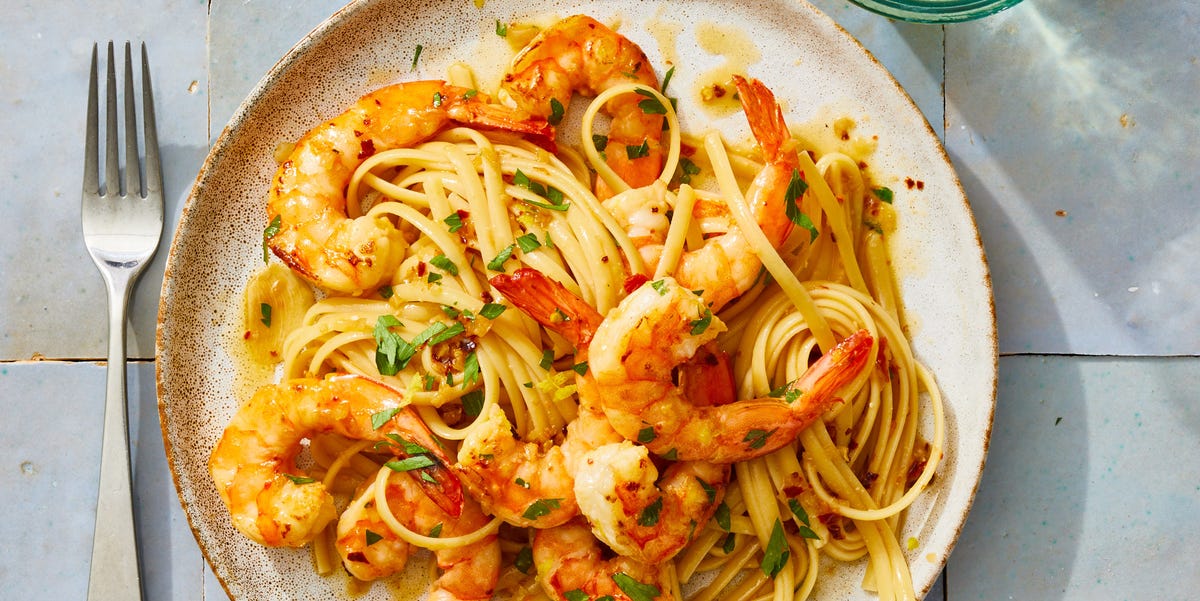
Then there is the serving experience. Few meals hit the table with this much shine. Literally. The sauce clings to the linguine, the shrimp look plump and glossy, the parsley adds color, and the lemon wedges make the whole thing look fresh and intentional. You did not just make dinner; you made a scene. A very edible one.
It is also a deeply social dish. Shrimp scampi feels generous. It invites bread for dipping, extra napkins, a second glass of something cold, and a little table chatter. It is easy enough for family dinner but polished enough for company. That is a useful sweet spot. Plenty of dishes are special but exhausting. Shrimp scampi is special without behaving like it needs applause after every step.
And yes, leftovers can be good, but the real experience happens right away, when the noodles are hot, the sauce is glossy, and the shrimp are perfectly tender. That first forkful tells you everything. The garlic arrives first, then the butter, then the brightness of lemon, then the sweet brininess of the shrimp. It is rich without being heavy, lively without being fussy, and comforting without becoming boring.
So when people talk about the best shrimp scampi with linguine recipe, they are not just talking about ingredients. They are talking about the feeling of making something fast that tastes expensive. They are talking about a dinner that turns an ordinary evening into a noticeably better one. And honestly, that is a pretty excellent trick for a skillet, a pot of pasta, and a pound and a half of shrimp.