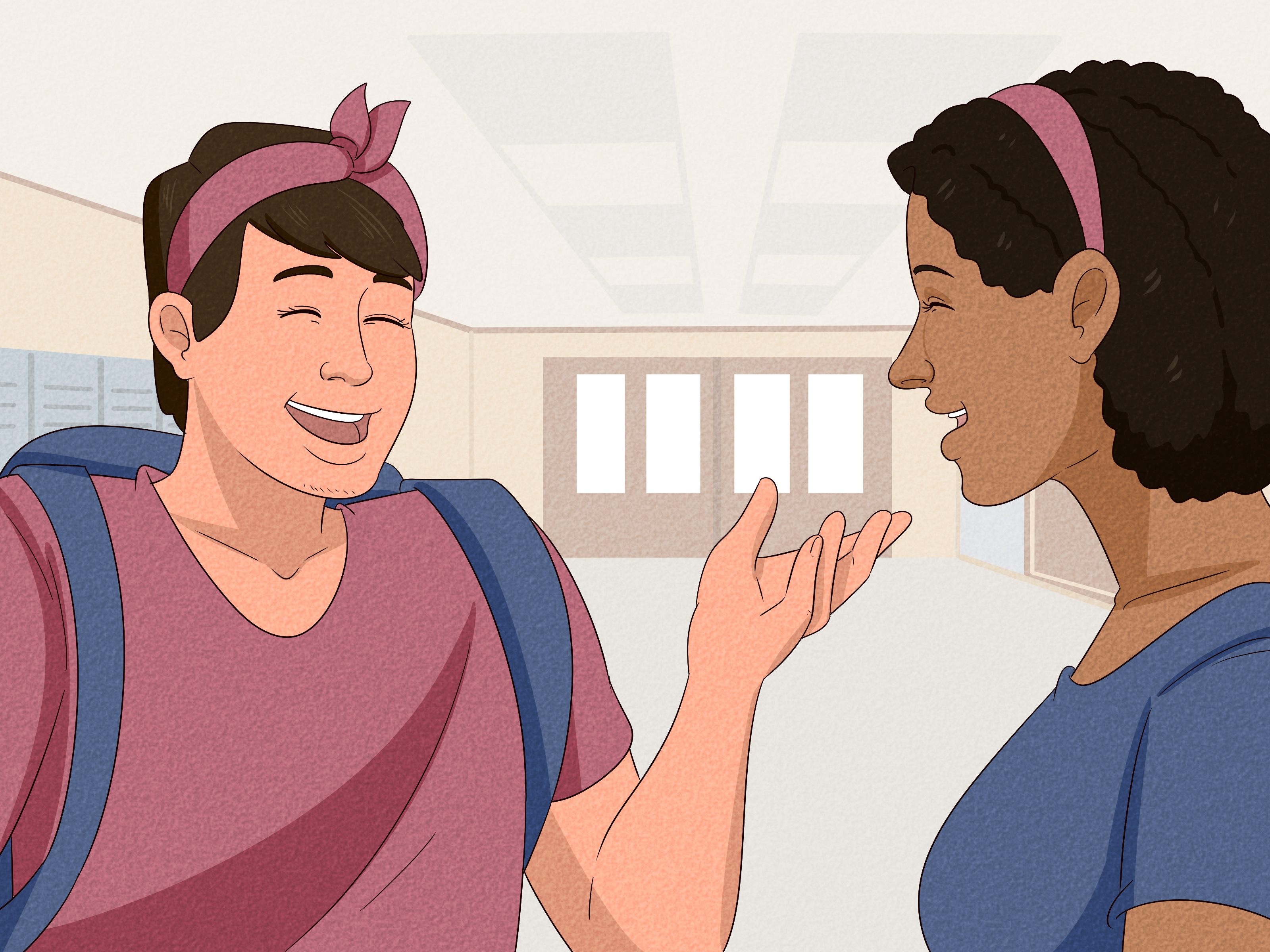
College is supposed to be the place where you find your people, build lifelong memories, and somehow become the kind of person who owns both a planner and a laundry basket. But let’s be honest: making friends in college can feel strangely awkward at first. You may be surrounded by thousands of students and still wonder, “So… where exactly are the future best friends hiding?”
The good news is that friendship in college is not magic. It is a skill, a habit, and sometimes a brave little decision to say, “Want to grab lunch?” before your brain can talk you out of it. Whether you are a first-year student, a transfer student, an introvert, a commuter, or someone who has already been on campus for a while, it is never too late to build real connections.
This guide breaks down five practical ways to make friends in college, using a mix of campus-life wisdom, student wellness guidance, and real-world experience. No cheesy “just be yourself” advice and then disappearing into the academic mist. We are going deeper: where to meet people, how to start conversations, how to turn classmates into actual friends, and how to keep friendships growing after the first hello.
Why Making Friends in College Matters
Friendship is not just a nice bonus in college; it is part of how students feel supported, motivated, and connected. Strong social connections can help reduce loneliness, improve emotional well-being, and make everyday college challenges feel more manageable. A tough exam is still a tough exam, but it hits differently when you have someone to complain with over fries afterward.
College also creates a rare social environment. You are constantly near people who are learning, changing, experimenting, joining clubs, switching majors, discovering hobbies, and occasionally eating cereal for dinner. That means there are many chances to meet peoplebut chances only become friendships when you take small, repeated steps.
Here are five effective ways to make friends in college without forcing yourself to become a completely different person.
1. Join Clubs, Organizations, and Campus Activities
If college friendships had a “start here” button, it would probably be the student organization fair. Clubs are one of the easiest ways to meet people because they solve the hardest part of making friends: finding something to talk about. When you join a club, you already share at least one interest with the people in the room. That is much better than trying to bond over the weather, which is usually just everyone agreeing that it is too hot, too cold, or somehow both.
Choose clubs based on genuine interest
Do not join a club only because it sounds impressive. If you hate debating, a debate club may turn every Tuesday evening into emotional cardio. Instead, look for organizations that match your curiosity, values, culture, hobbies, academic interests, or sense of fun. Good options include:
- Academic clubs related to your major
- Cultural or identity-based organizations
- Volunteer and service groups
- Sports, fitness, or outdoor recreation clubs
- Music, theater, art, writing, or media groups
- Gaming, anime, cooking, robotics, photography, or niche hobby clubs
The goal is not to collect memberships like rare trading cards. The goal is to show up consistently enough that people start recognizing you. Friendship often begins with familiarity. First, someone is “that person from the meeting.” Then they become “the person I always sit next to.” Eventually, they become “the person who knows my coffee order and my entire emotional history from finals week.”
Go more than once
Many students make the mistake of attending one meeting, feeling slightly awkward, and deciding the club is not for them. But the first meeting is often weird for everyone. People are learning names, figuring out the room, and pretending they understand the icebreaker instructions. Give a club at least two or three tries before judging it.
Once you find a group you like, volunteer for small roles. Help set up chairs, manage a group chat, design a flyer, bring snacks, or join a planning committee. Shared tasks create easy conversation and help you become part of the group faster.
2. Start Small Conversations in Everyday Places
You do not need a dramatic movie moment to make friends in college. In real life, friendships often begin with tiny comments in ordinary places: before class, in the dining hall, during a study session, at the gym, or while waiting for a campus shuttle that appears to follow the emotional schedule of a house cat.
Use simple conversation starters
Starting a conversation does not require a perfect opening line. In fact, simple is usually better. Try:
- “Have you taken this professor before?”
- “Do you understand what we’re supposed to do for the assignment?”
- “That club table looks interesting. Are you thinking about joining?”
- “Do you know a good place to study around here?”
- “I like your laptop sticker. Is that from a show?”
These questions work because they are low-pressure. They do not demand instant emotional intimacy. They simply open a door. If the other person responds warmly, keep going. If not, no disaster has occurred. You asked a normal question, not proposed a lifelong roommate contract.
Make classmates into study friends
Classes are underrated friendship zones. You already see the same people every week, and you have a built-in reason to talk. After class, ask someone if they want to compare notes, review for a quiz, or start a small study group.
Study friendships can become real friendships because they combine consistency, shared goals, and mutual support. You may begin by discussing biology terms and end up talking about favorite movies, campus food, weekend plans, or the mystery of why every professor schedules major assignments in the same week.
If you are shy, use academic reasons as your bridge. A message like “Hey, I’m making a study group for Thursday. Want to join?” feels easier than “Please become my friend; I brought anxiety and highlighters.”
3. Say Yes to Invitations, Events, and Low-Stakes Plans
One of the best ways to make friends in college is to say yes more oftenespecially early on. You do not have to say yes to everything, and you should always respect your boundaries, schedule, and safety. But when someone invites you to a campus event, a meal, a study session, a club meeting, or a casual hangout, try saying yes when you can.
Friendship grows through repeated time together
Many students expect friendship to feel instant. Sometimes it does, but often it grows slowly. You may not feel close to someone after one lunch, but after three lunches, two shared jokes, one group project, and a mutual complaint about the Wi-Fi, something starts to form.
Low-stakes plans are powerful because they are easy to accept. Suggest simple activities such as:
- Getting coffee before class
- Eating lunch after a lecture
- Walking to an event together
- Studying in the library for an hour
- Going to a free campus movie night
- Checking out a sports game, open mic, or club showcase
Not every plan needs to be epic. In college, “Do you want to grab food?” is basically a friendship starter pack.
Be the person who invites others
Waiting to be invited can feel safe, but it also puts your social life in someone else’s hands. Try becoming the inviter. You do not have to organize a major event. Start with one person and one simple idea.
For example, after class you might say, “I’m heading to the dining hall. Want to come?” After a club meeting, try, “I’m going to stay for the game night next week. Are you going?” These small invitations signal openness. Even if the person says no because they are busy, they may appreciate being asked and invite you next time.
Friendship requires a little social courage. The trick is to make that courage bite-sized.
4. Build Friendships Through Residence Life, Campus Jobs, and Shared Routines
Some of the strongest college friendships form not because people planned them, but because they kept showing up in the same places. Residence halls, campus jobs, dining halls, labs, fitness classes, volunteer shifts, and commuter lounges can all become friendship engines.
Use your living space wisely
If you live on campus, your residence hall can be a social starting point. Attend floor events, introduce yourself to neighbors, keep your door open when you feel comfortable, or invite a hallmate to walk to dinner. You do not need to become best friends with everyone on your floor. Sometimes it is enough to find one or two people who make the building feel less like a maze of doors and laundry machines.
Roommates can also become friends, but they do not have to. A good roommate relationship is built on communication, respect, and boundaries. If friendship happens, great. If not, a peaceful living situation is still a major win. There is no friendship trophy for silently suffering through someone else’s 2 a.m. blender smoothie era.
Consider a campus job or volunteer role
Campus jobs are not only about earning money. They can also help you meet students, staff, and faculty in a more relaxed setting. Working at the library, recreation center, tutoring center, student union, dining services, admissions office, or campus events team can create regular interaction with the same people.
Volunteering works the same way. When you serve with others, you share a purpose. That makes conversation easier and connection more meaningful. You might volunteer at a food pantry, environmental cleanup, mentorship program, campus fundraiser, or community service day. Friendship often grows faster when people are doing something useful together.
Create routines that put you near people
Routine is a secret friendship tool. Sit in the same area of class. Go to the same fitness class weekly. Study at the same campus café. Attend recurring club meetings. Eat dinner around the same time. Familiarity builds comfort, and comfort makes conversation easier.
Think of it this way: if you only appear randomly once every three weeks, people may remember your face but not know how to connect. If you show up regularly, you become part of the social landscape. Eventually someone says, “Hey, you’re in my class too, right?” And there it is: the tiny spark.
5. Be Patient, Open, and Real
Making friends in college takes time. That truth can be annoying, especially when social media makes it look like everyone else found their perfect group during orientation and now spends every sunset laughing on a blanket. But most students experience uncertainty, loneliness, or awkwardness at some point. You are not behind. You are human.
Do not judge your social life too early
The first few weeks of college can be socially chaotic. People cling to whoever they met first, groups form and change quickly, and everyone is trying to look more confident than they feel. Early friendships are valuable, but they are not the final version of your college life.
If you have not found your people yet, keep going. Many students make their closest friends later: through a second-semester class, a new club, a campus job, a study group, or a random conversation that starts because someone’s backpack zipper explodes in public.
Practice being interested, not impressive
One of the best ways to connect with people is to show genuine interest. Ask questions. Remember details. Follow up. If someone mentions they had a big presentation, ask how it went. If they say they love a certain band, ask for a song recommendation. People often feel closer to those who make them feel seen.
You do not need to perform a cooler version of yourself. In fact, trying too hard to impress can make conversations feel stiff. Be warm, curious, and honest. Share enough about yourself that others can know you, but also listen well. Friendship is not a monologue with snacks.
Know when to seek support
If loneliness feels heavy or persistent, reach out for support. Talk to a resident assistant, advisor, counselor, trusted professor, campus wellness center, family member, or friend from home. Asking for help does not mean you failed socially. It means you are taking care of yourself.
College can be exciting and difficult at the same time. You can be grateful to be there and still feel lonely. You can have acquaintances and still want deeper friendships. Those feelings are common, and support is available.
Common Mistakes to Avoid When Trying to Make Friends in College
Trying to become friends with everyone
You do not need universal popularity. You need a few good connections. Focus on quality over quantity. A small circle of trustworthy friends is better than a giant contact list full of people you would not text during a bad day.
Giving up after one awkward interaction
Awkward moments are part of college friendship. Everyone says something weird eventually. Everyone forgets a name. Everyone waves at someone who was waving at the person behind them. Recover, laugh if you can, and keep going.
Only relying on social media
Group chats and social platforms can help, but they should support real connection, not replace it. A like on a post is nice. Sitting across from someone while sharing fries is usually better.
Waiting for the “perfect” friend group
Friendship is not always found in one perfect group. You may have different friends for different parts of your life: study friends, gym friends, club friends, roommate friends, creative friends, and deep-conversation friends. That is normal and healthy.
of Real-Life Experience: What Making Friends in College Actually Feels Like
Making friends in college often begins with feeling a little lost. Imagine walking onto campus during the first week with a map open on your phone, a backpack full of things you may or may not need, and the emotional confidence of a squirrel crossing a busy street. Everyone seems to be moving with purpose. Meanwhile, you are trying to find Building B, Room 214, which somehow appears to be inside Building C.
One of the most relatable experiences is realizing that many other students are just as nervous as you are. The student sitting beside you in chemistry may look calm, but they might also be wondering whether it is too soon to ask someone to eat lunch together. That is why small gestures matter. A simple “Is this seat taken?” or “Did you understand that homework?” can be the beginning of something.
During the first month, many students meet lots of people but do not feel close to anyone yet. This can be confusing. You may have names in your phone, people you wave to, and classmates you recognize, but still feel like you are missing real friendship. That stage is normal. Acquaintances are the raw material of friendship. The key is follow-up. If you had a good conversation with someone, invite them to do something small: coffee, lunch, a study hour, a campus event, or a walk after class.
Another real experience is discovering that friendship grows through ordinary repetition. You may not bond deeply during one club meeting, but after several meetings, people start joking with you. You learn who always brings snacks, who takes leadership way too seriously, and who has the best playlist. Suddenly, the room feels familiar. That is often how college community formsnot through one magical moment, but through showing up again and again.
There is also the awkward side. Sometimes you invite someone to hang out and they are busy. Sometimes a conversation does not go anywhere. Sometimes a group does not feel like your group. That does not mean you are bad at making friends. It means you are trying. Friendship is partly a numbers game, partly a timing game, and partly a “please let there be someone else here who likes the same weird movie” game.
One helpful lesson is to stop treating every social interaction like an audition. You are not trying out for the role of “Most Interesting Student on Campus.” You are simply looking for people you enjoy and who enjoy you back. That requires honesty. If you love quiet nights, do not pretend you want to attend every loud event. If you are into books, gaming, hiking, cooking, music, faith communities, activism, or building tiny robots that may one day rule us all, look for spaces where those interests live.
The best college friendships often feel easy after a while. You can study together without talking the whole time. You can eat together without performing. You can admit when you are stressed, homesick, confused, or excited. These friendships may take weeks or months to form, but they are worth the patience.
So if you are still looking for your people, keep going. Join one more activity. Ask one more question. Send one more friendly text. Sit next to someone instead of hiding in the back every time. College is full of students hoping someone else will make the first move. Sometimes, that someone can be you.
Conclusion: Friendship in College Starts With Small Brave Moves
Learning how to make friends in college is not about becoming the loudest person in the room. It is about creating opportunities for connection and being brave enough to take them. Join clubs that genuinely interest you. Start small conversations. Say yes to simple plans. Use shared spaces, jobs, routines, and campus events to meet people naturally. Most importantly, be patient with the process.
Friendship rarely arrives fully assembled. It grows from repeated moments: sitting together, laughing at something small, helping each other study, sharing meals, checking in, and showing up. Your college social life does not have to look like anyone else’s. It only needs to feel meaningful to you.
If you remember one thing, let it be this: you do not need to find everyone. You just need to start finding your people, one conversation at a time.