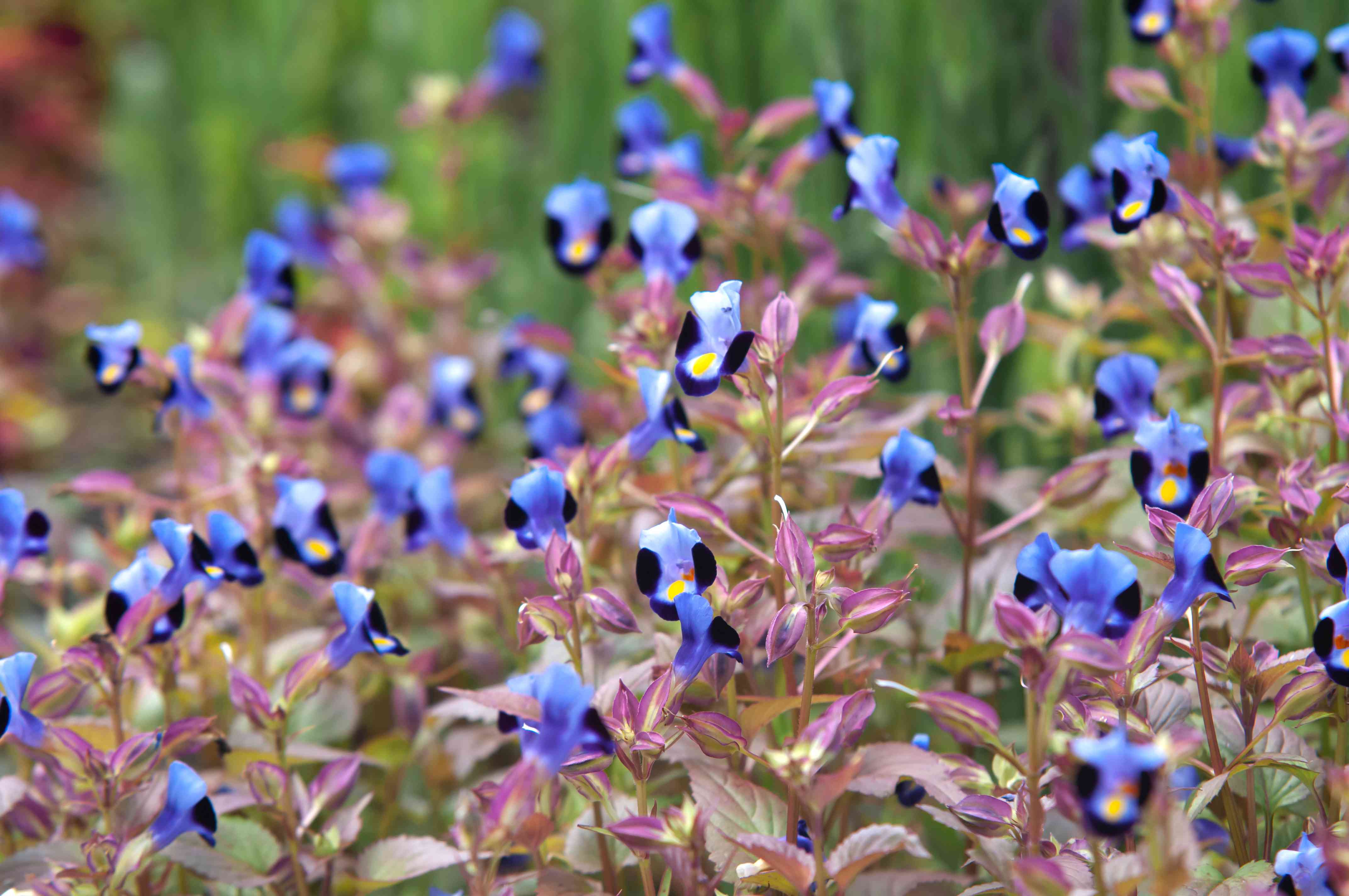
Wishbone flowers are the cheerful little overachievers of the shade garden. Also known as Torenia, these compact annuals produce snapdragon-like blooms in jewel tones of blue, purple, pink, white, lavender, and yellow. They are called “wishbone flowers” because the stamens inside each bloom meet in a tiny wishbone shape. Yes, the plant literally hides a lucky charm in its flowers. Garden drama, but make it adorable.
If your porch, patio, window box, or garden bed gets more dappled light than blazing sun, wishbone flowers can be a smart choice. Unlike many annual flowers that sulk in shade, torenia keeps blooming from late spring or early summer until frost when grown in the right conditions. It is especially useful for containers, hanging baskets, shaded borders, woodland-style gardens, and those tricky “nothing colorful grows here” corners.
The good news: learning how to grow and care for wishbone flowers is not complicated. The secret is simple: give them bright shade or morning sun, fertile soil, steady moisture, good drainage, and occasional fertilizer. Do that, and they will reward you with months of fresh, perky flowers without demanding constant deadheading. In other words, they are polite guests with excellent outfits.
What Are Wishbone Flowers?
Wishbone flower usually refers to Torenia fournieri, a tender annual grown for its colorful, tubular blooms and compact, bushy habit. Many modern torenia varieties are bred for improved heat tolerance, fuller growth, and better performance in containers. Some stay tidy and mounded, while others trail beautifully over the edges of hanging baskets and window boxes.
Most wishbone flowers grow about 6 to 12 inches tall, though trailing varieties may spread or cascade much farther. Their leaves are small, green, and slightly toothed, creating a soft background for the bright flowers. The blooms resemble tiny snapdragons or pansies with open faces, often showing a contrasting throat or yellow marking.
Best Growing Conditions for Wishbone Flowers
Light
Wishbone flowers are famous for thriving in partial shade. In hot climates, they do best with morning sun and afternoon shade. That schedule gives them enough light to flower well without roasting them like a forgotten sandwich on a dashboard.
In cooler regions, wishbone flowers can tolerate more sun, especially if the soil stays evenly moist. In very hot areas, avoid harsh midday and afternoon sun. Too much direct heat can cause wilting, browning, or fewer blooms.
Soil
Torenia prefers rich, fertile, well-draining soil. Think moist but not swampy. A loose loam amended with compost is ideal. If your soil is heavy clay, mix in compost or fine bark to improve drainage and texture. If your soil is sandy, compost helps hold moisture and nutrients.
In containers, use a high-quality potting mix rather than dense garden soil. Potting mix drains better, supports healthy roots, and reduces the risk of soggy conditions. Wishbone flowers like moisture, but they do not appreciate sitting in wet muck. Roots need water and oxygen, not a bathtub.
Water
Consistent moisture is one of the most important parts of wishbone flower care. Keep the soil evenly moist, especially during hot weather and while plants are establishing. Letting the soil dry out completely may lead to wilting and reduced flowering.
At the same time, do not overwater. Soggy soil can encourage root rot and fungal problems. The goal is “freshly wrung-out sponge,” not “duck pond.” Containers dry out faster than garden beds, so check potted wishbone flowers often during summer.
Temperature and Humidity
Wishbone flowers are warm-season annuals. They enjoy mild to warm weather and should be planted outdoors after the danger of frost has passed. Modern varieties often tolerate summer heat and humidity better than older types, especially when given afternoon shade and steady moisture.
Frost will damage or kill torenia, so treat it as an annual in most regions. In frost-free areas, it may last longer, but most gardeners grow it for one colorful season.
How to Plant Wishbone Flowers
When to Plant
Plant wishbone flowers outdoors in spring after the last frost date has passed and the soil has warmed. Cool, wet soil can slow growth, so patience pays off. If you are planting nursery-grown transplants, harden them off first by gradually exposing them to outdoor conditions for several days.
Spacing
Space compact varieties about 6 to 10 inches apart, depending on the mature size listed on the plant tag. Trailing or vigorous types may need more room, especially in containers where they will spill over the sides. Proper spacing improves airflow, reduces disease risk, and gives each plant room to form a full shape.
Planting Steps
- Choose a spot with partial shade, bright indirect light, or morning sun with afternoon shade.
- Prepare the soil by mixing in compost or organic matter.
- Dig a hole slightly wider than the root ball.
- Place the plant at the same depth it was growing in its pot.
- Backfill gently and press the soil around the roots.
- Water thoroughly after planting.
- Add a light layer of mulch to help conserve moisture and keep roots cool.
How to Grow Wishbone Flowers from Seed
Wishbone flowers can be grown from seed, though the seeds are tiny and require a little patience. Start seeds indoors about 6 to 10 weeks before your average last frost date. Because torenia seeds need light to germinate, press them gently onto the surface of a moist seed-starting mix rather than burying them.
Keep the seed tray warm, evenly moist, and in bright indirect light. A humidity dome can help maintain moisture, but remove it once seedlings appear to prevent excess dampness. Seedlings usually emerge in roughly two to three weeks, depending on temperature and seed quality.
Once seedlings develop true leaves, thin or transplant them carefully. Torenia roots can be delicate, so handle young plants gently. When outdoor temperatures are reliably warm, harden off the seedlings before planting them in beds or containers.
Container Care for Wishbone Flowers
Wishbone flowers are outstanding container plants. Their compact growth, colorful blooms, and tolerance for shade make them perfect for porch planters, patio pots, hanging baskets, and window boxes. Trailing varieties are especially beautiful when allowed to spill over the rim of a pot.
Use containers with drainage holes. This is not optional. A cute pot without drainage may look charming, but it can turn your torenia roots into soup. Fill the container with fresh potting mix and water whenever the top inch of soil starts to feel dry. During hot weather, hanging baskets may need water daily.
Wishbone flowers also combine well with other shade-tolerant plants such as coleus, begonias, impatiens, lobelia, caladiums, ferns, and hostas. For a lively container, pair blue or purple torenia with lime-green coleus or silver foliage. For a softer look, combine pink or white varieties with begonias and trailing greenery.
Fertilizing Wishbone Flowers
Because wishbone flowers bloom for a long season, they benefit from regular feeding. In garden beds, mix a slow-release balanced fertilizer into the soil at planting time, following label directions. In containers, use a slow-release fertilizer or feed every two to four weeks with a diluted liquid fertilizer.
Avoid overfeeding with high-nitrogen fertilizer. Too much nitrogen can encourage leafy growth at the expense of flowers. You want a plant that blooms, not one that looks like it is training for a foliage bodybuilding contest.
Pruning and Deadheading
Many wishbone flower varieties are self-cleaning, meaning spent flowers drop naturally and do not need regular deadheading. That makes torenia a low-maintenance choice for busy gardeners.
If plants start to look leggy or scraggly in midsummer, trim them back lightly by one-third to one-half. Give them water and fertilizer afterward, and they often respond with fresh growth and new blooms. Pinching young plants early can also encourage bushier growth.
Common Problems and How to Fix Them
Wilting
Wilting usually means the plant is too dry, too hot, or sitting in too much direct sun. Check the soil first. If it is dry, water deeply. If the soil is moist but the plant wilts every afternoon, move containers to a shadier location or add mulch around garden plants.
Yellow Leaves
Yellowing leaves can be caused by overwatering, poor drainage, nutrient deficiency, or root stress. Make sure containers drain properly and garden soil does not stay soggy. If watering is balanced, apply a gentle balanced fertilizer.
Few Flowers
Wishbone flowers may bloom poorly if they receive too little light, too much fertilizer, inconsistent moisture, or soggy soil. Move plants to brighter shade or morning sun, adjust watering, and avoid heavy nitrogen feeding.
Fungal Issues
Powdery mildew, leaf spots, and root rot can appear when airflow is poor or soil remains too wet. Space plants properly, water at the soil level, avoid wetting the leaves late in the day, and remove affected foliage when needed.
Pests
Aphids and whiteflies may occasionally visit wishbone flowers. Small infestations can often be washed off with a gentle spray of water. For persistent problems, use insecticidal soap according to label instructions. Always test a small area first and avoid spraying during hot afternoon sun.
Best Uses for Wishbone Flowers in the Garden
Wishbone flowers are flexible little performers. Use them where you need long-lasting color but do not have full sun. They shine in shaded entryways, under high tree canopies, beside hostas, along pathways, and in containers near patios or porches.
They are also excellent for hanging baskets because many varieties mound and trail gracefully. A basket of blue torenia in a shady porch corner can look cool and refreshing all summer. Pink and white varieties feel bright and cottage-like, while deep purple types add drama without shouting.
Wishbone flowers may attract pollinators such as bees, butterflies, and hummingbirds. Their tubular blooms make them especially appealing in mixed pollinator-friendly plantings. While they are not the tallest or flashiest annuals in the garden, they bring dependable color to places where many flowers refuse to cooperate.
Seasonal Care Calendar
Spring
Start seeds indoors before the last frost or buy nursery transplants. Prepare beds with compost and plant outdoors after frost danger has passed. Water well after planting and protect young plants from sudden cold snaps.
Summer
Keep soil evenly moist, especially in containers. Fertilize regularly, mulch garden plants, and trim back leggy growth if needed. Watch for pests and fungal problems during humid weather.
Fall
Enjoy blooms until frost. In mild climates, plants may keep flowering for quite a while. Once frost finishes the show, remove spent plants and compost healthy material. If seed pods form on older seed-grown varieties, you may notice volunteer seedlings next season.
Best Companion Plants for Wishbone Flowers
Wishbone flowers pair beautifully with other shade and part-shade plants. For containers, try combining torenia with coleus for foliage contrast, begonias for bold blooms, or lobelia for delicate trailing texture. In garden beds, plant torenia near ferns, hostas, caladiums, and impatiens to add color among leafy plants.
For a high-contrast look, pair deep blue torenia with chartreuse foliage. For a romantic container, mix pink wishbone flowers with white begonias and trailing ivy. For a pollinator-friendly shade corner, combine torenia with flowering annuals and perennials that bloom at different times, creating a longer buffet for visiting insects and hummingbirds.
Extra Growing Experiences: What Gardeners Learn from Wishbone Flowers
Growing wishbone flowers teaches one of the most useful lessons in gardening: “shade” does not mean “boring.” Many new gardeners assume flowers need blazing sun to perform well. Then they bring home torenia, tuck it into a bright but shaded porch pot, and suddenly that quiet corner looks like it hired a decorator.
One practical experience is that containers make torenia care easier to control. In a garden bed, moisture can vary from one spot to another, especially under trees where roots steal water. In a pot, you can manage soil, drainage, fertilizer, and placement with far more precision. A 10- to 12-inch pot with good drainage can support a compact torenia nicely, while a larger hanging basket can hold trailing varieties that spill over like a floral waterfall.
Another lesson: morning sun is your friend. Gardeners in warm climates often find that wishbone flowers bloom best when they get a few gentle hours of sun early in the day, then rest in shade during the hotter afternoon. Put the same plant in harsh afternoon sun, and it may wilt dramatically, as if auditioning for a soap opera. Move it to filtered light, water it deeply, and it often perks up with surprising speed.
Watering also becomes a rhythm. Wishbone flowers do not want to dry out completely, but they dislike soggy roots. The best habit is to check soil with a finger rather than watering by guesswork. If the top inch feels dry, water thoroughly until excess drains out. If the soil still feels moist, wait. This simple check prevents both drought stress and overwatering.
Gardeners also learn that torenia is forgiving but not silent. It will tell you when something is wrong. Leaves drooping by noon? Too much heat, too little water, or both. Leaves yellowing near the base? Check drainage. Fewer blooms? Look at light, feeding, and moisture. The plant gives clues before it completely gives up, which makes it a good flower for beginners who want to improve their plant-reading skills.
One of the nicest experiences is using wishbone flowers to refresh tired summer containers. By midsummer, some spring annuals begin to fade, especially in warm climates. Torenia can step in with cool-toned blooms that look fresh when everything else seems sweaty. Trim it lightly if it stretches, feed it gently, and it often returns with another flush of flowers.
Finally, wishbone flowers remind gardeners that small plants can make a big design impact. They may not tower over the garden or steal attention like giant sunflowers, but they brighten the spaces people actually use: porch steps, balcony rails, shaded patios, kitchen windows, and walkway edges. They are close-up flowers, the kind you notice while drinking coffee, watering plants, or pretending you are “just checking the garden” for the fifth time in one afternoon.
Conclusion
Wishbone flowers are easygoing annuals with one main request: do not make them choose between drought and swamp life. Give them partial shade, rich well-drained soil, consistent moisture, and occasional fertilizer, and they will reward you with bright blooms for months. They are ideal for containers, hanging baskets, shaded borders, and garden spots where sun-loving flowers refuse to behave.
Whether you grow compact Torenia fournieri from seed or buy trailing hybrid varieties from a nursery, wishbone flowers bring dependable color without fussy maintenance. They do not need constant deadheading, they play well with other shade plants, and they add a charming spark to overlooked spaces. If your shady porch or garden corner needs a little luck, torenia may be the wishbone you were looking for.