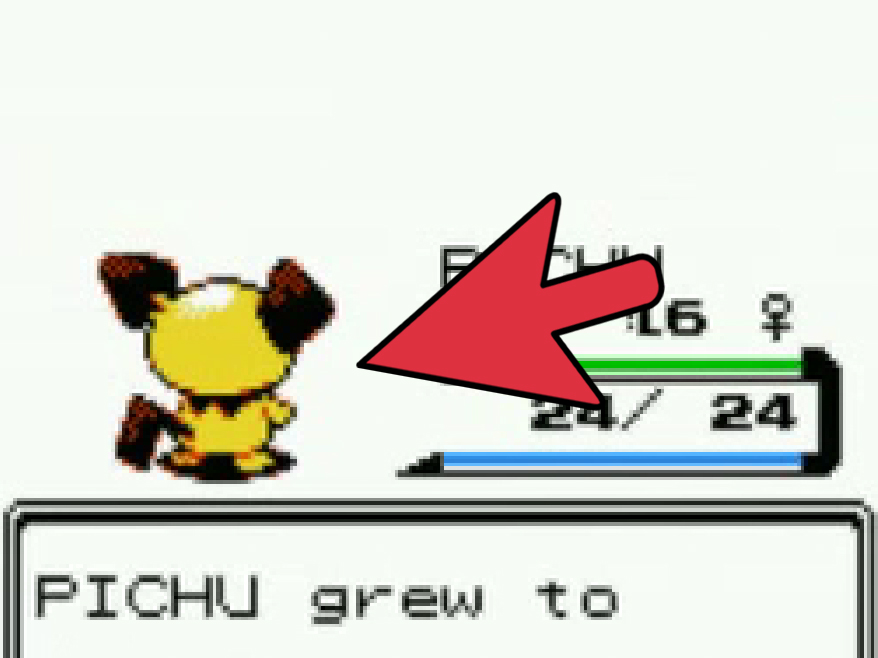
Pichu may look like a pocket-sized lightning bean with ears, but do not let the tiny cheeks fool you. This baby Electric-type Pokémon has confused generations of Trainers because it does not evolve at a normal level. You can raise it to level 10, level 20, or even level 50, and it will still sit there smiling like it forgot to read the evolution manual.
The real answer is friendship. In the mainline Pokémon games, Pichu evolves into Pikachu when it levels up after reaching high friendship. That means your job is not just to battle with Pichu. Your job is to make Pichu like you enough to stop being a tiny static hazard and become the most famous yellow Pokémon on the planet.
This guide breaks down 4 ways to evolve Pichu, including the classic friendship method, faster friendship-boosting tricks, game-specific bonding systems, and special evolution rules in games like Pokémon GO and Pokémon Sleep. Whether you are building a team, filling your Pokédex, or simply trying to turn your little spark plug into Pikachu before your patience evolves into rage, this guide has you covered.
Quick Answer: How Does Pichu Evolve?
In most mainline Pokémon games, Pichu evolves into Pikachu when it has high friendship and then gains a level. There is no fixed Pichu evolution level. The key condition is friendship, sometimes also called happiness in older guides.
After Pichu becomes Pikachu, it can usually evolve into Raichu with a Thunder Stone. In Alola-based games, Pikachu can evolve into Alolan Raichu under the right regional conditions. But first things first: Pichu needs to trust you. Apparently, being carried through tall grass while occasionally being thrown into combat is considered bonding in the Pokémon universe. Who are we to judge?
1. Evolve Pichu the Classic Way: Raise Friendship and Level Up
The most reliable way to evolve Pichu in the mainline Pokémon games is simple: increase its friendship, then level it up once. This applies across many core games where Pichu is available, including titles in the Johto, Sinnoh, Unova, Kalos, Alola, Galar, Hisui, and Paldea eras.
What “High Friendship” Means
Friendship is a hidden value that represents how attached a Pokémon is to its Trainer. In older games, many friendship evolutions required the Pokémon to reach a high happiness value before leveling up. In newer games, the exact numbers and systems may vary, but the practical advice remains the same: keep Pichu with you, treat it well, avoid letting it faint, and level it up after its friendship is high enough.
Unlike Pokémon that evolve at a specific level, Pichu can evolve at a very low level if you raise friendship quickly. A freshly hatched or newly caught Pichu might evolve after just a few levels if you use the right methods. On the other hand, a neglected Pichu can stay unevolved for ages. Basically, Pichu is less interested in your EXP strategy and more interested in your customer service rating.
How to Do It Step by Step
Place Pichu in your party and keep it there while you travel. Battle carefully with it or let it gain experience through safer methods, depending on the game. Use items that increase friendship, avoid bitter herbs, and do not let it faint repeatedly. Once you think its friendship is high enough, level it up. If the evolution animation starts, congratulations: your tiny electric baby is now Pikachu.
If Pichu does not evolve, do not panic. It usually means its friendship is not high enough yet. Keep building friendship and try leveling it again later. There is no need to waste a Thunder Stone on Pichu because Pichu does not evolve directly with a Thunder Stone. The stone comes later, after it becomes Pikachu.
2. Speed Up Pichu’s Evolution with Friendship-Boosting Items
If you want to evolve Pichu faster, friendship-boosting items are your best friends. Think of them as the Pokémon equivalent of snacks, compliments, and a very convincing loyalty program.
Use the Soothe Bell
The Soothe Bell is one of the best items for evolving Pichu quickly. When held by a Pokémon, it boosts friendship gains from many actions. Give Pichu the Soothe Bell as early as possible, then keep it in your party while you travel, level up, and use other friendship-building methods.
In many games, the Soothe Bell is found through an NPC, an item location, or a side area. The exact location depends on the game, so check your specific title if you do not already have one. Once Pichu is holding it, every friendship-building action becomes more efficient. It is like giving Pichu a tiny emotional support bell, which sounds silly until you remember this is a world where a mouse can summon lightning.
Catch or Hatch Pichu in a Luxury Ball When Possible
In games where Poké Ball effects matter for friendship, catching a Pokémon in a Luxury Ball can help friendship rise faster. This is especially useful if you are catching Pichu directly rather than hatching it from an Egg. If you already have a Pichu in another ball, you usually cannot change that ball later, so this method works best when planning ahead.
Luxury Ball plus Soothe Bell is a strong combination. Add careful leveling and some friendship items, and Pichu can evolve surprisingly quickly. At that point, the only thing slowing you down is whether Pichu stops accidentally shocking itself long enough to accept your friendship.
Use Vitamins, EV-Reducing Berries, and Rare Candies Carefully
Many games allow certain items to increase friendship. Vitamins such as Protein, Iron, Calcium, Zinc, Carbos, and HP Up may raise friendship depending on the generation. EV-reducing berries, such as Pomeg Berry, Kelpsy Berry, Qualot Berry, Hondew Berry, Grepa Berry, and Tamato Berry, are also famous for helping with friendship in several games.
These berries reduce a Pokémon’s effort values while increasing friendship, so use them thoughtfully. If you are training Pichu seriously for competitive play, do not feed random berries without understanding what stats they affect. If you simply want a Pikachu for your Pokédex, the berries can be a quick shortcut.
Rare Candies and EXP Candies can help trigger the final level-up once friendship is high enough. However, do not rely only on candies if friendship is still low. A level-up is the trigger, not the whole requirement. Pichu needs the bond first, then the level.
3. Use Game-Specific Friendship Systems: Picnics, Camps, Massages, and Walking
Pokémon games love changing small mechanics between generations. The core idea remains the same, but the fastest method to evolve Pichu can vary depending on which game you are playing. One game says, “Walk with your Pokémon.” Another says, “Make sandwiches.” Another says, “Please attend a spa day with your electric toddler.” Pokémon is magical like that.
In Pokémon Scarlet and Violet
In Pokémon Scarlet and Violet, Pichu still evolves through high friendship and a level-up. Useful friendship-building actions include keeping Pichu in your party, using picnics, washing your Pokémon, playing with it, feeding it, and leveling it carefully. The picnic system is one of the most convenient ways to bond with your team in Paldea.
Once Pichu seems friendly enough, give it a level. You can battle, use EXP Candy, or use another safe leveling method. If it evolves, you have successfully upgraded from tiny spark to franchise mascot.
In Pokémon Sword and Shield
In Pokémon Sword and Shield, Pokémon Camp is very useful for raising friendship. You can cook curry, play with Pichu, and keep it active in your party. These actions help create the bond needed for friendship evolutions.
Because Pichu is fragile, avoid throwing it into dangerous battles too often. Pichu has never been known as a defensive fortress. It is more of a cheerful battery with confidence issues. Let stronger teammates handle difficult fights while Pichu gains experience safely.
In Older Games
In older Pokémon games, walking with Pichu in your party, leveling it up, using vitamins, getting massages or haircuts, and avoiding fainting are common friendship strategies. Some games include NPCs who can check friendship. Their comments are not always mathematically precise, but they can tell you whether Pichu is close to evolving.
One important warning: in some older generations, visible affection systems are not always the same as friendship. For example, petting or feeding a Pokémon in certain side systems may make it look happy on screen, but that does not always mean the hidden friendship value is high enough for evolution. If your Pichu looks thrilled but refuses to evolve, the game may be tracking two different types of affection. Yes, that is confusing. No, Pichu will not apologize.
Check Friendship Before Leveling
Many games include a friendship checker NPC or feature. If the checker says Pichu is very friendly, attached, or happy with you, it is probably time to level it up. If the checker gives a lukewarm response, keep working. Friendship evolution is a little like baking: if you pull it out too early, you do not get Pikachu; you get disappointment with ears.
4. Evolve Pichu in Pokémon GO, Pokémon Sleep, and Special Cases
Not every Pokémon game uses the mainline friendship system. Spin-off and mobile games often use different evolution rules. If you are asking how to evolve Pichu outside the traditional RPGs, check the specific game before spending time walking in circles with a Soothe Bell that does not exist.
How to Evolve Pichu in Pokémon GO
In Pokémon GO, Pichu evolves into Pikachu with Pichu or Pikachu Candy. The usual requirement is 25 Candy. You do not need to raise friendship the way you do in the mainline games. Instead, you collect Candy by hatching, catching related Pokémon, walking with a buddy, transferring extras, or using Rare Candy when appropriate.
This makes Pokémon GO one of the simplest places to evolve Pichu. The challenge is not friendship; it is getting enough Candy. If you hatch a special costume Pichu, think carefully before evolving it. Some event Pichu forms are rarer as babies, and evolving them may change their collector value. For Pokédex completion, evolution is fine. For rare costume collecting, pause before tapping the evolve button like a Trainer with self-control.
How to Evolve Pichu in Pokémon Sleep
In Pokémon Sleep, Pichu uses a different kind of evolution requirement. It typically needs Pikachu Candy and logged sleep time with Pichu before it can evolve into Pikachu. This fits the game perfectly: instead of battling to become stronger, Pichu becomes stronger because everyone took a nap. Honestly, that may be the healthiest evolution method in the franchise.
If you are trying to evolve Pichu in Pokémon Sleep, keep it on your helper team long enough to meet the sleep-hour requirement, gather the needed Candy, and then evolve it when the button becomes available. Since Pokémon Sleep rewards long-term planning, choose a Pichu with helpful sub skills and nature before investing resources.
The Spiky-Eared Pichu Exception
There is one famous exception worth knowing: Spiky-eared Pichu in Pokémon HeartGold and SoulSilver. This special event Pichu cannot evolve into Pikachu. It is a unique form meant to stay as Pichu. If you are trying to evolve that particular Pichu and nothing is happening, the problem is not your friendship strategy. The problem is that the game has politely locked the door and hidden the key.
Common Mistakes When Trying to Evolve Pichu
Mistake 1: Looking for a Fixed Evolution Level
The most common mistake is asking, “What level does Pichu evolve?” The answer is that Pichu does not have a normal evolution level in the mainline games. A level 8 Pichu with high friendship can evolve, while a much higher-level Pichu with low friendship may not.
Mistake 2: Using a Thunder Stone Too Early
A Thunder Stone evolves Pikachu into Raichu in many games, but it does not evolve Pichu into Pikachu. Save the Thunder Stone until after Pichu evolves. Using it on Pichu is like trying to unlock your house with a sandwich. Interesting attempt, wrong tool.
Mistake 3: Letting Pichu Faint Constantly
Fainting can reduce friendship in many games, especially if it happens often. Pichu is cute, but it is not especially sturdy. Keep it away from powerful Ground-type attacks and overleveled opponents. If you want to battle with Pichu, choose safe matchups or let it gain experience from the party system.
Mistake 4: Confusing Affection with Friendship
Depending on the game, affection, enjoyment, fullness, and friendship may not be identical. A Pokémon can look happy in a mini-game system while still lacking enough hidden friendship to evolve. When in doubt, use proven friendship methods: walking, leveling, Soothe Bell, vitamins, berries, massages, picnics, camps, and careful battling.
Best Practical Strategy to Evolve Pichu Fast
If you want the fastest general method, use this simple plan. First, put Pichu in your party. Second, give it a Soothe Bell if your game has one. Third, use friendship-boosting items or activities available in your version. Fourth, avoid fainting and bitter herbs. Finally, level it up when its friendship is high.
In modern games, combine this plan with picnics, camps, washing, curry, or other bonding features. In older games, walk a lot, use vitamins or berries, visit massage NPCs, and check friendship with the appropriate NPC. In Pokémon GO, ignore all of that and collect 25 Candy. In Pokémon Sleep, get the Candy and sleep hours. Pichu is versatile, but apparently its evolution paperwork changes by region.
Should You Evolve Pichu Right Away?
For most casual players, yes. Pikachu has better stats than Pichu and is usually more useful in battle. Evolving Pichu also helps complete the Pokédex and opens the path to Raichu. If you are building a regular in-game team, there is little reason to keep Pichu unevolved unless you simply love it.
However, collectors may want to wait. Shiny Pichu, event Pichu, and costume Pichu can be rarer than their evolved forms in some games. If your Pichu has a unique hat, special move, or unusual origin, check whether evolving it changes anything important. Sometimes the best evolution choice is not about power. Sometimes it is about preserving a tiny collectible gremlin with premium cuteness.
Extra Experiences: What It Feels Like to Evolve Pichu
Anyone who has tried to evolve Pichu knows the experience can swing between adorable and mildly ridiculous. You start with confidence. “This will be easy,” you say, placing Pichu in your party like a responsible Trainer. Then an hour later, Pichu still has not evolved, your bag is missing three vitamins, and you are speed-walking through the same route like someone training for the world championship of friendship jogging.
The first lesson is patience. Pichu evolution teaches players that not every Pokémon grows stronger through raw battles. Some need attention. Some need care. Some need to stop fainting every time a wild Pokémon breathes in their direction. Because Pichu is a baby Pokémon, it makes sense that its evolution depends on trust rather than strength. You are not forcing it into Pikachu; you are raising it until it is ready.
A good personal strategy is to treat Pichu like a side project while playing normally. Instead of grinding only for friendship, keep Pichu in your party while completing routes, catching Pokémon, gathering items, and progressing through the story. Give it the Soothe Bell, avoid risky battles, and let friendship build naturally. This feels less boring than running in circles, although running in circles is a proud Pokémon tradition and should not be disrespected.
Another useful experience is to check your expectations by game. In Pokémon Scarlet and Violet, picnics make the process feel cozy and interactive. You can wash Pichu, play with it, and make sandwiches while pretending your team is having a wholesome outdoor lunch instead of preparing for turn-based combat. In Sword and Shield, Pokémon Camp has a similar charm. Watching Pichu bounce around camp makes the evolution feel earned, not just triggered.
Older games can feel more mysterious because friendship is hidden. You may visit an NPC who says something vague like, “It seems to like you quite a lot.” That could mean Pichu is close to evolving, or it could mean the NPC is emotionally unavailable. In these games, the best approach is repetition: walk, use helpful items, level up, and try again.
The funniest part is how dramatic the payoff feels. Pichu finally levels up, the screen pauses, and the evolution music begins. Suddenly, all that walking, berry-feeding, and faint-prevention feels worth it. Your tiny static baby becomes Pikachu, and you get the satisfaction of knowing you won through kindness, strategy, and maybe a suspicious number of vitamins.
For new players, evolving Pichu is a great introduction to friendship evolutions. It teaches a mechanic that applies to several other Pokémon, including baby Pokémon and friendship-based evolutions across the series. Once you understand Pichu, Pokémon like Riolu, Budew, Cleffa, Igglybuff, Azurill, and others become easier to manage.
For veteran players, Pichu is a reminder that Pokémon is not only about stats and type matchups. Sometimes the game asks you to slow down and build a bond. Sometimes that bond is represented by a hidden number. And sometimes that hidden number turns into Pikachu, the electric celebrity who has been carrying the franchise like a tiny yellow CEO for decades.
Conclusion
Pichu evolves in a way that is simple once you understand it but confusing if you expect a normal level-based evolution. In the mainline Pokémon games, the formula is high friendship plus one level-up. To make the process faster, use the Soothe Bell, friendship-boosting items, safe leveling, picnics, camps, massages, and smart party management. Avoid fainting, skip bitter herbs, and remember that a Thunder Stone is for Pikachu, not Pichu.
In Pokémon GO, Pichu evolves with Candy. In Pokémon Sleep, it needs Candy plus logged sleep time. Special forms, such as Spiky-eared Pichu, may have unique restrictions. Once you know which game you are playing and which rule set applies, evolving Pichu becomes much easier.
So be patient, be nice to your tiny thunder nugget, and keep a level-up ready. Before long, Pichu will evolve into Pikachu, and your team will gain a familiar yellow face with a much better handle on its electricity. Mostly.