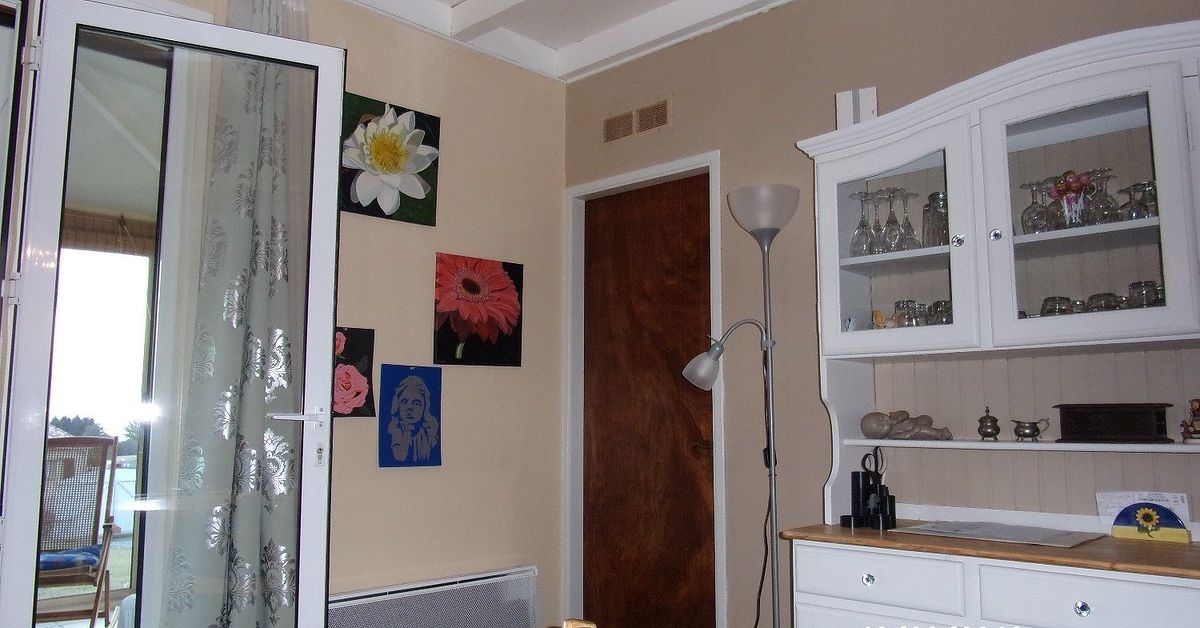
Some home features are easy to love: sunny windows, built-in shelves, a fireplace that makes every mug of coffee feel dramatic. Then there is the wall vent. It sits there with its little metal ribs, interrupting your paint color, your wallpaper, your gallery wall, and possibly your will to decorate. The good news? Hiding a ventilation in the wall is absolutely possible. The very important catch? You cannot treat a working vent like an ugly poster and simply cover it up. Air needs room to move, HVAC systems need balance, and your home needs ventilation for comfort, moisture control, energy efficiency, and indoor air quality.
This guide explains how to disguise, blend, redesign, or relocate a wall vent without turning your heating and cooling system into a wheezing accordion. Whether you are dealing with a supply register, a return air grille, a bathroom exhaust vent, or an awkward old wall opening, the goal is the same: make the vent look intentional while keeping it functional, accessible, and safe.
First, Know What Kind of Wall Vent You Are Hiding
Before you start shopping for pretty grilles or building a decorative cover, identify the job your vent performs. A wall ventilation opening is not just a random rectangle. It may be part of your HVAC system, a bathroom exhaust system, a kitchen ventilation path, a laundry exhaust, or a passive air-transfer opening.
Supply Vents
A supply vent pushes conditioned air into the room. In summer, it delivers cool air. In winter, it delivers warm air. These vents usually have adjustable louvers or dampers. If you hide a supply vent poorly, the room may become too hot, too cold, noisy, or uncomfortable. Your HVAC blower may also work harder than necessary.
Return Air Vents
A return vent pulls air from the room back into the HVAC system. Returns are often larger and may not have adjustable louvers. Blocking a return air grille is like asking your HVAC system to breathe through a sofa cushion. It may reduce airflow, create pressure problems, increase noise, and make rooms harder to heat or cool evenly.
Exhaust Vents
Bathroom fans, range hoods, and dryer vents remove moisture, odors, lint, or pollutants. These should never be hidden in a way that traps air, lint, grease, or moisture inside a wall. Bathroom ventilation is especially important because poor airflow can encourage mold, mildew, peeling paint, and that charming “wet towel cave” smell nobody puts on a real estate listing.
Passive Transfer Grilles
Some wall grilles allow air to pass from one room or cavity to another. These may be used for pressure relief, closet ventilation, furnace-room combustion air, or general air movement. If you are not sure what the vent does, do not assume it is decorative. It may be quietly doing an important job.
The Golden Rule: Hide the Vent, Not the Airflow
The safest way to hide a wall vent is to keep the open area equal to or greater than the original grille, maintain clearance around the vent, and preserve easy access for cleaning and inspection. In plain English: make it prettier, not suffocated.
A good hidden vent design allows air to move freely through open slats, perforations, louvers, or a properly sized decorative grille. A bad design uses solid panels, sealed artwork, thick fabric, furniture, cabinets, or plants pressed directly against the opening. The second option may look nice for one photo, then punish you with weak airflow, dust buildup, noisy ducts, and a room that feels like it has its own climate zone.
Smart Ways to Hide a Ventilation in the Wall
There are several attractive ways to disguise wall ventilation without compromising performance. The best method depends on the type of vent, the room style, and whether you want a quick cosmetic fix or a more permanent built-in solution.
1. Paint the Vent the Same Color as the Wall
The easiest way to hide a wall vent is also the most underrated: paint it. Remove the grille, clean it thoroughly, lightly sand glossy metal if needed, use the right primer, and spray or brush on a finish that matches your wall color. When the vent and wall share the same color, the grille visually recedes instead of shouting, “Hello, I am the HVAC rectangle.”
This works especially well on white walls, dark accent walls, and rooms with simple trim. Use thin coats so you do not clog the louvers or mesh. If the vent has a damper, make sure it still opens and closes after painting.
2. Upgrade to a Decorative Vent Cover
Modern vent covers come in metal, wood, resin, plastic, and custom finishes. You can find styles that look traditional, modern, farmhouse, coastal, craftsman, or almost invisible. Decorative grilles can turn a basic wall vent into something that resembles architectural detail rather than an afterthought.
When choosing a decorative vent cover, measure the duct opening, not just the old cover. Also check whether you need a register with a damper, a grille without a damper, or a return air grille. The free-air area matters. A beautiful cover with tiny openings may restrict airflow more than the original grille. Beauty is nice; breathing is better.
3. Use a Flush or Linear Register
If you are renovating, consider replacing a chunky grille with a flush-mount or linear vent. Linear registers are long, narrow, and sleek. They can align with baseboards, crown molding, millwork, or modern wall panels. A flush vent cover can sit nearly even with the wall surface, creating a cleaner look.
This is a great choice for contemporary homes, minimalist rooms, media walls, and high-end remodels. Installation may require drywall repair, duct adjustment, or framing changes, so it is often best done during a renovation rather than after everything is painted and perfect.
4. Blend the Vent into Wall Paneling
Wall paneling is one of the most elegant ways to hide ventilation in the wall. Slatted wood, beadboard, board-and-batten, fluted panels, and geometric molding can all help disguise vents. The trick is to integrate the grille into the rhythm of the wall design.
For example, a return vent can be hidden behind a removable slatted wood panel with generous spacing between slats. A supply vent can be fitted with a custom grille painted to match the paneling. The result looks intentional, almost like the wall put on a tailored suit.
Do not install solid paneling over a working vent. If you use slats, perforated panels, or decorative screens, make sure the open area is large enough and that the cover can be removed for cleaning.
5. Create a Gallery Wall Around It
Sometimes the best way to hide a vent is not to cover it but to distract from it. A gallery wall can visually absorb an awkward grille. Paint the vent to match the wall, then place framed art around it so it becomes one shape among many.
Keep frames away from the opening so they do not block airflow. Avoid hanging fabric art, canvas, or paper directly over a supply vent because moving air can discolor, warp, or dust the artwork. Also, nobody wants their favorite print of a calm landscape flapping like it is trying to escape.
6. Use Furniture Carefully
A console table, open bookshelf, or bench can help reduce the visual impact of a wall vent, but only if it does not block airflow. Choose furniture with legs, open backs, and enough clearance. Avoid pushing sofas, cabinets, beds, or storage units directly against a return grille or supply register.
For a return vent, leave generous breathing room in front of the grille. For a supply vent, make sure air can still enter the room instead of being trapped behind furniture. If you can feel weak airflow after placing furniture nearby, the layout needs adjustment.
7. Install a Custom Perforated Panel
Perforated metal, cane webbing, laser-cut wood, and decorative mesh can be used to build a removable vent screen. This can work beautifully in historic homes, powder rooms, hallways, and built-ins. The panel should be rigid, easy to remove, and large enough to prevent restriction.
One practical example: a hallway return vent can be hidden behind a painted MDF frame with an inset perforated metal sheet. Add magnetic catches so the panel pops off for filter changes or vacuuming. It looks like a custom design feature, but the HVAC system still gets the airflow it needs.
8. Move the Vent During a Remodel
If a vent lands in the worst possible placedead center of a feature wall, behind a headboard, or exactly where your built-in cabinetry should gorelocation may be the cleanest solution. This is not usually a casual weekend project. Moving a vent can involve duct sizing, framing, drywall repair, insulation, and system balancing.
Hire a licensed HVAC professional if the vent is tied into your heating and cooling system. A contractor can determine whether the duct can be shortened, extended, redirected, or replaced without hurting airflow. The right question is not “Can we move it?” It is “Can we move it and keep the room comfortable?”
What Not to Do When Hiding Wall Ventilation
Some hiding methods look clever online but cause trouble in real homes. Before you cover a vent, remember that airflow is not optional. It is the whole point.
Do Not Drywall Over a Working Vent
If a vent is active, do not bury it behind drywall. This can trap air, create pressure imbalances, and make future troubleshooting much harder. If the vent is abandoned, confirm that the duct is disconnected, sealed properly, and no longer required before closing the wall.
Do Not Cover Returns With Solid Doors or Cabinets
Return air vents need open access to room air. Hiding one inside a cabinet without adequate grille area can starve the system. If you must build around a return, use large louvered doors, open panels, or properly sized transfer grilles.
Do Not Put Fabric Directly Over a Supply Vent
Curtains, tapestries, and fabric panels can collect dust, restrict airflow, and move around when the system runs. Fabric can also become stained by air movement over time. Use rigid, ventilated materials instead.
Do Not Hide a Dryer Vent Outlet Inside a Wall Cavity
Dryer vents carry lint and moisture. They must exhaust outdoors through approved ducting and remain accessible for cleaning. Concealing a dryer vent incorrectly can create moisture damage and fire risk. In this case, “out of sight, out of mind” is not a design strategy; it is a future insurance claim wearing a cute hat.
Do Not Ignore Noise
If a vent whistles, rattles, or whooshes loudly after you install a cover, airflow may be restricted. Noise is often the system’s way of saying, “I liked the old grille better.” Remove the cover and compare airflow. If the sound disappears, the new design needs more open area or professional adjustment.
Design Ideas by Room
Living Room
In a living room, the best approach is usually visual blending. Paint the grille to match the wall, use a decorative metal cover, or include the vent inside a gallery wall. If the vent sits near built-ins, coordinate the grille finish with cabinet hardware or shelf brackets.
Bedroom
Bedrooms often have vents near beds, dressers, or curtains. Avoid placing a headboard or dresser directly over the vent. If the vent is unavoidable near furniture, use a low-profile grille, a vent deflector, or a layout with open clearance. Comfort matters most here. A hidden vent is not a victory if you wake up sweating like you lost a wrestling match with your duvet.
Bathroom
Bathroom ventilation should prioritize moisture removal. For exhaust vents, keep the grille open and easy to clean. If the wall vent is part of a fan system, do not replace it with a cover that restricts airflow. A decorative grille can work, but moisture-resistant materials are important.
Kitchen
Kitchens require extra caution because grease, heat, and moisture are involved. Do not hide range hood exhaust paths behind decorative panels unless the system is designed for that purpose. For HVAC supply or return vents in kitchens, toe-kick vents, slatted cabinet panels, and linear registers can look clean while preserving airflow.
Hallway
Hallways often contain large return grilles. These are prime candidates for custom decorative panels, wall-color paint, or architectural trim. Because return vents are usually large for a reason, avoid downsizing the grille just to make it prettier.
How to Plan a Hidden Wall Vent Project
A successful project starts with measuring, testing, and choosing the least invasive solution that solves the visual problem.
Step 1: Confirm the Vent Type
Hold a tissue near the vent while the HVAC system or fan runs. If the tissue blows away from the vent, it is likely a supply. If it pulls toward the vent, it is likely a return or exhaust. This is not a substitute for professional inspection, but it gives you a useful clue.
Step 2: Measure the Opening
Remove the existing cover and measure the actual duct opening. Vent covers are typically sized by the opening they fit, not by the overall outside dimensions of the grille.
Step 3: Choose a Cover With Enough Open Area
Select a grille, screen, or panel that allows plenty of air movement. As a general design rule, avoid covers with tiny holes, dense mesh, or overly thick decorative patterns unless they are specifically designed for HVAC airflow.
Step 4: Keep It Removable
Dust happens. Filters need changing. Ducts may need inspection. A hidden vent should still be accessible. Use screws, magnets, cabinet clips, or removable panels rather than permanent adhesive.
Step 5: Test After Installation
After installing the new cover, run the HVAC system or exhaust fan. Check airflow, listen for noise, and monitor room comfort over a few days. If the room feels different or the vent sounds louder, the design may be restricting air.
Specific Examples That Work
Example 1: The hallway return grille makeover. A large white return grille on a beige hallway wall can look like a commercial building snuck into your house. Paint the grille the exact wall color, add simple picture-frame molding around it, and it suddenly looks like part of the architecture.
Example 2: The modern media wall. A supply vent near a TV can be replaced with a black linear register that aligns with the media console. Instead of fighting the electronics, the vent becomes part of the sleek horizontal design.
Example 3: The cottage-style bedroom. A wall vent can be hidden inside beadboard by using a matching painted grille. The vertical lines of the beadboard distract the eye, and the grille becomes less noticeable.
Example 4: The built-in cabinet solution. If a return vent sits where you want cabinetry, an HVAC professional can help design a cabinet face with a large louvered panel. The cabinet looks intentional, but the return still has access to room air.
When to Call a Professional
DIY cosmetic changes are fine when you are painting a grille, replacing a cover with a properly sized one, or creating a removable decorative screen. Call a professional when you want to move a vent, reduce the size of an opening, build cabinetry over a return, hide exhaust ducting, alter ductwork, or close an old ventilation path.
You should also get help if you notice condensation, mold, musty odors, poor airflow, pressure problems, or rooms that are consistently uncomfortable. These issues may point to duct leaks, blocked returns, dirty filters, poor air balancing, or ventilation that is not removing enough moisture.
Maintenance Tips for Hidden Vents
A hidden vent can still collect dust. In fact, decorative covers with detailed patterns may collect more dust than plain grilles. Clean the cover regularly with a vacuum brush attachment or microfiber cloth. If the grille is removable, wash it according to the material. Metal covers can often handle mild soap and water; wood covers need gentler treatment.
Check filters on schedule, keep furniture away from returns, and look for signs of restricted airflow. If you painted the grille, inspect it occasionally for chipped paint or clogged louvers. A beautiful hidden vent is only successful if it keeps working quietly in the background.
Real-World Experience: What Hiding Wall Ventilation Actually Teaches You
Anyone who has tried hiding a wall vent learns one lesson quickly: the vent is usually uglier in your imagination than it is in real life. Before the project, you notice it every time you enter the room. After a smart fix, you wonder why you spent three months glaring at a rectangle like it personally insulted your taste.
One of the most practical experiences comes from painting the vent first. Many homeowners want to jump straight to custom panels, decorative screens, or major duct relocation. But a clean, color-matched grille can solve 70 percent of the visual problem in an afternoon. The process is simple but surprisingly satisfying. You remove the cover, find dust from approximately three presidential administrations, clean it, prime it, paint it, reinstall it, and suddenly the wall looks calmer. It is not glamorous, but neither is flossing, and both make life better.
Another common experience is discovering that airflow is more delicate than expected. A decorative cover that looks airy online may behave differently once installed. If the pattern has too little open space, the vent may whistle. If the material is too thick, air may bounce back into the duct. If a cover sits too close to the wall opening, it may reduce performance. This is why testing matters. Run the system before and after the change. Put your hand near the vent. Listen. Watch how the room feels over several days. Your HVAC system may not write reviews, but it definitely gives feedback.
People also learn that return vents deserve extra respect. A supply vent announces itself with moving air, but a return vent quietly pulls air back to the system. Because returns are often large and plain, they are tempting to hide behind furniture. That usually backfires. The room may feel stuffy, the system may run longer, and airflow through other rooms may change. A better solution is to make the return look designed: a larger decorative grille, a louvered cabinet face, a slatted panel, or a wall-color finish.
In older homes, hiding ventilation can uncover small mysteries. You may remove a grille and find gaps around the duct, old wallpaper, rough plaster, or a duct opening that was never neatly finished. Sealing gaps around the edge of the duct and wall can reduce dust streaks and make the installation look cleaner. Just be careful not to seal moving parts, dampers, filters, or any required access panel.
The best experience-based advice is this: decide whether you want the vent to disappear or become a design feature. Those are different goals. If you want it to disappear, match the wall color, reduce contrast, and keep the shape simple. If you want it to become a feature, choose a decorative grille that fits the room’s style. What rarely works is choosing a cover that is almost decorative but not quite, almost matching but not quite, and almost functional but not quite. That is how a vent becomes the room’s weird little mustache.
Finally, successful vent hiding is about restraint. The prettiest solution is often the one that makes guests never mention the vent at all. Not every home improvement project needs a grand reveal. Sometimes the win is a wall that looks peaceful, a room that stays comfortable, and an HVAC system that continues doing its job without drama.
Conclusion
Hiding a ventilation in the wall is not about pretending the vent does not exist. It is about respecting its function while improving its appearance. Paint it, upgrade the grille, blend it into paneling, use a removable decorative screen, or plan a professional relocation during a remodel. Just do not block it, seal it, bury it, or trap it behind solid furniture.
The best hidden wall vent is attractive, accessible, and airflow-friendly. When you get the balance right, your room looks more polished, your HVAC system keeps breathing, and your wall no longer feels like it was designed by someone who gave up halfway through. That is a design victory worth celebratingquietly, of course, because the vent should not whistle.
Note: This article synthesizes practical guidance from reputable U.S. HVAC, energy-efficiency, indoor-air-quality, building-code, home-improvement, and duct-maintenance resources. Always check local code and consult a licensed HVAC professional before relocating, resizing, sealing, or permanently covering any working ventilation opening.