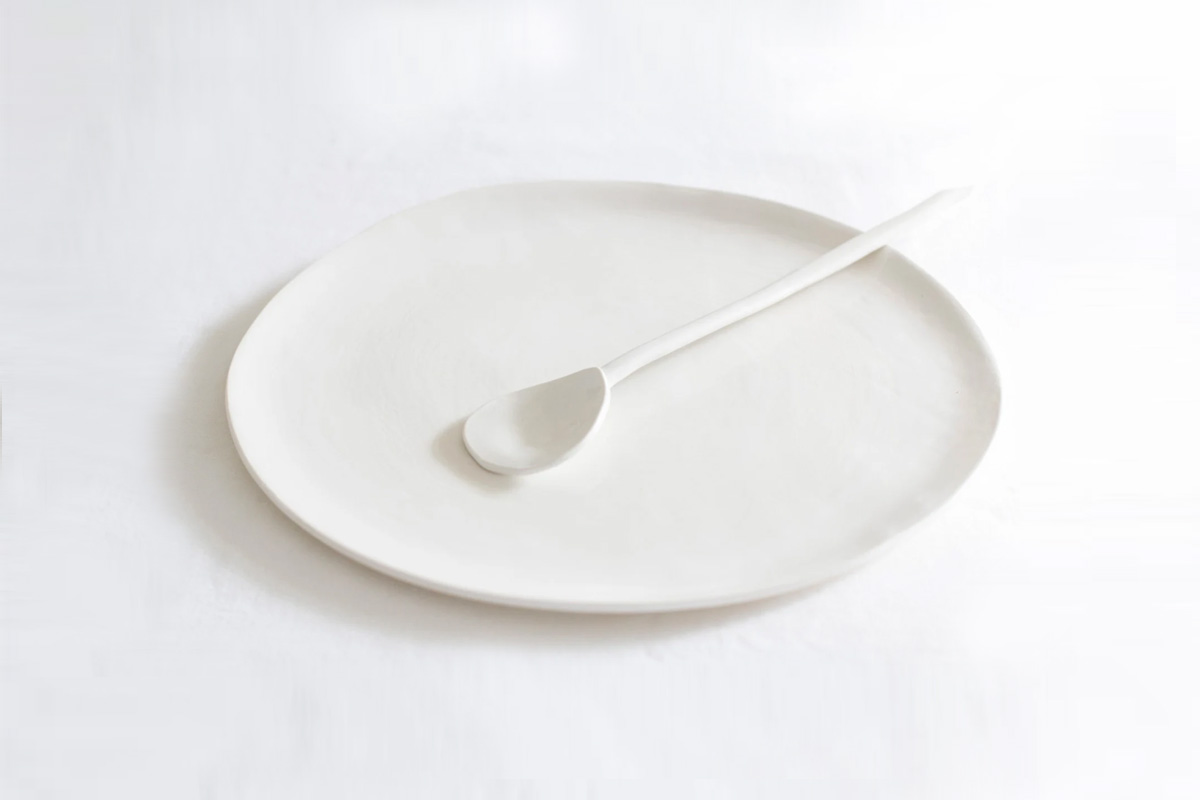
Some kitchen items shout for attention. A copper pot gleams like it has its own publicist. A stand mixer basically parks itself on the counter and demands applause. But a ceramic serving platter? It works quietly, beautifully, and often saves dinner from looking like “food placed on the nearest flat object.”
Simple ceramic serving platters are the secret heroes of everyday entertaining. They turn roasted vegetables into a centerpiece, make grocery-store cookies look like a thoughtful dessert, and give cheese, fruit, fish, bread, and weeknight chicken the dignity they deserve. The best part: you do not need a formal dining room, a butler named Nigel, or a cabinet full of heirloom china to use them well.
This guide breaks down 10 easy pieces worth considering, from classic white porcelain platters to handmade stoneware trays with just enough personality. Instead of chasing fussy trends, the focus is on timeless shapes, useful sizes, food-safe finishes, easy care, and pieces that can move from Tuesday tacos to holiday roast without changing outfits.
Why Simple Ceramic Serving Platters Deserve Cabinet Space
A good platter does three jobs at once: it serves food, frames food, and makes the table feel finished. That matters because presentation changes the whole mood of a meal. Pasta on a sheet pan says, “We survived.” Pasta on a wide ceramic platter says, “Welcome to our rustic Italian evening,” even if the sauce came from a jar and the basil was emotionally unavailable.
Ceramic platters are especially useful because they balance beauty and practicality. Porcelain tends to look refined, smooth, and bright. Stoneware feels warmer, heavier, and more relaxed. Earthenware can be charming and rustic, though it usually requires gentler handling. For most homes, porcelain and stoneware are the sweet spots: durable enough for regular use, attractive enough for guests, and neutral enough to work with dishes you already own.
What to Look For Before Buying a Ceramic Platter
Choose the right material
Most ceramic serving platters fall into porcelain, stoneware, or earthenware. Porcelain is often high-fired, smooth, and elegant. It is a strong choice for white serving platters, minimalist tables, and formal meals that still involve real people eating real food. Stoneware is usually thicker and more casual, with an earthy feel that pairs beautifully with wood boards, linen napkins, and food that looks better slightly messy. Earthenware has a handmade charm, but because it can be more porous, it is best chosen carefully and used according to the maker’s instructions.
Check for food-safe labeling
Pretty is not enough. A platter used for food should be clearly labeled food-safe, especially if it is handmade, vintage, imported, or decorative. Ceramic glazes can be safe when properly formulated and fired, but decorative pottery is not automatically dinnerware. If a piece says “for decorative use only,” believe it. Do not serve lemon bars on it and hope optimism blocks chemistry.
Think about shape before color
Oval platters are the most flexible. They hold roast chicken, asparagus, fish, sandwiches, fruit, and bread without wasting table space. Rectangular platters are excellent for appetizers, sliced meats, sushi, brownies, and anything arranged in rows. Round platters feel generous and casual, especially for salads, desserts, and shared snacks. A rimmed platter helps keep sauces, juices, and rolling olives from making a dramatic escape.
Measure your cabinets
A 20-inch platter may look magnificent online, but it becomes less magnificent when it cannot fit in your cabinet, dishwasher, sink, or life. For most households, a platter between 12 and 16 inches is useful for everyday serving. Larger pieces are excellent for holidays, but only if you have a place to store them that does not involve balancing them above your head like a ceramic guillotine.
10 Easy Pieces: Simple Ceramic Serving Platters to Know
1. The Classic White Oval Porcelain Platter
If you buy only one serving platter, make it a simple white oval porcelain platter. It is the white shirt of serveware: clean, reliable, and somehow appropriate almost everywhere. Use it for roasted salmon, grilled vegetables, biscuits, sliced tomatoes, or a store-bought cake that suddenly looks like it came from a charming bakery with handwritten labels.
Look for high-fired porcelain with a smooth glazed surface and dishwasher-safe care instructions. A white porcelain platter also mixes easily with patterned plates, colored napkins, wood boards, and modern flatware. It does not fight the food for attention, which is exactly the point.
2. The Everyday Stoneware Oval Platter
Stoneware is ideal when you want something sturdy, relaxed, and quietly stylish. A stoneware oval platter in white, ivory, oatmeal, or soft gray can handle family-style dinners without looking too precious. The slightly heavier feel makes it great for roasted vegetables, grilled meats, pancakes, dinner rolls, or a casual salad with attitude.
Many modern stoneware platters are dishwasher-safe and microwave-safe, though you should always follow the specific manufacturer’s directions. Some are oven-safe to certain temperatures, which can be convenient for warming bread or keeping food cozy. Still, avoid sudden temperature changes. Ceramic may be tough, but it does not enjoy being shocked like a Victorian aunt reading gossip.
3. The Rectangular Porcelain Serving Tray
A rectangular porcelain platter is the organizer of the group. It loves straight lines, neat rows, and appetizers that want to look more intentional than they are. Use one for deviled eggs, crostini, sushi rolls, tea sandwiches, lemon bars, cookies, or sliced fruit.
The best rectangular ceramic serving trays have a slight lip around the edge. That small detail helps keep sauces, crumbs, and runaway blueberries where they belong. White is the most versatile choice, but a soft matte glaze or subtle speckled finish can add warmth without turning your table into a design experiment.
4. The Large Platter with Handles
Handles are not just decorative. They are practical, especially when the platter is loaded with a roast, vegetables, or enough sliders to feed a youth soccer team. A ceramic serving platter with integrated handles makes kitchen-to-table movement easier and safer.
This style is especially helpful for holiday meals and buffet setups. Choose handles that are part of the ceramic shape rather than fragile add-ons. Cutout handles on an oval stoneware platter can look clean and modern while still giving your fingers a fighting chance.
5. The Round Coupe Platter
A round coupe platter has a shallow, gently curved profile. It feels softer than a flat plate and more modern than a formal charger. This is the platter for composed salads, fresh fruit, roasted carrots, burrata with tomatoes, or a pile of cookies that says, “Yes, I baked,” even when the package says otherwise.
Round ceramic platters are especially useful on square or rectangular tables because they break up all the lines. They also work well as a decorative base for candles, seasonal fruit, or a tiny mountain of clementines when not serving food.
6. The Rimmed Serving Platter
A rimmed platter is a practical choice for saucy foods. Think meatballs, roasted beets, caprese salad, grilled peaches, braised chicken, or anything with olive oil, pan juices, or dressing. A low rim keeps the good stuff contained without making the dish feel like a bowl.
This is also a smart option for outdoor meals. Wind, uneven tables, and enthusiastic guests can turn a flat platter into a small obstacle course. A rim gives your food a little security guard.
7. The Handmade Speckled Stoneware Platter
Handmade ceramic platters bring personality to the table. Speckled clay, slight variations in glaze, and organic edges can make even simple food look thoughtful. This style is perfect for people who love the “collected over time” look but do not want the table to feel cluttered.
When buying handmade ceramics, read the care notes carefully. Confirm that the platter is food-safe and check whether it is dishwasher-safe, microwave-safe, or oven-safe. Handmade does not mean fragile by default, but it does mean each maker may have different recommendations.
8. The Reactive Glaze Platter
Reactive glazes create natural color variation during firing, so no two pieces look exactly alike. A reactive glaze ceramic platter can add depth while staying simple, especially in shades like blue-gray, cream, sand, olive, or soft black.
The trick is restraint. If the glaze is dramatic, keep the shape simple. If the shape is unusual, choose a quieter color. Otherwise, your platter may start competing with the salad, and nobody wants lettuce to feel insecure.
9. The Small Appetizer Platter
Not every platter needs to be huge. A small ceramic serving platter is one of the most useful pieces you can own. Use it for olives, crackers, sliced cheese, strawberries, mini desserts, butter, bread, or a few perfect tomatoes with salt.
Small platters are also easier to store, easier to wash, and easier to use on weeknights. They help you serve little things beautifully instead of leaving them in containers. That one upgrade can make dinner feel less like refueling and more like an actual pause in the day.
10. The Statement-but-Still-Simple Platter
Every collection can use one “quiet statement” platter. This is not the neon zebra of the cabinet. It is a piece with one memorable detail: a sculptural rim, an elongated shape, a soft color, a handmade edge, or a subtle texture.
A statement ceramic platter works well when the rest of the table is simple. Pair it with white plates, plain glasses, and natural linens. Let the platter carry the style while the food carries the flavor. Teamwork, but with fewer meetings.
How to Style Ceramic Serving Platters Without Overthinking It
Use contrast
White platters make colorful food pop. Dark platters can make pale foods, like burrata, potatoes, pears, and shortbread, look elegant. Speckled platters bring texture to simple foods. The goal is not perfection; it is giving the food a background that makes sense.
Leave breathing room
One of the easiest serving mistakes is crowding. A platter should not look like it is trying to catch the last train out of town. Leave a little space around sliced meat, vegetables, cookies, or fruit. Negative space makes food look more abundant, not less.
Garnish like a normal person
A few herbs, lemon wedges, flaky salt, toasted nuts, or a drizzle of olive oil can finish a platter beautifully. You do not need tweezers. You do not need edible flowers unless you genuinely like them. A simple garnish should say “fresh,” not “I watched twelve competitive cooking shows and lost perspective.”
Care Tips for Ceramic Serving Platters
Always read the maker’s care instructions first. Many porcelain and stoneware platters are dishwasher-safe, but large platters may still be easier to hand-wash because they take up half the dishwasher and start a domestic argument with the dinner plates.
Avoid sudden temperature changes. Do not move a cold platter directly into a hot oven unless the manufacturer says it is safe. Do not place a hot platter on a cold stone counter without a trivet. Thermal shock can crack ceramic, and a cracked platter has a very limited future in hospitality.
Use gentle scrubbers rather than harsh metal pads, especially on glossy or matte glazes. For stubborn stains, soak the platter in warm water with mild dish soap. If flatware marks appear on a light glaze, a non-abrasive ceramic cleaner may help, but test gently and avoid anything that could damage the finish.
Experience: What Living With Ceramic Platters Teaches You
After using ceramic serving platters regularly, you start to notice something funny: the platter affects how you cook. A wide oval platter encourages you to roast a whole tray of vegetables and finish them with herbs. A small rectangular tray makes you more likely to put out olives and cheese before dinner instead of letting everyone hover around the kitchen like hungry ghosts. A handmade platter makes scrambled eggs and toast feel like brunch rather than a scheduling accident.
The most useful ceramic platters are rarely the fanciest ones. They are the pieces that come out of the cabinet without hesitation. The ones that fit in the sink. The ones that can hold garlic bread on Monday and birthday cake on Saturday. In real homes, versatility beats drama almost every time.
One of the best experiences is discovering how forgiving simple ceramic serveware can be. You can place roasted chicken on a white oval platter with lemon halves and parsley, and it looks classic. You can put takeout dumplings on a rectangular porcelain tray with a tiny bowl of sauce, and suddenly it feels hosted. You can serve sliced watermelon on a speckled stoneware platter, and the whole table looks cooler, fresher, and more intentional.
Ceramic platters also help with portioning and flow. At a dinner party, one large platter in the center of the table invites people to share. At a buffet, several smaller platters prevent traffic jams and make refilling easier. For family meals, a platter can make vegetables more appealing because they are presented as part of the meal, not abandoned in a pot on the stove.
Storage is the one lesson everyone learns eventually. A platter you cannot store safely becomes a beautiful problem. The best strategy is to own fewer, better pieces: one large oval platter, one rectangular tray, one small appetizer platter, and maybe one handmade or colorful piece for personality. Stack them vertically with dividers if possible, or keep the largest one at the bottom of a cabinet where it will not slide out like a ceramic landslide.
Another real-life tip: neutral does not have to mean boring. White porcelain, ivory stoneware, soft gray glaze, warm speckled clay, and muted blue all behave like neutrals on the table. They work across seasons and menus. A platter that looks good with roast turkey, summer berries, tacos, and chocolate cake is not plain; it is emotionally intelligent.
The joy of ceramic serving platters is that they make ordinary food feel cared for. That does not mean formal. It means the meal gets a little stage. Even a pile of toast looks better on a platter than on a cutting board crowded with crumbs and regret. And when the table looks inviting, people linger. They pass food. They ask for seconds. They notice the meal, not just the Wi-Fi signal.
Final Thoughts: Simple Platters, Better Meals
Simple ceramic serving platters are worth owning because they do not ask for much and give back constantly. They are useful, beautiful, durable when chosen well, and flexible enough for everyday meals and special occasions. Start with one classic white oval or rectangular platter, then add stoneware, handmade texture, or a rimmed piece as your cooking and hosting habits grow.
The right platter does not need to be expensive or flashy. It just needs to be food-safe, well-sized, easy to clean, and pleasant to use. Choose pieces that fit your cabinets, your dishwasher, your table, and your actual life. Because the best serveware is not the platter that impresses guests once a year. It is the one you reach for again and again, even when dinner is just roasted broccoli, bread, and whatever miracle you found in the fridge.