Editorial note: This article synthesizes real Provincetown character, Cape Cod beach culture, and practical coastal design ideas into an original, publication-ready feature for readers who want seaside charm without seaside-level spending.
Small Cottage, Big Summer Energy
A beach cottage in Provincetown does not need to be grand to feel unforgettable. In fact, the smaller it is, the more charming it can becomelike a seashell with Wi-Fi, a front stoop, and exactly three hooks for towels that somehow serve six people. Provincetown, perched at the very tip of Cape Cod, has always been a place where personality beats polish. Its beaches, art galleries, weathered shingles, bike paths, and wildly colorful summer scene make it the ideal setting for a cottage designed around easy living rather than luxury spending.
The secret to budget-minded summer living is not pretending your cottage is a glossy oceanfront mansion. The secret is letting it be what it is: compact, casual, breezy, and ready for sandy feet. A Provincetown beach cottage works best when it borrows from the town’s real spiritcreative, inclusive, practical, a little bohemian, and completely allergic to boredom. Think slipcovered seating, thrifted art, painted furniture, striped cotton throws, baskets for beach gear, and a kitchen that can handle lobster rolls, iced coffee, and the occasional heroic attempt at clam chowder.
This is summer style with common sense. It is coastal design that knows sunscreen will spill, guests will overpack, and the best decorative object in the house may be a sun-faded beach towel hanging by the door.
Why Provincetown Is the Perfect Backdrop for Budget Coastal Style
Provincetown is not just another Cape Cod postcard. It is a layered seaside town shaped by fishermen, artists, Portuguese heritage, writers, LGBTQ+ culture, and generations of summer visitors. That history matters because a cottage here should not feel generic. A Provincetown cottage should look collected, not purchased in one panicked shopping cart at midnight.
The town’s artistic legacy makes budget decorating feel natural. Mismatched chairs, local prints, painted floors, and hand-me-down tables do not look like compromises here; they look like they belong. Provincetown’s reputation as an art colony means a cottage can celebrate creativity without needing expensive gallery pieces. A framed flea market sketch, a nautical map, a vintage postcard, or a DIY canvas in sea-glass colors can feel perfectly at home.
The beaches also shape the design language. Herring Cove Beach is loved for sunsets and easy access from town, while Race Point Beach brings dunes, lighthouses, and a wilder Atlantic mood. Cape Cod National Seashore adds miles of sand, marshes, trails, ponds, and windswept landscapes. Bring those textures indoors: dune grass tones, weathered wood, natural fiber rugs, pale blues, creamy whites, and the occasional bold accent that nods to Provincetown’s bright summer personality.
The Budget-Minded Cottage Formula
1. Start With a Sun-Washed Color Palette
A small beach cottage feels larger when the base palette is light. Warm white walls, soft cream trim, pale sand upholstery, and light wood finishes create the calm background every summer cottage needs. This does not mean the space must look sterile. Provincetown is colorful, so add personality with accents: faded turquoise pillows, navy ticking stripes, coral napkins, seafoam ceramics, or a sunset-orange tray on the coffee table.
Paint is one of the most powerful budget upgrades. A battered wooden dresser becomes cottage-worthy with white or blue-gray paint. A mismatched dining chair suddenly looks intentional when it joins three other mismatched chairs in the same color family. Even old picture frames can be unified with leftover paint. The goal is not perfection. The goal is “I meant to do that,” which is also a useful phrase for hosting.
2. Choose Natural Textures Over Expensive Statements
Coastal style works beautifully on a budget because texture does so much of the decorating. Jute rugs, rattan baskets, cotton curtains, woven lampshades, linen-look pillow covers, bamboo trays, and sisal runners bring beachy warmth without shouting “theme room.” A cottage should whisper “summer,” not yell “pirate restaurant.”
Use baskets everywhere. One by the door for flip-flops, one under a bench for beach towels, one in the bathroom for extra toilet paper, and one in the living room for throws. Baskets are the budget decorator’s best friend because they hide chaos while pretending to be design.
3. Make Every Piece Work Hard
In a Provincetown cottage, square footage is precious. Furniture should earn its keep. A storage bench near the entry can hold beach bags and act as a shoe station. A drop-leaf dining table can expand for guests and shrink for weekday breakfasts. A sleeper sofa can turn the living room into overflow lodging when friends “just happen” to be in town. Nesting tables are ideal because they appear only when snacks do.
Wall hooks are essential. Install them in the entry, bathroom, bedroom, and outdoor shower area if there is one. Towels, hats, totes, linen shirts, dog leashes, and damp swimsuits all need somewhere to land. A hook costs little, saves space, and prevents the traditional beach-house décor style known as “everything on the chair.”
Room-by-Room Styling for Affordable Summer Living
The Entry: Your Sand-Control Headquarters
The entry of a beach cottage should be cheerful but ruthless. It is the first line of defense against sand, sunscreen, and mysterious pebbles that follow guests indoors. Use a washable mat, a narrow bench, sturdy hooks, and labeled bins. Add a small sign or framed print for charm, but keep the function clear. Shoes off. Towels here. Happiness allowed. Sand negotiable.
A painted peg rail is one of the easiest upgrades. It feels classic, costs little, and handles everything from straw hats to canvas market bags. Place a basket underneath for flip-flops and water shoes. If the cottage is a rental or seasonal getaway, add a laminated mini guide with Wi-Fi, trash pickup, beach reminders, and favorite local spots. Practical can still be cute.
The Living Room: Slipcovers, Stripes, and No Precious Objects
The living room should invite people to collapse after a beach day. Choose washable slipcovers, indoor-outdoor pillows, lightweight throws, and a coffee table that can survive board games, takeout containers, and someone’s ambitious shell collection. A white sofa may sound risky, but washable covers make it more realistic than dark upholstery that shows salt marks and lint.
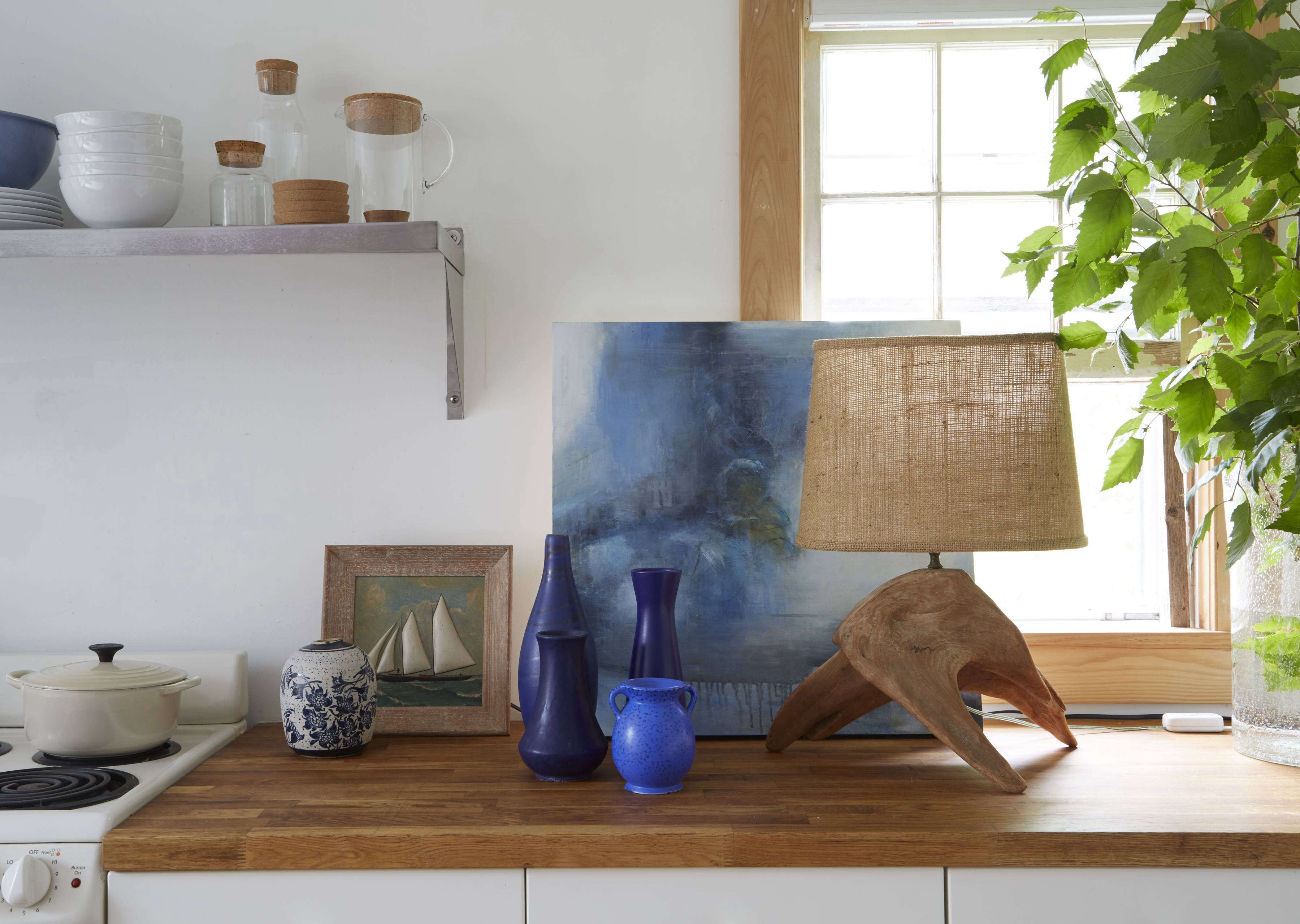
For budget art, skip mass-produced anchor prints and look for pieces with a local feeling. Frame a map of Provincetown Harbor. Hang a small gallery wall of thrifted seascapes. Display vintage postcards from Cape Cod. Use one oversized photograph of dunes or weathered boats. The best cottage art feels gathered over time, even if you gathered it last Tuesday.
The Kitchen: Open, Useful, and Ready for Lobster Rolls
A summer kitchen does not need marble counters to work beautifully. It needs clear surfaces, open storage, and enough tools to make breakfast, sandwiches, salads, seafood dinners, and emergency popcorn. Open shelves can make a small kitchen feel lighter, especially when stocked with white dishes, glass jars, striped bowls, and a few pieces in blue or green.
Use budget upgrades with high visual impact: new cabinet knobs, peel-and-stick backsplash tile, woven pendant lighting, cotton café curtains, and a painted pantry door. Keep a tray on the counter for oils, salt, pepper, and napkins so everyday items look styled rather than abandoned. A pitcher filled with hydrangeas or grocery-store greenery adds instant cottage charm.
The Bedroom: Breezy, Calm, and Not Overdecorated
Provincetown summer days are lively, so the bedroom should be a soft landing. Use crisp cotton sheets, a lightweight quilt, bamboo or rattan accents, and simple bedside lighting. A palette of white, sand, pale blue, and muted green keeps the room restful. Avoid clutter, especially in small rooms where one extra chair can become a clothing mountain with legs.
Budget trick: invest in bedding that feels good, then save on accessories. A thrifted nightstand can be painted. A plain mirror can be wrapped with rope or framed in driftwood tones. A simple linen-look curtain panel can soften harsh light. The bed does the visual heavy lifting, so let it look fresh, clean, and nap-friendly.
The Bathroom: Tiny Spa, Big Towel Strategy
Beach cottage bathrooms are often compact. That is a polite way of saying you may be able to brush your teeth and touch the shower curtain at the same time. Make the room feel intentional with a striped shower curtain, bright white towels, wall shelves, and hooks instead of towel bars. Hooks dry towels faster and fit more of them, which matters when everyone claims they only used “one towel.” They did not.
Add affordable coastal style with a shell dish, blue glass soap dispenser, framed mini print, or woven wastebasket. Keep products corralled in bins. A small bathroom looks expensive when it is tidy and terrifying when six bottles of mystery conditioner take over the sink.
Outdoor Living Without a Luxury Budget
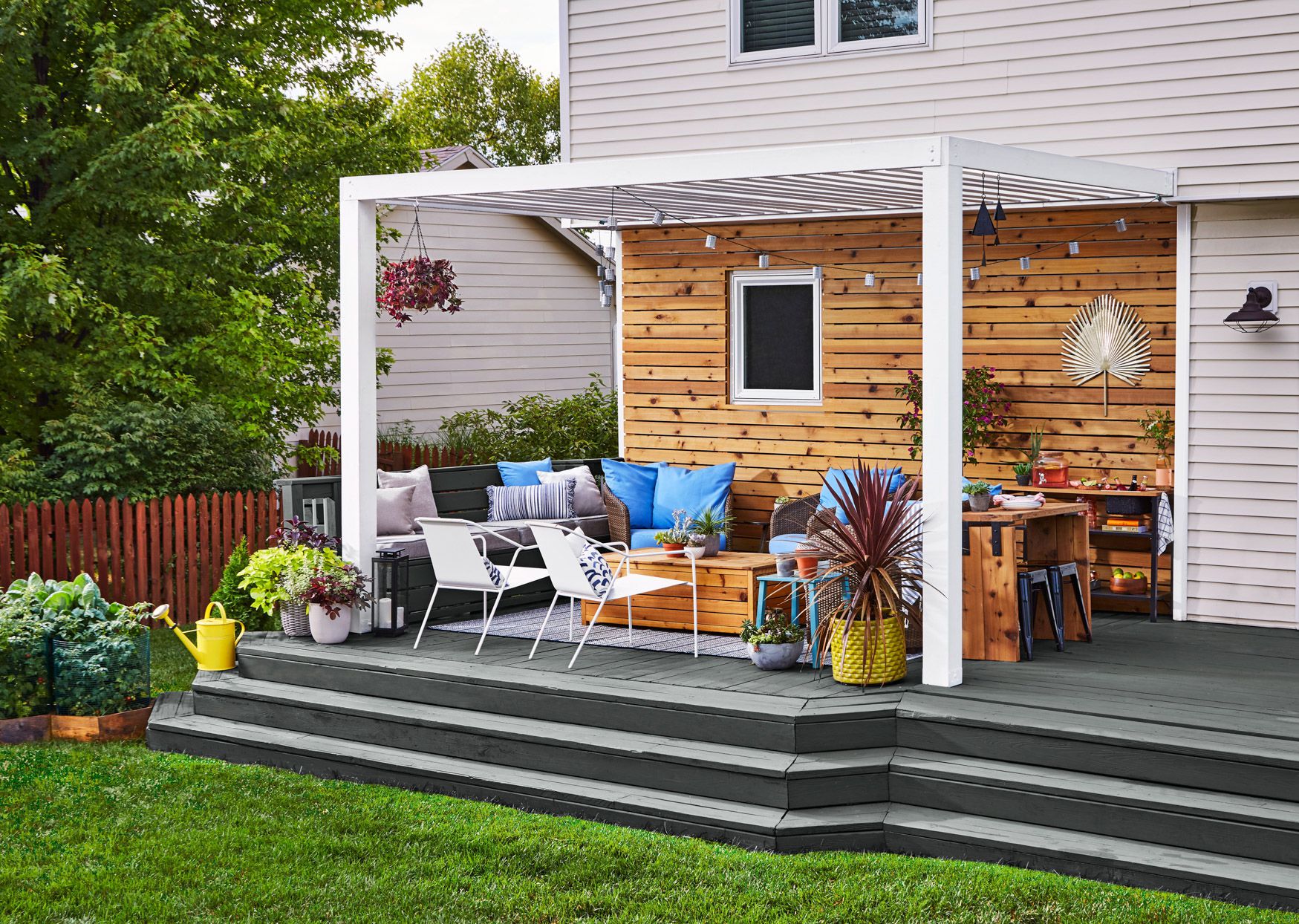
Summer living in Provincetown happens outdoors whenever possible. Even a tiny deck, patio, or front stoop can become a second living room. Use folding bistro chairs, an outdoor rug, string lights, potted herbs, and a small table for coffee or sunset snacks. Adirondack chairs are classic, but budget versions work well if you choose durable materials and cushions that can handle weather.
Container gardening is perfect for beach cottages. Try lavender, rosemary, ornamental grasses, or hardy annuals in simple pots. Hydrangeas feel very Cape Cod, but even a few planters filled with herbs can make the cottage feel alive. If the cottage has a fence or railing, hanging baskets can add color without taking floor space.
For evening atmosphere, string lights are the budget hero. They make a basic patio feel festive, soften awkward corners, and encourage guests to linger. Add citronella candles or lanterns, a washable tablecloth, and enamelware plates for easy outdoor meals. The look should say “casual seaside dinner,” not “we are afraid of our own furniture.”
How to Shop Smart for a Provincetown Cottage Look
Thrift First, Then Fill the Gaps
Budget-minded cottage style thrives on secondhand finds. Search thrift stores, yard sales, estate sales, online marketplaces, and local vintage shops for wooden tables, wicker chairs, lamps, mirrors, frames, baskets, and small dressers. The best pieces have character and can be improved with paint, new hardware, or fresh fabric.
Do not buy every coastal item you see. A cottage only needs a few seaside references. Too many shells, anchors, oars, and signs pointing to the beach can make the room feel like it is auditioning for a seafood menu. Choose subtle details: texture, color, light, art, and useful objects.
Spend Where It Matters
Save on decorative accents, but spend a bit more on mattresses, seating comfort, durable rugs, and washable fabrics. Summer living is physical. People return from the beach tired, salty, and hungry. They need a good place to sit and sleep. A pretty chair that feels like a lobster trap is not a bargain.
Durability is part of affordability. Indoor-outdoor rugs, performance fabric pillow covers, washable curtains, and sturdy dining chairs last longer and clean faster. In a beach cottage, anything too delicate will either break or make everyone nervous. Nervous is not a summer mood.
Budget-Friendly Design Ideas That Feel Expensive
Create a Cottage Gallery Wall
Collect inexpensive frames and fill them with personal photos, local postcards, pressed beach grass, simple line drawings, or maps. Keep the frames in a consistent color or finish to make the mix feel cohesive. A gallery wall gives a small cottage instant soul and costs far less than one large statement piece.
Use Fabric to Add Pattern
Fabric changes everything. Striped pillow covers, gingham napkins, block-print curtains, and blue-and-white table linens can refresh a room in minutes. Removable covers are especially useful because they can be washed, swapped, and stored at the end of the season.
Paint the Floor or the Furniture
If old wood floors are beyond refinishing, painted floors can look charming in a cottage setting. Soft gray, white, or pale blue creates a relaxed coastal foundation. For renters or cautious decorators, start smaller with painted stools, side tables, or a dresser. Paint is budget design magic in a can.
Style With Everyday Objects
Beach towels, straw hats, market totes, enamel pitchers, glass jars, and stacks of books can all become part of the design. The trick is arranging them with intention. Hang hats on pegs. Roll towels in a basket. Place shells in one simple bowl, not every bowl you own. Let useful things be beautiful.
Keeping the Cottage Cool, Clean, and Guest-Ready
A budget beach cottage should be easy to maintain. Use washable rugs near doors, keep cleaning supplies accessible, and choose furniture legs that allow quick sweeping underneath. Sand is not a guest; it is an invading army. Fight it with mats, brooms, baskets, and a cheerful acceptance that you will never defeat it completely.
Airflow matters, too. Lightweight curtains, ceiling fans, screened windows, and uncluttered rooms help a cottage feel cooler. Avoid heavy drapes and dark, bulky furniture. The best summer spaces breathe. They make it easy to open a window, pour iced tea, and pretend email no longer exists.
Extra Experiences: Living the Budget-Minded Provincetown Cottage Life
The beauty of a Provincetown cottage is that the best experiences are often simple. Wake early, before Commercial Street gets busy, and take coffee outside while the morning is still soft. The cottage does not need a designer espresso machine; a basic French press and a chipped mug can feel luxurious when gulls are calling and the air smells faintly of salt. Budget summer living is less about deprivation and more about noticing what is already generous.
A smart cottage routine starts with walking and biking. Provincetown is wonderfully suited to leaving the car parked whenever possible. Guests can wander to town beaches, galleries, coffee shops, bakeries, and casual restaurants, then return to the cottage without turning the day into a parking strategy meeting. For Herring Cove or Race Point, bikes make the outing feel like part of the adventure. Add a basket, pack a towel, bring water, and suddenly transportation becomes memory-making.
Food is another place where the budget-minded cottage shines. Instead of dining out for every meal, build a flexible summer pantry: pasta, olive oil, canned tomatoes, lemons, crackers, peanut butter, coffee, iced tea, and a few good condiments. Add local seafood, farmers market vegetables, or bakery bread when the budget allows. A cottage dinner of corn, salad, grilled fish, and cold drinks can feel more special than a restaurant meal because nobody has to change out of beach clothes.
Evenings are where the cottage becomes magical. After sunset, open the windows, turn on the string lights, and let the living room become a gathering place. Play cards. Read paperbacks. Put music on low. Serve popcorn in a mixing bowl because the serving bowl is full of shells someone collected “for art.” This is not failure. This is authentic beach cottage culture.
For rainy days, keep a cottage kit: puzzles, cards, sketchbooks, colored pencils, a few novels, and a list of local museums, galleries, and shops. Provincetown’s creative history makes bad weather easier to love. A gray afternoon can become a gallery stroll, a writing session, or a long lunch at the cottage with soup and grilled cheese. The best summer homes are not only designed for perfect weather. They are prepared for fog, wind, and the universal drama of someone forgetting where they put the sunscreen.
Hosting in a small cottage also teaches generosity without extravagance. Give guests clear storage, extra hooks, bedside lamps, and a place to charge phones. Offer a basket with sunscreen, bug spray, a tide chart, and a few local tips. Nobody needs monogrammed robes. They need a dry towel, a comfortable bed, and the feeling that they are welcome to relax.
Ultimately, a budget-minded Provincetown cottage is not about making do. It is about making summer feel personal. The painted table, the thrifted mirror, the basket of towels, the porch lights, the sandy shoes by the doorthese details create a home that understands the season. It is stylish because it is useful, warm because it is imperfect, and memorable because it leaves room for real life to happen.
Conclusion: The Cottage That Lives Like Summer
A beach cottage in Provincetown, styled for budget-minded summer living, proves that good design is not measured by how much money disappears from your bank account while you whisper, “It’s an investment.” The best cottage style is practical, personal, and deeply connected to place. In Provincetown, that means honoring the town’s beaches, art, history, and joyful individuality while creating a home that works for sandy feet, casual dinners, visiting friends, and slow mornings.
Use light colors, natural textures, thrifted finds, washable fabrics, smart storage, and local inspiration. Spend where comfort matters. Save where creativity can do the job. Let the cottage feel collected, breezy, and alive. After all, summer does not ask for perfection. It asks for a good chair, a cool drink, a place to hang your towel, and maybe one more sunset.