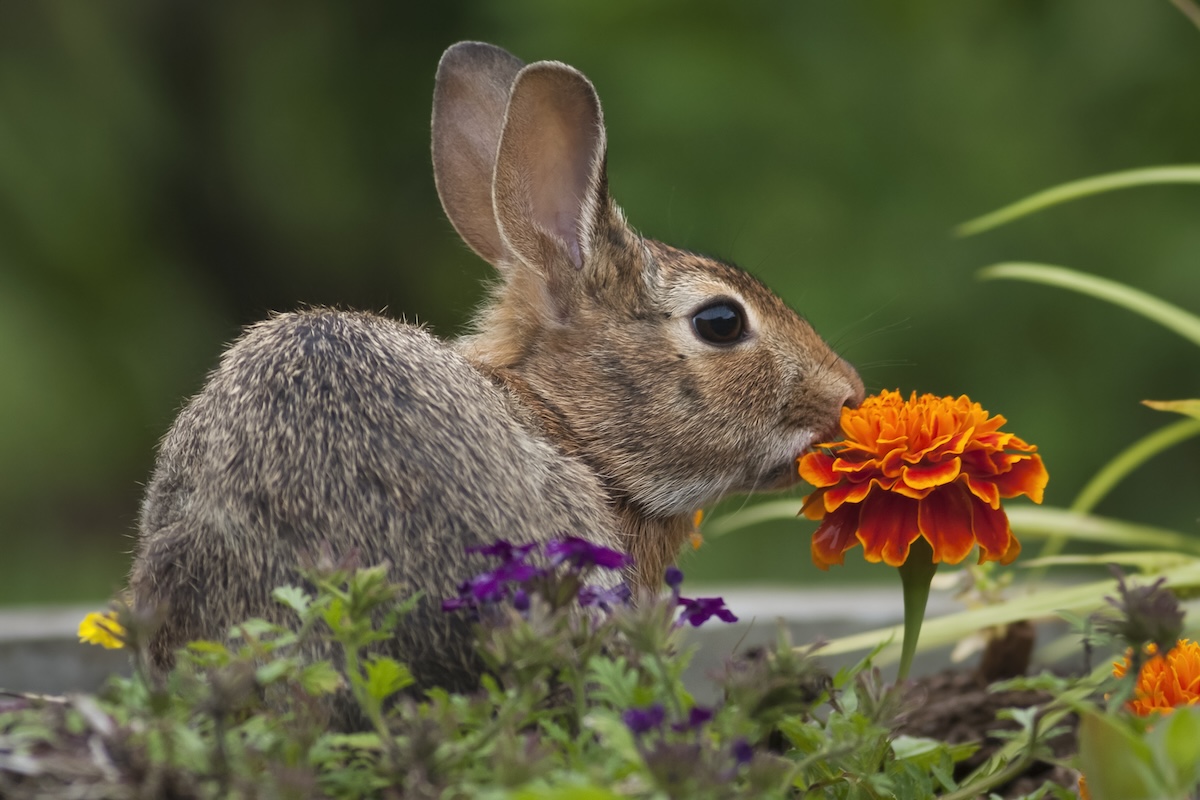
Few things test a gardener’s patience like walking outside with a cup of coffee, ready to admire yesterday’s perfect lettuce, only to find it has been converted into a wildlife salad bar. The tomatoes are nibbled, the bean seedlings are missing, and something with suspiciously adorable feet has left the scene of the crime. Before you declare war on every rabbit, squirrel, deer, groundhog, raccoon, bird, and mystery nighttime visitor within three zip codes, take a breath. You can protect your garden without harming animals.
The best humane garden protection is not about “beating” wildlife. It is about making your vegetables, herbs, flowers, and young trees harder to reach, less tempting, and less convenient than the rest of the neighborhood buffet. In most home gardens, the winning formula is simple: identify the animal, block access, remove attractants, rotate gentle deterrents, and protect the most vulnerable plants first.
This guide covers 13 practical, humane ways to keep animals out of your garden while respecting the fact that they are not villains. They are just hungry, curious, and, unfortunately, very good at noticing when you finally got your strawberries right.
Why Humane Animal Deterrents Work Better Long-Term
Humane garden protection focuses on prevention rather than punishment. Poisons, glue traps, cruel barriers, and careless relocation can injure animals, pets, birds, and even beneficial wildlife. They also rarely solve the underlying problem: your garden is still full of food, shelter, or easy entry points.
Non-harmful animal control works best because it changes the garden environment. A rabbit cannot eat lettuce through hardware cloth. A deer is less likely to jump into an enclosed, confusing, protected space. A raccoon is less interested in your yard when fallen fruit, open compost, and pet food are removed. In other words, you are not trying to convince wildlife to become polite dinner guests. You are quietly closing the restaurant.
1. Identify the Animal Before Choosing a Solution
The first rule of humane animal control is simple: do not solve a rabbit problem with a deer solution. Different animals leave different clues, and those clues help you choose the right barrier or deterrent.
Deer damage often looks ragged because deer tear leaves and stems rather than neatly clipping them. Rabbits usually leave clean, angled cuts close to the ground, almost like someone used tiny garden shears. Birds may peck holes in fruit or pull up seeds. Squirrels often take a bite from a tomato and then abandon it, apparently because they enjoy emotional damage. Groundhogs and raccoons may leave larger bite marks, digging, or trampled areas.
Look for tracks, droppings, burrow holes, feeding height, and the time of day when damage appears. If the damage happens overnight, think deer, rabbits, raccoons, skunks, or groundhogs. If seedlings vanish during the day, birds, squirrels, or rabbits may be involved. Once you know the likely visitor, your plan becomes much more effective.
2. Install the Right Fence for the Right Visitor
Fencing is the gold standard for keeping animals out of gardens without harming them. It is not glamorous, but neither is finding your kale reduced to green confetti.
For rabbits, a low fence made from chicken wire or hardware cloth can work well. Use small mesh, ideally 1 inch or smaller, so young rabbits cannot squeeze through. A height of about 2 feet is usually enough for rabbits, but the bottom edge matters. Pin it tightly to the ground or bury the lower edge a few inches so rabbits cannot wiggle underneath.
For deer, height is the big issue. Deer are excellent jumpers, and a serious deer fence often needs to be about 8 feet tall to protect an entire garden. If that sounds like building a vegetable prison, consider fencing only the most valuable area, such as a raised-bed zone or berry patch. Smaller enclosed spaces can sometimes use shorter fencing because deer dislike jumping into tight areas where landing space is unclear.
For groundhogs and digging animals, use an L-shaped footer: extend wire mesh down into the soil and outward away from the garden. When the animal digs at the fence line, it meets mesh instead of an invitation.
3. Use Individual Plant Cages and Cloches
If fencing the whole garden is too expensive or unattractive, protect individual plants. This is especially useful for young seedlings, newly planted flowers, berry bushes, and prized vegetables.
A simple cylinder of wire mesh around a young shrub can prevent rabbit browsing. Tomato cages wrapped with mesh can protect tender greens. Lightweight garden cloches can shield young lettuce, cabbage, and herbs until they are established. For small beds, a hoop frame covered with netting or row cover can create a mini fortress that still lets in light and air.
The key is to make sure the covering does not trap animals. Keep netting taut, secure edges, and check daily. Loose netting can become dangerous for birds, snakes, chipmunks, and other small wildlife. Humane protection should block access, not create a tangle trap.
4. Cover Seedlings With Row Covers
Seedlings are the potato chips of the garden world: small, tender, and gone before you realize what happened. Floating row covers are a gentle and effective way to protect young plants from birds, rabbits, squirrels, insects, and rough weather.
Use hoops or low supports so the fabric does not press directly against delicate leaves. Anchor the edges with soil, clips, bricks, or garden staples. Row covers are especially helpful for salad greens, brassicas, beans, peas, and newly seeded beds.
Remember to remove or lift covers when plants need pollination. Crops such as squash, cucumbers, melons, and some berries need pollinators to reach flowers. For leafy greens and root crops, covers can often stay in place longer.
5. Remove Food Sources That Attract Animals
Animals rarely wander into gardens because they admire your landscape design. They come for food, water, shelter, and habit. Removing extra attractants makes your garden less interesting.
Pick ripe produce promptly. Clean up fallen fruit, cracked tomatoes, dropped berries, and corn scraps. Use secure compost bins instead of open piles filled with food waste. Feed pets indoors, and do not leave bowls outside overnight. Store birdseed, grass seed, and animal feed in sealed containers.
Bird feeders deserve special attention. They may bring beautiful birds, but spilled seed can attract squirrels, mice, rats, raccoons, and other opportunistic visitors. If animals are raiding your vegetable beds, temporarily moving feeders away from the garden can help.
6. Reduce Hiding Places Near the Garden
A messy garden edge is a five-star wildlife hotel. Rabbits love brush piles, tall grass, dense weeds, low cover, stacked boards, and gaps under sheds. Rodents also appreciate clutter, especially when it provides protection from predators.
Keep grass trimmed around vegetable beds. Remove brush piles near the garden. Store firewood off the ground and away from planting areas. Close off openings beneath decks, sheds, and porches with secure mesh after making sure no animals are trapped inside.
This does not mean your yard must become a sterile lawn with the personality of a parking lot. You can still support wildlife with native plantings, pollinator borders, and habitat areas. The trick is to place wilder habitat away from your most vulnerable food crops, not directly beside your lettuce buffet.
7. Choose Plants Animals Usually Avoid
No plant is truly “animal-proof.” A hungry deer will sample things that garden centers swear deer dislike, and rabbits sometimes develop tastes that feel personally disrespectful. Still, plant selection can reduce damage.
Many animals are less attracted to plants with strong scents, fuzzy leaves, tough textures, prickles, or bitter flavors. Herbs such as rosemary, lavender, sage, thyme, oregano, and mint are often less appealing than tender greens. Deer may avoid ornamental grasses, some ferns, daffodils, alliums, and many aromatic perennials. Rabbits often skip plants with leathery or strongly scented foliage.
Use these less-palatable plants as borders around vulnerable crops. For example, plant herbs near greens, flowers with strong scents around young vegetables, or ornamental grasses along deer pathways. This is not a magic force field, but it can make the garden less inviting.
8. Apply Repellents Carefully and Realistically
Repellents can help, but they are not miracles in a spray bottle. Most work by taste, odor, or fear cues. Some use ingredients that smell unpleasant to browsing animals; others make leaves taste bad. They often work best before animals develop a habit of feeding in your garden.
Always read the label, especially in vegetable gardens. Some repellents are not approved for edible crops or plant parts you plan to eat. Reapply after rain, overhead watering, or new plant growth. Rotate products when needed because animals may become used to a single smell or taste.
Avoid harsh home remedies that can injure animals, contaminate soil, or create hazards for pets and children. Mothballs, bleach, broken glass, razor blades, sticky traps, and similar ideas do not belong in a humane garden. If a method sounds like it came from a villain in a cartoon, skip it.
9. Use Motion-Activated Sprinklers
Motion-activated sprinklers are one of the most popular humane deterrents because they surprise animals without hurting them. When a deer, raccoon, rabbit, or wandering neighborhood cat crosses the sensor, the sprinkler releases a quick burst of water. The animal usually leaves, offended but unharmed.
These devices work best when aimed at clear entry points, such as gaps in hedges, garden paths, or the side of the bed where damage usually occurs. Move them occasionally so animals do not memorize the safe route. Also, warn family members unless you enjoy watching someone walk into the garden and suddenly perform interpretive dance.
10. Rotate Gentle Scare Tactics
Scare tactics can help, but only when they change regularly. Wildlife is smart. A plastic owl that never moves quickly becomes garden furniture. Reflective tape, pinwheels, flags, radios, wind chimes, and Mylar strips may work for short periods, especially against birds and deer, but animals adapt.
To make scare devices more effective, place them before damage becomes severe. Move them every few days. Combine visual movement with sound or water. Use them during the most vulnerable period, such as when seeds are germinating or fruit is ripening.
Think of scare tactics as temporary backup dancers, not the main act. They support fencing, covers, cleanup, and repellents, but they rarely replace them.
11. Protect Bulbs, Roots, and Raised Beds From Diggers
Some animals attack from below. Moles, voles, chipmunks, ground squirrels, and other diggers can disturb roots, bulbs, and newly planted beds. The humane answer is exclusion.
For bulbs, plant them inside wire bulb cages or baskets made for garden use. For raised beds, attach hardware cloth to the bottom before filling the bed with soil. This creates a barrier that allows drainage and root growth while preventing burrowing animals from entering from underneath.
If you already have raised beds, you can retrofit protection during a seasonal soil refresh. Empty the bed, secure hardware cloth across the bottom, and refill. It is a weekend project, but so is replanting everything after a tunneling creature holds an underground festival.
12. Use Bird Netting Safely
Birds can be both garden allies and fruit thieves. They eat insects, spread seeds, and bring life to the yard, but they may also peck berries, grapes, tomatoes, and seedlings. Netting can protect crops, but it must be used carefully.
Choose wildlife-safe netting with small openings, and stretch it tightly over a frame so birds cannot become tangled. Do not drape loose netting directly over shrubs where it can collapse into branches. Secure the bottom edges so birds, snakes, and small mammals cannot enter and get stuck.
Check netting daily during harvest season. Remove it when crops are finished. For small berry patches, a framed cage with netting is often safer and easier to manage than loose fabric thrown over plants.
13. Create a Wildlife-Friendly Zone Away From Your Crops
One of the kindest ways to reduce garden conflict is to give wildlife a better place to be. This does not mean feeding raccoons or inviting deer to move in. It means designing your yard so the edible garden is protected while the rest of the landscape still supports nature.
Plant native flowers for pollinators away from vegetable beds. Leave seed heads for birds in a separate border. Add shrubs that provide cover far from crops. Keep a small water source away from the garden if animals are chewing produce during dry weather for moisture. Use mulch, native plants, and layered habitat thoughtfully.
The goal is balance. Your tomatoes do not need to become public property, but your yard can still be part of a healthy local ecosystem.
What Not to Do When Animals Invade Your Garden
Humane gardening also means knowing which shortcuts to avoid. Do not use poisons around a garden. They can harm pets, children, birds of prey, and non-target wildlife. Do not use glue traps outdoors; birds, lizards, squirrels, and beneficial animals can become stuck. Do not relocate trapped wildlife unless local law allows it and a qualified wildlife professional recommends it. Many relocated animals suffer because they cannot find food, shelter, or territory in an unfamiliar place.
Also avoid spreading dangerous materials in burrows or beds. Broken glass, sharp metal, bleach, gasoline, and mothballs are unsafe and unnecessary. A humane garden should protect plants without turning the yard into a hazard course.
A Simple Humane Garden Protection Plan
If your garden is under attack, start with a calm inspection. Identify the animal, then protect the most valuable plants first. Install fencing or cages where the damage is worst. Clean up fallen produce and remove easy shelter. Add repellents only if they are labeled for your use, and rotate gentle scare tactics during peak feeding periods.
For many gardeners, the best setup is a layered system: fencing around the main vegetable area, row covers over seedlings, cages around young shrubs, tidy borders, and motion sprinklers near entry points. No single method works forever, but several humane methods together can dramatically reduce damage.
Experience Notes: What Gardeners Learn After a Few Seasons
The first experience many gardeners have with animal damage is disbelief. You plant six perfect broccoli seedlings, water them like royalty, and come back the next morning to find six green toothpicks. The natural reaction is frustration. The useful reaction is investigation. Experienced gardeners learn to look before they react. Were the stems clipped neatly? Were the leaves torn? Are there tracks in the soft soil? Is the damage happening at ground level or three feet up? These little clues save time, money, and a surprising amount of emotional drama.
Another lesson is that timing matters. Barriers work best before animals discover the crop. Once a rabbit learns that your raised bed contains tender lettuce, it will keep checking back like a customer waiting for a table. Installing fencing after the first nibble still helps, but installing it when seedlings go in is much better. The same is true for fruit netting. Put it up as berries begin to color, not after the birds have already held their annual breakfast meeting.
Gardeners also learn that neatness is not just cosmetic. A pile of old pots, tall grass behind the shed, fallen apples, and spilled birdseed can quietly turn the yard into a wildlife resort. Cleaning up these areas often reduces animal pressure without any dramatic intervention. It is not as exciting as buying gadgets, but it works.
One of the most practical experiences is discovering that “deer-resistant” and “rabbit-resistant” do not mean “guaranteed untouched forever.” Young animals taste things. Hungry animals bend the rules. Weather changes behavior. During drought, wildlife may chew juicy vegetables for moisture. During winter, deer and rabbits may browse plants they ignored all summer. The best gardeners treat plant lists as guidance, not promises.
Repellents teach another important lesson: consistency wins. Spraying once and expecting months of protection is wishful thinking with a nozzle. Rain, irrigation, sunlight, and new growth reduce effectiveness. Repellents are most useful as part of a schedule and as backup for barriers. They are not a substitute for a fence when deer visit every evening.
Finally, many gardeners learn to compromise. Protect the crops you truly care about and share the rest of the landscape with nature. Maybe the tomatoes are fenced, the blueberries are netted, and the herbs form a scented border, while a native flower patch feeds pollinators nearby. This approach feels less like a battle and more like smart design. The garden becomes productive, the animals stay safer, and you get to enjoy your harvest without turning every squirrel into a personal enemy.
Conclusion
Keeping animals out of your garden without harming them is absolutely possible, but it requires strategy rather than panic. Start by identifying the visitor, then use physical barriers as your foundation. Add row covers, plant cages, safe netting, repellents, motion sprinklers, and rotating scare tactics where needed. Remove attractants, reduce hiding places, and design wildlife-friendly areas away from your most vulnerable crops.
The most successful humane garden protection does not depend on one perfect trick. It uses layers. A rabbit fence protects the lettuce. A netted frame saves the berries. A clean compost system stops midnight visitors from sniffing around. A motion sprinkler handles the stubborn regulars. Together, these methods create a garden that says, politely but firmly, “Not tonight, my furry friend.”
In the end, a humane garden is not just kinder. It is often smarter, safer, and more sustainable. You protect your harvest, avoid unnecessary harm, and keep your yard connected to the living world around it. That is a pretty good deal, especially if you finally get to eat the strawberries before the birds do.