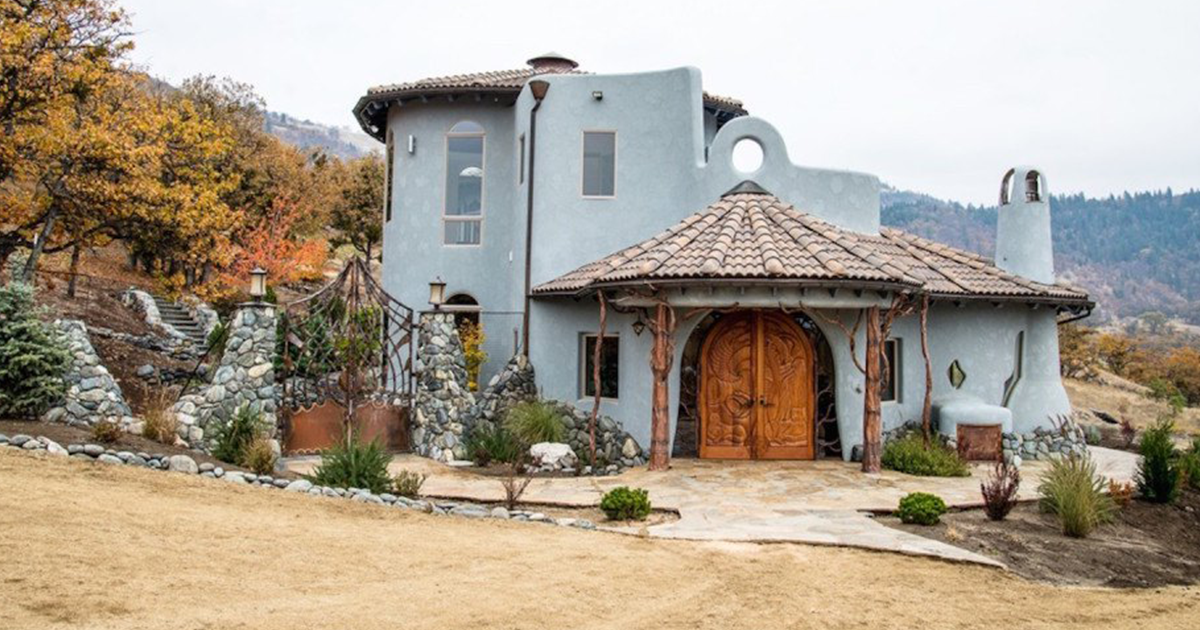
From the curb, the house does not scream “seven-point-six-million-dollar property.” It does not have castle turrets, a marble lion guarding the driveway, or a fountain dramatic enough to make your neighbor call a documentary crew. In fact, the first impression is almost suspiciously calm: clean lines, mature landscaping, a quiet entry, and an exterior that could pass for “very nice” rather than “please sign this wire transfer carefully.”
But step inside, and the story changes fast. Suddenly, the ordinary exterior becomes part of the magic trick. The house was never trying to impress people walking their dogs past the mailbox. It was built to impress the people who actually live there. Behind the modest face is a world of architectural planning, premium materials, hidden technology, wellness spaces, entertainment rooms, and design choices that explain why a home can cost $7,600,000 without looking like it is auditioning for a reality show.
In today’s luxury real estate market, the most expensive homes are not always the loudest. Many wealthy buyers are looking for privacy, comfort, craftsmanship, security, and lifestyle features that are felt more than seen. The value is often hidden in what the average passerby cannot spot: the quality of construction, the floor plan, the land, the view corridors, the kitchen systems, the spa-like bathrooms, the air filtration, the soundproofing, and the way every room works together like a well-rehearsed orchestra.
Why an Ordinary-Looking House Can Cost $7.6 Million
A home’s exterior is only one piece of the pricing puzzle. In high-end U.S. real estate, especially in desirable coastal cities, luxury suburbs, mountain towns, and elite neighborhoods, price is shaped by location, land scarcity, square footage, architecture, finishes, privacy, and the lifestyle the property delivers. A simple-looking home in the right ZIP code can easily outrank a larger, flashier property in a less competitive market.
Think of it like a plain black T-shirt. One costs $12. Another costs $900 because it is made by a designer, tailored perfectly, cut from rare fabric, and somehow makes the person wearing it look like they read architecture magazines for fun. Houses work the same way. The exterior may be understated, but the details inside can be extremely expensive.
Location Is the First Luxury Feature
The most important room in any luxury home is not the kitchen or the primary suite. It is the neighborhood. A $7.6 million house often sits in a place where land is limited, schools are highly rated, commutes are convenient, views are protected, and similar homes rarely come up for sale. Buyers are not just paying for walls and windows. They are paying for access.
In markets such as Los Angeles, San Francisco, Miami, New York, Greenwich, Aspen, Palm Beach, Austin, and select lakefront or coastal communities, location can multiply value before anyone even discusses the backsplash. A modest-looking home on a private street, near top restaurants, beaches, tech hubs, or cultural districts, can command a price that shocks anyone judging only by the front elevation.
Privacy Has Become a Status Symbol
Old-school luxury used to shout. New luxury often whispers. Gated drives, mature hedges, camera systems, private courtyards, and strategic window placement can make a home feel almost invisible from the street. For celebrities, executives, founders, investors, and privacy-focused families, that quietness is not a flaw. It is a premium feature.
An ordinary exterior can be intentional. A restrained facade may hide expansive interiors, a rear-facing glass wall, an outdoor kitchen, a pool courtyard, or a lower-level entertainment wing. The curb view may show only the “polite handshake” version of the house, while the private side delivers the full cinematic experience.
The Interior: Where the Price Tag Starts Making Sense
Once inside, the house begins explaining itself. A true luxury interior is not just expensive because it uses nice furniture. It is expensive because every decision has been planned, measured, engineered, and finished with precision. The floors do not squeak. The doors feel heavy. The light lands exactly where it should. Even the hallway makes you wonder whether your own hallway has been underperforming all these years.
A Grand Entry Without the Drama Overload
Many high-end homes now avoid the old “giant chandelier and double staircase” formula. Instead, the entry might feature wide-plank hardwood, limestone flooring, Venetian plaster, custom millwork, oversized pivot doors, gallery-style lighting, and a direct sightline to a garden or pool. The drama is still there, but it is calmer and more architectural.
This kind of entry tells buyers they are not walking into a regular house. They are entering a curated environment. The materials feel substantial, the proportions are generous, and the transition from outside to inside is smooth. That level of design coordination costs money because it requires architects, interior designers, builders, lighting specialists, and craftspeople working together.
Open Living Spaces That Actually Work
Open-concept living is common, but luxury open-concept living is different. In an average home, “open concept” can sometimes mean the refrigerator is visible from the sofa and everyone hears the blender like it is a leaf blower. In a $7.6 million property, the layout is designed so cooking, dining, relaxing, and entertaining flow naturally without feeling chaotic.
The living room may include floor-to-ceiling glass, custom built-ins, a fireplace made from hand-selected stone, automated shades, invisible speakers, and doors that disappear into walls to connect the interior with an outdoor terrace. The room feels effortless, but that effortlessness is often the most expensive part.
The Kitchen: The Room That Quietly Eats the Budget
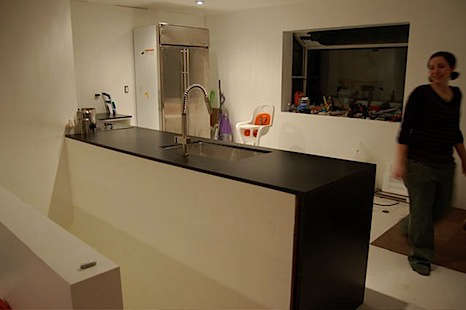
If the house looks ordinary outside, the kitchen is usually where it starts flexing. Luxury kitchens are no longer just places to cook. They are social spaces, catering stations, design statements, homework zones, espresso bars, and occasionally the place where someone reheats takeout on a range that costs more than a used car.
Custom Cabinetry and Professional Appliances
A high-end kitchen may feature custom cabinetry built specifically for the home, natural stone slabs, panel-ready refrigeration, dual dishwashers, steam ovens, warming drawers, wine storage, induction cooking, professional gas ranges, and an oversized island with seating. The difference is not only in the brand names. It is in the fit, finish, and function.
Drawers close softly. Cabinet interiors are organized. The pantry may be hidden behind a seamless door. The refrigerator may look like cabinetry. Countertops are chosen not just for beauty but for durability and continuity. Everything is designed to reduce visual clutter while improving daily use.
The Rise of the Scullery and Prep Kitchen
One reason expensive homes feel cleaner than normal homes is simple: they hide the mess better. Many luxury houses include a scullery, butler’s pantry, or secondary prep kitchen. This allows the main kitchen to remain beautiful during parties while the real chopping, plating, dishwashing, and snack chaos happens behind the scenes.
For families who entertain often, this is a serious lifestyle upgrade. It is also costly because it requires additional plumbing, electrical work, cabinetry, ventilation, appliances, and square footage. From the outside, nobody sees it. From the inside, it changes everything.
Wellness Features Are Now Luxury Essentials
One of the biggest shifts in high-end real estate is the move toward wellness. Buyers are looking for homes that support health, rest, privacy, and daily recovery. A beautiful house is nice. A beautiful house that also feels like a boutique spa after a long day is better.
Spa-Like Bathrooms
The primary bathroom in a $7.6 million home may include heated stone floors, a soaking tub, a steam shower, double vanities, custom lighting, towel warmers, integrated speakers, private water closets, and natural materials that make brushing your teeth feel strangely important. These bathrooms are built to feel calm, not clinical.
Luxury bathrooms also rely on craftsmanship. Large-format stone must be installed carefully. Drainage must be precise. Lighting must flatter without feeling harsh. Ventilation must perform quietly. The result is a room that feels simple, but only because dozens of complicated decisions were handled correctly.
Fitness, Sauna, Cold Plunge, and Recovery Rooms
High-end buyers increasingly expect dedicated wellness spaces. A home gym is no longer just a treadmill facing a wall. It may include rubber flooring, mirrors, filtered air, strength equipment, yoga space, a sauna, a cold plunge, or direct access to an outdoor shower or pool. In some homes, the wellness suite feels more polished than a private club.
These spaces add value because they reduce the need to leave home for daily routines. For busy owners, convenience is luxury. When your workout, steam session, and post-gym shower are all downstairs, the house is not just shelter. It is a personal operating system.
Smart Home Technology You Barely Notice
The best luxury technology does not feel like a spaceship panel from 1998. It disappears. Lighting, climate, music, security, irrigation, window shades, pool systems, and home theaters can be controlled through discreet panels or apps. The goal is not to show off gadgets. The goal is to make the house respond smoothly.
Lighting Design Makes the Home Feel Expensive
Good lighting can make a room feel warm, calm, dramatic, or energizing. Bad lighting can make a million-dollar kitchen look like a dentist’s waiting room. In luxury homes, lighting is layered: recessed lights, pendants, sconces, toe-kick lighting, art lighting, landscape lighting, and daylight control through automated shades.
This matters because light changes how every material appears. Stone looks richer. Wood feels warmer. Art becomes more prominent. Evening entertaining feels more intimate. Lighting design is one of those features guests may not name directly, but they will feel it immediately.
Security and Comfort Systems
Security systems, discreet cameras, smart locks, gate controls, backup generators, water leak detection, advanced HVAC, and whole-home filtration can add substantial value. These systems do not make for flashy listing photos, but they matter to buyers who want peace of mind.
A $7.6 million home is often expected to perform at a higher level. It should be comfortable during heat waves, reliable during storms, quiet at night, and protected when the owner is traveling. The invisible systems are part of the price.
Entertainment Spaces Hidden Behind the Simple Exterior
One of the funniest things about an understated luxury home is that it may look calm from the street while secretly containing a home theater, wine cellar, game lounge, golf simulator, music room, or bar. The outside says “quiet residential property.” The inside says “we could host a movie premiere and still have room for dessert.”
Home Theater and Media Rooms
A proper home theater is not just a big television and a couch that has seen things. It can include acoustic treatments, tiered seating, projection systems, blackout shades, surround sound, custom cabinetry, and lighting scenes. Done well, it creates a true cinema experience without sticky floors or someone checking their phone at full brightness in row three.
Wine Cellars and Tasting Areas
Wine storage is another feature that often hides inside expensive homes. Climate-controlled wine rooms require careful temperature and humidity management. Some are designed as glass-enclosed showpieces near dining rooms. Others are tucked into lower levels like private tasting caves. Either way, they signal lifestyle, entertaining, and craftsmanship.
Indoor-Outdoor Living Adds Serious Value
The front of the house may look ordinary, but the rear elevation may be where the real show begins. Many luxury homes are designed around outdoor living: pools, terraces, fire pits, outdoor kitchens, covered lounges, gardens, and disappearing glass doors that blur the line between inside and outside.
The Backyard as a Private Resort
A high-end backyard can include a pool, spa, cabana, kitchen, dining terrace, lounge seating, landscape lighting, privacy planting, and sound systems. In warm-weather markets, the backyard is not extra space. It is part of the home’s daily living area.
This is one reason an ordinary-looking house can command an extraordinary price. The best parts may be hidden behind the structure, away from public view. The front is modest. The backyard is a five-star vacation that forgot to charge resort fees.
Landscaping Is More Than Pretty Plants
Luxury landscaping includes grading, drainage, irrigation, mature trees, lighting, hardscape, privacy screening, and seasonal planting strategies. Mature landscaping can be especially valuable because it takes years to establish. A buyer can renovate a bathroom in months, but they cannot instantly grow a 30-foot privacy hedge unless they have access to botanical wizardry.
Materials and Craftsmanship Separate Luxury From “Nice”
Many homes photograph well. Fewer feel expensive in person. The difference is usually materials and craftsmanship. Luxury homes use real stone, custom woodwork, quality windows, solid doors, smooth wall finishes, carefully matched veneers, durable exterior materials, and hardware that feels good in the hand.
Why Custom Details Matter
Custom details make a home feel unified. Built-in shelving fits the room perfectly. The fireplace surround aligns with the ceiling height. The kitchen island is proportioned for the space. The trim profiles match throughout the house. Even the laundry room may have cabinetry that makes doing laundry feel slightly less like a weekly punishment.
These details are expensive because they are not pulled randomly from a warehouse shelf. They are measured, fabricated, installed, adjusted, and finished by skilled professionals. In luxury real estate, buyers notice when details are done right.
The Floor Plan Is a Hidden Luxury Feature
A great floor plan is one of the most valuable things a home can have. It affects how people live every day. In a $7.6 million property, the layout typically balances openness and privacy. Public rooms feel connected, while bedrooms, offices, guest suites, and service areas are thoughtfully separated.
Spaces for Real Life
Modern luxury homes often include two home offices, a mudroom, a laundry room near bedrooms, guest accommodations, flexible bonus rooms, and storage that does not require a wrestling match with holiday decorations. These practical features matter because luxury buyers are not only buying beauty. They are buying ease.
A house can have expensive finishes and still feel awkward if the plan is wrong. A well-designed plan makes daily life smoother. Groceries move easily from garage to pantry. Guests can stay without invading family privacy. Kids can be noisy in one zone while adults have a conversation elsewhere. That invisible convenience is valuable.
Why the Price Feels Shocking From the Outside
The shock comes from judging the house too early. From the street, most people evaluate size, facade, driveway, and landscaping. But the true value of a luxury home is often layered inside and behind the property: rare location, hidden square footage, premium systems, custom design, outdoor living, security, privacy, and lifestyle amenities.
That is why a house can look “normal” and still cost $7.6 million. It may not be trying to impress strangers. It may be designed for the person who wants every morning, dinner party, workout, workday, movie night, and weekend swim to feel easier and more beautiful.
What Buyers Are Really Paying For
At this price level, buyers are not simply paying for shelter. They are paying for time, privacy, comfort, quality, and emotional experience. A well-designed luxury home reduces friction. It makes entertaining easier, resting deeper, cooking more enjoyable, working more private, and family life more organized.
The best expensive homes do not always announce themselves. They reveal themselves. The front door opens, and suddenly the price tag starts looking less like a mystery and more like a carefully itemized lifestyle invoice.
Extra Experience Section: What It Feels Like to Walk Into a Home Like This
The first experience of entering a house like this is not always dramatic in a loud way. It is more like your brain quietly recalibrates. You notice the silence first. Not empty silence, but expensive silence: thick walls, solid doors, insulated glass, and a mechanical system that does its job without sounding like an airplane preparing for takeoff.
Then you notice the proportions. The ceiling height feels generous without being ridiculous. The hallway is wide enough to feel calm. The windows frame views instead of merely letting in light. Nothing seems accidental. Even the placement of a bench near the entry feels like someone thought, “A human with shoes and bags will live here,” which, frankly, is more consideration than many houses provide.
The kitchen becomes the emotional center. You can imagine people gathering around the island while someone cooks, someone pours drinks, and someone else pretends to help by opening a bag of chips. The surfaces feel durable and beautiful at the same time. The appliances are powerful, but the room does not feel like a restaurant kitchen. It feels like a place where real life can happen gracefully.
Walking into the primary suite feels different again. It is not just a bedroom; it is a retreat. There may be a sitting area, soft lighting, a private terrace, and a bathroom that makes a hotel suite look like it forgot to finish its homework. The closet is not merely storage. It is a small, highly organized boutique where every jacket gets better treatment than most people’s tax documents.
The wellness spaces create another layer of understanding. A gym, sauna, steam shower, cold plunge, or meditation room changes the rhythm of daily life. You begin to see how the house is designed not only for showing but for living. It saves trips. It creates routines. It makes staying home feel like the better option.
The outdoor area often delivers the final “now I get it” moment. From the street, the home may have looked simple. From the back, it may open into a private resort with a pool, fire feature, covered dining area, outdoor kitchen, and landscaping that blocks the rest of the world. Suddenly, the ordinary exterior seems clever. The house kept its best secrets for the people inside.
That is the real appeal of a property like this. It does not need to impress every passerby. It only needs to impress the buyer who understands the value of privacy, design, craftsmanship, and comfort. The $7.6 million price tag is not attached to a single feature. It is attached to the total experience: the feeling that every part of the home has been planned to make life smoother, calmer, and more enjoyable.
Of course, not everyone needs a wine cellar, spa bathroom, or disappearing glass wall. Many people would be thrilled with a cozy home, a good roof, and a kitchen drawer that does not jam every time someone looks at it. But luxury real estate operates on a different scale. At this level, the question is not “Does the house function?” The question is “Does the house elevate the way someone lives every day?”
And that is why this ordinary-looking house becomes extraordinary once the door opens. It proves that true luxury is not always loud. Sometimes it is quiet, private, beautifully built, and waiting inside with heated floors, perfect lighting, and a kitchen island large enough to host a family meeting, a birthday party, and possibly a small diplomatic summit.
Conclusion
A $7,600,000 home does not have to look outrageous from the outside to justify its price. In many cases, the most valuable luxury homes are the ones that hide their best features behind a calm exterior. The true worth appears in the location, privacy, architecture, materials, technology, wellness amenities, entertainment spaces, and indoor-outdoor living that make the property feel exceptional from the inside out.
This kind of house reminds us that luxury is not always about being loud. It is about living well. The ordinary exterior is simply the cover. The real story begins when you step inside.
Note: This article is written as an original SEO feature inspired by real luxury real estate trends, including high-end interior design, wellness amenities, smart home systems, premium materials, and privacy-focused property value factors in the U.S. market.