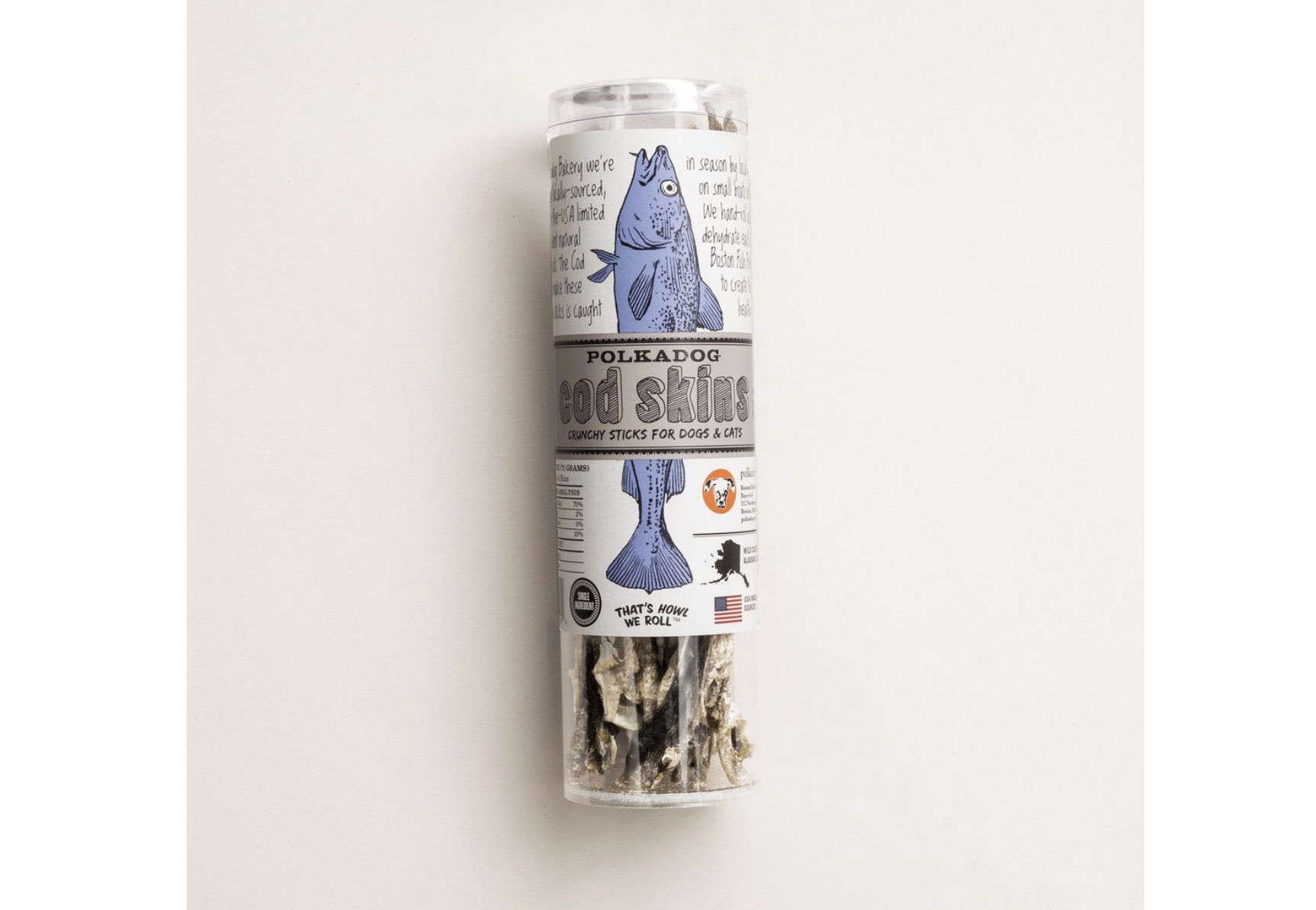
Some pet treats arrive with a long ingredient list that reads like a chemistry quiz. Cod skins, on the other paw, keep things refreshingly simple: fish skin, dried until crunchy, chewy, aromatic, and wildly interesting to many dogs and cats. They are the snack equivalent of opening a seafood restaurant in your living roomyour pet is the excited customer, and you are the slightly suspicious waiter wondering why the table is drooling.
Cod skins, often sold as fish jerky treats, dehydrated cod skin chews, or air-dried fish skin snacks, have become popular with pet parents who want a high-protein, limited-ingredient reward. They are especially appealing for households with dogs or cats that do not tolerate common proteins such as chicken, beef, or dairy. But are cod skin treats actually good for pets? How often should you feed them? Are they safe for cats, puppies, seniors, and sensitive stomachs?
The short answer: cod skins can be a smart occasional treat for many dogs and cats when they are properly sourced, fully dried or cooked, served in the right size, and counted as part of the pet’s daily treat calories. They are not a magic cure, not a complete meal, and definitely not a replacement for brushing teeth, balanced nutrition, or veterinary care. Still, for the right pet, they can be a crunchy little jackpot.
What Are Cod Skin Fish Jerky Treats?
Cod skin treats are made from the outer skin of cod, a lean white fish commonly used in human food and pet products. The skins are typically cleaned, rolled, twisted, braided, cubed, or cut into strips, then dehydrated, air-dried, freeze-dried, or gently baked until shelf-stable. The result is a protein-rich snack with a firm texture and a strong fish aroma that many pets find irresistible.
The best versions are single-ingredient treats. That means the label should say something simple such as “cod skins” or “100% cod skin.” No artificial colors. No mystery meat. No sugar. No onion or garlic seasoning. No dramatic flavor powder called “Ocean Blast Supreme.” Your dog does not need a seafood nightclub experience; your pet needs a safe treat.
Why the “fish jerky” name fits
Like meat jerky, cod skin fish jerky is dried to reduce moisture and create a chewy or crunchy texture. Unlike greasy table scraps, quality cod skins are usually prepared without added oils, sauces, or spices. This matters because ingredients that are normal in human cookinggarlic, onion, heavy salt, butter, and spicy seasoningscan be unhealthy or unsafe for pets.
Are Cod Skins Safe for Dogs?
For many healthy dogs, cod skin treats are safe when fed in moderation. Dogs can eat properly prepared fish, and fish-based pet treats are widely used as rewards, training snacks, and high-value chews. Cod skin is usually high in animal protein and naturally contains omega-3 fatty acids, which are associated with support for skin, coat, joint, brain, and overall wellness.
However, safety depends on preparation. Raw fish or raw fish skin can carry bacteria or parasites, so pet owners should choose reputable products that have been dried, cooked, freeze-dried, or otherwise processed for pet consumption. Homemade cod skins should be prepared carefully, without seasonings, and dried thoroughly. If you are not confident about safe food handling, buying from a trusted pet-food company is the better option.
Dogs that may need extra caution
Cod skin treats may not be ideal for every dog. Dogs with pancreatitis history, strict fat restrictions, kidney disease, food allergies, sensitive digestion, or special prescription diets should only receive new treats after a veterinarian approves them. Even a “natural” treat can cause trouble if it does not fit the pet’s medical plan.
Also, some dogs are gulpers. You know the type: they see a treat, inhale it like a vacuum cleaner with paws, and then look offended that it disappeared. For these dogs, large fish skin strips can become a choking risk. Supervise chewing, choose an appropriate size, and remove pieces that become small enough to swallow whole.
Are Cod Skins Safe for Cats?
Cod skins can also be safe for many cats, but the serving size must be much smaller. Cats are obligate carnivores, meaning animal-based protein plays a central role in their diet. A plain fish-based treat can be attractive to picky cats, especially when broken into tiny flakes or bite-size pieces.
Still, cats should not eat cod skin treats as a meal replacement. They need complete and balanced cat food that supplies essential nutrients, including taurine, vitamins, minerals, and the correct fat balance. Fish treats are bonuses, not the rent-paying roommate.
How to serve cod skins to cats
For cats, break cod skins into very small pieces. Hard strips made for medium or large dogs may be too tough or too large for a cat’s mouth. Some cats enjoy licking, batting, and crunching tiny flakes. Others will sniff once, judge your life choices, and walk away. Both reactions are normal because cats are tiny royalty in fur coats.
Introduce cod skin slowly. Give a crumb-size piece the first time and watch for vomiting, diarrhea, itching, or appetite changes. If your cat has urinary disease, kidney disease, food allergies, or is on a veterinary diet, ask your veterinarian before adding fish treats.
Nutritional Benefits of Cod Skin Treats
Cod skins are not complete nutrition, but they do offer several attractive features as occasional treats. Their biggest strengths are simplicity, protein content, texture, and naturally occurring marine nutrients.
1. High animal protein
Many cod skin treats are high in protein because they are made from dried fish skin with most moisture removed. Protein supports muscle maintenance and provides amino acids your pet’s body uses every day. For active dogs, working dogs, and cats that prefer animal-based snacks, this can make cod skins a more biologically appropriate reward than sugary biscuits.
2. Omega-3 fatty acids
Fish is known for omega-3 fatty acids, especially EPA and DHA. These nutrients are often discussed for their role in supporting healthy skin, coat quality, joint comfort, and normal inflammatory responses. A cod skin treat is not the same as a measured fish oil supplement, so it should not be used as a medical dose. But as a snack, it can contribute small amounts of marine-based fats in a natural form.
3. Limited ingredients for sensitive pets
Single-ingredient cod skins may be useful for pets that do poorly with treats containing wheat, corn, chicken, beef, dairy, artificial colors, or multiple protein sources. A simple label makes it easier to identify what your pet is eating. That said, fish itself can be an allergen for some animals, so “limited ingredient” does not automatically mean “safe for every pet.”
4. Crunchy texture and chewing satisfaction
Dried cod skins can give dogs a satisfying crunch. Chewing may help scrape some surface debris from teeth, and crunchy treats can provide enrichment. However, cod skins are not dental treatments unless the product has specific dental validation. They should not replace tooth brushing, veterinary dental cleanings, or approved dental chews. Think of them as a fun crunch, not a toothbrush wearing a fish costume.
How Often Can Dogs and Cats Eat Cod Skin Treats?
The golden rule for treats is moderation. Treats should generally make up no more than 10% of a pet’s daily calories, and many veterinarians prefer staying closer to 5% for pets that gain weight easily. The rest of the calories should come from a complete and balanced food appropriate for the pet’s species, age, size, and health condition.
This matters because cod skins can be nutrient-dense. A single rolled cod skin may be a light snack for a large dog but a huge treat for a cat or toy breed. Always check the calorie count on the package. If the label says one piece has 30 to 40 calories, that may fit nicely into a Labrador’s day but could be a feast-sized bonus for a small cat.
Simple serving examples
For a large dog, one appropriately sized cod skin may work as an occasional chew. For a small dog, half a strip or a few broken pieces may be enough. For cats, a few tiny flakes are usually the better starting point. The goal is to make the treat feel special without accidentally turning snack time into a seafood buffet.
How to Choose the Best Cod Skin Treats
Not all fish jerky treats are created equal. Some are clean, simple, and carefully processed. Others are salty, greasy, poorly labeled, or made with unnecessary additives. Before buying cod skins for dogs and cats, flip the package and inspect the details like a detective with a very furry client.
Look for one ingredient
The best cod skin treats usually list only cod skin. If the product includes preservatives, smoke flavor, sugar, artificial color, or heavy seasoning, keep shopping. Pets do not need fancy seasoning blends, and some human-friendly ingredients can be harmful to dogs and cats.
Check sourcing and processing
Choose treats from companies that explain where the cod comes from and how the skins are dried. Wild-caught, sustainably sourced, traceable, or third-party certified ingredients are positive signs. Low-temperature dehydration, air drying, or gentle baking can help create shelf-stable treats without turning the product into an oily mess.
Read the guaranteed analysis
The guaranteed analysis tells you the minimum protein and fat levels, plus maximum fiber and moisture. Cod skin treats are often high in protein and relatively low in moisture. If your pet needs a low-fat diet or has a medical condition, compare labels carefully and ask your veterinarian what numbers make sense.
Choose the right size and texture
Fish skin treats come as cubes, sticks, rolls, braids, wafers, and strips. Large braids may be entertaining for dogs that chew patiently. Small cubes or flakes may be better for training or cats. If your pet has dental disease, missing teeth, jaw pain, or a history of swallowing treats whole, choose a softer or smaller option.
Safety Tips Before Feeding Cod Skins
Cod skin treats are simple, but they still require common sense. Supervise your pet during snack time, especially with large pieces. Keep fresh water available because dried treats can make pets thirsty. Store the package in a cool, dry place and seal it tightly after opening.
Wash your hands after handling dried fish treats. Pet treats, like human food, can become contaminated if mishandled or manufactured poorly. Do not feed treats that smell rancid, look moldy, feel unusually wet, or come from a damaged package. If a product is recalled, stop feeding it immediately and follow disposal instructions.
Watch for digestive reactions
Any new treat can cause stomach upset. Start small and monitor your pet for loose stool, vomiting, gas, itching, ear scratching, paw licking, or changes in appetite. If symptoms appear, stop feeding the treat. If symptoms are severe or continue, contact your veterinarian.
Cod Skins vs. Other Pet Treats
Compared with many traditional biscuits, cod skins are usually more protein-focused and less carbohydrate-heavy. Compared with rawhide, they may be more digestible for some dogs, though they still require supervision. Compared with soft training treats, they are crunchier and smellier, which can be either a selling point or a reason your family asks why the pantry smells like a dock.
For multi-pet households, cod skins can be convenient because many products are marketed for both dogs and cats. Still, “for dogs and cats” does not mean every piece fits every mouth. A Great Dane chew and a cat treat should not be the same size unless the cat is secretly a sea lion.
When Cod Skins Are a Great Choice
Cod skin treats may be a strong option when you need a high-value reward, a simple ingredient list, or a novel protein snack. They can work well for training dogs that ignore ordinary biscuits. They may help picky cats become interested in enrichment toys. They can also be useful during grooming, nail trimming, crate training, or recall practice when you need a reward that says, “Yes, that was amazing, please do it again.”
Best uses for cod skin treats
Use small pieces for training, larger pieces for supervised chewing, and crumbled flakes as a meal topper for pets that need encouragement to eat. For cats, cod skin flakes can be sprinkled into puzzle feeders or used after nail trims. For dogs, cod skins can become a special “after walk” reward or a calm-down chew when guests arrive.
When to Avoid Cod Skin Treats
Avoid cod skins if your pet has a known fish allergy, cannot tolerate dried treats, is on a strict veterinary diet, or has been told to avoid high-protein snacks. Pets with kidney disease, pancreatitis, gastrointestinal disorders, or severe dental problems need individualized feeding advice.
Do not feed cod skins cooked for humans with garlic, onion, butter, heavy salt, lemon-pepper seasoning, spicy sauces, or breading. Also avoid raw fish skin unless your veterinarian has specifically approved it and you understand the food-safety risks. Plain, properly processed pet treats are the safer road.
Real-World Experience: Living With Cod Skin Treats
In everyday pet-parent life, cod skins are the kind of treat you quickly learn to respect. The first lesson is the smell. Open the bag and your dog may appear from another room with supernatural speed. Your cat may wake from a nap, lift one judgmental eyebrow, and suddenly become deeply invested in your activities. Cod skins smell like fish because they are fish, and pets often consider that a feature, not a flaw.
The second lesson is texture. Many dogs love the crunch. A rolled cod skin can make a dramatic crackle that sounds like your pet is reviewing a very crispy restaurant appetizer. This texture can be helpful for dogs that enjoy chewing but do not need extremely hard bones or antlers. It gives them something to work on, yet quality dried fish skin usually breaks down more easily than many dense chews. Still, supervision is important. Some dogs chew thoughtfully; others try to swallow first and ask questions never.
With cats, the experience is more delicate. Most cats do better with tiny pieces. A big strip may look impressive, but cats often prefer flakes they can sniff, lick, and crunch without wrestling a sea monster. Cod skin can be useful for bonding moments, especially with cats that are not motivated by sweet flavors or crunchy grain-based treats. A tiny fish flake after brushing, carrier training, or a calm nail trim can build positive associations. The trick is keeping the reward small enough that it remains a treat, not a second dinner.
Pet owners also notice that cod skins can be practical for sensitive pets. When a dog reacts poorly to chicken treats or a cat refuses multi-ingredient snacks, a single-ingredient fish treat simplifies the experiment. You know exactly what changed in the diet. That does not guarantee success, but it makes troubleshooting easier. Start with one small piece, wait a day, and watch digestion. If everything looks normal, you can gradually use cod skins as an occasional reward.
Storage is another real-life detail. Because dried fish treats are aromatic, keep them sealed. A clip on the bag is good; an airtight container is better. Otherwise, your pantry may begin telling everyone you own seafood. Store treats away from heat and moisture, and do not keep them forever just because they are dried. If they smell rancid, grow fuzzy spots, or become oddly damp, throw them out. Your pet may protest, but your pet also thinks socks are cuisine.
The best experience comes when cod skins are used with intention. Break them into training pieces. Reserve larger strips for supervised chewing. Use crumbs as an occasional topper. Count the calories. Rotate them with other safe rewards so your pet’s diet stays balanced. When treated as a special snack instead of an unlimited fish festival, cod skins can be fun, useful, and surprisingly versatile for dogs and cats.
Conclusion
Cod skins are one of the simplest fish jerky treats available for dogs and cats. When they are properly processed, responsibly sourced, and served in moderation, they can offer high protein, marine-based omega-3 fatty acids, a satisfying crunch, and a short ingredient list that many pet parents appreciate. They are especially appealing for picky pets, training rewards, and households looking for alternatives to chicken, beef, or grain-heavy treats.
The key is smart feeding. Choose plain cod skin treats with clear labeling, avoid added seasonings, supervise chewing, introduce them slowly, and keep treats within a small portion of your pet’s daily calories. For pets with medical conditions or special diets, check with a veterinarian before adding any new snack. Cod skins may be fishy, crunchy, and excitingbut they should still fit into a balanced, thoughtful feeding routine.
Note: This article is for general educational purposes. Cod skin treats should not replace complete and balanced pet food or veterinary guidance, especially for pets with allergies, digestive issues, kidney disease, pancreatitis, dental problems, or prescription diets.