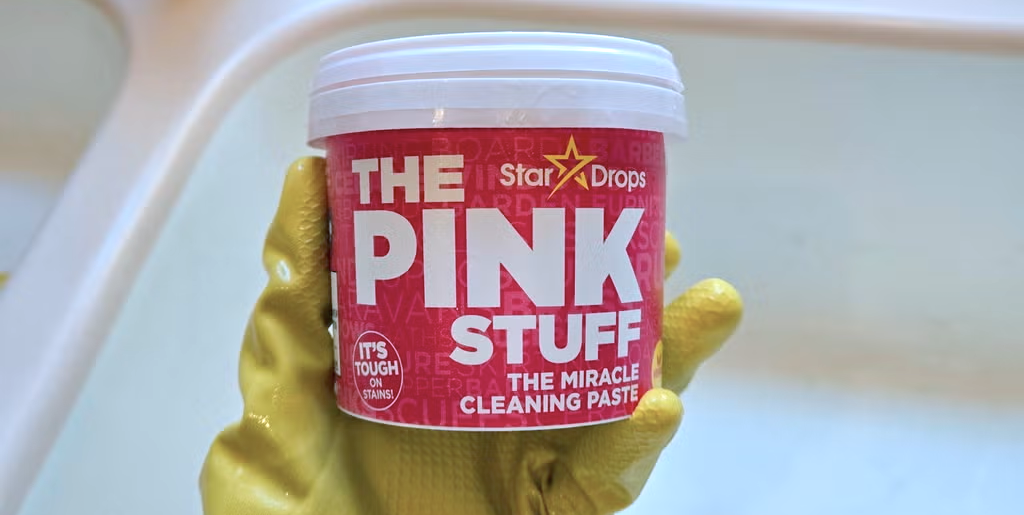
The Pink Stuff looks like strawberry frosting, smells pleasantly sweet, and has taken over cleaning videos like it pays rent on social media. But behind the cheerful pink tub is a practical question every homeowner, renter, parent, pet owner, and “I swear I just cleaned this yesterday” person wants answered: does The Pink Stuff cleaning paste really work, or is it just another viral product with a cute color and excellent camera angles?
After reviewing real product information, expert testing, user experiences, and common cleaning use cases, the answer is: yes, The Pink Stuff works very well on the right messes and the right surfaces. It is especially good at removing grease, grime, soap scum, scuff marks, discoloration, and cooked-on residue. However, it is not magic, it is not suitable for every material, and it should not be treated like a gentle daily cleaner. Think of it as a tiny pink scrubber in paste form: impressive, affordable, and occasionally too enthusiastic for delicate surfaces.
In this in-depth Pink Stuff review, we will look at what it is, how it works, where it performs best, where it should be avoided, and whether it deserves a permanent spot under your sink.
What Is The Pink Stuff Cleaning Paste?
The Pink Stuff Miracle Cleaning Paste is a multi-purpose cleaning paste made by Stardrops. It became widely popular in the United States after viral TikTok, Instagram, and YouTube cleaning videos showed it removing dark oven stains, restoring grimy pans, brightening grout, and making old sinks look dramatically better. It is commonly sold in tubs, with 17.6-ounce and larger sizes available depending on the retailer.
Unlike a spray cleaner, The Pink Stuff has a thick paste texture. You scoop a small amount onto a damp sponge, cloth, scrub pad, or brush, gently work it onto the dirty area, then rinse and wipe away the residue. The paste contains cleaning agents and mild abrasives, including ingredients such as quartz, soap, sodium carbonate, sodium bicarbonate, sodium silicate, water, and dye. In plain English: it cleans partly by chemistry and partly by physical scrubbing power.
That combination is why it can outperform many ordinary all-purpose sprays on stubborn messes. Sprays are great for everyday crumbs, fingerprints, and light grease. The Pink Stuff is built for those stuck-on stains that look at your regular cleaner and say, “That’s adorable.”
How Does The Pink Stuff Work?
The main reason The Pink Stuff works so well is its mild abrasive texture. The tiny gritty particles help lift grime from surfaces while the soap and alkaline cleaning ingredients help break down grease and residue. This makes it particularly useful in kitchens and bathrooms, where grime often contains oils, minerals, soap film, or burned-on food.
Its cleaning action is similar in concept to other abrasive pastes or powdered cleaners, but The Pink Stuff has a softer, creamier consistency that many people find easier to control. It stays where you put it, does not drip down vertical surfaces as quickly as liquid cleaners, and can be worked into small areas like sink edges, tile grout, and pan corners.
However, the same abrasive quality that makes it effective is also the reason it needs caution. A cleaner that can scrub off stubborn marks can also dull, scratch, or wear down sensitive finishes if used too aggressively. That is not a flaw so much as a reminder: cleaning products are tools, and even a cute pink tool still needs to be used wisely.
Best Uses for The Pink Stuff
The Pink Stuff performs best on durable, hard surfaces that can handle mild abrasion. It is especially useful for occasional deep cleaning rather than everyday wipe-downs.
1. Stovetops and Cooktops
One of the best places to use The Pink Stuff is on greasy stovetops. It can help remove baked-on splatters, oil stains, and dull residue that regular soap sometimes leaves behind. On glass cooktops, it can be effective, but you should use a soft cloth, gentle pressure, and a small test spot first. Do not attack the surface like you are sanding a boat.
2. Oven Doors and Burnt-On Food Marks
Oven glass is another popular use. The paste can loosen brown stains and greasy buildup on the inside of oven doors. It usually works best when applied with a damp sponge, gently rubbed in circles, and wiped repeatedly with clean water until no gritty residue remains.
3. Stainless Steel Sinks
For many people, the sink is where The Pink Stuff earns its “miracle” reputation. It can remove dull film, tea stains, water marks, and grime around drains. A stainless steel sink can look noticeably brighter after one cleaning. The key is to scrub gently with the grain of the metal and rinse thoroughly. Heavy pressure or repeated use may dull some finishes over time.
4. Pots, Pans, and Baking Sheets
The Pink Stuff can help remove cooked-on residue from the outside of pans, sheet pans, and some cookware. It is especially satisfying on discolored pan bottoms. Use caution on nonstick coatings, aluminum, cast iron seasoning, and decorative finishes. When in doubt, clean only the exterior and test first.
5. Tile, Grout, and Bathroom Surfaces
Soap scum, mineral buildup, and grime can cling to tile and grout like they signed a long-term lease. The Pink Stuff can help brighten grout lines and remove residue from ceramic tiles, shower edges, and bathroom fixtures. It should be rinsed well because leftover grit can dry into a chalky film.
6. Sneakers and Rubber Soles
One of the most surprising uses is cleaning white sneaker soles. Many reviewers and users report that The Pink Stuff helps lift scuffs and dirt from rubber midsoles. Avoid using it on suede, delicate leather, mesh, or colored fabric unless the manufacturer’s care instructions allow it. Shoes are not all built the same; some are tough little tanks, and some are divas with laces.
7. Outdoor Furniture and Barbecue Areas
The official product guidance includes uses such as garden furniture and barbecues. The paste can help with grime, soot, and weather-related dirt on sturdy outdoor surfaces. As always, painted, coated, or polished finishes should be tested first.
Where You Should Not Use The Pink Stuff
The Pink Stuff is versatile, but “multi-purpose” does not mean “use it on everything you own while humming triumphantly.” Because it is mildly abrasive and alkaline, it can be too harsh for some materials.
Avoid Delicate, Polished, or Easily Scratched Surfaces
Be careful with polished stone, marble, granite, quartz countertops with delicate finishes, acrylic tubs, enamel, high-gloss paint, lacquered furniture, unsealed wood, brushed metal, and delicate glass. The paste may scratch, dull, or remove coatings. If a surface is expensive, sentimental, or impossible to replace without crying into a receipt, test first.
Be Careful With Stainless Steel Appliances
A stainless steel sink is often more forgiving than a stainless steel refrigerator door. Appliance fronts can have brushed finishes, protective coatings, or fingerprint-resistant layers. A mildly abrasive cleaner may leave marks if used with pressure. For appliance fronts, a microfiber cloth and a cleaner specifically designed for stainless steel is usually safer.
Do Not Use It as a Food-Safe Cleaner Without Rinsing
If you use The Pink Stuff on cookware, sink areas, or surfaces near food, rinse extremely well afterward. The paste is designed to clean grime, not season your dinner. No one wants “lightly abrasive rhubarb sparkle” as a flavor profile.
The Pink Stuff Pros and Cons
Pros
The biggest advantage is performance. The Pink Stuff can remove stains and grime that ordinary sprays struggle with. It is also affordable, widely available, and long-lasting because you only need a small amount per task. The paste texture makes it easy to apply to specific spots without wasting product. It also has a pleasant scent compared with harsher cleaners.
Another strength is versatility. One tub can handle kitchen messes, bathroom buildup, grout stains, sink grime, sneaker soles, outdoor furniture, and more. For small homes or apartments, that can reduce the number of specialty cleaners cluttering the cabinet.
Cons
The main downside is residue. The Pink Stuff often leaves behind a gritty or chalky film if not rinsed thoroughly. You may need several passes with clean water to get the surface fully clean. That extra rinse step is not difficult, but it does make the product less convenient than a quick spray-and-wipe cleaner.
The second downside is surface risk. It can scratch or dull delicate materials, especially when paired with a rough scrub pad or too much pressure. It is not the cleaner to use when you are half-asleep, annoyed, and scrubbing with the emotional intensity of someone canceling a subscription by phone.
Finally, while the product is often marketed as a gentler alternative to harsh cleaners, it still needs normal cleaning-product caution. Wear gloves if your skin is sensitive, keep it away from eyes, rinse surfaces well, and keep it out of reach of young children and pets.
How to Use The Pink Stuff Correctly
To get the best results, use a small amount. More paste does not automatically mean more cleaning power; it often just means more rinsing. Start with a pea-sized scoop for a small stain or a thin layer for a larger area.
Apply it with a damp sponge, microfiber cloth, or soft brush. Rub gently in circles or with the grain of the material. Let it sit briefly on stubborn grime, but do not let it dry completely on delicate surfaces. Then rinse with clean water and wipe dry with a soft cloth.
For heavy buildup, repeat the process rather than scrubbing aggressively. Two gentle rounds are safer than one dramatic battle scene. Also, avoid mixing it with bleach, ammonia, acids, or other cleaning chemicals. Mixing cleaners is rarely helpful and can create unsafe fumes or reactions.
Does The Pink Stuff Really Remove Stains?
Yes, but the type of stain matters. The Pink Stuff is excellent on surface-level staining, grease, soap scum, rust-colored marks, water spots, and grime that has bonded to hard surfaces. It is less reliable on stains that have soaked deeply into porous materials, permanently etched a surface, or damaged a finish.
For example, it may brighten stained grout, but it may not restore grout that is deeply discolored from years of moisture and mildew. It may remove scorch marks from the bottom of a pan, but it will not reverse metal warping or coating damage. It may clean a white sneaker sole beautifully, but it will not make shredded fabric look factory-new. The product is good, not a fairy godmother with a sponge.
Is The Pink Stuff Better Than Baking Soda?
The Pink Stuff and baking soda overlap in some ways because both rely partly on mild abrasion. However, The Pink Stuff is more convenient and usually more powerful because it combines abrasive particles with soap and other cleaning agents in a ready-to-use paste. Baking soda is inexpensive and useful, but it often requires mixing, more elbow grease, and additional soap or water.
That said, baking soda may be enough for lighter jobs. The Pink Stuff makes more sense when you are dealing with stuck-on grime, cooked-on residue, or stains that need extra scrubbing power. For delicate materials, neither product should be used casually, because even “natural” abrasives can scratch.
Is The Pink Stuff Worth Buying?
For most households, yes. The Pink Stuff is worth buying if you regularly deal with greasy pans, dull sinks, soap scum, tile grime, oven-door stains, or scuffed white rubber soles. It is affordable, effective, and satisfying to use. Few cleaning products deliver visible before-and-after results so quickly, which explains why it became social media catnip.
However, it is not a total replacement for everyday cleaners. You will still want a gentle all-purpose spray, dish soap, disinfectant where appropriate, glass cleaner, and surface-specific products for delicate materials. The Pink Stuff is best viewed as a targeted deep-cleaning paste rather than the only cleaner in your home.
Who Should Buy The Pink Stuff?
The Pink Stuff is a smart buy for renters trying to restore a sink or stovetop before inspection day, homeowners tackling neglected kitchen grime, students cleaning small apartments, parents dealing with mysterious scuffs, and anyone who enjoys a dramatic cleaning reveal. It is also useful for people who prefer a paste cleaner over strong-smelling chemical sprays.
It may not be ideal for people with mostly delicate surfaces, luxury stone countertops, high-end stainless appliances, acrylic bathroom fixtures, or antique finishes. If your home is full of materials that require baby-soft cleaning, The Pink Stuff may spend more time sitting in the cabinet than saving the day.
Realistic Results: What to Expect
The best way to describe The Pink Stuff is “surprisingly effective, but not effortless.” Viral videos sometimes make it look like grime disappears with one swipe. In real life, results depend on the age of the stain, the surface, the sponge, and your patience. Light to moderate stains often lift quickly. Old, baked-on grime may need multiple rounds. Some surfaces look dramatically better, while others show modest improvement.
Expect to rinse thoroughly. Expect to test first. Expect to use less product than you think. And expect to become slightly annoying after your first successful cleaning session because you may start pointing at random objects and saying, “I bet I could Pink Stuff that.”
Extended Experience: What Using The Pink Stuff Feels Like in Real Life
The first thing you notice about The Pink Stuff is that it does not feel like a normal cleaner. It is not a watery spray, not a powder, and not a cream in the luxury-skincare sense, although the color does make it look suspiciously like something that should come with a tiny spatula and cost $48. The texture is firm but spreadable, and a little goes farther than expected. That is a pleasant surprise because the first instinct is to scoop out a huge glob like you are frosting a cupcake. Do not do that. Your future self, who has to rinse everything, will not be amused.
On a stainless steel sink, the experience is instantly rewarding. A dull basin with water spots and tea-colored staining can start looking brighter after a minute or two of gentle scrubbing. Around the drain, where grime tends to collect in that tiny ring of household shame, the paste does a particularly good job. The sink may not become brand-new, but it usually looks cleaner, shinier, and less like it has been quietly judging your life choices.
On a stovetop, the results can be excellent, especially on greasy film and cooked-on splatter. The paste grips the surface better than a liquid cleaner, so it feels easier to work into stubborn areas. The key is patience. Use a damp sponge, rub gently, wipe, rinse, and repeat if needed. When people get disappointed, it is often because they expect a single swipe to remove years of culinary history. The Pink Stuff is powerful, but it is not a time machine.
Bathroom use is also satisfying, especially on soap scum around tiles, metal drains, and certain fixtures. However, this is where caution matters most. Some tubs and shower materials scratch more easily than they appear to. A small hidden test spot is not optional; it is the tiny boring step that prevents expensive regret. If the surface passes the test, the paste can make grimy corners and mineral-stained areas look fresher. Just rinse well, because leftover residue can dry into a pale film that makes you think the dirt has returned wearing a disguise.
For sneakers, The Pink Stuff can feel like a small miracle on white rubber soles. Scuffs that survive soap and water often fade quickly. Still, it should be used carefully and kept away from delicate fabrics, suede, and colored materials that might react badly. A soft toothbrush or cloth works better than an aggressive scrubber. The goal is clean shoes, not shoes that look like they survived a driveway sanding experiment.
The biggest lesson from using The Pink Stuff is that it rewards restraint. Small amount, gentle pressure, proper rinsing, and smart surface choice: that is the formula. Used this way, it can become one of the most useful cleaners in the house. Used carelessly, it can create scratches, residue, or disappointment. So yes, the viral cleaning paste really works, but the real miracle is knowing when to use it and when to leave the fancy countertop alone.
Final Verdict: Does The Pink Stuff Really Work?
The Pink Stuff deserves much of its hype. It is affordable, versatile, and genuinely effective on many stubborn household messes. It shines on sinks, stovetops, oven glass, tile, grout, pan bottoms, and rubber sneaker soles. It is especially helpful when ordinary cleaners are too weak but you do not want to reach for something harsher.
Still, it is not perfect. The paste is abrasive, requires careful rinsing, and can damage delicate surfaces if used incorrectly. The best approach is to treat it as a special-task cleaner for durable surfaces rather than an everyday cleaner for everything.
If your home has stubborn grime, dull sinks, scuffed surfaces, or pans that look like they have been through a tiny kitchen war, The Pink Stuff is worth trying. Just patch-test first, scrub gently, rinse thoroughly, and remember: not every viral product is worth the hype, but this pink paste actually earns a place in the cleaning cabinet.
Note: Always check the manufacturer’s care instructions for the surface you are cleaning. Test The Pink Stuff on a hidden area first, use gentle pressure, and rinse completely after cleaning.