Note: Breeding lovebirds is not a “set out a nest box and hope for adorable chaos” project. It is a welfare responsibility. Healthy adult birds, a clean setup, excellent nutrition, and support from an avian veterinarian should come before baby-bird daydreams.
If you have ever watched a pair of lovebirds sit shoulder to shoulder like tiny feathery newlyweds, it is very easy to think, “Well, surely they want a family.” Maybe. Or maybe they want a snack, a nap, and for you to stop peeking in their cage every nine minutes. Breeding lovebirds successfully is less about romance and more about timing, preparation, nutrition, sanitation, and restraint. In other words: less candlelight dinner, more clipboard energy.
This guide walks you through the process in 13 practical steps, with clear advice for beginners who want to do things responsibly. You will also learn what not to do, because in bird breeding, “helping too much” is often just chaos wearing a name tag.
Step 1: Decide Whether You Should Breed Them at All
Before you breed lovebirds, ask the least glamorous question first: Should I? Breeding is not just about getting chicks. It means being ready for egg-laying complications, fertility issues, aggressive behavior, hand-off decisions if the parents struggle, weaning, housing extra birds, and long-term placement. If your goal is simply to make your pair “happier,” put that idea back on the shelf. Birds do not need to become parents to live fulfilling lives.
The best reason to breed lovebirds is that you have healthy adult birds, proper space, a plan for chick care, and enough knowledge to support the entire cycle from pairing to weaning. The worst reason is, “Baby birds would be cute.” They would. So are tiger cubs. Still not a weekend project.
Step 2: Confirm Sex, Age, and Overall Readiness
Lovebirds are not always easy to sex by appearance, especially in species that are not strongly dimorphic. That means guessing can leave you proudly supervising two roommates with zero breeding potential. If you want accuracy, use DNA sexing or a veterinary exam.
Age matters too. A bird may be physically capable of breeding before it is truly mature enough to handle the job well. In practical terms, breeders and avian-care experts often advise waiting until birds are fully mature, with females doing better when they are closer to two years old than one. Younger hens are more likely to run into problems such as poor parenting, broken eggs, or egg-binding risk. Translation: just because a bird can act hormonal does not mean it has earned the keys to the nursery.
Step 3: Schedule a Pre-Breeding Avian Vet Check
This step is not optional if you want to do this responsibly. A pre-breeding exam helps you confirm that both birds are healthy, at a good body condition, and free of obvious problems that could affect fertility or chick survival. A qualified avian vet may recommend testing based on the birds’ history, origin, and any symptoms.
This is also the moment to discuss calcium status, reproductive history, and disease risk. New birds should never be casually added into a breeding setup without quarantine and proper health screening. Lovebirds and other psittacines can carry infectious disease, and some bird illnesses can affect people too. Clean handling habits, regular cage sanitation, and handwashing are part of good breeding practice, not bonus points.
Step 4: Set Up the Right Breeding Environment
A breeding pair needs more than a decorative cage and your emotional support. Choose a sturdy rectangular enclosure with enough horizontal room for movement, perching, and normal behavior. Birds generally do better in cages that allow side-to-side motion instead of tall, narrow “bird towers” that look impressive and function like tiny feathered stairwells.
What the setup should include
A good breeding environment usually includes:
Stable perches of different diameters, clean food and water dishes, a quiet location away from constant traffic, and a nest box added only when the pair is truly ready. The space should feel secure but not dark, cramped, or dirty. If the cage smells like damp seed husks and regret, clean it before anyone lays anything.
Good sanitation matters. Nest boxes, dishes, perches, and cage surfaces should be cleaned regularly. Dirty breeding areas are not “natural.” They are just dirty.
Step 5: Feed a Diet That Supports Breeding Safely
Nutrition can make or break breeding results. Lovebirds should not go into breeding season fueled by a seed-only diet and optimism. A solid base is a high-quality formulated pellet, supported by measured portions of fresh vegetables, some fruit, and species-appropriate extras. Many lovebird care references suggest pellets should make up the majority of the diet, with fresh foods rounding it out.
Breeding hens have an especially high demand for calcium and balanced nutrition because eggshell production is expensive work. Think of it as a construction project happening inside a very tiny bird. If nutritional reserves are poor, the risk of soft-shelled eggs, weak hens, reproductive stress, and egg binding goes up.
Helpful food ideas
Offer leafy greens, chopped vegetables, fresh water, and a veterinarian-approved calcium source if recommended. Keep treats in the “treat” category, not the “main food group because she looked at me sweetly” category. Avoid unsafe human foods and maintain consistency rather than swinging wildly between overfeeding and restriction.
Step 6: Introduce a Nest Box at the Right Time
Lovebirds generally prefer an enclosed nest box when breeding. That said, a nest box should not live in the cage year-round like a permanent condo. Leaving one in place continuously can encourage chronic hormonal behavior and repeat laying, which is not something you want.
When the birds are healthy, mature, and paired appropriately, add a suitable nest box and nesting material. Shredded paper, appropriate soft nesting material, or species-appropriate fibers are commonly used depending on the bird and setup. The box should be secure, easy to inspect carefully, and simple to clean or replace between cycles.
Lovebirds can become territorial when a nest box appears, so do not be shocked if your sweet little marshmallow suddenly develops the personality of a nightclub bouncer.
Step 7: Let the Pair Bond Before You Push the Process
Do not rush two birds into breeding because they happen to share air. A successful pair usually shows comfort behaviors first: sitting close together, mutual preening, calm body language, courtship feeding, and interest in the nest box. Forced pairing, constant rearranging, or hovering over the cage can slow bonding or increase stress.
If the birds are fighting hard, constantly chasing, or injuring each other, stop pretending this is “passionate chemistry.” It is not a rom-com. It is a management issue. Separate them if needed and rethink the pairing.
Step 8: Watch for Courtship and Mating Behavior
Once the pair is ready, you may notice increased interest in the nest box, nesting material carrying, courtship feeding, more vocal behavior, and mating attempts. Females may become more defensive around the cage or box. Some species and individuals are dramatic about this. Others behave like they are trying very hard to act casual.
Your job here is to observe without interfering too much. Keep the routine steady, the environment calm, and the nutrition excellent. This is not the moment to host loud parties beside the cage or invite three curious friends over to stare into the nest box with coffee cups.
Step 9: Support Egg-Laying and Know the Warning Signs
After mating, the hen may lay eggs over several days, often one every other day. Clutch size varies, but lovebird references commonly place it around three to seven eggs, with some variation by species and individual bird. She may begin incubating before the clutch is complete or after several eggs are laid.
This is where calm monitoring matters. Check that she is eating, perching, and passing droppings normally. Watch for warning signs such as sitting on the cage bottom, repeated straining, swollen abdomen, lethargy, closed eyes, tail bobbing, or trouble breathing. Those can be signs of egg binding or another reproductive emergency and need veterinary help immediately.
If breeding lovebirds teaches one big lesson, it is this: tiny birds can have very large medical problems very fast.
Step 10: Monitor the Clutch and Incubation Without Becoming a Menace
Once eggs are laid, keep disturbances to a minimum. Lovebirds generally do best when they feel secure. Routine care should continue, but resist the urge to constantly inspect, candle, photograph, narrate, and emotionally analyze every egg. The birds did not request a documentary crew.
Typical incubation is often described in the roughly 21-to-23-day range, though you may see slightly broader estimates depending on the source and species. Hatch timing can vary based on when steady incubation began. Cleanliness, stable temperature in the room, appropriate nutrition, and low stress are more useful than nervous micromanagement.
Record keeping helps
Write down the date each egg appears, behavior changes, hatch dates, and any concerns. Good records help you spot patterns, estimate timing, and share accurate information with a vet if something goes wrong.
Step 11: Prepare for Hatching, but Do Not Rush to “Rescue” Every Chick
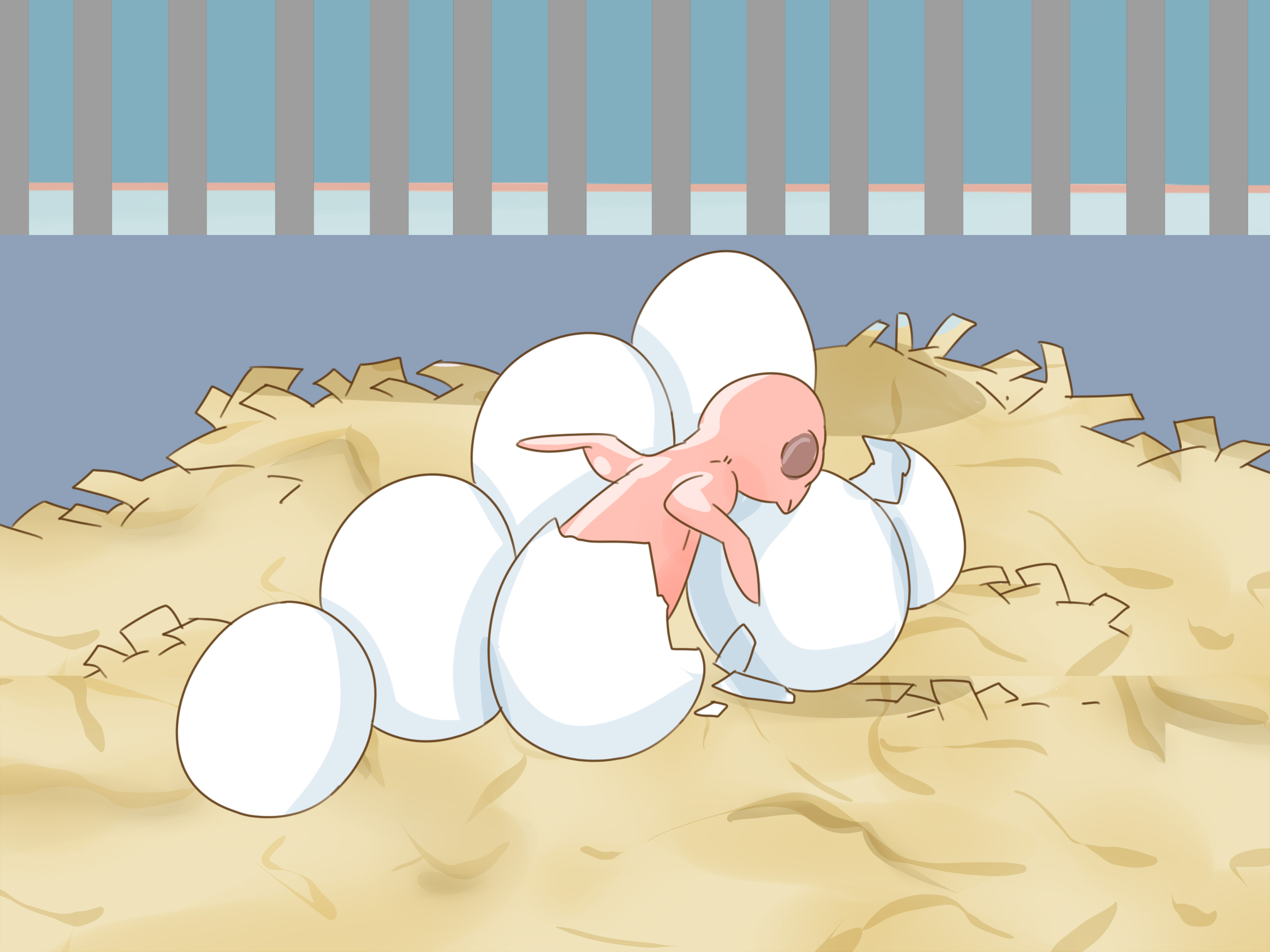
As hatching nears, your role is support, not panic. Most healthy lovebird parents manage the early stage themselves. Provide fresh food, water, quiet, and cleanliness around the setup. Avoid opening the nest box too frequently or handling chicks without a reason.
Beginner breeders often imagine they will hand-feed immediately because it sounds advanced and impressive. It is actually risky when done without training. Poor technique can cause aspiration, burns, crop problems, infection, or chick loss. Unless you are experienced and properly equipped, parent-raising is usually the safer path. If the parents are not feeding chicks well or something looks wrong, contact an avian vet promptly rather than improvising your way into a tiny feathery crisis.
Step 12: Support Growth Through Fledging and Weaning
As chicks grow, the parents need continued access to excellent nutrition. Many breeders increase soft foods and nutrient-dense options during this stage, always keeping hygiene front and center. Spoiled food in a breeding cage is a terrible idea wrapped in good intentions.
Lovebird chicks commonly fledge at around 30 to 35 days and often wean later, roughly around 45 to 55 days, depending on species, individual development, and management. The key is not to rush independence. A chick that looks adventurous is not always nutritionally ready to be fully on its own.
During this period, observe body condition, feather development, activity level, and feeding behavior. A healthy growing chick should become more alert, more coordinated, and less potato-shaped over time.
Step 13: End the Cycle Properly and Rest the Pair
Once chicks are weaned and the breeding cycle is over, remove the nest box. This step is huge. Nest boxes should not remain available year-round unless you are intentionally and responsibly managing another breeding cycle under good conditions. Constant access can keep birds hormonal and encourage repeated egg laying, which drains the hen physically.
Give the pair a long recovery period with steady routine, great food, sleep, enrichment, and normal social life. Many experienced keepers allow several months of rest between clutches rather than cycling birds repeatedly. Breeding should improve your birds’ lives, not turn them into exhausted little egg factories.
Common Mistakes to Avoid
Breeding birds that are too young. Using a poor diet. Leaving nest boxes up all year. Skipping vet care. Overhandling eggs or chicks. Pairing birds without confirming sex. Ignoring aggression. Missing early signs of egg-binding. Trying to hand-feed without training. Treating sanitation like an optional hobby. These are the errors that turn a hopeful breeding attempt into a stressful one.
What Real-World Breeding Often Feels Like: Experience-Based Insights
People often imagine breeding lovebirds as a tidy sequence: birds flirt, birds nest, birds lay eggs, baby birds appear, everyone poses for a postcard. Real life is messier, slower, and much more educational. One of the most common experiences keepers describe is how much waiting is involved. You spend days preparing the enclosure, improving the diet, and second-guessing perch placement like an interior designer for very opinionated parrots. Then nothing happens. Then suddenly everything happens at once.
Another common experience is discovering how different each pair can be. One pair may bond quickly and act like they have been running a tiny domestic partnership for years. Another pair may spend weeks negotiating personal space and dramatically glaring at each other from separate perches. That difference matters. Good breeding is not just about species rules; it is about reading the birds in front of you.
Keepers also learn fast that females can become much more territorial when nesting starts. A bird that used to tolerate your hand near the cage may suddenly object with the confidence of a creature ten times her size. This surprises new owners, but it is a normal part of the process for many lovebirds. Respecting that change usually works better than taking it personally. She is not rude. She is busy.
The feeding routine is another area where experience changes expectations. In theory, “offer better food” sounds simple. In practice, you may find yourself chopping greens like a restaurant prep cook, removing untouched vegetables, refreshing water constantly, and wondering how a bird the size of a lemon creates that much seed debris. Still, this stage teaches an important lesson: breeding success is built on boring daily consistency, not one magical product.
Then there is the emotional side. Even careful breeders can feel anxious around the first egg, the first long incubation stretch, or the first hatch. You may catch yourself listening for chick sounds, peeking too often, or mentally composing emergency speeches for the avian vet. That is normal. The trick is learning when observation is useful and when worry is just you auditioning for the role of Overcaffeinated Nest Supervisor.
Perhaps the biggest experience-based takeaway is that responsible breeding makes you more humble. It teaches patience, record keeping, restraint, and respect for how much work parent birds do on their own. It also teaches you that every stage matters: the adult diet, the cage size, the rest period, the cleanliness, the quiet, the timing. The “cute baby bird” moment is only the visible tip of a long process of good husbandry. And honestly, that is what separates a thoughtful breeder from someone who just got lucky once.
Final Thoughts
If you want to breed lovebirds well, think like a caretaker first and a hobbyist second. Choose healthy adult birds, confirm sex, build a proper setup, feed for real nutrition, monitor laying carefully, and know when to call a vet. Do that, and your chances of a stable, humane breeding experience go up dramatically.
In short: let the birds handle the romance, and you handle the planning, hygiene, and snack logistics.