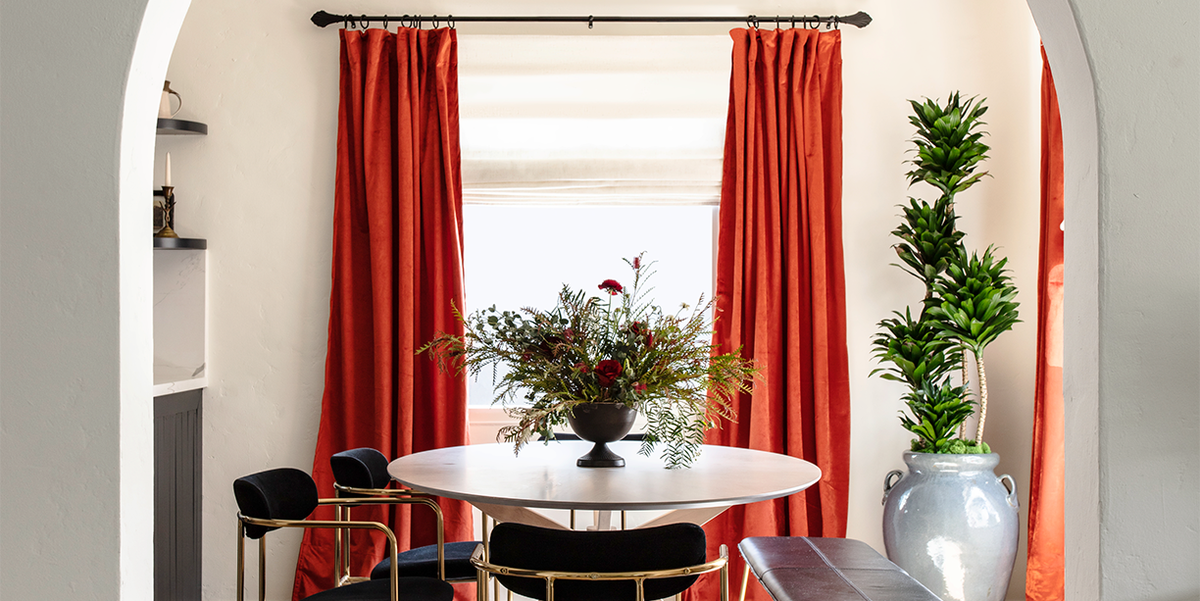
Some homes whisper. A 1930s Los Angeles Spanish Revival home practically clears its throat, adjusts its wrought-iron lantern, and says, “Please remove your shoes, but do admire my arches.” That is the magic of this style. It is romantic without trying too hard, sun-soaked without becoming a cliché, and detailed enough to make modern boxy houses look like they forgot their accessories.
In Los Angeles, Spanish Revival and Spanish Colonial Revival homes have long held a special kind of sway. Their white stucco walls glow in afternoon light, red tile roofs wear age beautifully, and courtyards make even a Tuesday feel a little cinematic. But refreshing one of these homes is not about bulldozing history and replacing it with trend-chasing beige. The real art lies in preserving what gives the house its soul while making it easier to live in now, when people expect kitchens to function, bathrooms to breathe, and entryways to do more than simply exist.
This refreshed 1930s Los Angeles Spanish Revival home does exactly that. It keeps the old-world charm, trims the awkward bits, and proves that heritage and comfort can absolutely share a roof. Preferably a Mission tile roof, because that is simply on brand.
What Makes a 1930s Los Angeles Spanish Revival Home So Irresistible?
Before stepping into the refresh, it helps to understand why Spanish Revival homes have such staying power. In Southern California, the style became hugely popular in the early twentieth century, especially during the 1920s and into the 1930s. It borrowed inspiration from Spanish colonial architecture, Mediterranean precedents, and regional climate logic. In plain English, that means these homes were designed to look elegant, stay cool, and age like movie stars who refuse to reveal their skincare routine.
Classic details usually include stucco walls, red clay or terracotta roof tiles, arched doors and passages, iron grilles, dark wood beams, plaster surfaces, courtyards, French or casement windows, and handcrafted tile. Some homes lean modest and intimate, while others go full theatrical with towers, dramatic fireplaces, carved wood, and elaborate tilework. In Los Angeles, the style feels especially at home because the sunshine flatters it shamelessly.
That is also why these houses can be tricky to update. Done badly, a renovation strips away the very details that make the architecture sing. Done well, it sharpens the melody.
The Exterior: A First Impression That Still Knows Its Lines
From the street, the refreshed home still reads unmistakably Spanish Revival. The hand-troweled stucco keeps its soft, imperfect texture, which is exactly the point. Historic stucco was never meant to look machine-made or unnaturally slick. That slightly uneven finish catches the light in a way flat modern coatings simply cannot. It adds shadow, softness, and just enough drama to make passersby slow down and stare politely.
The Mission-style roof tiles remain the headliner. Their warm terra-cotta tone instantly grounds the home in California tradition, while also giving the exterior that weathered richness people spend far too much money trying to fake. Rather than replacing character with something “cleaner,” the refresh respects the beauty of materials that look better with a little age on them.
Original iron details, from railings to window grilles to lantern hardware, are either restored or echoed in new additions. That choice matters. Wrought iron is one of those small touches that quietly carries a lot of stylistic weight. Remove it, and the house loses its accent. Keep it, and everything else feels more believable.
The landscaping follows the same logic. Instead of forcing a thirsty formal garden into submission, the refreshed exterior leans into a Southern California palette: olive tones, silvery greens, terracotta planters, gravel paths, climbing vines, and drought-aware planting. The result feels rooted rather than staged. This is not a home pretending to be in Spain. It is a Los Angeles house that understands its own climate and history.
Entry Sequence: Small Space, Big Mood
One of the smartest upgrades in many successful Spanish Revival remodels is the entry. Older homes often have beautiful facades but surprisingly awkward front-door experiences. You open the door and immediately find yourself in the living room, waving hello to the sofa before you have even set down your bag. Charming? Sometimes. Practical? Not especially.
In this refreshed home, the entry becomes a proper transition zone. It is not massive, because it does not need to be. Instead, it uses scale, texture, and architectural rhythm to create a sense of arrival. Think arched openings, patterned tile underfoot, a built-in bench, warm plaster walls, and a carefully chosen lantern or pair of sconces that make the space glow after sunset.
This is where the renovation shows restraint. Rather than overdecorating, it lets the bones do the work. A good Spanish Revival entry should feel like the opening scene of a film: a little mystery, a little warmth, and a strong hint that the rest of the house has stories to tell.
Living Room: Restoring the House’s Original Confidence
The living room is often where Spanish Revival homes win people over. Even before furniture enters the picture, the architecture usually arrives fully dressed. Coved ceilings, deeply recessed windows, exposed beams, plaster walls, and a fireplace with real presence are hard to beat.
In the refreshed version of this 1930s Los Angeles home, the living room does not try to outsmart its architecture. It simply lets it breathe again. If a tile fireplace surround was hidden under layers of paint, it gets uncovered and restored. If heavy, ill-fitting renovations made the room feel darker or fussier, they are removed. If later finishes ignored the home’s proportions, they are replaced with materials that feel quieter and more in tune with the original scale.
The furnishing approach is relaxed but thoughtful. Upholstery is soft and inviting, not museum stiff. Wood tones add warmth, but not so much that the room starts resembling a theme restaurant. Textiles bring pattern in doses, often through pillows, drapery, or a vintage rug. The palette usually stays grounded in creams, clay tones, tobacco browns, olive greens, dusty blues, and sun-faded rust. In other words, colors that look like they belong near terracotta, plaster, and old wood.
One of the most effective updates is often lighting. Spanish Revival homes can handle mood. In fact, they prefer it. Layered sconces, iron chandeliers, table lamps with ceramic bases, and soft linen shades keep the room feeling intimate rather than overly bright. Nobody wants a historic living room lit like an operating room.
Kitchen: The Trickiest Room Gets a Graceful Rewrite
If there is one room that usually requires the most diplomatic negotiation in a 1930s house, it is the kitchen. Historically, kitchens were more private and less central. Today they are command centers, snack stations, homework hubs, and social magnets. Asking a compact older kitchen to perform like a modern one is a little like asking a vintage roadster to carry a soccer team and groceries. It was not built for that, but with the right updates, it can still surprise you.
In this refreshed Spanish Revival home, the kitchen is modernized without becoming generic. That means no soulless white-on-white box pretending history began in 2023. Instead, the design uses timeless materials that harmonize with the house: handmade or hand-glazed tile, warm wood cabinetry, plaster or plaster-look walls, unlacquered brass or aged bronze hardware, and a backsplash with actual texture and personality.
Arched niches or doorways help the kitchen feel connected to the rest of the architecture. Open shelving may appear in small doses, especially where it can display ceramics or glassware without making the room feel cluttered. The island, if there is one, does not have to dominate the room like a cruise ship. In a home like this, scale matters. A smaller island or central worktable often feels more authentic and more elegant.
Color also plays a huge role. Green cabinetry, creamy walls, walnut accents, deep blue tile, or terracotta floors can all work beautifully because they echo the house’s earthy vocabulary. The best kitchens in Spanish Revival homes do not feel newly installed. They feel as though they have always belonged there, just with significantly better storage and fewer 1930s inconveniences.
Bathrooms: Proof That Function and Romance Can Coexist
Bathrooms in old homes are often small, quirky, and one plumbing decision away from mutiny. Yet they are also wonderful places to lean into Spanish Revival character. In this refresh, the bathrooms become compact little jewel boxes.
Tile is the hero here. That could mean checkerboard floors, hand-painted accents, earthy zellige, patterned borders, or richly glazed wall tile that catches light beautifully. Curved mirrors, plaster walls, vintage-inspired fixtures, and warm metal finishes soften the practical side of the room. If an original niche, arch, or window can be preserved, it becomes part of the charm instead of a problem to solve away.
The goal is not to make the bathroom look old for the sake of it. It is to create a room that feels grounded in the house’s period language while performing like a modern space should. Better ventilation, improved storage, smarter lighting, and upgraded plumbing are the quiet heroes here. They may not photograph as glamorously as the tile, but they deserve a round of applause.
Bedrooms: Softer, Calmer, Still Full of Character
In a refreshed Spanish Revival home, the bedrooms tend to take a gentler approach. The architecture remains important, but the mood often shifts from theatrical to restful. Plaster walls, wood windows, arched details, and original beams are allowed to stay visually prominent, while the furnishings become simpler and more cocooning.
Neutral bedding, natural fibers, vintage case goods, linen drapery, and a restrained color palette help the rooms feel serene. This is where a home can lean into that unmistakable Los Angeles mix of old California romance and casual livability. It is polished, yes, but never uptight. Shoes can still be kicked off here. Preferably onto a very nice rug.
Indoor-Outdoor Living: The House’s Secret Weapon
Spanish Revival homes are at their best when they blur the line between indoors and outdoors. Courtyards, terraces, balconies, and garden-facing windows are not extras. They are part of the house’s emotional architecture.
In this refreshed Los Angeles home, outdoor spaces are treated like real rooms. A tiled terrace becomes an extension of the living area. A courtyard offers a private pause between rooms. French or casement doors invite in light and breeze rather than acting like decorative props. Terracotta pots, outdoor lanterns, woven seating, and weathered tables reinforce the feeling that the house is meant to be lived in, not simply admired from the sidewalk.
This is one reason the Spanish Revival style continues to resonate so strongly in Southern California. It understands climate in a way that feels both beautiful and practical. It invites shade, airflow, texture, and a slower rhythm of living. Even when refreshed for modern life, that spirit should remain untouched.
Why This Refresh Works
The success of a refreshed 1930s Los Angeles Spanish Revival home comes down to one principle: edit without erasing. The best renovations do not flatten history into a trend-friendly backdrop. They identify what is architecturally essential, restore what has been neglected, and introduce modern comforts in a way that feels almost invisible.
That might mean preserving stucco instead of smoothing it beyond recognition. It might mean restoring a fireplace, keeping redwood beams, respecting original window shapes, or selecting tile that feels handmade rather than factory-perfect. It might mean adding square footage only when absolutely necessary and making new work feel in scale with the old.
Most of all, it means understanding that Spanish Revival style is not a checklist. It is a mood, a material language, and a relationship to sunlight, craftsmanship, and everyday ritual. Get that right, and even a major refresh can feel wonderfully natural.
What It Feels Like to Live Here
Living in a refreshed 1930s Los Angeles Spanish Revival home is not just about aesthetics. It is about atmosphere. Morning light hits the plaster walls and turns them buttery and soft. The kitchen feels grounded and inviting instead of overly polished. The living room glows in late afternoon, especially when the sun catches the beams and tiled hearth just right. Doors open to the terrace, and suddenly the boundary between inside and outside feels delightfully negotiable.
There is also an emotional ease to a house like this. The architecture gives daily life a little more ceremony. Pouring coffee feels nicer when the cup lands on a textured tile counter. Reading in the living room feels better when there is an arch framing the garden view. Dinner tastes more romantic when candlelight bounces off plaster walls and old wood. It is not magic exactly, but it is suspiciously close.
And because the home has been refreshed rather than reinvented, it avoids that over-renovated feeling some historic properties fall into. It still has quirks. It still has patina. It still feels like a place with a past. But now it also functions for the present, which is a pretty ideal arrangement for both the homeowners and anyone lucky enough to be invited over.
Additional Experiences: Stepping Through the Home Room by Room
Walk up to the house in the early evening and the experience begins before you even reach the door. The stucco seems to shift color with the light, moving from warm ivory to pale gold. The clay roof tiles throw soft shadows, and the iron lantern by the entry looks like it belongs in exactly one place on earth: right there. There is something deeply reassuring about a house that does not try to be flashy. It simply knows who it is.
Open the front door and the air changes. The entry feels cooler, quieter, and more textured than the street outside. Your footsteps hit patterned tile, and the sound is different than it would be on plain hardwood or polished concrete. It is a tiny sensory detail, but it matters. Great homes are full of those details. They do not scream for attention. They simply make you feel more present.
As you move into the living room, your eye does not land on one thing. It travels. First the arch. Then the beams. Then the fireplace. Then the filtered light moving across the plaster walls. A refreshed Spanish Revival room rarely feels flat because the materials are doing subtle work all the time. Texture lives everywhere. The walls are not slick. The wood is not sterile. The tile has variation. The fabrics have depth. Even the shadows seem layered.
The kitchen feels equally inviting, but in a different way. It is less about display and more about use. You can imagine someone chopping herbs on the counter, opening French doors for a little breeze, or leaning on the island while a pan crackles on the stove. The room has warmth without chaos. It feels collected, not crowded. Functional, not fussy. The best compliment for a kitchen like this is that it makes you want to stay even after dinner is over.
Then there are the quieter corners. A hallway niche with a ceramic vase. A small window that frames a piece of sky. A bathroom where handmade tile makes brushing your teeth feel ever so slightly glamorous. A bedroom where linen curtains soften the morning sun just enough that waking up feels civilized. These are not headline moments, but they are what make a house memorable when the tour is over.
Outside, the experience becomes even more distinctly Los Angeles. The terrace is not treated like leftover space. It is part of the rhythm of the home. Coffee in the morning, lunch in the shade, a glass of wine at dusk, a few friends lingering after dinner while someone says, “We should really go,” and then does not leave for another forty minutes. That is exactly the kind of life this architecture supports so well.
What makes the experience special is not just that the home looks beautiful. Plenty of houses look beautiful in photographs. What sets this one apart is that the refresh improves the way the house feels to move through, to gather in, to cook in, to rest in, and to return to at the end of the day. It respects the original 1930s character without freezing it in amber. It keeps the romance, adds comfort, and lets the architecture keep flirting with the sunlight like it always has.
In the end, stepping inside a refreshed 1930s Los Angeles Spanish Revival home feels a little like stepping into a version of California that still believes in craftsmanship, quiet drama, and houses with genuine personality. It is elegant but approachable, historic but usable, and charming without becoming precious. That balance is rare. And when it is done right, it does not just impress you. It makes you want to stay.
Conclusion
A refreshed 1930s Los Angeles Spanish Revival home succeeds when it honors the architecture instead of overpowering it. The arches, stucco, tile, beams, iron details, and indoor-outdoor rhythm all remain central, while thoughtful updates make the home more comfortable for modern living. The result is not a museum piece or a trend experiment. It is a layered, livable, character-rich home that feels deeply connected to Southern California design history and wonderfully suited to the way people live today.