Note: Nordic Bakery in London is remembered as a beloved Scandinavian-style bakery café, especially its Golden Square location in Soho. Some current public listings indicate the original café is permanently closed, so this article is written as a researched, retrospective restaurant visit and cultural guide rather than a same-day opening-hours recommendation.
London has no shortage of cafés where you can buy a coffee, pretend to read a novel, and secretly people-watch with the focus of a wildlife documentary narrator. But every so often, a place comes along that feels less like a pit stop and more like a tiny design vacation. Nordic Bakery in London was exactly that kind of place: calm, pine-paneled, cinnamon-scented, and quietly confident in a city that usually prefers its cafés noisy, crowded, and powered by espresso machines that sound like launching rockets.
Located most famously at 14A Golden Square in Soho, Nordic Bakery became known for its Scandinavian baking, dark rye bread, open-faced sandwiches, cardamom-laced buns, strong coffee, and minimalist interiors. It was not the kind of bakery that attacked you with frosting. It whispered. Then it handed you a cinnamon bun so rich and spiced that the whisper suddenly made sense.
This restaurant visit review looks at what made Nordic Bakery such a memorable London café: the food, the design, the atmosphere, the famous cinnamon buns, and the experience of finding a little Nordic calm just steps away from the bright chaos of Piccadilly Circus and Soho.
A Scandinavian Escape in the Middle of Soho
Golden Square is one of those London spaces that feels like it is hiding in plain sight. Walk a few minutes from Regent Street or Piccadilly Circus, and suddenly the city’s volume turns down a notch. Nordic Bakery used that setting beautifully. Instead of competing with Soho’s energy, it offered the opposite: clean lines, warm wood, simple seating, and a menu that felt carefully edited rather than endlessly complicated.
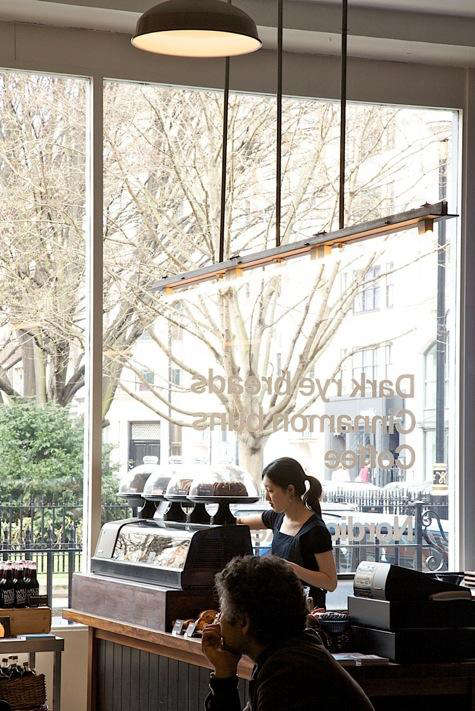
The bakery’s design drew attention from food lovers and design enthusiasts alike. Its interior was rooted in Nordic minimalism, but not in the cold, showroom-like way that makes people afraid to move a chair. The space used Finnish modernist touches, including furniture inspired by names such as Alvar Aalto and Ilmari Tapiovaara, along with heat-treated pine walls and a practical, almost monastic layout. The result was a café that looked stylish without shouting, “Please photograph me before eating.” Though, naturally, many people did exactly that.
What made the atmosphere work was balance. The wood brought warmth. The dark tones added sophistication. The simple tables kept the focus on the food. Nordic Bakery felt like a place designed for actual human beings: solo coffee drinkers, office workers grabbing lunch, design tourists studying the chairs, and pastry fans who came for cinnamon buns with the dedication of pilgrims.
The Food: Simple, Earthy, and Comforting
Nordic Bakery’s menu reflected the kind of Scandinavian café food that values restraint, freshness, and ingredients with personality. Instead of huge plates and dramatic garnishes, the bakery focused on dark rye breads, open sandwiches, savory pies, soups, buns, cakes, and strong coffee. In other words, it understood a crucial truth: lunch does not need to arrive wearing a hat.
The savory side of the menu often included open-faced rye bread sandwiches topped with ingredients such as gravadlax, pickled herring, egg, cheese, dill, and sometimes lingonberry. These were not floppy sandwiches designed to be eaten over a keyboard while regretting your life choices. They were neat, flavorful, and built around dense bread with real character.
Dark rye bread gave the sandwiches a deep, earthy base. It paired especially well with oily fish, sharp dairy, herbs, and pickled ingredients. For American readers more used to soft sandwich bread, Nordic rye can feel like the bread has been to graduate school. It is firm, serious, slightly sour, and very aware of its responsibilities.
The Famous Cinnamon Bun
No discussion of Nordic Bakery is complete without the cinnamon bun. This was the item that gave the café much of its reputation, and for good reason. The Nordic Bakery cinnamon bun was not an American mall-style cinnamon roll drowning under a small glacier of icing. It was more restrained, more aromatic, and more textured.
The bun leaned into cinnamon, cardamom, butter, sugar, and a glazed finish. It was often described as robustly spiced, with a firm exterior and a softer interior. The shape was rustic rather than perfectly polished, which gave it charm. It looked like something made by hands, not a committee.
The beauty of a Nordic cinnamon bun lies in its balance. It should be sweet, yes, but not so sweet that your teeth file a complaint. It should be buttery, but not greasy. It should have spice, but not taste like someone dropped a candle into the dough. At its best, Nordic Bakery’s bun delivered that cozy middle ground: fragrant, satisfying, and ideal with coffee.
Other Sweet Treats Worth Remembering
Beyond the signature cinnamon bun, Nordic Bakery was associated with a variety of Scandinavian-inspired cakes and pastries. Menu snapshots and reviews over the years mention items such as Tosca cake, almond twists, blueberry tarts, oven pancakes, butter buns, skoleboller, oat bakes, mud cake, and seasonal specials. These treats helped make the bakery feel like more than a one-hit cinnamon wonder.
Tosca cake, for example, is a Swedish-style cake with a soft sponge base and a caramelized almond topping. It is the kind of dessert that sounds polite and then quietly steals the show. Skoleboller, a Norwegian custard bun often finished with coconut, brings a softer, creamier sweetness. Berry-based bakes, common in Nordic traditions, added brightness and tartness to the pastry case.
The overall pattern was clear: Nordic Bakery favored bakes that were comforting but not cartoonishly indulgent. The flavors came from spice, grain, berries, nuts, butter, and texture rather than mountains of frosting. It was dessert with good manners.
Coffee, Fika, and the Art of Pausing
One reason Nordic Bakery resonated in London was that it offered more than food. It offered a pause. In Scandinavian café culture, especially in Sweden, the idea of “fika” is often described as taking time for coffee and something sweet, usually with a social or reflective element. Nordic Bakery fit naturally into that rhythm.
Of course, this was still London. Nobody floated in wearing wool socks and speaking exclusively in lowercase serenity. People had meetings. Phones buzzed. Emails lurked. But inside the bakery, the mood encouraged a slower pace. A coffee and a bun were not just fuel; they were a small ritual.
The coffee was often described as strong, which aligned with Nordic coffee preferences. Scandinavian countries are famously enthusiastic coffee drinkers, and Nordic Bakery honored that tradition with a cup that could stand up to dark rye, cardamom buns, and the emotional weight of a London commute.
The Design Experience: Minimalism With Warmth
Many minimalist cafés accidentally feel like airport lounges for people who own too many black turtlenecks. Nordic Bakery avoided that trap. Its design was spare, but not sterile. The pine-paneled walls gave the room a cabin-like softness, while the furniture added a distinctly Finnish modernist feel.
This mattered because the space supported the food. The interior did not distract from the cinnamon buns; it framed them. The clean design made a cup of coffee feel intentional. The simple seating encouraged people to sit, eat, talk, read, and then return to the city feeling slightly more civilized.
For visitors interested in London restaurant design, Nordic Bakery was a useful example of how hospitality spaces can create identity without over-decoration. It did not need neon signs, fake plants, or a wall that said “But first, coffee.” Thank goodness. Some walls deserve peace.
What to Order: A Practical Retrospective Guide
If you were visiting Nordic Bakery during its active years, the classic first order would have been simple: a cinnamon bun and coffee. That pairing represented the café at its most direct. The bun gave you spice, butter, and sweetness; the coffee brought bitterness and depth. Together, they made sense in the way a rainy London afternoon and a good bakery make sense.
For lunch, an open rye sandwich would have been the smart move. Gravadlax on rye with dill, herring with egg, or cheese with lingonberry captured the Nordic approach to savory café food. These were light meals, but not flimsy ones. The rye bread made them filling, while the toppings kept them fresh and flavorful.
If you wanted to explore beyond the famous bun, a berry bake or Tosca-style cake would have been a strong second choice. Nordic baking often shines when it combines fruit, grain, and modest sweetness. Blueberries, raspberries, oats, almonds, and rye all appeared naturally within that world.
Who Would Have Loved Nordic Bakery?
Nordic Bakery was ideal for travelers who enjoy cafés with personality but dislike places that try too hard. It suited design lovers, pastry fans, solo diners, quiet couples, office workers, and anyone who wanted a calm break in central London. It was also a strong choice for visitors curious about Scandinavian food but not ready for a full tasting menu with moss, smoke, and a server explaining the emotional history of a turnip.
Families could enjoy it, though the mood was more grown-up café than loud brunch spot. Remote workers might have appreciated the calm, though it was better suited to short sessions than all-day laptop camping. Food-focused travelers would have found the bakery most rewarding when approaching it on its own terms: simple food, good ingredients, unfussy presentation, and a design atmosphere that rewarded attention.
How Nordic Bakery Fit Into London’s Food Scene
When Nordic Bakery opened in the late 2000s, London’s café culture was evolving quickly. Independent coffee shops, Australian-style brunch spots, artisan bakeries, and design-led cafés were reshaping how Londoners thought about casual eating. Nordic Bakery stood apart by offering a Scandinavian alternative: less avocado toast, more rye bread; less latte theater, more strong coffee; less maximalism, more calm.
The café also arrived during a period of growing interest in Nordic food. Globally, restaurants and writers were paying more attention to Scandinavian ingredients, traditions, and aesthetics. Nordic Bakery translated that interest into something accessible. You did not need a reservation, a tasting menu budget, or a working knowledge of fermented seaweed. You could simply walk in and order a bun.
That accessibility was part of its charm. It brought Nordic flavors into everyday London life. A worker on lunch break, a tourist with a camera, or a local meeting a friend could all experience a little piece of Scandinavian café culture without ceremony.
Strengths and Weak Spots
The biggest strength of Nordic Bakery was its identity. It knew what it wanted to be. The menu, interiors, branding, and atmosphere all pointed in the same direction. That consistency made it memorable. Many cafés serve coffee and cake; fewer create a world around them.
The cinnamon buns were the star attraction, and the rye sandwiches gave the savory menu credibility. The design also elevated the experience. Eating a bun in a warm, pine-lined room feels different from eating the same bun under fluorescent lights next to a refrigerator humming like a tired robot.
That said, not every review over the years was glowing. Some diners found certain items expensive for the portion size. Others felt the famous cinnamon bun could be heavy or dry depending on the visit. That is the risk of a cult item: once people arrive expecting pastry enlightenment, even a very good bun can be judged like it is auditioning for sainthood.
Still, the broader impression remained positive. Nordic Bakery earned affection because it offered something distinctive, and because its best items had a quiet staying power. People remembered the smell of cinnamon, the dark bread, the calm room, and the sense that central London had briefly become less frantic.
Experiences Related to Visiting Nordic Bakery in London
A visit to Nordic Bakery was never just about checking off a famous café. It was about the mood around the visit. Imagine starting near Piccadilly Circus, where the screens flash, traffic folds into itself, and tourists pause in the middle of the sidewalk with the confidence of decorative statues. Then you turn toward Golden Square, and the city shifts. The streets are still busy, but the pace softens. By the time you reach the bakery, you are ready for something quieter.
Walking inside, the first impression would likely be the smell: coffee, warm dough, cinnamon, cardamom, toasted grain, and butter. Not the heavy sugar fog of a typical dessert shop, but something earthier. The bakery’s aroma had a grown-up sweetness, like a kitchen that owned both a rolling pin and a philosophy degree.
The best way to experience the place was slowly. Order at the counter, choose a bun or sandwich, and sit where you could see both the room and the street. A cinnamon bun with coffee made a perfect midmorning stop. The bun’s ridges held spice and glaze, and the dough had enough weight to feel satisfying. It was not a pastry you inhaled absentmindedly. It asked for attention, preferably with both elbows on the table and no urgent notifications.
For lunch, the open rye sandwiches delivered a very different pleasure. They were tidy, colorful, and practical, but the flavors were bold. Pickled fish, dill, egg, salmon, cheese, and dense rye brought together salt, sourness, fat, and grain. Compared with an oversized sandwich, the Nordic version felt more composed. You could eat it without needing a structural engineer or a second shirt.
The café also worked beautifully as a design stop. Even if you were not hungry, it was worth noticing how the room shaped the experience. The wood paneling softened the space. The chairs and tables looked elegant but useful. The absence of clutter made the pastries seem more deliberate. In a city full of cafés that chase trends, Nordic Bakery felt grounded in a clearer idea: make the food honest, make the room calm, and let people breathe for a minute.
Another memorable part of the experience was how suitable it felt for different kinds of visits. Alone, it was a place to read, think, or recover from shopping. With a friend, it was intimate enough for conversation. As a traveler, it gave you a story beyond the obvious London food landmarks. You could leave saying you had tasted a Finnish-style cinnamon bun in Soho, which sounds just specific enough to make you seem like you planned your trip better than you actually did.
For anyone trying to recreate the Nordic Bakery experience today, the lesson is not only to find a cinnamon bun. It is to look for cafés that combine food, atmosphere, and restraint. Seek out bakeries that treat bread seriously. Try cardamom buns, rye sandwiches, berry cakes, or Scandinavian coffee spots around London. Sit down instead of rushing away. Let the coffee cool slightly. Notice the furniture. Eat the bun without checking your email. Revolutionary behavior, admittedly, but worth attempting.
Nordic Bakery’s legacy is that it made simplicity feel special. It showed how a small café could become memorable without theatrical plating, giant portions, or a menu longer than a legal contract. Its best experience was modest and complete: a warm room, a strong coffee, a spiced bun, and a rare pocket of calm in central London.
Final Verdict: Why Nordic Bakery Still Matters
Nordic Bakery in London remains worth writing about because it captured a particular kind of café magic. It was stylish but not flashy, comforting but not heavy-handed, and distinctive without being difficult. Its Scandinavian baking, especially the cinnamon buns and rye-based dishes, helped introduce many London visitors to Nordic flavors in an approachable way.
As a restaurant visit, Nordic Bakery offered more than a meal. It offered atmosphere, design, and a sense of pause. Even if current travelers must check alternatives due to closure listings, the café’s reputation continues to influence how people remember Scandinavian baking in London. For anyone interested in food culture, café design, or the quiet power of a truly good bun, Nordic Bakery deserves its place in London’s bakery memory.
And honestly, any bakery that can make a cinnamon bun feel like a cultural event has earned a respectful nod, a strong coffee, and maybe one more pastry for the road.