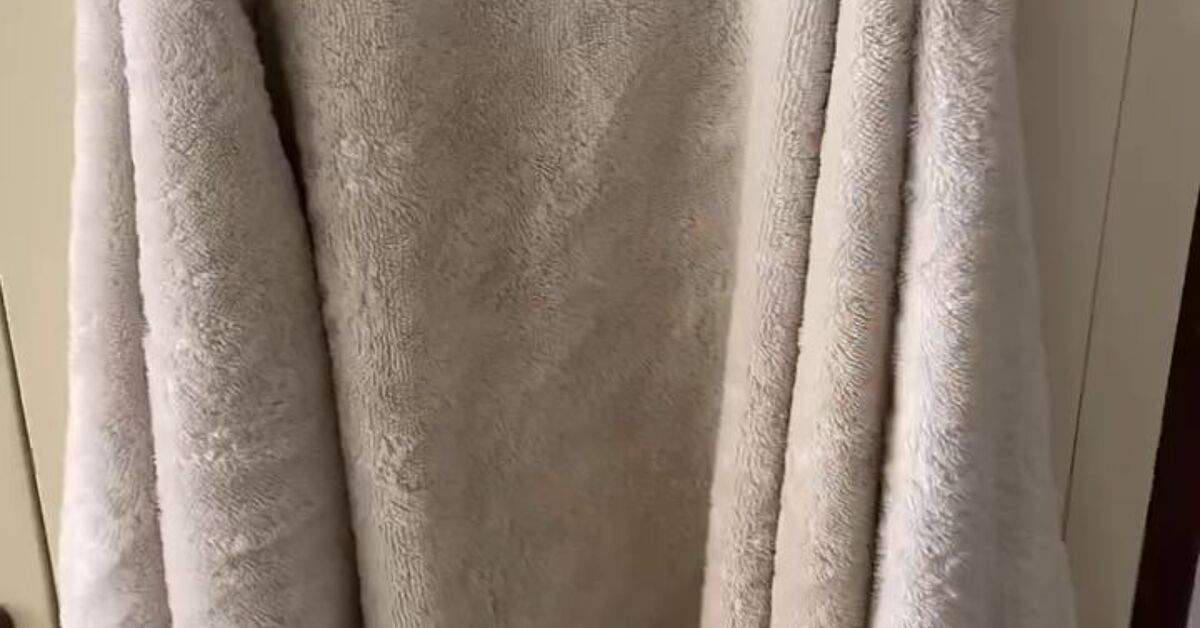
White towels are the divas of the linen closet. They look luxurious, fresh, spa-like, and cleanuntil one day they emerge from the washer looking like they spent the weekend rolling around in oatmeal. If you have ever stared at a once-bright bath towel and wondered how it became gray, yellow, stiff, or weirdly musty, congratulations: you have met the laundry gremlins.
The good news? Keeping white towels white is not about buying expensive hotel towels every six months or pouring half the cleaning aisle into the washer. It is about building a simple routine: sort correctly, use the right water temperature, measure detergent like a responsible adult, treat stains before they become permanent residents, and dry towels completely so mildew does not throw a tiny house party in the fibers.
This guide explains how to keep white towels white in 5 easy steps, using practical laundry science, real household examples, and a few “please stop doing that” towel-care habits. By the end, your white towels should look brighter, smell fresher, feel softer, and stop giving off that “forgotten gym bag” energy.
Why White Towels Turn Gray, Yellow, or Dingy
Before fixing the problem, it helps to know what is causing it. White towels usually lose their brightness because of buildup. Body oils, soap residue, hair products, sunscreen, hard-water minerals, detergent, fabric softener, and leftover soil can cling to cotton loops. Over time, those layers make towels look dull even when they are technically clean.
Yellowing often comes from body oils, sweat, skincare products, or stains that were washed but not fully removed. Grayness is commonly caused by washing white towels with colored items, using too little detergent for a dirty load, using too much detergent that does not rinse away, or packing the washing machine so full that towels cannot move freely. Musty odors happen when towels stay damp too longeither in the hamper, in the washer after the cycle ends, or on a hook where air cannot circulate.
In other words, your towels are not being dramatic. They are just extremely good at collecting evidence.
Step 1: Separate White Towels Like They Are VIP Laundry
The first rule of white towel care is simple: wash white towels with white towels. Not with jeans. Not with red T-shirts. Not with black socks that “probably won’t bleed.” White towels are absorbent, textured, and eager to grab lint, dye, and debris from anything nearby. If you want bright towels, give them their own load.
What to wash with white towels
The safest load is white bath towels, white hand towels, and white washcloths of similar fabric weight. You can also wash white cotton bath mats separately, but only if the care label allows it and the washer has enough room. Heavy towels need space to tumble, rinse, and release soil.
Avoid washing towels with sheets. Towels are heavier, rougher, and lintier than sheets, and they dry at a different speed. Sheets can twist around towels, towels can stay damp, and everyone leaves the dryer unhappy. Clothing is also a bad match because zippers, buttons, and hooks can snag terry loops.
Do not overload the washer
A washer stuffed like a vacation suitcase cannot clean well. Towels need room to lift, drop, and circulate through water and detergent. If your washer drum looks packed tight before the cycle begins, remove a few towels. A smaller load often cleans better, rinses better, and dries faster.
For a standard home washer, a practical rule is to fill the drum loosely, not tightly. You should be able to place your hand into the top of the load without wrestling the towels into submission. If the towels come out with detergent streaks, stiff patches, or lingering odor, overloading may be part of the problem.
Step 2: Pre-Treat Stains Before They Meet the Dryer
The dryer is excellent at making towels fluffy. It is also excellent at baking stains into fabric like a bad decision casserole. If a white towel has makeup, hair dye, blood, sunscreen, self-tanner, coffee, mildew, or mystery smudges, treat the stain before washing and definitely before drying.
For everyday stains
Apply a small amount of liquid laundry detergent or enzyme stain remover directly to the stained area. Gently work it in with your fingers or a soft laundry brush, then let it sit for 5 to 10 minutes before washing. Do not scrub aggressively; terry cloth has loops that can fray when attacked like a dirty pan.
For dingy towels
If the whole towel looks dull, a presoak can help. Use warm water and an oxygen-based whitening product according to the product directions. Oxygen bleach is especially helpful for brightening white cotton towels because it targets organic stains and buildup without the harshness of frequent chlorine bleach use.
For bleach-safe white cotton towels
Chlorine bleach can whiten and sanitize bleach-safe white cotton towels, but it must be used correctly. Always check the care label first. Never pour bleach directly onto towels. Add it through the bleach dispenser or dilute it according to the product label. Also, never mix chlorine bleach with vinegar, ammonia, or other cleaning products. Laundry should smell fresh, not like a science experiment that evacuated the room.
If you are unsure whether a towel is bleach-safe, choose oxygen bleach instead. It is generally gentler and still effective for whitening towels, removing dullness, and refreshing fibers.
Step 3: Wash White Towels With the Right Water Temperature and Detergent
Water temperature matters. White cotton towels usually tolerate warm or hot water, but the care label is the boss. Hot water helps remove body oils, bacteria, and grime from heavily used towels. Warm water is a good everyday option when you want strong cleaning with less stress on fibers. Cold water can work for lightly soiled laundry, but it may not be the best choice for towels that are oily, musty, or visibly dingy.
Use the warmest safe water
For most white cotton towels, choose hot or warm water based on the care tag and soil level. Use hot water for durable white towels that are heavily soiled, smelly, or used after workouts. Use warm water for regular washing when towels are not especially dirty. If a towel has protein-based stains such as blood, rinse or pretreat with cold water first because hot water can set some stains.
Measure detergent carefully
More detergent does not mean cleaner towels. In fact, too much detergent can leave residue that traps dirt, dulls whiteness, reduces absorbency, and makes towels feel stiff. Use the amount recommended for your load size, soil level, and washer type. High-efficiency washers usually need less detergent than traditional machines.
If your towels feel waxy, stiff, or oddly slippery, detergent buildup may be the villain. Try running a hot wash with no detergent and one cup of distilled white vinegar, then run a second wash with a small amount of detergent or oxygen bleach. This can help remove residue and restore absorbency.
Choose the right laundry boosters
For brighter white towels, the best boosters are simple:
- Oxygen bleach: Great for regular whitening and stain removal.
- Baking soda: Helps neutralize odors and soften water slightly.
- Distilled white vinegar: Helps break down mineral and detergent residue when used occasionally.
- Chlorine bleach: Useful for bleach-safe white cotton towels, but best used carefully and not every wash.
One important note: do not mix vinegar and baking soda together in the same cup expecting a magical cleaning volcano. They react with each other and lose much of their usefulness. If you use both, use them in separate parts of the routine: baking soda in the wash cycle, vinegar in the rinse cycle, or use them in separate washes when refreshing old towels.
Step 4: Skip Fabric Softener and Rinse Thoroughly
Fabric softener sounds like it should be a towel’s best friend. In reality, it is often the friend who brings drama. Liquid fabric softeners and many dryer sheets can coat towel fibers with a residue that makes them feel less absorbent over time. That coating can also trap soil and contribute to grayness.
Why towels get stiff
Towels become stiff when residue builds up in the cotton loops. This residue can come from too much detergent, fabric softener, minerals in hard water, or body oils that were not fully washed away. Once the loops are coated, they cannot absorb water as well, and the towel may feel rough even after washing.
The fix is not more softener. The fix is less residue.
Use an extra rinse when needed
If your washer has an extra-rinse option, use it for towel loads, especially when towels are thick, the load is large, or you live in a hard-water area. A better rinse removes detergent and soil more completely, which helps towels stay white, soft, and absorbent.
Try vinegar occasionally
Distilled white vinegar can help refresh towels by cutting through residue and mineral buildup. Add it to the fabric softener dispenser during the rinse cycle, or run a separate towel-refresh cycle with vinegar and no detergent. Use it occasionally, not every single wash, and always follow your washer manufacturer’s guidance.
If you want softness without residue, wool dryer balls are a good alternative. They help separate towels in the dryer, improve airflow, and reduce drying time. They will not perfume your towels like a meadow in a shampoo commercial, but they will help keep them fluffy.
Step 5: Dry Towels Completely and Store Them the Smart Way
White towels can be perfectly washed and still turn musty if they are not dried completely. Damp towels are a cozy little resort for mildew odors. To keep towels white and fresh, move them from the washer to the dryer promptly, dry them fully, and store them only when they are completely dry.
Shake towels before drying
Before tossing towels into the dryer, give each one a quick shake. This helps open the terry loops, improves airflow, and reduces clumping. It sounds too simple to matter, but towel care is full of small habits that quietly save the day.
Use medium heat when possible
High heat can be useful for sanitation when needed, but frequent high-heat drying may weaken cotton fibers over time. For everyday drying, medium heat works well for many towels. The goal is complete dryness without scorching the life out of the fabric.
Remove towels as soon as they are dry. Overdrying can make them feel rough, while underdrying invites odors. If a towel still feels cool or damp in the center, give it more time.
Store towels where air can circulate
Do not cram freshly washed towels into a crowded cabinet while they are even slightly damp. Fold them loosely and store them in a dry, ventilated space. In humid bathrooms, consider storing extra towels outside the bathroom or using open shelving with airflow.
After use, hang towels spread out on a towel bar rather than bunched on a hook. A towel that dries quickly between uses stays fresher, whiter, and less likely to develop that sour smell that makes guests politely say, “I’ll just use my shirt.”
A Simple White Towel Washing Routine
Here is a practical routine you can follow without turning laundry day into a chemistry degree:
- Wash white towels separately from colors, clothes, and sheets.
- Pre-treat stains with detergent or stain remover before washing.
- Use warm or hot water, depending on the care label and soil level.
- Add the correct amount of detergent, plus oxygen bleach when towels look dull.
- Skip fabric softener and use an extra rinse if towels feel stiff.
- Dry towels completely and store them in a dry, airy space.
For regular household use, wash bath towels every three to four uses. Hand towels and washcloths usually need washing more often because they get damp frequently and collect more germs, soap, and skincare residue. Kitchen towels should be washed separately from bath towels, especially if they touch food, grease, or countertops.
How to Whiten Towels That Already Look Dingy
If your towels are already gray or yellow, do not panic-buy a new set just yet. Try a reset wash first.
The oxygen bleach soak
Fill a tub, sink, or washer with the warmest water recommended on the towel label. Add oxygen bleach according to the package directions and dissolve it completely. Soak the towels for several hours or overnight if the product allows it. Then wash as usual with detergent and dry completely.
This method is helpful for towels that have overall dullness, sweat stains, light yellowing, or residue from repeated washing.
The vinegar refresh
For towels that smell musty or feel stiff, wash them in hot water with one cup of distilled white vinegar and no detergent. Then run a second wash with a small amount of detergent or baking soda. This two-step routine can help remove buildup and improve softness.
The careful bleach wash
For bleach-safe white cotton towels, chlorine bleach can help remove stubborn stains and restore brightness. Use the amount recommended on the bleach label and your washer instructions. Never combine bleach with vinegar, ammonia, hydrogen peroxide, or other cleaners. If towels have decorative trim, embroidery, or unknown fiber blends, choose oxygen bleach instead.
Common Mistakes That Make White Towels Look Worse
Using too much detergent
Extra detergent leaves extra residue. That residue grabs dirt and makes towels dingy. Use the recommended amount, and reduce slightly if you have a high-efficiency washer or soft water.
Using fabric softener every wash
Fabric softener coats fibers and reduces absorbency. Towels may smell nice for a moment, but over time they become less fluffy and more prone to buildup.
Letting wet towels sit in the hamper
A damp towel tossed into a dark hamper is basically an invitation for mildew. Hang towels to dry before placing them in the laundry basket.
Washing towels with dark clothes
Even a small amount of dye transfer can make white towels look tired. Keep whites separate, especially from new clothes, denim, and dark fabrics.
Drying stained towels before checking them
Heat can set stains. Always inspect towels before drying. If the stain remains, treat and wash again.
Real-Life Experience: What Actually Works in a Busy Home
The easiest way to understand white towel care is to imagine a normal household, not a perfect laundry-room commercial where everyone smiles at a basket of folded linens. In real life, towels get dropped on the floor, used after muddy dog baths, grabbed during makeup emergencies, and left damp by people who swear they were “just about to hang it up.” White towels survive best when the system is simple enough for actual humans to follow.
One of the most useful habits is creating a separate white towel basket. Instead of mixing towels with everyday clothes, keep a small hamper just for white towels and washcloths. This prevents dye transfer and makes laundry decisions easier. When the basket is full, it becomes one towel load. No sorting drama. No accidental navy sock sneaking in like a tiny fabric criminal.
Another real-world lesson: stain treatment has to happen fast. A white towel used to wipe foundation, mascara, or self-tanner should not disappear into the hamper for a week. Keep a stain remover or bottle of liquid detergent near the laundry area. Dab the stain, let it sit briefly, and wash the towel before the stain becomes emotionally attached. Makeup and sunscreen are especially sneaky because they can leave oily marks that attract more soil over time.
Families with kids often find that washcloths are the first items to lose their brightness. That is because washcloths handle toothpaste, face wash, soap, dirt, and sometimes things no one wants to identify. Washing them more frequently than bath towels makes a major difference. A bath towel may last three or four uses, but a washcloth usually deserves a one-way ticket to the laundry after each use.
Hard water is another common frustration. Towels may come out clean but feel stiff or look gray because minerals remain in the fibers. In that case, an occasional vinegar rinse or oxygen bleach soak can help. If the problem is severe, using a laundry booster designed for hard water may be worth considering. The goal is to remove the mineral film so detergent can clean the actual towel instead of fighting invisible rock dust.
Drying habits matter more than many people expect. A towel folded while slightly damp can develop a sour smell that returns the moment it gets wet again. The fix is not stronger fragrance. The fix is complete drying. Shake towels before drying, avoid cramming too many into the dryer, and check thick towels before folding. If they feel cool in the middle, they are not done.
Finally, accept that white towels are honest. They show when your laundry routine is working and when it is not. That is part of their charm. A bright white towel makes a bathroom feel cleaner, calmer, and more hotel-like. The secret is not perfection; it is consistency. Separate them, wash them well, rinse away residue, dry them fully, and treat stains before they settle in. Do that, and your white towels will stop looking like “before” photos and start acting like the spa-day little squares of confidence they were meant to be.
Conclusion
Learning how to keep white towels white comes down to five easy habits: separate them, pre-treat stains, wash with the right temperature and detergent, avoid residue-building softeners, and dry them completely. White towels do not need complicated rituals, but they do need consistency. Give them space in the washer, use laundry boosters wisely, and do not let damp towels sit around plotting mildew.
With the right routine, your towels can stay bright, soft, absorbent, and fresh for far longer. And every time you open the linen closet and see a stack of clean white towels, you get that tiny luxury-hotel feelingwithout paying $12 for minibar almonds.