Note: This article is written for creative inspiration and general informational purposes. It discusses art, self-expression, and community storytelling, not professional mental health treatment.
When One Picture Has to Carry an Entire Life
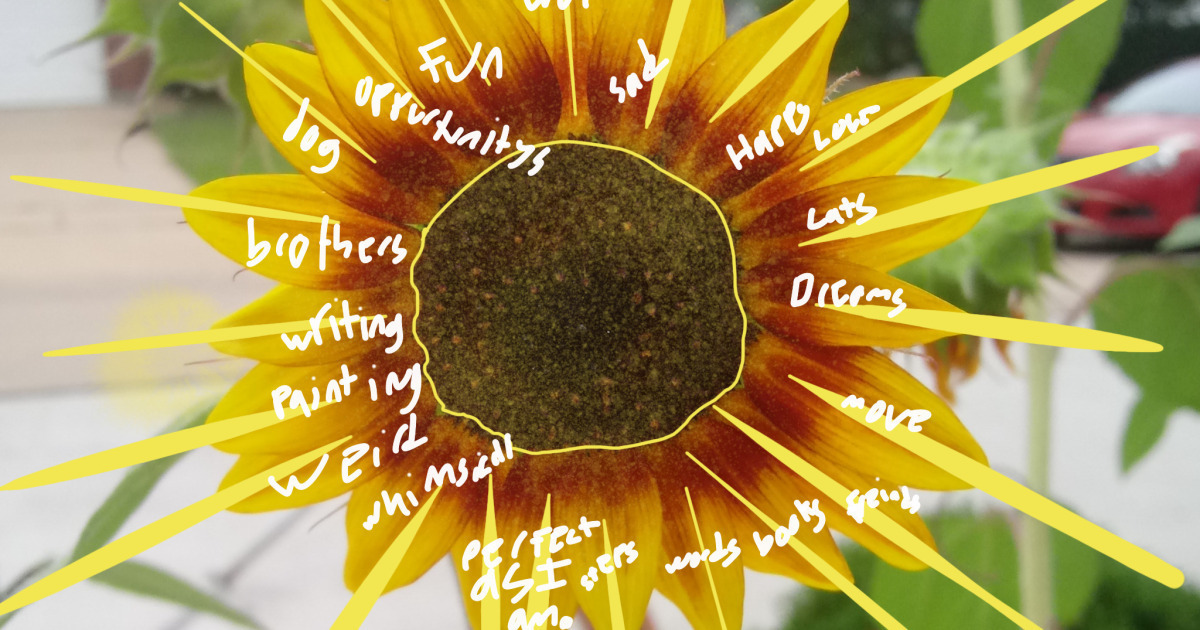
“Pandas, draw your life in one picture” sounds simple until you actually try it. Then your pencil freezes above the page like it just remembered every awkward haircut, every unfinished dream, every dramatic text message, every sandwich eaten over the sink, and every tiny miracle that somehow kept you going. One picture? For a whole life? That is not a drawing prompt. That is an emotional obstacle course wearing a cute little bamboo hat.
Still, that is exactly why the idea works. In online creative communities, especially spaces where people lovingly call each other “pandas,” prompts like this invite artists, doodlers, meme-makers, nervous beginners, and professional illustrators to compress their stories into one visual statement. The result can be funny, heartbreaking, chaotic, sweet, or all four at once. A single image can become a personal map: where you started, what chased you, what saved you, and what still makes your inner raccoon rummage through the emotional trash can at 2 a.m.
The phrase “Pandas, Draw Your Life In One Picture” also taps into something much bigger than a casual internet challenge. It belongs to the wider culture of visual storytelling, expressive art, autobiographical drawing, self-portraiture, visual journaling, and community art prompts. These are not new ideas. Humans have been turning life into images for thousands of years, from cave paintings and family portraits to comic strips, photo collages, sketchbooks, and digital illustrations posted from a phone while sitting in pajamas. The tools change. The urge stays the same: “Here is what being me feels like.”
Why Drawing Your Life Feels So Personal
Drawing your life in one picture forces you to choose. That is the sneaky genius of the prompt. You cannot include every birthday, heartbreak, friendship, lost sock, career pivot, favorite snack, and existential crisis. You have to decide what matters most. Is your life a mountain climb? A messy desk? A tiny boat in a huge storm? A panda calmly eating bamboo while the world burns behind it? Honestly, that last one may be the official mascot of adulthood.
Visual storytelling is powerful because images can hold contradiction. A sentence often moves in a line, but a picture can show many emotions at once. You can draw a bright sun over a lonely road. You can put a laughing character beside a shadow. You can make your childhood a small house in the corner and your future a door that is half-open. A good life-in-one-picture drawing does not need to be realistic. It needs to feel emotionally true.
This is why many people who say, “I can’t draw,” still respond strongly to this kind of prompt. The point is not museum-level technique. The point is selection, symbol, and honesty. A stick figure holding a cracked heart can say more than a perfectly shaded portrait with no feeling. A messy doodle of a person juggling rent, coffee, deadlines, and one suspiciously judgmental cat can be more relatable than a polished fantasy landscape. Art does not always need to impress. Sometimes it just needs to confess.
The Panda Problem: Cute Outside, Complicated Inside
The panda makes the prompt even more charming. In real life, giant pandas are known for their black-and-white appearance, bamboo-heavy diet, round bodies, and oddly universal ability to make humans say “aww” in public. Symbolically, they are perfect for a life-drawing challenge. They look simple at first glance: black, white, fluffy, snack-focused. But, like people, pandas are more complicated than their public image.
That contrast is useful for art. A panda can represent softness and survival. It can be adorable but stubborn. Calm but hungry. Clumsy but determined. A panda drawing its life in one picture might include bamboo for comfort, mountains for challenge, dark eye patches for tiredness, and a big round belly for all the feelings it never properly digested. In other words, the panda is not just cute decoration. It is a surprisingly good metaphor for modern life: trying to stay gentle in a world that keeps asking you to become a spreadsheet.
What Makes a “Life in One Picture” Drawing Work?
A successful drawing does not have to be crowded. In fact, some of the strongest pieces are beautifully simple. Imagine a small panda sitting between two doors: one labeled “what people expected” and one glowing with messy stars labeled “what I chose.” That image already tells a story. Or picture a panda carrying a backpack full of tiny objects: a book, a broken clock, a family photo, a paintbrush, a wilted flower, a concert ticket, and a key. Each object becomes a chapter.
The best visual autobiography usually includes three ingredients: a central character, meaningful symbols, and emotional contrast. The central character gives viewers someone to follow. The symbols provide depth. The contrast creates tension. Without tension, a life drawing becomes a résumé with doodles. With tension, it becomes a story.
1. A Central Character
The character can be you, a panda, a creature, a shadow, a child version of yourself, an older version of yourself, or even an object. Some people might draw themselves as a tree with roots in one place and branches reaching elsewhere. Others might draw a tiny astronaut floating through a galaxy of unfinished tasks. The character does not need to look like you. It needs to carry your emotional weight.
2. Meaningful Symbols
Symbols are the shortcuts of visual storytelling. A bridge can represent transition. A storm can represent grief or pressure. A ladder can suggest ambition. A broken mirror can show identity struggles. A bowl of noodles can represent home, comfort, or the fact that dinner is the only thing holding society together. When drawing your life in one picture, symbols let you say more with less.
3. Emotional Contrast
Life is rarely one mood. Even happy stories contain fear, and painful stories often contain absurd comedy. A strong picture allows both. Maybe half the page is bright and half is gray. Maybe the panda is smiling while standing in a tornado of bills, memories, and notifications. Maybe the background is chaotic, but the character is quietly planting one tiny seed. That contrast gives the viewer something to feel.
Why Online Art Prompts Bring People Together
Community art prompts work because they lower the barrier to participation. No one has to start from nothing. The prompt provides a shared doorway, and each person walks through it differently. One panda draws a funny comic about surviving school. Another draws a silent image about grief. Someone else posts a chaotic masterpiece featuring coffee, anxiety, pets, and a suspicious number of tabs open on a laptop. Suddenly, strangers recognize pieces of themselves in each other’s drawings.
This is the quiet magic of online creativity. A prompt can turn individual experience into collective understanding. People may come for the art, but they stay for the comments that say, “I felt this,” “Same,” or “Why is this literally me?” In a digital world that often rewards loud opinions and perfect images, a vulnerable drawing can feel refreshingly human. It says, “I am not presenting a brand. I am presenting a little emotional raccoon in a trench coat, doing its best.”
Drawing as Reflection, Not Perfection
There is a reason drawing, journaling, collage, and expressive creativity are often discussed in relation to reflection and well-being. Making an image can help people organize emotions that feel too tangled for ordinary language. This does not mean every doodle is therapy, and it does not replace professional support when someone needs it. But creative expression can be a useful tool for noticing patterns, naming feelings, and turning vague inner weather into something visible.
When people draw their lives, they often discover what they keep returning to. Maybe the drawing includes roads, which suggests movement. Maybe it includes walls, which suggests protection or isolation. Maybe it includes clocks, which suggests pressure, aging, regret, or the universal panic of realizing it is already Friday. The page becomes a mirror, but a gentler one than the bathroom mirror under fluorescent lighting, which frankly should be illegal after 10 p.m.
Drawing also gives permission to be imperfect. A written memoir may feel intimidating because words can sound too final. A drawing can be playful, symbolic, and open-ended. You can leave some areas blank. You can use exaggeration. You can make your fear look like a tiny gremlin with socks. That flexibility makes the life-in-one-picture prompt especially welcoming for beginners.
Specific Ideas for Drawing Your Life In One Picture
If you want to try the prompt, begin by choosing a structure. Think of it as the frame that holds your story. You do not have to draw from left to right like a timeline unless that feels natural. You can build your image around a map, a room, a tree, a backpack, a road, a weather system, a video game level, or a comic panel. The more personal the structure, the more memorable the picture becomes.
The Life Map
Draw your life as a map with landmarks. A mountain could represent a challenge you climbed. A river might represent change. A forest could stand for confusion. A small glowing city could represent the place you are trying to reach. Add tiny labels if you want, but do not over-explain. Let the image breathe.
The Room of Memories
Draw a room filled with objects from your life. Put your childhood in a toy box, your ambition on a desk, your fears under the bed, and your hope near the window. This format is great for people who think in details. It can also be funny. A pile of laundry labeled “personal growth” is painfully honest and deserves its own gallery wall.
The Panda Self-Portrait
Draw yourself as a panda surrounded by symbols. Maybe your panda wears headphones, holds a sketchbook, sits on a suitcase, or hides behind a bamboo forest of responsibilities. Use the panda’s black-and-white look to show contrast: public self versus private self, past versus future, fear versus courage.
The Weather Report
Draw your life as weather. A storm over one shoulder, sunlight over another, fog behind you, stars ahead. This approach works especially well for emotional stories because weather is instantly understandable. Everyone knows what it feels like to walk through rain and still keep going.
Why Simple Drawings Can Hit Harder Than Perfect Ones
In online culture, polished art often gets attention, but simple art often gets remembered. A clean, direct image can make viewers pause because it leaves space for their own memories. Think of a small panda sitting at a bus stop with a suitcase labeled “becoming myself.” That picture does not need a paragraph. The silence is part of the message.
Many memorable illustrations use restraint. They do not try to show every detail. They choose one strong metaphor and trust the viewer. This is a valuable lesson for anyone responding to “Pandas, draw your life in one picture.” You do not have to draw everything you have survived. You can draw the one image that explains how survival felt.
Experiences Related to “Pandas, Draw Your Life In One Picture”
The most relatable experience with this prompt begins with overconfidence. You see the challenge and think, “Easy. I know my life. I have been there the whole time.” Then you open a blank page and suddenly become a historian, therapist, comedian, detective, and confused raccoon all at once. What should go in the picture? The first day of school? The worst breakup? The job that changed everything? The pet that taught you unconditional love and also destroyed a couch? The tiny moment when you realized you were stronger than you thought?
That first hesitation is part of the experience. It reveals how rarely we look at life as a complete image. Most days, we experience life as errands, messages, meals, worries, and random songs stuck in our heads. A drawing prompt asks us to zoom out. From that distance, patterns appear. Maybe we notice we have drawn ourselves moving through doors again and again. Maybe we keep using birds, trains, oceans, or windows. Maybe our “one picture” is not about achievements at all but about learning how to stay soft after disappointment.
Another common experience is realizing that humor belongs in serious self-reflection. A life picture does not have to be solemn to be meaningful. Someone might draw a panda climbing a mountain while dragging a giant phone charger, three emotional support snacks, and a backpack labeled “minor inconveniences I treated like Greek tragedies.” That is funny, but it is also honest. Humor often tells the truth before we are brave enough to say it plainly.
People also experience surprise when others understand their drawing. A symbol that felt private may turn out to be universal. The tiny candle in the corner, the cracked road, the messy bedroom, the panda wearing a brave faceviewers recognize these things because they have lived versions of them. That recognition can feel comforting. It reminds us that while every life is specific, many emotions rhyme.
The prompt can also become a personal checkpoint. If you draw your life today and draw it again five years from now, the changes may be revealing. The old picture might show survival. The new one might show direction. Or the old one may be full of noise while the new one has more empty space, more peace, more sky. In that sense, “Pandas, Draw Your Life In One Picture” is not only an art challenge. It is a time capsule. It captures who you were when you picked up the pencil.
Perhaps the most important experience is acceptance. The finished drawing may not be beautiful in the way you imagined. It may be crooked, crowded, too simple, or accidentally shaped like a potato with emotional depth. That is fine. Life is rarely symmetrical. The value is in making something visible. You take the invisible mess of memory, hope, grief, ambition, love, fear, and snack preferences, and you place it on a page. That act alone can feel like saying, “This is my story. It is not perfect, but it is mine.”
Conclusion: One Picture, Many Truths
“Pandas, Draw Your Life In One Picture” is more than a cute prompt for creative people online. It is a compact invitation to reflect, simplify, laugh, and tell the truth visually. Whether the final image is a polished digital illustration, a pencil sketch, a comic, a collage, or a gloriously messy doodle, the point is not perfection. The point is meaning.
A single picture can hold childhood, change, loss, hope, identity, and humor. It can turn private feelings into shared recognition. It can help people see their own story from a new angle. And yes, it can absolutely include a panda eating bamboo in the corner while chaos unfolds, because sometimes that is the most accurate autobiography available.
So if you are a panda with a pencil, tablet, napkin, notebook, or suspiciously available receipt, try it. Draw your life in one picture. Make it honest. Make it weird. Make it yours. The world has enough perfect images. What it needs more of is true ones.