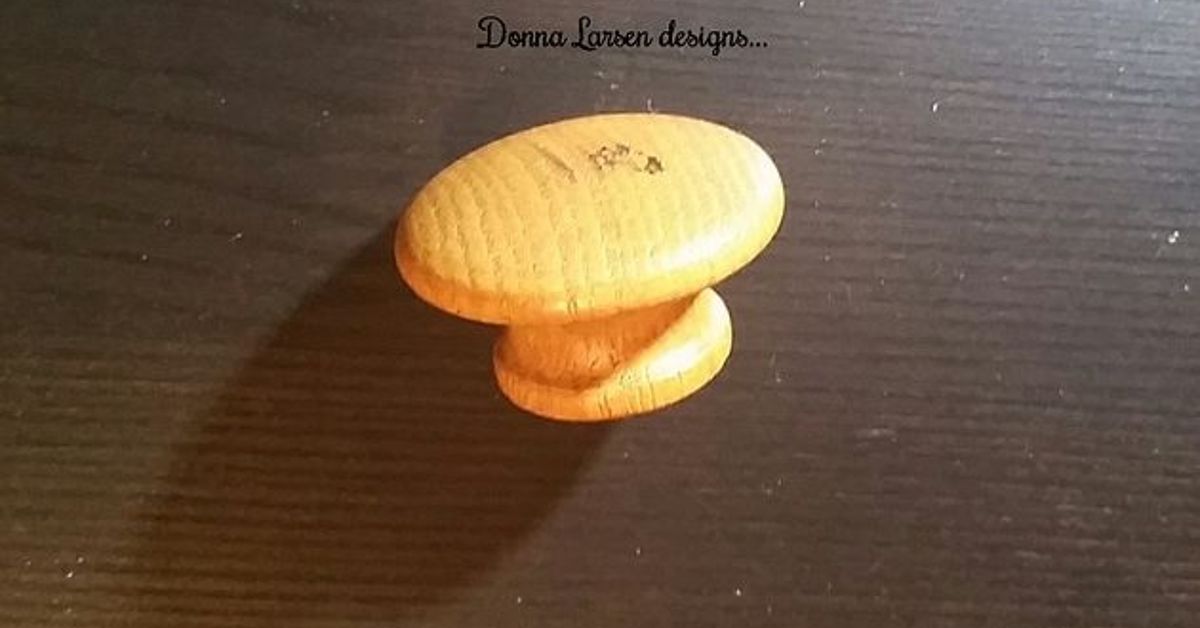
Painted wooden knobs are the tiny design detail that can make a plain dresser suddenly look intentional, a kitchen cabinet feel charming, or a thrift-store nightstand whisper, “Yes, I have been to a boutique.” They are small, inexpensive, easy to customize, and surprisingly powerful in a room makeover. If furniture had jewelry, painted wooden knobs would be the earrings: simple, expressive, and capable of changing the whole outfit.
Whether you want soft cottage-style drawer knobs, bold modern cabinet hardware, playful nursery furniture, or hand-painted wooden knobs with flowers, stripes, dots, or geometric patterns, this project is friendly to beginners and satisfying for experienced DIYers. The secret is not artistic perfection. The secret is preparation, the right paint, patient drying time, and a protective topcoat that keeps your masterpiece from turning into a sticky fingerprint museum.
Why Painted Wooden Knobs Are Worth the Effort
Wooden knobs are naturally warm, lightweight, and easy to paint. Unlike slick metal or glass hardware, unfinished wood has a porous surface that accepts primer and paint beautifully when prepared correctly. That makes wood knobs perfect for DIY cabinet knobs, painted drawer pulls, craft projects, furniture flips, and budget-friendly home updates.
A set of painted wooden knobs can also help tie together a room’s color palette. For example, navy knobs on a white dresser create a crisp coastal look. Sage green knobs on natural pine add a calm farmhouse feel. Terracotta or mustard knobs can bring warmth to neutral cabinets. And if your design style is “I own five paint samples and refuse to apologize,” wooden knobs are ready for experimentation.
Best Places to Use Painted Wooden Knobs
Dressers and Nightstands
Painted wood drawer knobs are excellent for bedroom furniture because they add personality without overwhelming the piece. A plain white dresser can become cheerful with pastel knobs, elegant with matte black knobs, or whimsical with hand-painted flowers. For children’s rooms, wooden knobs can be painted with stars, animals, rainbows, initials, or color-coded patterns.
Kitchen and Bathroom Cabinets
Painted wooden cabinet knobs can refresh cabinets without a full renovation. However, kitchens and bathrooms are high-touch areas, so durability matters. Choose cabinet-grade paint or a tough acrylic enamel, then seal the knobs with a water-based protective finish. In humid rooms, avoid leaving raw wood exposed, because moisture is not a gentle houseguest.
Craft Furniture and Storage Pieces
Small storage drawers, craft cabinets, entryway benches, toy chests, and mudroom cubbies are perfect candidates for painted knobs. These are the pieces where you can be playful: color-blocked knobs, polka dots, metallic accents, ombré effects, or tiny labels painted directly onto the face of each knob.
Choosing the Right Wooden Knobs
The best wooden knobs for painting are unfinished, smooth, and free from deep cracks or oily residue. Birch, maple, beech, pine, and rubberwood knobs are common choices. Round mushroom knobs are the easiest to paint because they have soft curves and a simple shape. Flat-front knobs are better if you want to paint small illustrations, lettering, or patterns.
Before buying, check the diameter, projection, and screw size. Most cabinet knobs use a single screw, but screw length can vary depending on the thickness of your drawer or cabinet door. If the screw is too short, the knob will wobble. If it is too long, it will poke out like a tiny hardware-related betrayal.
Supplies You Need
- Unfinished or lightly sanded wooden knobs
- Fine-grit sandpaper, usually 180 to 220 grit
- Tack cloth or lint-free microfiber cloth
- Primer, gesso, or wood sealer
- Acrylic craft paint, latex paint, cabinet paint, chalk paint, or enamel paint
- Small artist brushes, foam brushes, or spray paint
- Wood skewers, cardboard, or a scrap board for drying
- Clear protective topcoat such as water-based polyurethane, polycrylic, clear acrylic sealer, or craft sealer
- Screwdriver and matching screws
How to Paint Wooden Knobs Step by Step
Step 1: Remove the Knobs
If the knobs are already attached to furniture, remove them before painting. Painting hardware while it is still on the drawer may seem faster, but it usually creates drips, stuck edges, uneven coverage, and a final result that says, “I was in a hurry and the drawer knows it.” Place screws in a small cup or labeled bag so they do not disappear into the mysterious dimension where tiny hardware goes.
Step 2: Clean the Surface
Even unfinished wood can collect dust, oils, or packaging residue. Wipe each knob with a dry or slightly damp lint-free cloth. If the knobs are old, clean them more thoroughly and let them dry completely. Do not soak wooden knobs in water, because wood can swell, crack, or become rough.
Step 3: Sand Lightly
Light sanding helps paint adhere and removes rough spots. Use 180- to 220-grit sandpaper and sand with gentle pressure. You do not need to reshape the knob; you only need to smooth the surface. After sanding, wipe away every bit of dust. Dust under paint creates bumps, and bumps on tiny knobs are much more noticeable than they have any right to be.
Step 4: Prime or Seal the Wood
Wood is porous, so primer matters. Without primer, the first coat of paint may soak in unevenly, making the color look dull or patchy. A clear wood sealer, gesso, bonding primer, or craft primer gives the paint a smoother base. For dark knots or stained wood, use a stain-blocking primer to prevent discoloration from bleeding through the paint.
Step 5: Paint in Thin Coats
Apply paint in thin, even coats. Thick coats may look satisfying for the first seven seconds, then they drip, wrinkle, or cure poorly. Acrylic craft paint works well for decorative knobs and hand-painted details. Cabinet and furniture paint is better for knobs that will be touched every day. Spray paint can create a smooth finish, but it should be used in a well-ventilated area and applied in light passes.
Let each coat dry before adding another. Acrylic and latex paints often feel dry within an hour, but recoat times vary by product, temperature, humidity, and thickness. Always follow the paint label. Patience is not glamorous, but neither is peeling paint.
Step 6: Add Decorative Details
Once the base color is dry, you can add designs. Try white dots on navy knobs, black stripes on natural wood, tiny leaves on sage green, gold accents on blush pink, or a simple monogram. Use a fine detail brush, paint pen, stencil, or painter’s tape. For a modern look, paint half the knob in one color and leave the other half natural, then seal the entire piece.
Step 7: Seal the Finish
A protective topcoat is essential for painted wooden knobs, especially on drawers and cabinets used daily. Water-based polyurethane, polycrylic, or clear acrylic sealer protects the paint from fingerprints, scratches, and moisture. Choose matte for a soft handmade look, satin for gentle sheen, or gloss for bright color and easy wiping. Oil-based topcoats can yellow over light paint, so water-based finishes are usually safer for white, pastel, and cool-toned knobs.
Step 8: Let the Knobs Cure
Dry and cured are not the same thing. A knob can feel dry to the touch but still be soft underneath. Let painted knobs cure for several days before reinstalling if possible. For heavy-use areas like kitchens, longer curing time gives the finish better strength. Place knobs upright on skewers, a scrap board, or cardboard so the finish dries evenly.
Paint Ideas for Wooden Knobs
Classic Solid Colors
Solid painted wooden knobs are clean, simple, and easy to match. Matte black adds contrast to light cabinets. White knobs soften colorful furniture. Navy, forest green, charcoal, and warm taupe feel timeless. If you are unsure, pick a color already present in the room, such as a rug, curtain, lampshade, or piece of art.
Two-Tone Knobs
Two-tone painted knobs look custom without requiring advanced painting skills. Paint the base one color and the front another, or divide the knob diagonally with painter’s tape. Natural wood paired with white, black, sage, or terracotta creates a stylish handmade look.
Floral and Botanical Designs
Hand-painted wooden knobs with flowers, leaves, vines, or tiny berries work beautifully on cottage, vintage, and nursery furniture. Keep the background simple so the details stand out. A cream base with blue flowers, a blush base with white daisies, or a soft green base with darker leaves can make a basic dresser feel one-of-a-kind.
Metallic Accents
Gold, bronze, copper, and silver accents make painted wooden knobs look more polished. Use metallic paint sparingly around the edge, as a center dot, or as a small pattern. Too much metallic paint can look flashy; just enough looks intentional.
Distressed or Vintage Finish
For farmhouse or shabby-chic furniture, paint the knob, let it dry, then lightly sand the edges to reveal a bit of wood underneath. Seal the knob afterward to protect the distressed finish. This technique works best with chalk paint, milk paint, or matte acrylic paint.
Common Mistakes to Avoid
Skipping Primer
Skipping primer is the fastest way to get uneven color and weak adhesion. Painted wooden knobs are small, but they are touched constantly. Primer helps the paint grip the wood and gives your color a cleaner finish.
Using Too Much Paint
Heavy coats create drips around the base and edges. Use thin coats and rotate the knob while painting. If you are spray painting, keep the can moving and avoid blasting the knob from close range.
Reinstalling Too Soon
If you reinstall knobs before the finish cures, fingerprints and dents can become permanent. Give the paint and topcoat enough time to harden. Your future self, opening a drawer with clean, smooth knobs, will be grateful.
Ignoring Safety on Old Furniture
If you are refinishing antique or older painted furniture, be cautious. Furniture or surfaces painted before 1978 may contain lead-based paint. Avoid dry sanding unknown old paint. Use proper testing, containment, protective equipment, and safe cleanup methods, or consult a certified professional when needed.
How to Clean Painted Wooden Knobs
Clean painted wood knobs gently with a soft damp cloth and mild soap if necessary. Avoid abrasive pads, harsh solvents, ammonia-heavy cleaners, or rubbing alcohol, because they can dull or damage the protective topcoat. For kitchen knobs, wipe them regularly to remove grease before it builds up. If a knob gets chipped, lightly sand the damaged spot, repaint, reseal, and let it cure.
Are Painted Wooden Knobs Durable?
Yes, painted wooden knobs can be durable when they are properly prepared and sealed. The durability depends on the wood quality, primer, paint type, topcoat, curing time, and daily use. A decorative knob on a guest-room dresser may stay perfect for years. A painted knob on a busy kitchen drawer will need a tougher finish and may eventually require touch-ups.
For maximum durability, choose cabinet-grade enamel or high-quality acrylic paint, apply multiple thin coats, seal with a protective topcoat, and avoid using the knob until it has cured. In other words, treat the tiny knob like a real project, not like a five-minute craft ambush.
Real-Life Experience: What Painted Wooden Knobs Teach You
The first thing you learn from painting wooden knobs is that small projects are not always quick projects. They look tiny, innocent, and completely harmless sitting on your worktable. Then you realize each knob has a top, sides, base, screw hole, drying angle, and a talent for rolling away at the exact wrong moment. A smart setup makes the whole process easier. One of the best tricks is to screw each knob into a scrap piece of cardboard or wood before painting. That way, you can rotate the knob without touching the wet surface, and it will stand upright while drying like a very proud mushroom.
In a bedroom makeover, painted wooden knobs can save a piece of furniture that feels outdated but is still structurally solid. Imagine a honey-oak dresser with good drawers but zero personality. Sand the old knobs, prime them, paint them soft matte black, and suddenly the dresser looks more modern. Paint them dusty blue, and the same dresser leans coastal. Paint them cream with small floral details, and it feels vintage. The furniture did not change much, but the mood did. That is the magic of hardware: it is small enough to be affordable and visible enough to matter.
Another lesson is that color looks different on knobs than it does on a flat wall. A bold paint sample that seems loud on a cabinet door may look charming on a one-inch knob. This is why painted wooden knobs are a great place to try colors you love but fear in larger doses. Coral, teal, mustard, emerald, lavender, and cobalt can all work beautifully as accents. If the color feels too strong, use it only on the front face and paint the sides neutral.
Hand-painted details also do not need to be perfect. In fact, slightly imperfect dots, leaves, and lines often make the knobs feel warmer and more handmade. A row of identical factory-perfect knobs can look nice, but a set of painted wooden knobs with tiny variations has character. The key is consistency in the overall palette. If every knob uses the same three colors, small differences in brushwork look charming instead of chaotic.
The biggest practical experience is that sealing matters more than beginners expect. Unsealed painted knobs can look beautiful for a week and then begin to show fingerprints, scratches, or dull spots. A clear topcoat adds depth, protection, and a smoother feel in the hand. For daily-use furniture, two or three thin coats of protective finish are better than one thick coat. Let each coat dry, sand very lightly if the surface feels rough, and resist the urge to reinstall too early.
Painted wooden knobs are also a great family-friendly project when handled safely. Kids can help choose colors or paint simple patterns on knobs for toy storage, desks, or craft drawers. Adults should handle sanding, spray products, strong primers, and sealing. The finished knobs can make children feel involved in decorating their own space, which may or may not convince them to put things back in the correct drawer. No promises. Paint is powerful, but it is not wizardry.
Ultimately, painted wooden knobs prove that home updates do not have to be expensive, dramatic, or demolition-adjacent. Sometimes the most satisfying project is a small one done well. Clean the wood, sand it smooth, prime it properly, paint with care, seal it patiently, and reinstall it proudly. Every time you open that drawer, you get a tiny reminder that creativity can live in the details.
Conclusion
Painted wooden knobs are one of the easiest ways to personalize furniture, refresh cabinets, and bring color into a room without committing to a full makeover. With the right preparation, paint, and protective finish, simple wood knobs can become durable, stylish, and completely custom. Whether you prefer modern matte colors, vintage distressed finishes, playful patterns, or delicate hand-painted designs, this project proves that small details can carry big design energy.
Note: Always follow the instructions on your specific primer, paint, and sealer. For older painted furniture, test for lead-based paint or use lead-safe practices before sanding or refinishing.