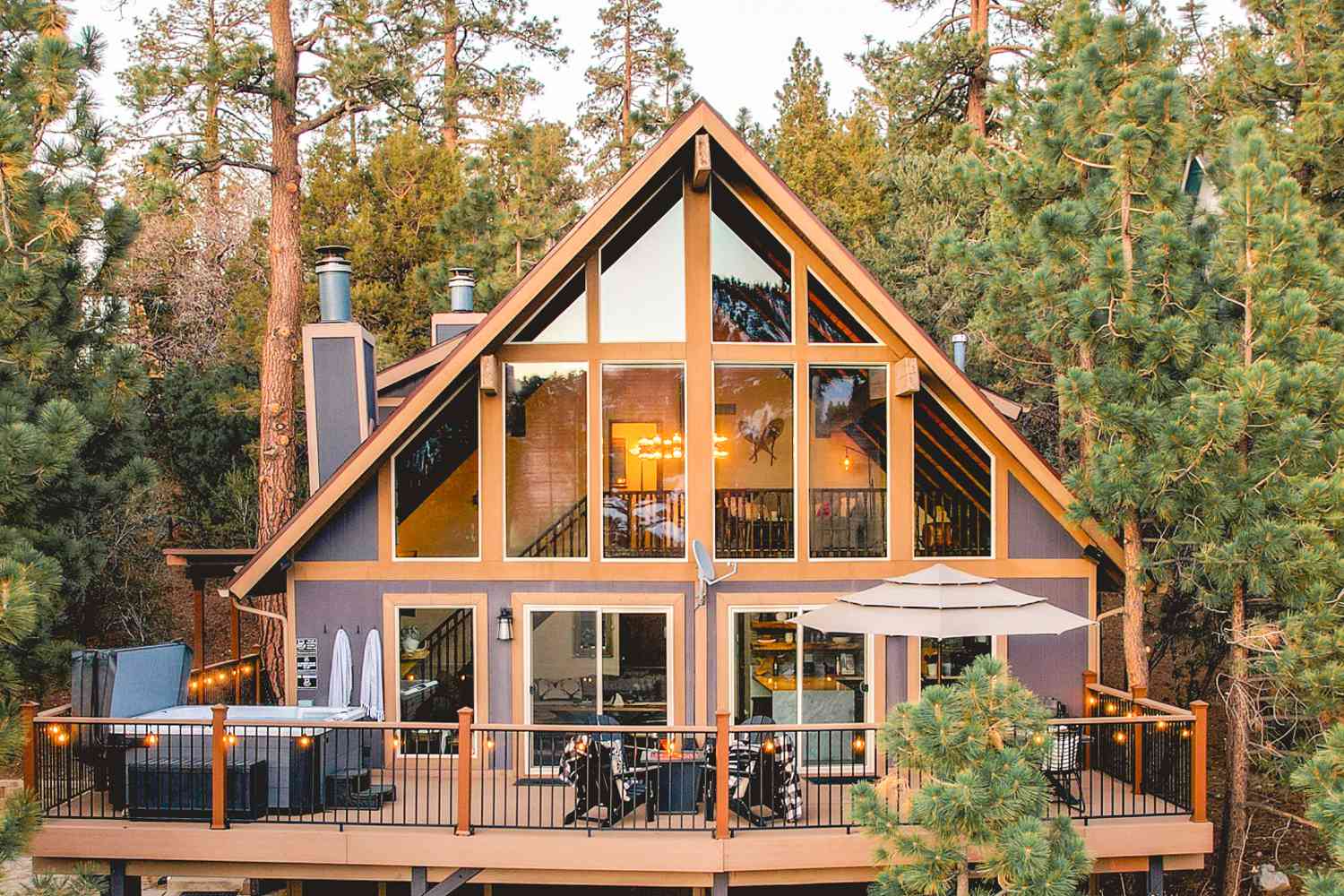
If a regular house is a nice handshake, an A-frame is a dramatic entrance. It walks into the room with soaring ceilings, sharp angles, and enough visual personality to make plain drywall feel underdressed. But while A-frame homes are undeniably charming, decorating them is not always as simple as tossing in a couch and calling it “rustic.” Sloped walls, limited vertical surfaces, and quirky loft spaces can turn a dream cabin into a geometry quiz.
The good news? Those same features are what make an A-frame interior unforgettable. With the right layout, color palette, furniture scale, and storage tricks, an A-frame can feel bright, cozy, stylish, and surprisingly functional. Whether you love modern cabin style, Scandinavian simplicity, or a warm lived-in look that says “yes, I do own too many throw blankets,” these ideas will help you make the most of every inch.
Below, you’ll find 16 A-frame house interior ideas that balance beauty and practicality. Some are design moves that instantly make the home feel bigger. Others solve classic A-frame headaches like awkward corners, missing wall space, and storage that seems to vanish into thin air. Together, they create the kind of A-frame cabin interior that feels less like a challenge and more like a love letter to good design.
1. Let the Vaulted Ceiling Steal the Show
The first rule of A-frame decorating is simple: stop fighting the architecture. The soaring ceiling is the star, so let it act like one. Avoid cluttering the upper visual field with too many tiny accessories or heavy beams of competing decor. A dramatic pendant light, exposed wood planks, or a clean run of white-painted rafters can emphasize height and make the room feel open, airy, and intentional. When your home already has a built-in wow factor, you do not need to audition ten extra ones.
2. Use Low-Profile Furniture to Make the Room Feel Taller
One of the smartest A-frame house interior ideas is to keep furniture visually low. Sofas with shorter backs, platform beds, and streamlined chairs leave more open sightline above them, which makes the ceiling look even more impressive. This trick works especially well in great rooms and loft bedrooms where every inch of vertical drama counts. The room feels less crowded, the angles breathe a little easier, and suddenly your living area looks like it drank a green juice and got its life together.
3. Paint Strategically, Not Automatically
Wood-clad A-frames are gorgeous, but wall-to-wall honey pine can sometimes make the interior feel dark or visually heavy. A strategic paint plan can fix that fast. Many homeowners keep the ceiling or beams exposed while painting some walls soft white, warm cream, muted greige, or pale sage. That mix preserves the cabin character while bouncing light around the room. If you love darker interiors, try moody green, charcoal, or deep brown as an accent rather than coating every surface like you are trying to decorate the inside of a coffee bean.
4. Choose a Modern Rustic Palette
The most appealing A-frame cabin interior designs often blend rustic warmth with modern restraint. Think natural wood, black metal, stone, oatmeal linen, olive green, rust, and soft ivory. This approach keeps the space cozy without turning it into a lumberjack costume party. A modern rustic palette also helps the architecture feel current, especially if your A-frame was built decades ago. The result is a home that feels rooted in nature but polished enough to host adults who use words like “curated” without irony.
5. Turn the Window Wall Into a Focal Point
Many A-frames feature a dramatic wall of glass, and that is not just a nice detail. It is the design event. Arrange seating to face the view, not away from it. Use minimal window treatments if privacy allows, and avoid blocking the glazing with bulky furniture. A pair of chairs, a simple dining table, or a reading bench placed nearby can transform the window wall into the emotional center of the home. When the outdoors is doing that much heavy lifting, your decor can relax a little.
6. Build Around the Loft Instead of Treating It Like an Afterthought
Lofts are classic in A-frame homes, but they work best when they feel integrated into the design. Instead of turning the loft into a random mattress zone with one lonely lamp, define its purpose clearly. It can become a guest room, reading nook, office, movie den, or overflow sleeping area. Add a railing with character, layered textiles, and lighting that makes the space feel deliberate. A well-designed loft does double duty: it adds function and gives the entire house that cozy, tucked-away feeling people secretly want from cabin life.
7. Make Awkward Corners Earn Their Keep
Sloped walls create odd little zones, but those spaces are not useless. They are just misunderstood. Use the low perimeter for drawers, closed cabinets, bookshelves, pet beds, or custom benches. Even a shallow ledge can hold baskets, plants, or stacked books. In bedrooms, knee-wall storage is especially helpful for hiding linens, luggage, and off-season clothes. In an A-frame, the trick is not wishing for standard walls. It is teaching the weird corners to contribute to rent.
8. Add Built-Ins Wherever You Can
Freestanding furniture can leave frustrating gaps in an A-frame, especially under the slope of the roof. Built-ins solve that problem beautifully. Banquette seating, wall-to-wall shelving, under-stair drawers, custom wardrobes, and window benches can squeeze function into places where ordinary furniture gives up. They also create a cleaner, more tailored look. If you are working with a small footprint, built-ins are not just a nice extra. They are the design equivalent of rolling up your sleeves and getting things done.
9. Keep the Kitchen Open and Hardworking
An A-frame kitchen needs to be efficient, but efficient does not have to mean boring. Open shelving, compact islands, slim cabinetry, and smart lighting can make even a modest kitchen feel inviting. If your floor plan is tight, choose visually light finishes that connect the kitchen to the living area rather than chopping it into pieces. Wood cabinets paired with stone counters, matte black fixtures, or earthy tile often look especially good in this architecture. A great A-frame kitchen should feel like it is ready for pancakes, wine, and weather talk.
10. Layer Textiles to Balance All the Hard Surfaces
A-frame interiors often feature a lot of wood, glass, and angular lines. That is exactly why soft materials matter so much. Layer rugs, throws, pillows, curtains, and upholstered seating to keep the home from feeling visually sharp. Boucle, wool, linen, leather, and chunky knits all work beautifully in modern cabin style. These textiles also help with acoustics, which matters in open spaces with high ceilings. In other words, a good throw blanket is not just cozy. It is practically public service.
11. Use Lighting in Layers, Not in Panic
Many A-frames look magical at sunset and slightly confused after dark. The fix is layered lighting. Combine pendants, sconces, table lamps, floor lamps, and under-cabinet lighting so the space feels warm from every angle. Avoid relying on a single overhead fixture that leaves the corners gloomy and the center overly bright. A-frame homes benefit from pools of light that guide the eye and soften the architecture at night. Good lighting makes the house feel expensive, intentional, and less like you are camping indoors with better plumbing.
12. Bring in Natural Materials Beyond Wood
Wood may be the headline act, but supporting materials matter too. Stone fireplaces, leather dining chairs, linen curtains, jute rugs, ceramic lamps, and iron hardware add depth and keep the interior from becoming one long wooden sentence. Mixing textures also makes the space feel more collected over time. The goal is a layered, grounded environment that reflects the landscape outside. If your A-frame is in the mountains, woods, or near a lake, natural materials help the interior feel connected to its setting instead of floating in design limbo.
13. Create a Fireplace Moment
If your A-frame has a fireplace, celebrate it like the architectural celebrity it is. Make it the anchor of the living room with comfortable seating, a substantial rug, and a simple mantel or hearth styling plan. If you do not have a fireplace, you can still create that same sense of warmth with a woodstove, faux hearth styling, or a dramatic focal wall. A-frame homes thrive on cozy gathering points. Every beautiful cabin interior needs one place that silently says, “Sit down, stay awhile, and yes, another cup of coffee is an excellent idea.”
14. Use Large Art and Fewer Accessories
Because A-frames often have limited flat wall space, every decorative choice has to pull its weight. That is why fewer, larger pieces usually work better than lots of tiny decor. Oversized art, vintage skis, a textile hanging, or a sculptural mirror can make a stronger statement than a collection of miniature frames fighting for survival on angled walls. Edit aggressively. Let each object have breathing room. Your home should feel thoughtfully styled, not like a gift shop had an emotional moment and exploded.
15. Design the Bedroom for Calm, Not Clutter
A-frame bedrooms can be incredibly cozy, especially when tucked under the roofline, but they need restraint. Choose a simple bed, soft bedding, compact nightstands, and limited decor. Wall-mounted sconces are often better than bulky lamps, and under-bed storage can do a lot of behind-the-scenes work. If ceiling height is limited, lean into the snugness with layered fabrics and warm color. The best A-frame bedroom ideas understand that “small and cozy” is a mood. “Small and chaotic” is a cry for help.
16. Blend Personality With Practicality
The most inspiring A-frame house interiors are not the ones that look copied from a catalog. They are the ones that reflect how people actually live. Vintage finds, family heirlooms, handmade pottery, travel art, retro lighting, and books give the home soul. The practical half of the equation is just as important: hidden storage, durable finishes, washable fabrics, and furniture that can multitask. When personality and function work together, the space feels warm, believable, and lived in. That is the secret sauce every memorable A-frame decor plan needs.
Why These A-Frame Interior Ideas Work
Designing an A-frame well is really about understanding tension. You want openness, but you also need comfort. You want drama, but not visual chaos. You want the architecture to shine, but you still need everyday practicality like storage, lighting, and places to set your coffee without risking a floor-level tragedy. The best interiors respect the home’s triangular bones while smoothing out its quirks through smart planning.
That is why the strongest A-frame cabin interior ideas almost always return to the same principles: keep furniture scaled appropriately, let the light in, use every awkward inch with intention, and soften the architecture with texture. Once you do that, the home stops feeling tricky and starts feeling special. Very special. The kind of special that makes guests say, “Wow, this is amazing,” while mentally browsing real estate listings before dessert.
Experience and Inspiration: What Living With These Ideas Actually Feels Like
Here is the part glossy inspiration photos do not always explain: a great A-frame interior is not just about how it looks at 2:00 p.m. on a sunny day. It is about how it feels early in the morning when light starts pouring through the tall windows, how it holds a conversation at night when lamps are glowing and the ceiling disappears into shadow, and how it supports real life when there are shoes by the door, a half-read novel on the bench, and someone making soup in the kitchen. The magic of an A-frame is emotional as much as visual.
When these ideas come together, the home feels taller without feeling cold, smaller without feeling cramped, and stylish without becoming too precious to actually enjoy. A low sofa under a soaring ceiling creates a sense of relief. A bench tucked beneath a sloped wall suddenly becomes the best seat in the house. A loft with layered bedding and one good reading light feels like a hideaway adults secretly want more than kids do. Even storage becomes satisfying when drawers disappear into the eaves and clutter stops staging a public performance in the living room.
There is also something deeply calming about an A-frame interior that embraces natural materials and a restrained palette. Wood, stone, linen, leather, and warm metals make the space feel grounded, especially when the view outside is full of trees, mountains, water, or weather with a little personality. The architecture invites you to notice the outdoors. The interior should support that experience, not compete with it. When the design is working, you feel connected to the setting even while standing barefoot indoors, deciding whether coffee counts as breakfast. It does. We are all friends here.
Many homeowners discover that the best A-frame style is not purely rustic and not purely modern. It lives somewhere in the happy middle. Clean lines make the home feel fresh, while vintage pieces and handmade details stop it from feeling sterile. A black metal sconce against knotty wood. A nubby cream sofa beside a rugged stone hearth. A sleek kitchen with open shelves and old ceramic mugs. Those combinations are what make the house memorable. They also make it easier to evolve over time, which matters because real homes grow and change right along with the people inside them.
If you are decorating your own cabin or planning a renovation, the most valuable lesson is this: do not aim for perfection; aim for rhythm. Let the eye move easily from the windows to the hearth, from the main room to the loft, from the sturdy built-ins to the softer layers that make the space inviting. In a successful A-frame, every choice supports the architecture instead of arguing with it. The result is not just a pretty room. It is a place that feels unmistakably like an escape, even on an ordinary Tuesday when you are answering emails in wool socks and pretending that counts as woodland living.
Conclusion
The beauty of an A-frame house interior is that it does not need endless square footage to feel remarkable. It needs thoughtful choices. Embrace the height, use the slopes wisely, edit your decor, and lean into warmth through texture, light, and natural materials. Whether your style is modern rustic, Scandinavian-inspired, vintage cabin, or a little bit of everything you have ever pinned at midnight, these 16 ideas can help you shape a home that feels both inspiring and livable.
And that is really the whole point. An A-frame should not just look good in photos. It should feel good when you walk in, drop your bag, and exhale. If your space can do that while also making guests wildly jealous in a polite way, congratulations. You have nailed it.