Note: This article is written for web publishing in standard American English and is based on real product information, cleaning guidance, and home-care best practices.
Why Hay Market Feather Dusters Still Deserve Attention
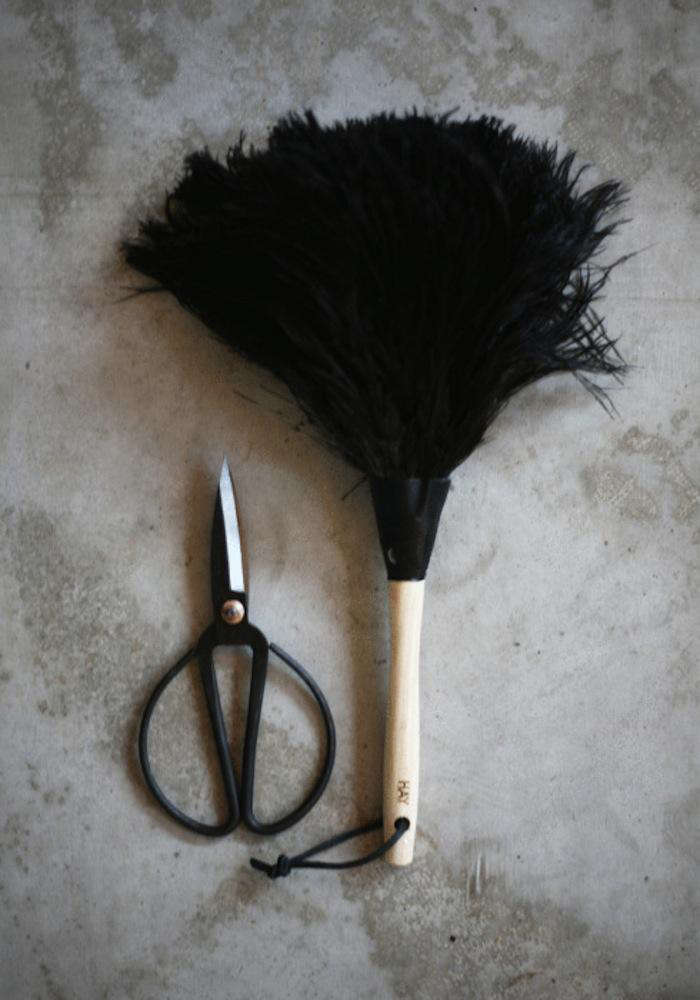
Some household tools quietly disappear into cabinets, while others earn a strange little fan club. The Hay Market Feather Dusters belong to the second group. They are not flashy in the way a robotic vacuum is flashy. They do not beep, map your living room, or send you a notification saying, “Congratulations, I found a crumb.” Instead, they represent a slower, more tactile idea of cleaning: a finely made duster with natural ostrich feathers and an untreated pinewood handle, designed to remove everyday dust and cobwebs without turning the task into a wrestling match.
The product was associated with HAY, the Danish design brand known for making practical home objects feel more thoughtful, cheerful, and design-forward. The Hay Market Feather Dusters were once sold through curated design retailers and were described as feather dusters made from fine ostrich feathers with untreated pinewood handles. They came in two sizes, offering options for regular dusting and reaching higher areas such as ceilings and corners. Although the specific item has been discontinued, its design still tells us a lot about what makes a good feather duster worth considering.
In a world full of disposable cleaning pads and synthetic dusting gadgets, the Hay Market Feather Dusters stand out because they treat a cleaning tool like an object you might actually want to see. That is not a small thing. If a duster looks good enough to hang on a hook, you are more likely to use it. If it feels pleasant in your hand, you are more likely to dust before the bookshelf starts looking like it belongs in an abandoned mansion.
What Makes a Feather Duster Different?
A traditional feather duster is built around softness, flexibility, and reach. Unlike a stiff brush, it can glide around delicate objects, picture frames, lampshades, books, shelves, and decorative pieces without bumping everything like a clumsy guest at a dinner party. Ostrich feathers are especially valued because they are soft, full, and naturally suited for light dusting on fragile surfaces.
The tiny fibers along each feather help gather light dust from uneven surfaces and small crevices. That makes a feather duster useful for areas where a cloth would require too much pressure or too much item-by-item moving. Think carved wood, open shelving, framed art, plant leaves, narrow molding, lamps, mirror edges, and those mysterious high corners where cobwebs appear as if spiders are paying rent.
Still, a feather duster is not magic. It is best for dry, light, routine dusting. For heavy buildup, greasy kitchen dust, allergens, or surfaces that need sanitation, a damp microfiber cloth or vacuum attachment is usually more effective. The smart approach is not “feather duster versus microfiber” as if the cleaning closet were hosting a boxing match. The smart approach is using each tool where it performs best.
The Design Appeal of Hay Market Feather Dusters
HAY has built its reputation around accessible, modern design for everyday living. The brand’s products often combine simple forms, practical materials, and a touch of visual wit. The Hay Market Feather Dusters fit that philosophy beautifully. They were not trying to reinvent dusting with unnecessary technology. They simply elevated a familiar tool through better materials and cleaner design.
Fine Ostrich Feathers
The use of ostrich feathers gave the duster its signature softness and volume. Fine feathers are helpful for cleaning delicate items because they bend easily and reduce the chance of scratching surfaces. This matters when dusting framed photographs, ceramic vases, decorative bowls, collectibles, books, and light fixtures.
Untreated Pinewood Handle
The untreated pinewood handle added a natural, utilitarian quality. Pinewood is lightweight, comfortable, and visually warm. Unlike glossy plastic handles, untreated wood develops character over time. It feels more like a workshop tool than a disposable accessory. That natural look also aligns with the broader trend toward home tools that are practical enough for chores but attractive enough to leave out.
Two Practical Sizes
The original product information noted that the duster came in two sizes. This is more important than it sounds. A shorter feather duster is easier to control for shelves, picture frames, electronics, and tabletop objects. A longer one is useful for ceiling corners, curtain rods, tall cabinets, and cobwebs. In other words, one size handles the “polite dust,” and the other handles the “how did that get up there?” dust.
Best Uses for Hay Market Feather Dusters
A feather duster works best when you use it for the jobs it was born to do. It should not be expected to scrub a stovetop, clean sticky fingerprints, or remove grime from a bathroom vent. That is asking a ballerina to move a refrigerator. But for light, frequent dusting, a well-made ostrich feather duster can be wonderfully efficient.
Bookshelves and Display Shelves
Bookshelves collect dust quickly, especially along the tops of books and decorative objects. A feather duster can move across uneven rows without requiring you to remove every item. For deep cleaning, you should occasionally take everything down and wipe the shelf with a damp cloth. For weekly maintenance, a feather duster keeps the situation civilized.
Ceiling Corners and Cobwebs
The Hay Market Feather Dusters were specifically described as useful for removing cobwebs on ceilings. This is one of the classic reasons to own a longer feather duster. It reaches corners without requiring a step stool for every little web. Your ceiling gets cleaned, and you avoid performing accidental acrobatics in socks.
Lampshades and Light Fixtures
Lampshades are dust magnets, but many are too delicate for aggressive wiping. A soft feather duster can remove surface dust with minimal pressure. For fabric shades with heavier buildup, a lint roller or vacuum brush attachment may be better, but for routine maintenance, feathers are gentle and fast.
Framed Art, Mirrors, and Decorative Objects
Dusting around picture frames and mirrors can be annoying because cloths tend to catch on corners. A feather duster slides around edges and small details more easily. It is also helpful around ceramics, candlesticks, glassware, and small sculptures, especially when you do not want to pick up each object individually.
Plants and Natural Decor
Houseplant leaves, dried arrangements, baskets, and woven trays can all collect dust. A feather duster can gently freshen these surfaces without flattening textures or leaving moisture behind. For broad, glossy plant leaves, a damp cloth may still be the better choice, but feathers are useful for delicate or textured greenery.
How to Use a Feather Duster the Right Way
The biggest mistake people make with feather dusters is waving them around like they are conducting an orchestra during a thunderstorm. That sends dust into the air instead of guiding it away. The correct technique is slower, lighter, and more controlled.
Start High and Work Down
Dust falls. This is one of the few household laws as reliable as “someone will spill coffee five minutes after you clean the counter.” Start with ceiling corners, high shelves, curtain rods, and tall furniture. Then move to mid-level surfaces, and finish with lower shelves and floors. Vacuum or mop afterward so any fallen dust is removed instead of redistributed.
Use Light Strokes
Let the feathers do the work. Pressing too hard can bend or damage the plume and may push dust around. Light contact is usually enough for dry surface dust. For delicate objects, use small strokes and avoid forcing the feathers into tight spaces where they might break.
Shake It Outside
After dusting, take the feather duster outdoors and shake it gently but firmly. This releases loose dust before the next use. Do not smack it against a wall or railing like you are trying to discipline it. A good duster should be treated with a little respect.
Follow With a Better Tool When Needed
If someone in the home has allergies or asthma, do not rely only on a feather duster. Health and indoor air guidance commonly recommends damp dusting, regular vacuuming, and tools that trap dust rather than scatter it. A feather duster can still be useful for delicate surfaces, but a damp microfiber cloth and a vacuum with a suitable filter are better for allergen control.
Feather Duster vs. Microfiber Duster
Microfiber dusters have become popular because they trap particles effectively, are washable, and work well on many surfaces. For everyday dust control, especially in allergy-sensitive homes, microfiber often wins. A damp microfiber cloth is excellent for flat surfaces, baseboards, wood furniture, and areas with heavier buildup.
Feather dusters, however, still have advantages. They are very gentle, visually attractive, lightweight, and useful for fragile or decorative objects. They can reach into irregular shapes without snagging as much as some cloths. They are also satisfying to use in a charming, old-school way. Nobody ever looked at a plastic disposable duster and thought, “Ah yes, poetry.” A natural feather duster at least makes the chore feel slightly more elegant.
The best cleaning routine uses both. Keep a feather duster for quick touch-ups, cobwebs, lampshades, shelves, and delicate decor. Keep microfiber cloths for surfaces where dust needs to be trapped more thoroughly. Add a vacuum attachment for upholstery, vents, blinds, and floor cleanup. Suddenly your cleaning setup looks less like random clutter and more like a strategy.
How to Clean and Care for a Feather Duster
Proper care helps a feather duster last longer and work better. Natural feathers can become brittle, dusty, or misshapen if they are neglected. The goal is to keep them dry, fluffy, and free of heavy buildup.
Routine Care
After each use, shake the duster outside. Store it hanging if possible, with the feathers free rather than crushed in a drawer. Avoid storing it near moisture, strong heat, or direct sunlight for long periods. A crowded utility closet can flatten the feathers and shorten the tool’s life.
Occasional Washing
If the duster becomes visibly dirty, wash it gently by hand. Use lukewarm water and a small amount of mild dish soap or gentle shampoo. Swish the feather end lightly in the water, rinse thoroughly, shake off excess moisture, and let it air-dry completely. Do not use bleach, harsh detergents, or high heat. Once dry, you can gently roll the handle between your palms to help fluff the feathers.
When to Replace It
A feather duster should be replaced when the feathers become brittle, broken, greasy, or unable to release dust after cleaning. If it sheds constantly or leaves debris behind, it has retired itself. Thank it for its service and let it go with dignity.
Are Hay Market Feather Dusters Still Available?
The original Hay Market Feather Dusters have been listed as discontinued by curated design sources. That means shoppers may not be able to purchase the exact item through regular retail channels. However, the concept behind the product remains useful: a natural ostrich feather duster with a simple wood handle, designed with enough care that it feels like a permanent household tool instead of a throwaway item.
If you are searching for a similar product today, look for a few key features. Choose real ostrich feathers if you want softness and flexibility. Look for a sturdy wood handle that feels comfortable in your hand. Check the fullness of the feather head; sparse feathers will not perform as well. Consider the length carefully. A short duster is better for close work, while a longer handle helps with ceilings, fans, and tall shelving.
Who Should Buy a Feather Duster Like This?
A natural feather duster is a good fit for people who enjoy well-designed household tools, own delicate decor, or prefer reusable products over disposable dusting pads. It also suits homes with open shelving, vintage furniture, framed art, books, plants, and decorative collections. If your style leans toward Scandinavian design, natural materials, or classic utility, a feather duster with a wood handle will look right at home.
It may not be the best primary tool for people with serious dust allergies, heavy pet dander, or rooms that need frequent deep cleaning. In those cases, microfiber, damp cloths, HEPA vacuuming, and washable textiles should play a bigger role. But even then, a feather duster can remain useful for delicate objects and high corners.
Practical Examples: Where It Shines in Real Homes
In a living room, a feather duster is ideal for picture ledges, ceramic vases, woven baskets, lampshades, and the tops of books. In a bedroom, it can freshen mirror frames, nightstand decor, wall art, and curtain rods. In a home office, it can dust shelves and framed certificates, though electronics should usually be cleaned with microfiber tools made for screens and keyboards.
In older homes, where molding, trim, and built-in shelves collect dust in small grooves, a soft feather duster can save time. In apartments, it is useful because it is quiet, lightweight, and easy to store. In design-conscious homes, it looks better than most cleaning supplies, which means it can hang near a pantry, laundry room, or utility nook without visually announcing, “Behold, the chore zone.”
Experience Section: Living With Hay Market Feather Dusters
Using a feather duster like the Hay Market design changes the mood of cleaning in a surprisingly real way. Most cleaning tools feel like equipment. This feels more like a small domestic ritual. You pick it up, the pinewood handle sits lightly in your hand, and the feathers move with a softness that makes you slow down. That might sound dramatic for a duster, but anyone who has ever bought an ugly plastic tool and then avoided using it knows that design affects behavior.
The first place this kind of duster proves itself is on open shelving. Open shelves are beautiful until they become a public exhibition titled “The History of Airborne Particles.” With a feather duster, you can move across books, bowls, small frames, and candles without clearing the entire shelf. It is not a replacement for a deep clean, but it keeps the room from looking neglected between bigger cleaning sessions. That is the secret value: it lowers the effort required to start.
Another satisfying use is ceiling cobweb patrol. Every home has a few ceiling corners that appear clean until afternoon light exposes a tiny gray web waving like a haunted flag. A longer feather duster handles that quickly. No ladder. No broom wrapped in a towel. No dramatic negotiation with gravity. Just reach, sweep, shake outside, and move on with your life.
On delicate decor, the experience is even better. A microfiber cloth is excellent, but it often requires lifting each object, wiping around it, and putting it back. That is fine when you have ten minutes. It is less fine when you have guests arriving in twelve minutes and the coffee table looks like it spent the week in a desert. A feather duster lets you freshen the scene quickly. It slips around candlesticks, frames, and textured pottery without turning a quick tidy into a full archaeological excavation.
The tool also encourages better maintenance habits. Because it is attractive, you may leave it hanging where it is easy to grab. That visibility matters. A hidden cleaning tool becomes a forgotten cleaning tool. A good-looking duster near the pantry or laundry room says, “Go ahead, give the shelf a quick pass.” The chore becomes small enough to do immediately, and that is how homes stay cleaner without heroic weekend marathons.
There are limits, of course. A feather duster is not ideal for greasy kitchen dust, thick dust on baseboards, or allergy-focused cleaning where dust needs to be trapped carefully. After dusting, it is wise to vacuum or wipe lower surfaces, especially if the room has not been cleaned in a while. And if the feathers become dirty, they need gentle washing and full drying. This is not a tool to soak aggressively or shove into a damp closet. Treat it well, and it rewards you with years of graceful little cleanups.
The most pleasant thing about the Hay Market Feather Dusters is that they make an ordinary task feel less disposable. They remind us that household objects can be practical and beautiful at the same time. A duster does not need to be glamorous, but it can be thoughtfully made. It can feel good in the hand. It can look nice on a hook. It can turn a tiny chore into something almost satisfying. Almost. We are still talking about dust, after all.
Conclusion
The Hay Market Feather Dusters remain interesting because they combine practical cleaning performance with the kind of simple, material-driven design HAY is known for. Made with fine ostrich feathers and untreated pinewood, they offered a soft, natural, and attractive way to handle light dusting, ceiling cobwebs, shelves, lampshades, and delicate objects. While the original product is discontinued, its appeal is still relevant for anyone who values reusable tools, natural materials, and cleaning supplies that do not look like they escaped from a laboratory.
For best results, use a feather duster as part of a complete cleaning routine. Let it handle delicate, dry, and hard-to-reach dusting. Use microfiber cloths, damp wiping, and vacuuming for heavier dust, allergens, and deep cleaning. In the right role, a feather duster is not outdated at all. It is simply a classic tool doing what classic tools do best: making a necessary job easier, quieter, and maybe even a little more charming.