Nodular melanoma is one of those skin cancers that refuses to follow the rules. While many people picture melanoma as a flat, oddly colored mole with a dramatic border, nodular melanoma often skips the classic costume and shows up as a raised bump that can look black, blue-black, red, pink, or even skin-colored. In other words, it can be sneaky. That matters because this subtype tends to grow downward into the skin more quickly than many other melanomas, which can make early detection especially important.
If that sounds unsettling, take a breath. Knowledge is useful here, not spooky for the sake of spooky. The goal is not to make you side-eye every freckle in the mirror. The goal is to help you recognize when a spot deserves prompt attention from a dermatologist. In this guide, you will learn what nodular melanoma is, what symptoms can show up, what pictures of it usually reveal, how doctors diagnose and treat it, and what the real-life experience often feels like for patients and families. This article is for education, not diagnosis, but it can help you know when it is time to stop guessing and get a professional opinion.
What Is Nodular Melanoma?
Nodular melanoma is a type of melanoma, which is the most serious form of skin cancer because it is more likely than common nonmelanoma skin cancers to grow and spread. Nodular melanoma is considered an aggressive subtype. One reason is its growth pattern: instead of spending a long time spreading across the top layer of skin, it often starts invading deeper layers sooner. Think of it less like spilled ink on the surface and more like a fast-growing root system pushing downward.
It is not the most common melanoma subtype, but it is an important one to know because it is often invasive by the time it is diagnosed. It commonly appears on the trunk, arms, legs, and scalp, and it is seen more often in older adults and in men, though anyone can get it. It may arise in a spot where there was no obvious mole before, which is one more reason it can be easy to dismiss at first glance.
Why Nodular Melanoma Can Be Missed
Nodular melanoma does not always play nicely with the familiar ABCDE checklist people learn for melanoma. Yes, some nodular melanomas can be asymmetrical, irregular, multicolored, and changing. But others are more blunt than artistic: a firm, raised bump that grows quickly. Because of that, people may mistake it for a blood blister, irritated mole, pimple, insect bite, scab, or harmless bump.
Another complication is color. Some nodular melanomas are dark brown, black, or blue-black. Others are red or pink. Some are amelanotic, meaning they lack much pigment and can look skin-toned. So the absence of a dramatic dark color does not automatically make a lesion innocent. Unfortunately, skin cancer does not always arrive wearing a black cape and a name tag.
Nodular Melanoma Symptoms to Watch For
The symptoms of nodular melanoma are often visual, but some are sensory too. Many people notice the lesion because it looks new, looks different from their other spots, or seems to change quickly over a short period of time.
- A firm, raised bump: It may be dome-shaped, nodular, or thick rather than flat.
- Rapid growth: A spot that seems to get bigger over weeks or a few months deserves attention.
- Color changes or unusual color: It may be black, brown, blue-black, red, pink, or skin-colored.
- Bleeding or crusting: Some lesions bleed easily, ooze, or form a crust.
- Itching, stinging, or tenderness: Not every melanoma hurts, but symptoms like these can happen.
- A surface that looks smooth, rough, or crusty: Texture can vary.
- A spot that feels different from your other moles: Many patients describe it as harder or more solid.
A good rule of thumb is this: if a lesion is new, changing, unusual, bleeding, or fast-growing, it deserves a real exam rather than a home guessing game. That is especially true if the lesion is a firm bump rather than a flat patch.
What Do Nodular Melanoma Pictures Usually Show?
Online pictures can be helpful, but they are only a rough guide. Nodular melanoma pictures often show a raised lesion that looks darker than the surrounding skin, sometimes with a rounded or mushroom-like profile. In other photos, the lesion appears pink or red and can resemble an irritated growth rather than a classic mole. Some images show ulceration, crusting, or bleeding. Others show a deceptively smooth surface.
That is why “pictures” are both useful and limited. Skin cancers can look different depending on skin tone, body location, lighting, lesion size, and whether the melanoma has pigment. Amelanotic melanoma can be especially misleading because it may look flesh-colored or pink rather than dark. So if you are comparing your skin to online photos and thinking, “Well, mine does not look exactly like that,” that does not rule melanoma out. Photos are examples, not verdicts.
Risk Factors for Nodular Melanoma
Like melanoma more broadly, nodular melanoma is strongly linked to ultraviolet (UV) damage. Sun exposure and indoor tanning can damage DNA in melanocytes, the pigment-making cells in the skin. Over time, those damaged cells may start growing out of control.
Risk factors include:
- Frequent or intense UV exposure
- A history of sunburns
- Indoor tanning bed use
- Fair skin that burns easily
- Light hair or light eyes
- A personal history of skin cancer
- A family history of melanoma
- Many moles or atypical moles
- A weakened immune system
- Older age, especially for nodular melanoma
That said, nodular melanoma is not exclusive to people with fair skin. People with darker skin tones can also develop melanoma, and delayed diagnosis can happen when both patients and clinicians assume the risk is low. The smarter approach is not panic. It is respect. Skin cancer can happen to a wide range of people, and suspicious spots should be evaluated regardless of skin tone.
How Doctors Diagnose Nodular Melanoma
Diagnosis usually starts with a skin exam. A dermatologist looks at the lesion itself, the surrounding skin, and sometimes nearby lymph nodes. They will ask when you first noticed the spot, whether it has changed, whether it bleeds or hurts, and whether you or your family have a history of skin cancer.
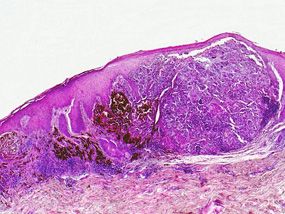
The key next step is a biopsy. This is the only way to confirm whether a suspicious lesion is melanoma. During a biopsy, part or all of the lesion is removed and sent to a pathology lab, where a specialist examines it under a microscope. This is where things get more precise and less “internet detective board with red string.”
What Matters on the Pathology Report?
If the lesion is melanoma, the pathology report usually includes details that help determine prognosis and treatment. These may include:
- Histologic type: whether it is nodular melanoma or another subtype
- Breslow thickness: how deep the melanoma extends into the skin
- Ulceration: whether the surface skin over the tumor is broken
- Mitotic activity: how quickly the cells appear to be dividing
- Margins: whether melanoma cells extend to the edge of the removed tissue
Two of the biggest prognostic clues are thickness and ulceration. In plain English, deeper tumors and ulcerated tumors raise concern because they are more strongly associated with spread and worse outcomes.
Stages of Nodular Melanoma
Doctors stage melanoma based on how thick the tumor is, whether it is ulcerated, and whether it has spread to lymph nodes or other organs.
- Stage 0: abnormal melanocytes are limited to the top layer of skin
- Stage I: melanoma is invasive but still relatively thin and localized
- Stage II: melanoma is thicker and carries a higher risk of recurrence, but there is no proven spread yet
- Stage III: melanoma has spread to nearby lymph nodes or nearby skin/lymph channels
- Stage IV: melanoma has spread to distant organs or distant sites in the body
In practice, nodular melanoma is often diagnosed after it has already grown deeper than the most superficial stage, which is one reason prompt evaluation matters so much.
Treatment Options for Nodular Melanoma
Treatment depends on stage, tumor features, and overall health. For early-stage nodular melanoma, surgery is usually the first and most important treatment. The goal is to remove the tumor along with a margin of healthy-looking skin around it. If the pathology shows clear margins and the melanoma is still localized, surgery may be enough.
For thicker or higher-risk melanomas, doctors may recommend a sentinel lymph node biopsy. This procedure checks the first nearby lymph node or nodes most likely to catch cancer cells if the melanoma has begun to spread. A positive sentinel node can change the stage and influence the rest of the treatment plan.
For more advanced disease, treatment may include:
- Immunotherapy to help the immune system attack melanoma cells
- Targeted therapy for tumors with mutations such as certain BRAF changes
- Radiation therapy in selected situations
- Additional surgery for lymph nodes or metastatic deposits in some cases
- Clinical trials when appropriate
Modern melanoma treatment is far more sophisticated than it used to be. That does not make the diagnosis easy, but it does mean there are more treatment options than many people realize, especially when patients get to a specialist team early.
When Should You See a Doctor?
See a dermatologist promptly if you notice any of the following:
- A new bump that grows quickly
- A lesion that bleeds, crusts, or does not seem to heal
- A firm dome-shaped growth that feels different from your other spots
- A pink, red, dark, or skin-colored nodule that keeps changing
- A spot that looks “off” compared with the rest of your skin
You do not need to wait for a lesion to become dramatic, painful, or huge. Fast-growing and unusual is enough reason to book the appointment. With melanoma, “I thought I would just watch it for a while” is a very human sentence, but not always a very helpful strategy.
Can Nodular Melanoma Be Prevented?
No prevention plan can guarantee that melanoma will never happen, but you can meaningfully reduce risk. The big targets are UV protection and early detection.
- Use a broad-spectrum, water-resistant sunscreen with SPF 30 or higher
- Wear sun-protective clothing, a hat, and UV-protective sunglasses
- Seek shade, especially during stronger midday sun
- Never use tanning beds or sun lamps
- Check your skin regularly, including the scalp, back, and other easy-to-miss areas
- See a dermatologist for routine skin exams if you have higher risk factors
One more point: if you have already had melanoma, follow-up is not optional busywork. Regular dermatology visits and lifelong self-exams are important because melanoma can recur, and people who have had one melanoma have a higher risk of developing another.
Bottom Line
Nodular melanoma is a serious and fast-moving subtype of melanoma that often appears as a raised, firm, changing bump rather than a flat, textbook mole. It may be dark, pink, red, or nearly skin-colored. It can bleed, itch, sting, or simply grow fast enough to make you think, “That was not there before.” If you remember just one thing, make it this: a new or changing lesion that looks unusual and grows quickly deserves prompt evaluation by a dermatologist. Early action can make a major difference.
Experiences Related to Nodular Melanoma: What the Journey Often Feels Like
Beyond the medical definitions, there is the human side of nodular melanoma, and it is often messier, quieter, and more emotional than people expect. Many patients do not begin with terror. They begin with confusion. The spot might seem too small to matter, too ordinary to be dangerous, or too strange to fit the mental image of melanoma. Some people say they noticed a bump while shaving, toweling off, or scratching an itchy patch. Others say a partner, hairdresser, or family member pointed out something odd on the scalp, back, or shoulder. One common thread is hindsight: once the diagnosis is made, the lesion suddenly seems obvious. Before diagnosis, it often did not.
Then comes the waiting period, which is its own special brand of emotional nonsense. You make the appointment. You sit under fluorescent lights. The dermatologist decides to biopsy it. Now the mind starts speed-running every possible scenario. “It is probably nothing” competes with “Why did the doctor look concerned?” Even a short wait for biopsy results can feel very long when your brain has discovered the concept of worst-case storytelling.
When the diagnosis is nodular melanoma, many people describe a surreal disconnect. You may look completely fine, go to work, answer emails, pick up groceries, and yet suddenly be learning words like Breslow thickness, ulceration, wide excision, and sentinel lymph node biopsy. It is strange to feel normal and alarmed at the same time. Family members often experience their own version of that whiplash. They want to help, but they are also trying to understand the seriousness of a cancer that started as “just a spot on the skin.”
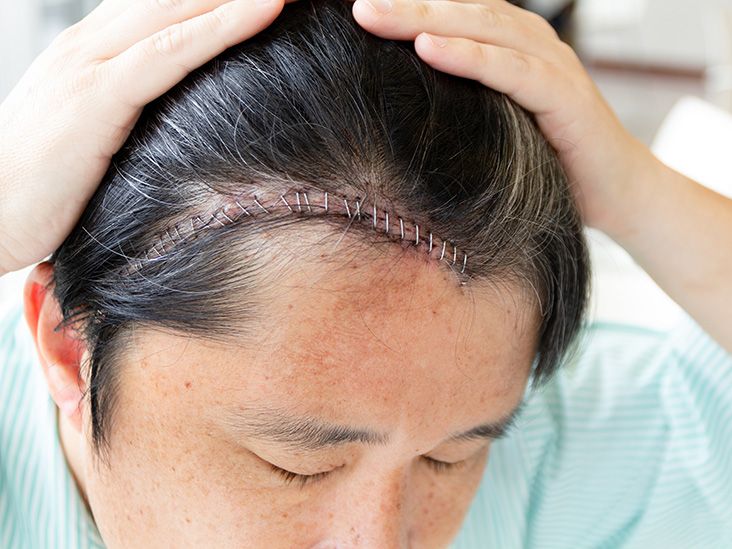
Surgery brings another layer of experience. For some patients, the procedure is straightforward and highly effective, but emotionally it can still be heavy. There may be worry about margins, lymph nodes, scarring, or whether more treatment will follow. A lesion on the scalp, face, or visible part of the body can bring body-image concerns into the mix. Even when the scar heals well, it can become a permanent reminder of how fast life pivoted from routine to medical.
People also talk about becoming much more aware of their skin afterward. What used to be a casual glance in the mirror can turn into a careful inspection of shoulders, calves, scalp, and toes. Some describe this as empowering. Others say it is exhausting at first. Both reactions are valid. Over time, many patients settle into a new rhythm: better sun habits, more respect for follow-up visits, and less temptation to shrug off a changing spot.
For those who need additional treatment beyond surgery, the experience can become even more layered. There may be oncology visits, imaging scans, medication decisions, side effects, and a different relationship with uncertainty. Support from friends, relatives, coworkers, and patient communities often becomes a major part of coping. People frequently say that practical help matters as much as inspirational speeches. A ride to an appointment, someone to take notes during a consultation, or a friend who remembers the post-surgery snack order can feel heroic in the moment.
And then there is the long view. Many people come away from a nodular melanoma diagnosis with a more serious relationship to sun protection and a more appreciative relationship to time. That may sound sentimental, but serious illnesses have a way of deleting nonsense from the schedule. Patients often say they stop postponing checkups, stop worshipping the “healthy tan,” and stop assuming that concerning symptoms should wait until next month. If there is a practical lesson in all these experiences, it is this: taking a suspicious skin change seriously is not overreacting. Sometimes it is exactly the calm, grown-up move that protects your future self.