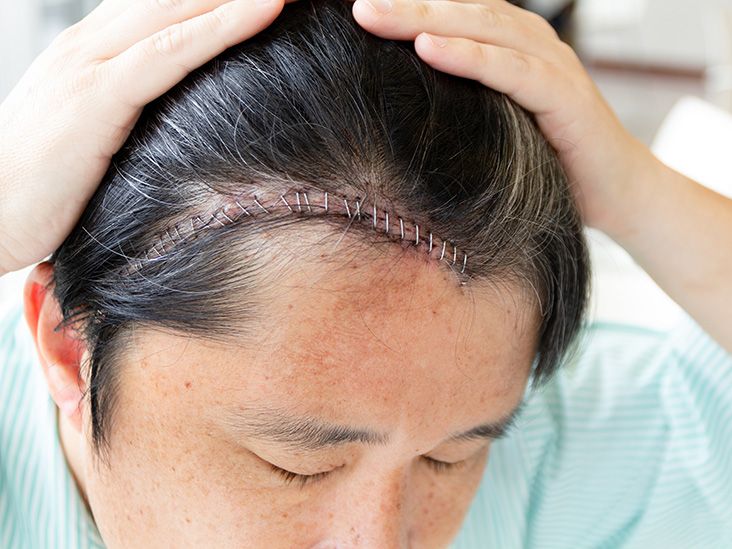
When people hear the words craniotomy and craniectomy, they often assume they mean the same thing: brain surgery, skull opening, lots of anxiety, and a very strong desire to never Google medical photos again. Fair enough. The two procedures are related, and both involve removing part of the skull so surgeons can access or protect the brain. But they are not identical.
That difference matters. A lot. In a craniotomy, the surgeon removes a section of skull and then puts it back before the operation ends. In a craniectomy, the surgeon removes a section of skull and does not replace it right away. That missing bone is usually restored later with a procedure called cranioplasty. Simple distinction, huge implications.
If you or someone you love has been told one of these procedures may be necessary, the medical language can sound like it was invented to scare people on purpose. This guide breaks it down in plain English: what a craniotomy is, when it’s used, how it differs from craniectomy, what recovery can look like, and what real-life experiences often feel like after surgery.
What Is a Craniotomy?
A craniotomy is a type of brain surgery in which a neurosurgeon temporarily removes a piece of skulloften called a bone flapto reach the brain. Once the surgeon finishes the planned work, the bone flap is usually secured back into place with plates, screws, or other fixation devices.
Think of it as opening a carefully designed access panel, doing the repair, and then closing the panel again. That’s the essential idea. The goal is to let the surgeon reach the problem while restoring the skull before the operation ends.
Why might someone need a craniotomy?
A craniotomy may be recommended for several serious brain and skull-base conditions, including:
- Brain tumors
- Bleeding in or around the brain
- Blood clots or hematomas
- Brain aneurysms
- Arteriovenous malformations and other vascular problems
- Epilepsy surgery in select cases
- Certain infections, abscesses, or pressure-related emergencies
- Some causes of facial nerve pain or other neurologic disorders
Not all craniotomies are the same. Some are traditional open procedures. Others are more targeted, such as keyhole craniotomies, which use smaller openings for carefully selected cases. In some surgeries, the patient may even be awake for part of the operation so the care team can monitor speech, movement, or other critical brain functions in real time.
What Is a Craniectomy?
A craniectomy also involves removing part of the skull. The big difference is what happens next: the bone is not immediately replaced. That is usually done on purpose to give the brain more room if it is dangerously swollen or under severe pressure.
This procedure is often used in urgent or emergency situations, such as:
- Severe traumatic brain injury
- Massive stroke with brain swelling
- Life-threatening intracranial pressure
- Certain hemorrhages or postoperative swelling scenarios
- Some posterior fossa decompression procedures or pediatric conditions, depending on the case
In many cases, the skull opening is repaired later with a cranioplasty, using the person’s original bone flap if it can be preserved, or a custom implant made from synthetic material or metal. So while a craniectomy may sound like “more surgery,” it is often the operation chosen because the brain needs space now and elegance later.
Craniotomy vs. Craniectomy: What’s the Main Difference?
Here is the shortest, clearest answer:
- Craniotomy: Bone flap comes off, then goes back on during the same surgery.
- Craniectomy: Bone flap comes off, but does not go back on right away.
That may sound like a tiny technical detail, but it changes recovery, safety precautions, and surgical goals.
| Feature | Craniotomy | Craniectomy |
|---|---|---|
| Bone removed? | Yes | Yes |
| Bone replaced during same operation? | Yes | No |
| Main purpose | Access the brain for treatment | Relieve dangerous pressure or swelling |
| Typical urgency | Can be planned or urgent | Often urgent or emergent |
| Later skull repair needed? | Usually no | Often yes, via cranioplasty |
If you remember only one thing from this article, let it be this: a craniotomy opens the skull and closes it the same day; a craniectomy leaves the skull open until a later repair.
When Do Doctors Choose One Over the Other?
The choice is not usually about which procedure sounds nicer in a conversation. It depends on what the brain needs.
If the main issue is that surgeons need access to remove a tumor, clip an aneurysm, evacuate a clot, or treat another target while the skull can safely be restored at the end, a craniotomy is often the standard choice.
If the major problem is severe swelling or rising intracranial pressuremeaning the brain is running out of safe space inside the skulla craniectomy may be used instead. In those moments, replacing the bone flap immediately can be unsafe because the swelling itself is the enemy.
Here are two simple examples:
- Example 1: A person has a brain tumor in an area that can be surgically reached. The surgeon performs a craniotomy, removes the tumor, and replaces the bone flap.
- Example 2: A person has a traumatic brain injury with severe swelling after an accident. The surgeon performs a decompressive craniectomy to give the brain room and reduce pressure.
Same neighborhood. Different mission.
What Happens Before, During, and After a Craniotomy?
Before surgery
Before a craniotomy, patients typically undergo imaging such as MRI or CT scans, plus routine blood work and surgical planning. The team may also review medications, especially blood thinners, seizure medicines, and anything that could affect bleeding or anesthesia.
Depending on the type of surgery, some hair may be clipped near the incision site. Not necessarily all of it, despite what old movie scenes would have you believe. For certain surgeries near important language or movement areas, the surgeon may discuss an awake craniotomy.
During surgery
Under anesthesiaor occasionally with the patient awake for a monitored portionthe surgeon makes an incision in the scalp, creates openings in the skull, removes the bone flap, and opens the protective covering of the brain. After the target problem is addressed, the team closes the layers and replaces the bone flap if it is a craniotomy.
The exact approach depends on the condition being treated. A tumor surgery, aneurysm clipping, and seizure procedure do not all follow the same script.
After surgery
Most patients spend time in a recovery unit or intensive care setting first. Neurologic checks are common, and the team watches closely for swelling, bleeding, seizures, infection, and changes in strength, speech, vision, or alertness.
Hospital stay varies, but for many craniotomy patients it may range from a few days to around a week, followed by several weeks of recovery at home. Some people also need physical therapy, occupational therapy, speech therapy, or inpatient rehabilitation, especially if the underlying condition affected brain function before surgery.
Craniotomy Recovery: What to Expect
Craniotomy recovery is not one-size-fits-all. A person recovering after elective tumor surgery may have a very different path from someone recovering after emergency bleeding or trauma.
That said, several themes are common:
- Fatigue: This is one of the biggest complaints. The brain and body both need recovery time.
- Headaches or incision discomfort: Common early on, though the pattern varies.
- Swelling and tenderness: Often expected around the incision.
- Activity limits: Heavy lifting, strenuous exercise, and driving are usually restricted until the surgeon clears them.
- Follow-up appointments: These are essential for wound checks, imaging review, symptom monitoring, and medication adjustments.
Many people hear “six to eight weeks” as a general recovery estimate after craniotomy, but real recovery can stretch longer depending on the diagnosis, age, complications, neurologic symptoms, and whether additional treatment such as radiation, chemotherapy, or rehab is needed.
If a patient had a craniectomy, recovery can be more complicated because the skull defect remains temporarily. Until a cranioplasty is done, extra protection may be necessary, and some patients are advised to wear a helmet when out of bed. Balance, coordination, and confidence can all take a hit during this phase.
What Are the Risks of Craniotomy and Craniectomy?
Both surgeries are major procedures, and both carry serious risks. These can include:
- Infection
- Bleeding
- Blood clots
- Brain swelling
- Seizures
- Weakness or numbness
- Speech, memory, or behavior changes
- Problems with balance or walking
- Cerebrospinal fluid leak in some cases
- Pneumonia or other complications related to critical illness
The location of surgery matters enormously. A procedure near an area responsible for speech, movement, vision, or memory can carry risks tied to those functions. That does not mean problems will happen, but it explains why neurosurgery planning is so detailed and why techniques such as mapping, navigation, and smaller approaches are used whenever appropriate.
Is Craniotomy “Better” Than Craniectomy?
Not really. Asking which is better is a bit like asking whether a fire extinguisher is better than a wrench. It depends on the emergency.
A craniotomy is often ideal when the goal is to treat a target inside the skull and restore the skull right away. A craniectomy is often the right choice when the priority is to save the brain from dangerous pressure. Different problems. Different solutions. Same high stakes.
What matters more than the label is why the operation is being done, how urgent the situation is, where the problem is located, and what the care plan looks like after surgery.
What Patients and Families Often Experience
Medical definitions are useful, but they do not always capture what this journey actually feels like. The experience of brain surgery recovery often comes in waves: fear before the operation, relief that it is over, then frustration that healing is not as fast or neat as people hoped.
Many patients describe the days before surgery as strangely split in two. One half is highly practical: paperwork, scans, medication lists, shampoo instructions, arrival times, and the awkward packing of a hospital bag that somehow contains both lip balm and existential dread. The other half is emotional. Even people who feel calm on the outside often say their minds start making side deals with the universe at 2 a.m.
After surgery, families often focus on the first reassuring milestones: opening eyes, answering simple questions, moving fingers and toes, recognizing loved ones, or hearing that the scan looks good. Those moments can feel enormous. In some cases, the path is surprisingly smooth. In others, recovery includes swelling, fatigue, headaches, dizziness, speech trouble, weakness, or the need for rehab. The phrase “successful surgery” does not always mean “easy recovery,” and that catches many people off guard.
Patients recovering from craniotomy often say fatigue is the sneakiest symptom. Not dramatic movie fatigue. More like, “I answered two texts and now I need a nap worthy of a Victorian novel.” Concentration may come back slowly. Noise can feel irritating. Screens may be tolerated one day and annoying the next. Incision tenderness, scalp numbness, and sleep disruption are also common topics in recovery conversations.
For people who undergo craniectomy, the experience can feel even more surreal. Families may be deeply grateful the surgery relieved life-threatening pressure, but the period before cranioplasty can be emotionally heavy. A protective helmet, activity precautions, and the awareness of a temporary skull defect can make everyday life feel more fragile. That does not mean people do poorly; many recover remarkably well. It simply means the process can be physically and psychologically demanding.
Caregivers often go through their own version of recovery too. They become medication managers, appointment coordinators, symptom watchers, transport planners, and unofficial cheerleaders with impressive levels of snack logistics. They also worrya lot. Is this headache normal? Is that confusion expected? Should we call now or wait? Good post-op instructions and direct contact with the surgical team can make a huge difference.
One encouraging pattern shows up again and again in patient stories: progress is often uneven, but still real. People who initially struggle with walking, speaking, stamina, or confidence may improve step by step over weeks and months. Some return to work. Some return to school. Some return to exercise more slowly than they would like, but with a new appreciation for what “normal” can mean after major neurologic surgery. Recovery is rarely glamorous, often humbling, occasionally funny in dark-comedy ways, and almost always more marathon than sprint.
Final Takeaway
So, what is a craniotomy, and is it different from craniectomy? Yesdefinitely. A craniotomy removes a section of skull and replaces it during the same operation. A craniectomy removes a section of skull and leaves it off temporarily, usually to relieve dangerous pressure on the brain. Both are major neurosurgical procedures, but they are used for different reasons and lead to different recovery paths.
If you are facing either procedure, the most useful next step is not doom-scrolling. It is having a clear conversation with the neurosurgical team about the reason for surgery, the exact plan, the expected risks, what recovery may look like, and whether rehabilitation or later cranioplasty is part of the process. The terminology mattersbut understanding the purpose matters even more.
Note: This article is for educational purposes only and should not replace medical advice, diagnosis, or treatment from a qualified healthcare professional.