Some lamps politely sit in the corner and do their job. Others show up with a stainless steel arm, an exposed filament bulb, and the confident posture of a tiny architectural crane. The Gus Designs Group Vintage Swing Arm Lamp belongs to the second group. It is simple, useful, slightly industrial, and stylish enough to make a blank wall look like it has a design degree.
At first glance, the lamp seems almost too minimal: a wall-mounted hinge, a long swing arm, a bulb, and not much else. But that is exactly the point. In a world where many light fixtures try to look like chandeliers, sculptures, spaceships, or suspiciously expensive bird nests, this vintage swing arm lamp wins by doing less. It brings light where you need it, frees up table space, and adds a clean industrial accent without turning the room into a factory break room.
This article explores what makes the Gus Designs Group Vintage Swing Arm Lamp special, how it fits into modern interiors, where to use it, what to consider before buying, and why swing arm lighting remains one of the smartest choices for homes that need both style and function.
What Is the Gus Designs Group Vintage Swing Arm Lamp?
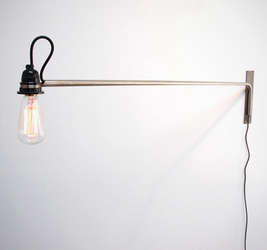
The Gus Designs Group Vintage Swing Arm Lamp is a wall-mounted lighting fixture designed with vintage industrial character. It is known for its stainless steel construction, long horizontal reach, exposed filament-style bulb, and swing arm movement. Rather than relying on a shade, decorative glass, or complicated ornamentation, it celebrates the mechanics of lighting: arm, hinge, bulb, wall plate, and glow.
Its design has been described over the years as a reinterpretation of vintage styling, especially because of its brushed stainless steel finish and exposed bulb look. The lamp has typically been associated with a wide 50-inch arm and a 10-inch height, making it much more dramatic than a small bedside sconce. It is not the shy little lamp that whispers from the corner. It stretches, pivots, and says, “Yes, I can reach the book you dropped behind the sofa.”
The lamp’s appeal comes from that balance between simplicity and presence. It looks pared down, but it does not disappear. It feels vintage, but not old-fashioned. It has an industrial edge, but it is refined enough for a living room, bedroom, home office, kitchen wall, or reading nook.
Why Swing Arm Lamps Are Still So Popular
Swing arm lamps have stayed relevant because they solve a real design problem: most rooms need flexible light. Overhead lighting can brighten an entire space, but it rarely gives the focused, comfortable illumination needed for reading, writing, cooking, sketching, or pretending to read while scrolling on a phone. Table lamps are useful, but they take up surface space. Floor lamps help, but they require floor area and often become awkward roommates in smaller rooms.
A swing arm wall lamp gives you the best of several worlds. It mounts to the wall, saves space, and moves toward or away from the task area. When you need focused light, swing it closer. When you want a cleaner look, push it back. When guests come over, it becomes a sculptural wall detail instead of another object cluttering the side table.
It Saves Space Without Looking Like a Compromise
One of the biggest advantages of a wall-mounted swing arm lamp is that it keeps surfaces clear. In bedrooms, it can replace a bulky nightstand lamp. In small apartments, it can brighten a desk without stealing workspace. In living rooms, it can provide reading light beside a sofa without requiring a floor lamp base that everyone eventually kicks.
This matters because lighting is not just about brightness. It is about how a room functions. A lamp that frees up a table, extends over a chair, and tucks away when not in use is doing more than lighting the room. It is quietly improving the room’s workflow. And unlike many “space-saving” solutions, it does not look like something invented by a committee of storage-bin enthusiasts.
It Adds Directional Task Lighting
The Gus Designs Group Vintage Swing Arm Lamp works especially well as task lighting. Directional light is useful when you want illumination focused on a specific activity: reading in bed, working at a desk, preparing food, highlighting art, or creating a cozy corner. A swing arm design gives the user control over where the light lands.
This kind of control is the difference between “I can read comfortably” and “I am holding my book at a weird angle because the ceiling light is judging me.” Good lighting should support the activity without forcing the person to adapt to the fixture. A swing arm lamp understands this assignment beautifully.
Design Style: Vintage, Industrial, and Surprisingly Versatile
The phrase vintage industrial lighting often brings to mind old workshops, exposed brick, metal stools, and cafés where the menu is printed on kraft paper. But the Gus Designs Group Vintage Swing Arm Lamp is not limited to industrial interiors. Because its form is so clean, it can work across several design styles.
Modern Minimalist Spaces
In a minimalist room, the lamp becomes a functional line drawing on the wall. Its stainless steel arm adds structure without visual clutter. Paired with white walls, simple furniture, and neutral textiles, it can make a space feel intentional rather than empty. Minimalism can sometimes look like someone forgot to finish decorating; a strong lighting fixture prevents that.
Mid-Century Modern Rooms
The lamp’s long reach and exposed mechanics also fit naturally with mid-century modern lighting ideas. Mid-century design often celebrates honest materials, clean geometry, and practical beauty. A swing arm lamp echoes those values. Place it near a low-profile sofa, walnut media console, leather lounge chair, or simple platform bed, and it feels right at home.
Industrial and Loft Interiors
In loft spaces, the lamp’s brushed stainless steel, exposed bulb, and wall-mounted structure look especially comfortable. It pairs well with concrete floors, brick walls, black metal shelving, reclaimed wood, and leather seating. The trick is to balance hard materials with soft textures. Add a wool rug, linen curtains, or upholstered seating so the room feels like a home rather than a very stylish loading dock.
Transitional Homes
The lamp can also work in transitional interiors where traditional and modern pieces mix. Its vintage reference gives it warmth, while the simple metal form keeps it from feeling fussy. Used beside a classic upholstered headboard or above a reading chair, it adds contrast and keeps the space from becoming too predictable.
Key Features That Make the Lamp Stand Out
The beauty of the Gus Designs Group Vintage Swing Arm Lamp lies in its restraint. It does not need a long list of gimmicks. Its best features are practical, visible, and directly tied to how people actually use lighting at home.
Long Swing Arm Reach
The lamp’s extended arm is its defining feature. A long reach allows the fixture to serve areas that may not sit directly beneath the wall mount. This is ideal for sofas, beds, desks, kitchen counters, and reading chairs. It lets the lamp behave almost like a ceiling pendant or floor lamp while remaining attached to the wall.
Brushed Stainless Steel Finish
The stainless steel construction gives the lamp a durable, industrial feel. A brushed finish softens the shine, making it easier to pair with other metals. It can sit comfortably alongside black hardware, chrome fixtures, nickel accents, or even warmer finishes like brass, as long as the room repeats those materials thoughtfully.
Exposed Filament Bulb
The vintage-inspired filament bulb is part of the lamp’s personality. Instead of hiding the bulb behind a shade, the design puts it on display. This creates a warm, nostalgic look and reinforces the fixture’s stripped-down industrial style. For modern use, many homeowners may choose an LED filament bulb to get a similar look with better energy efficiency.
Foot Switch Operation
The lamp has been associated with foot-switch operation, which adds convenience in casual spaces. A foot switch can be especially helpful when the lamp is mounted near seating, beside a bed, or in a reading area. No one wants to perform a full-body yoga pose just to turn off a lamp before sleeping.
Where to Use the Gus Designs Group Vintage Swing Arm Lamp
Because this lamp has a long reach and strong visual presence, placement matters. Used well, it can transform a room. Used carelessly, it may look like a metal arm trying to escape the wall. Here are the best places to consider it.
Beside the Sofa
A swing arm wall lamp beside a sofa is one of the most natural applications. It provides reading light without requiring a side table or floor lamp. Mount it so the arm can extend over the seating area without blocking movement. This creates a cozy reading zone and adds architectural interest to an otherwise plain wall.
Above a Bedside Area
In bedrooms, wall-mounted lighting is a smart alternative to nightstand lamps. The Gus Designs Group Vintage Swing Arm Lamp can work especially well in rooms with narrow bedside tables or platform beds. The key is careful placement. The bulb should provide useful reading light without shining directly into your eyes. Your bedtime routine should feel peaceful, not like an interrogation scene.
Over a Desk
For a home office, the lamp can provide directional light while keeping the desktop clear. This is useful for writing, drawing, laptop work, paperwork, and creative projects. It also adds personality to a workspace, which is helpful if your home office currently consists of a laptop, one sad pen, and a chair that squeaks emotionally.
In the Kitchen
A swing arm lamp can be surprisingly effective in a kitchen, especially above a prep counter, breakfast nook, or open shelving area. It brings focused light to a task zone and adds a bistro-like feel. Just be mindful of splashes, heat, and clearance. It should enhance the kitchen, not interfere with cooking or become a dramatic obstacle during pancake flipping.
In a Reading Nook
This lamp is practically made for a reading nook. Pair it with a comfortable chair, small table, textured throw, and a stack of books that says, “I am intellectually thriving,” even if three of them are mostly decorative. The long arm creates an intimate pool of light and makes the corner feel designed rather than leftover.
How to Style It Without Overdoing the Industrial Look
Industrial lighting is powerful, but too much of it can make a room feel cold. The Gus Designs Group Vintage Swing Arm Lamp works best when balanced with warmth, texture, and softness.
Pair Metal With Natural Materials
Use wood, leather, wool, cotton, linen, or rattan nearby to soften the stainless steel. A walnut sideboard, oak desk, woven basket, or linen bedding can make the lamp feel warmer and more inviting.
Repeat the Metal Finish
To make the lamp feel intentional, repeat a similar metal tone elsewhere in the room. This could be cabinet hardware, a picture frame, chair legs, curtain rods, or a small decorative object. Repetition helps the fixture belong instead of looking like it wandered in from another apartment.
Use Warm Bulbs
Warm light is usually more flattering for living rooms, bedrooms, and reading areas. A bulb around 2700K to 3000K generally creates a cozy glow. Cooler light can be useful for high-focus workspaces, but in relaxation areas it may feel too clinical. Unless your design goal is “luxury dentist office,” warm light is usually safer.
Buying Considerations Before You Choose This Lamp
The Gus Designs Group Vintage Swing Arm Lamp is visually simple, but that does not mean every room is automatically ready for it. Before choosing a fixture like this, consider scale, installation, brightness, safety, and long-term use.
Measure the Wall and Reach
A long swing arm needs room to move. Measure the wall area, furniture placement, and walking paths before installation. Make sure the lamp can extend where you need light without hitting shelves, artwork, curtains, cabinets, or people who are just trying to enjoy a snack.
Check Mounting Requirements
Wall-mounted lamps need secure installation. Depending on the fixture and wall type, you may need proper anchors, studs, or professional help. A lamp with a long arm creates leverage, so the wall plate must be firmly mounted. This is not the moment to trust a mystery screw from the junk drawer.
Consider the Bulb Type
An exposed bulb has a major impact on both style and comfort. A clear filament bulb looks beautiful, but it can create glare if placed at eye level. Consider using a lower-lumen bulb, frosted filament bulb, or dimmable option if compatible. The goal is glow, not a tiny sun attached to your wall.
Think About Cord Visibility
Some swing arm wall lamps use visible cords, while others may be hardwired or designed with plug-in operation. A visible cord can add to the vintage industrial look, but it should be managed neatly. Cord covers, careful routing, or placement behind furniture can help keep the room polished.
Is the Gus Designs Group Vintage Swing Arm Lamp Worth It?
For the right buyer, yes. This lamp is best for someone who values functional design, vintage industrial style, and flexible lighting. It is not the best fit for people who want soft fabric shades, hidden bulbs, ornate details, or a fixture that disappears completely. It is also not a tiny accent light. It has reach, structure, and personality.
The lamp’s biggest strength is its ability to combine utility with character. Many fixtures are beautiful but not especially useful. Others are useful but look like they were designed during a very uninspired lunch break. The Gus Designs Group Vintage Swing Arm Lamp manages to be both practical and memorable.
Experience Notes: Living With a Vintage Swing Arm Lamp
Using a lamp like the Gus Designs Group Vintage Swing Arm Lamp changes how a room feels during the day and at night. During daylight hours, it acts almost like wall sculpture. The long stainless steel arm creates a clean line across the wall, making the space feel more architectural. It can make a plain wall look deliberate, which is a small miracle for anyone living with builder-grade drywall and commitment issues.
At night, the experience becomes more atmospheric. The exposed filament-style bulb creates a warm point of light that feels more personal than overhead lighting. Instead of flooding the entire room, the lamp creates a defined zone. That is especially useful in a living room where one person wants to read and another wants to watch television. The swing arm lets the reader bring light closer without turning the whole room into a stadium.
In a bedroom, the lamp encourages better surface organization. Without a table lamp taking up half the nightstand, there is more room for essentials: a book, a glass of water, a phone, maybe a tiny dish for things you swear you will not lose again. The wall-mounted design also makes cleaning easier. There is no lamp base to move, no shade collecting dust on the table, and no awkward cord loop trying to become modern art.
In a home office, the practical benefits become even clearer. A long swing arm allows the light to move across a desk surface depending on the task. You can pull it forward for handwriting, angle it over a keyboard, or push it aside when natural light is enough. This flexibility is valuable in compact workspaces, especially where a traditional desk lamp would crowd the surface.
The exposed bulb does require thoughtful use. If the lamp is mounted too low or positioned directly in the line of sight, glare can become annoying. A warm, lower-output bulb usually creates a more comfortable effect. The lamp looks best when it glows rather than blasts. Think “cozy studio evening,” not “hardware store aisle five.”
The swing arm also creates a small daily ritual. You move the lamp when you sit down. You adjust it when you shift from reading to conversation. You push it back when the room needs to feel tidy. That physical interaction is part of the charm. Unlike smart lighting controlled entirely by apps, a mechanical swing arm feels immediate and satisfying. It gives the room a little analog pleasure, which is increasingly rare in a home full of glowing screens.
Style-wise, guests tend to notice this kind of lamp. It has enough scale to start a conversation, but it does not scream for attention. The best compliment it receives is usually some version of, “That’s a cool lamp,” followed by someone swinging it gently back and forth like they have just discovered engineering. This is normal. Let them enjoy the moment.
The main lesson from living with a vintage swing arm lamp is that good lighting should adapt. Rooms are not static showrooms. People read, work, nap, host, snack, clean, and occasionally search for the remote with the urgency of a rescue mission. A flexible wall lamp supports those shifting needs while adding design character. That is why the Gus Designs Group Vintage Swing Arm Lamp remains compelling: it is simple, useful, and stylish without trying too hard.
Conclusion
The Gus Designs Group Vintage Swing Arm Lamp proves that lighting does not need to be complicated to be memorable. Its stainless steel construction, long swing arm, exposed bulb, and vintage industrial attitude make it a strong choice for readers, design lovers, small-space dwellers, and anyone who appreciates practical beauty.
It works because it understands the purpose of good lighting. It brings illumination closer when needed, moves away when not, saves surface space, and adds visual structure to a room. Whether placed beside a sofa, above a bed, over a desk, or in a reading nook, it offers a rare mix of function and character.
In short, this is not just a lamp. It is a design tool, a mood maker, a space saver, and possibly the most elegant metal arm your wall will ever meet.
Note: This article is written for web publication and is based on synthesized product information, interior lighting guidance, and real design context related to the Gus Designs Group Vintage Swing Arm Lamp.