A watering can is one of those humble garden tools that never tries to be the star of the show. It does not beep, sync to Wi-Fi, or ask you to download an app before watering your basil. It simply carries water from point A to point B and, if designed well, makes the whole ritual feel calmer, cleaner, and oddly satisfying. The Lemon Utility Watering Can belongs to that charming category of everyday objects that do their job while making the patio look like it has its life together.
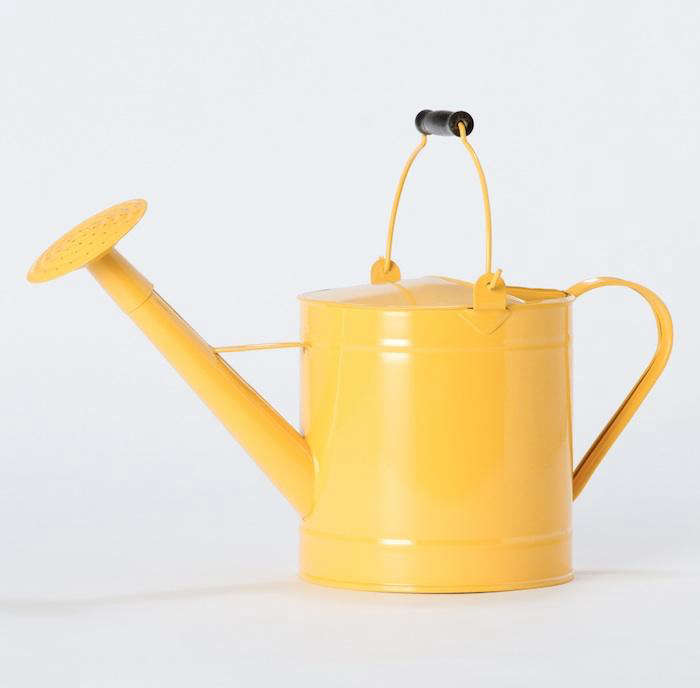
With its cheerful lemon-yellow color, practical metal body, wooden handle, double-handle design, and removable rose spout, the Lemon Utility Watering Can is more than a container with ambition. It is a small garden companion built for gentle watering, quick outdoor touch-ups, indoor plant care, and decorative display. Originally associated with Terrain and later noted by Remodelista as a discontinued garden item, this can has the kind of sunny, utility-first personality that makes gardeners pause and say, “Wait, why is this watering can cuter than my furniture?”
This article explores what makes a lemon yellow watering can useful, how to choose one with similar features, where it fits in daily plant care, and why good watering habits matter as much as the tool itself. Whether you are caring for herbs on an apartment balcony, flowers on a porch, houseplants on a sunny windowsill, or a container garden that drinks like it just ran a half marathon, the right watering can can make plant care easier and more enjoyable.
What Is the Lemon Utility Watering Can?
The Lemon Utility Watering Can is best understood as a compact, stylish, and practical watering can designed for everyday garden and patio use. Its original product description highlighted several key features: a lemon-yellow finish, a metal body, a wooden handle, a double-handle structure, a removable rose spout, and a capacity of approximately one gallon. That combination gives it the personality of a vintage garden tool with the usefulness of a modern container-gardening essential.
The bright yellow color is not just decorative. In a garden full of greens, browns, terracotta pots, mulch, hoses, and mysterious objects you keep meaning to put away, a lemon-colored watering can is easy to spot. It adds a pop of visual warmth to patios, balconies, sheds, and potting benches. Functionally, the one-gallon size keeps it manageable for frequent watering without turning every plant-care session into an arm workout sponsored by your local gym.
Why a Good Watering Can Still Matters
In a world filled with irrigation systems, self-watering planters, moisture meters, and smart garden gadgets, the classic watering can still earns its place. Why? Because it gives you control. You can water slowly at the base of a plant, avoid soaking leaves unnecessarily, reach awkward containers, and adjust your watering style based on the plant in front of you.
That control matters. Many houseplants and container plants struggle not because people neglect them, but because they love them too enthusiastically with water. Overwatering can cause yellowing leaves, wilting, root stress, and poor drainage problems. On the other hand, underwatering leaves soil dry, roots stressed, and plants drooping like they just received bad news. A well-designed watering can helps you avoid both extremes by delivering water with more precision than a random cup, pitcher, or “oops, I used the pasta pot again” situation.
Main Features of the Lemon Utility Watering Can
1. Lemon-Yellow Color for Style and Visibility
The most obvious feature is the lemon yellow finish. It is cheerful, fresh, and easy to find. Garden tools often lean toward dark green, black, gray, or galvanized silver. Those colors are classic, but they can disappear into the shed faster than a tape measure in a junk drawer. A yellow watering can stands out on a porch, in a greenhouse, or beside a raised bed.
From a design perspective, yellow also brings a sunny, vintage-inspired mood. It pairs beautifully with terracotta pots, wood benches, herbs, white flowers, trailing vines, and rustic outdoor furniture. If you enjoy garden tools that double as decor, this color is doing half the styling work before you even fill the can.
2. Metal Construction for Durability
A metal watering can usually feels more substantial than thin plastic. It has structure, balance, and a satisfying old-school garden-tool quality. Metal cans can last a long time when cared for properly, especially if they are emptied after use and stored away from constant weather exposure.
That said, metal is not magic. Standing water can encourage rust or mineral buildup over time, especially if the can is left outdoors in rain, snow, or harsh sun. The best habit is simple: empty the can after watering, rinse it occasionally, and store it in a dry place. A little care keeps a utility watering can looking less like “charming farmhouse” and more like “still fully functional.”
3. Wooden Handle for Comfort and Warmth
The wooden handle is one of those details that makes the Lemon Utility Watering Can feel more thoughtful. Wood adds warmth and a softer grip compared with bare metal. It also gives the can a more natural look, especially when displayed near plants, baskets, clay pots, and outdoor furniture.
For practical use, handle comfort matters more than people realize. A full one-gallon watering can weighs more than it looks. If the handle is awkward, thin, or poorly placed, your wrist notices quickly. A good handle makes it easier to carry, tilt, and pour without feeling like you are negotiating with a stubborn suitcase.
4. Double-Handle Design for Better Control
The double-handle design is one of the most useful features. A top or rear handle helps with carrying, while a side or secondary handle gives extra stability when pouring. This is especially helpful when the can is full, when you are watering small pots, or when you need a slower, more controlled flow.
Double handles are not just decorative. They help distribute weight and reduce the awkward wrist angle that happens with some single-handle cans. For gardeners who water many containers in one session, better control can make the difference between “peaceful morning plant care” and “why is there water in my shoe?”
5. Removable Rose Spout for Adjustable Water Flow
A rose spout is the sprinkler-style attachment at the end of a watering can. It breaks the stream into a gentle shower, which is useful for seedlings, delicate flowers, newly planted containers, and soil that might splash or erode under a hard stream. The Lemon Utility Watering Can’s removable rose spout gives gardeners flexibility: use the rose for a soft rain-like flow or remove it for a more direct pour.
This matters because not every plant wants water delivered the same way. Tender seedlings prefer gentle moisture. Established potted shrubs may need deeper watering. Houseplants with dense foliage may benefit from a narrow, controlled pour at the soil line. A removable rose spout gives you more options without requiring a separate tool for every plant mood swing.
How to Use a Lemon Utility Watering Can Properly
Check the Soil Before Watering
The best watering schedule is not a schedule at all. It is a habit of checking the soil. For many houseplants, inserting a finger about one to two inches into the potting mix gives a simple moisture reading. If the soil feels dry at that depth, the plant may need water. If it still feels damp, wait.
This approach is better than watering every Tuesday just because Tuesday looks thirsty. Plant water needs change with temperature, light, humidity, container size, potting mix, season, and plant type. A fern in bright indirect light and a cactus in a sunny window are not reading from the same instruction manual.
Water Thoroughly, Not Randomly
For most potted plants with drainage holes, water should be applied until some water drains from the bottom of the container. This helps moisten the full root zone and flush out excess salts. Afterward, empty any saucer so the pot is not sitting in standing water. Roots need moisture, but they also need air. A pot left soaking in water is basically a spa day gone wrong.
For outdoor containers, watering thoroughly is especially important in hot weather. Container plants dry out faster than plants in the ground because their roots are surrounded by a limited volume of soil. Small pots, hanging baskets, and porous containers may need more frequent watering during warm, windy, or sunny days.
Water at the Base of the Plant
Whenever possible, aim water at the soil rather than the leaves. Watering at the base helps moisture reach the roots and can reduce the risk of leaf disease in some plants. A rose spout is helpful for gentle surface watering, while a direct pour works well when you need to reach under foliage.
This is where a compact one-gallon watering can shines. It is easier to maneuver around stems, pot edges, and crowded plant shelves than a bulky outdoor can. You can water carefully without turning your plant corner into a tiny indoor thunderstorm.
Choose Morning Watering When Possible
For outdoor plants, morning is often the best time to water. Cooler temperatures reduce evaporation, and foliage has time to dry during the day. Evening watering can work when necessary, but repeatedly leaving plants wet overnight may increase disease pressure in certain conditions. Midday watering during hot weather can waste more water through evaporation.
Of course, real life happens. If your petunias are drooping dramatically at 3 p.m., you do not need to wait until tomorrow for the sake of garden etiquette. Water stressed plants when they need it, then adjust your routine going forward.
Best Uses for a Lemon Utility Watering Can
Indoor Houseplants
The one-gallon size makes this style of watering can practical for indoor plant collections. It holds enough water for several pots without becoming too heavy. The controlled pour helps with plants on shelves, windowsills, plant stands, and desks. It is especially useful for pothos, philodendrons, peace lilies, herbs, snake plants, and other common houseplants that need occasional deep watering rather than daily splashes.
Balcony and Patio Gardens
Balcony gardeners need tools that are compact, attractive, and easy to store. A lemon yellow watering can checks all three boxes. It can sit near a sliding door or outdoor chair without looking like abandoned equipment. It is also easy to refill in a kitchen sink, carry outside, and use on herbs, flowers, tomatoes, peppers, and container shrubs.
Herb Gardens
Herbs often grow in smaller pots or raised planters, so a precise watering can is useful. Basil, parsley, cilantro, mint, thyme, and chives all benefit from consistent moisture, though they do not all like the same conditions. A gentle rose attachment helps avoid blasting soil out of small herb pots, which is good because nobody wants basil with a side of potting mix confetti.
Seedlings and Young Plants
Young plants are vulnerable to rough watering. A strong stream can flatten seedlings, disturb roots, or create channels in the soil. A rose spout creates a softer flow that mimics gentle rain. For seed trays and newly transplanted starts, this gentler approach can protect fragile growth while still providing needed moisture.
Decorative Garden Display
Some tools are useful enough to hide in the shed. Others are good-looking enough to leave out. The Lemon Utility Watering Can falls into the second category. Its sunny color and wood-handle detail make it a natural fit for styled patios, potting benches, greenhouse shelves, and cottage garden corners. Even when empty, it can serve as a cheerful accent piece.
How to Choose a Similar Lemon Yellow Watering Can
Because the original Lemon Utility Watering Can has been listed as discontinued, shoppers may need to look for similar options. The good news is that the key features are easy to identify. Look for a watering can with a one-gallon or similar capacity, a durable metal body, a comfortable handle, a removable rose, and a balanced design.
Capacity
A one-gallon watering can is a sweet spot for many gardeners. It is large enough to water several plants but small enough to carry comfortably. For larger outdoor gardens, two-gallon cans reduce refill trips but can become heavy. For small indoor plant collections, a half-gallon can may be easier to handle.
Material
Metal cans are sturdy, attractive, and long-lasting when maintained. Plastic cans are lightweight, affordable, and resistant to rust. Galvanized or powder-coated metal can offer extra durability. The right choice depends on where you will use and store it. If the can will live outdoors, weather resistance matters. If it will live indoors, style and pour control may matter more.
Spout Style
A long narrow spout is excellent for indoor plants and precise watering. A rose spout is better for gentle showering over seedlings, flower beds, and newly planted containers. A removable rose gives you both options, which is why it is one of the best features to prioritize.
Balance and Grip
Before buying, imagine the can full of water. Does the handle look comfortable? Is the body balanced? Can you pour without twisting your wrist? A beautiful watering can that is awkward to use becomes decor very quickly. That is fine if decor is the goal, but plants tend to prefer tools that actually show up for work.
Care and Maintenance Tips
To keep a metal watering can in good condition, empty it after each use. Do not leave water sitting inside for days. Standing water can contribute to mineral buildup, algae, mosquitoes, and rust. Rinse the can occasionally, especially if you use fertilizer solutions. If the rose attachment clogs, remove it and clean the holes gently with water and a soft brush.
Store the can in a dry, shaded spot when possible. A covered porch, shed, greenhouse shelf, or indoor utility space works well. If the can has a wooden handle, keeping it out of constant rain and harsh sun will help preserve the wood. Think of it as basic tool manners: water the plants, not the watering can.
Common Watering Mistakes to Avoid
Watering Too Often
The most common mistake with houseplants is watering too frequently. Many plants prefer the soil to dry slightly between waterings. Constantly wet soil can stress roots and encourage rot. Always check the soil first.
Watering Too Shallowly
A quick splash on the surface may make the soil look wet, but roots deeper in the pot may remain dry. Water thoroughly so moisture reaches the root zone.
Ignoring Drainage
Even the best watering can cannot save a pot with no drainage if the plant hates wet feet. Use containers with drainage holes whenever possible, and empty saucers after watering.
Using the Wrong Flow
A hard stream can disturb seedlings and compact soil. A rose spout is better for gentle watering. For larger established plants, a direct stream at the base may be more effective.
Experience Notes: Living With a Lemon Utility Watering Can
There is something surprisingly pleasant about using a watering can that looks cheerful before the day has fully started. A lemon yellow utility watering can does not just sit there waiting to be useful; it brightens the whole plant-care routine. On a patio, it catches the eye immediately. On a kitchen windowsill near herbs, it looks intentional rather than forgotten. In a potting corner, it adds a small burst of color that says, “Yes, someone here knows where the basil lives.”
In everyday use, the one-gallon size feels practical. It is not so tiny that you refill it every three pots, and it is not so large that carrying it becomes a strength-training event. For an average indoor plant collection, one fill may handle several medium pots and a few small ones. For a balcony garden, it may require two or three trips, but those trips are manageable. That matters because the best garden tool is the one you actually enjoy picking up.
The double-handle design becomes more valuable over time. At first, it may seem like a small detail. After a few watering sessions, you notice how much easier it is to control the pour. You can carry the can by one handle, then use the second handle to tilt it smoothly. This is especially helpful when watering plants on shelves, in corners, or behind other containers. Instead of dumping water too quickly, you can guide it where it needs to go.
The removable rose spout is another feature that earns its keep. For seedlings, small herbs, and freshly planted flowers, the gentle shower is ideal. It softens the flow and keeps soil from splashing everywhere. For larger containers, removing the rose creates a more direct stream that reaches the base of the plant faster. That flexibility makes the can useful across different plant-care tasks, from baby lettuce seedlings to thirsty patio geraniums.
Aesthetically, the lemon color changes how the tool fits into a space. Many watering cans are treated like garage equipment. This one can be left out as part of the scene. It looks good beside terracotta pots, woven baskets, white planters, galvanized trays, and rustic wood shelves. In small spaces, where every visible object becomes part of the decor, that matters. A balcony gardener may not have room to hide tools, so attractive utility becomes a real advantage.
There are a few practical habits that make the experience better. First, do not leave water inside the can for long periods. Empty it after use. Second, keep the rose attachment clean, especially if your tap water leaves mineral deposits. Third, avoid dropping it on hard surfaces; metal is durable, but dents are not exactly a design upgrade. Fourth, store it where the wooden handle will not stay soaked. A little care keeps the can handsome and useful.
The best part of a Lemon Utility Watering Can is that it turns watering into a small ritual. Fill it, check the soil, water slowly, rotate a pot, pinch off a yellow leaf, admire new growth, and pretend you are not emotionally attached to a pothos named Steve. The can does not make you a perfect gardener, but it does make the process easier and more enjoyable. And sometimes that is exactly what a good tool should do.
Conclusion
The Lemon Utility Watering Can is a beautiful reminder that practical garden tools do not have to be boring. Its lemon-yellow color brings charm, while its metal body, wooden handle, double-handle design, one-gallon capacity, and removable rose spout make it genuinely useful for plant care. Whether used for indoor houseplants, patio containers, seedlings, herbs, or decorative garden styling, this type of watering can blends form and function in a way gardeners appreciate.
Good watering is not about dumping water and hoping for applause from the plant kingdom. It is about checking soil moisture, watering deeply when needed, using the right flow, avoiding soggy roots, and caring for plants according to their environment. A thoughtfully designed watering can helps make those habits easier. Add a cheerful lemon finish, and suddenly a basic chore becomes a sunny little garden ritual.