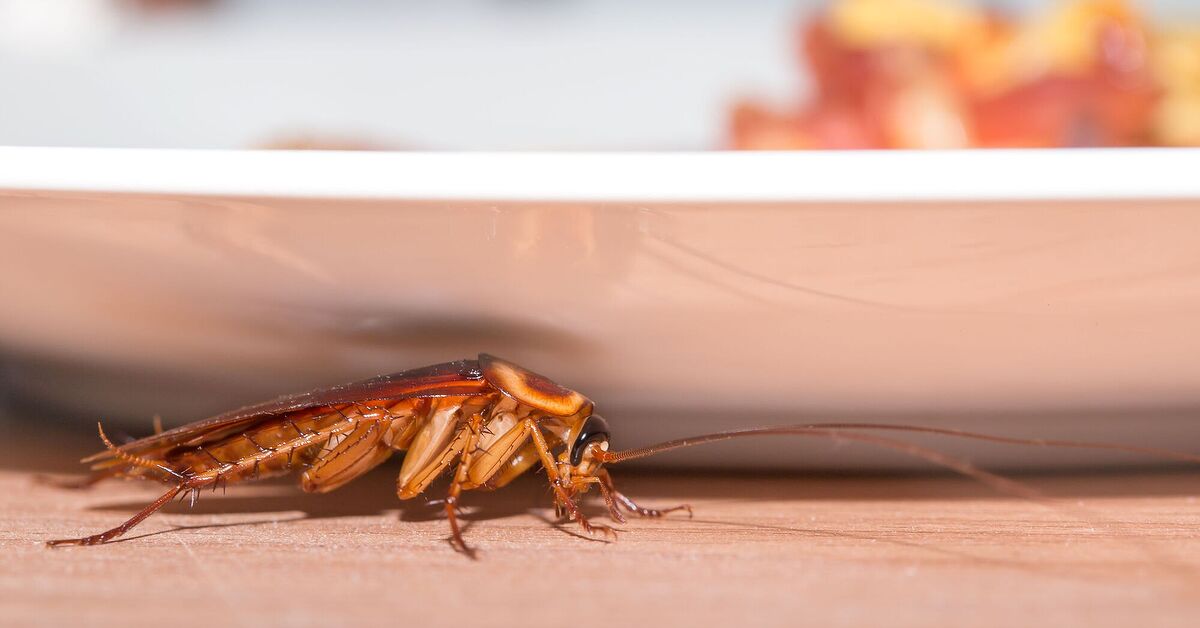
Few household discoveries trigger faster reflexes than turning on the kitchen light and watching a cockroach sprint under the refrigerator. Suddenly, everyone in the room becomes an Olympic-level jumper, including the dog.
Roaches are not simply unpleasant visitors. They can contaminate food and surfaces, while their droppings, shed skins, and body fragments may worsen allergies or asthma in sensitive people. More importantly, seeing one cockroach may indicate that others are hiding nearby.
The most effective way to get rid of roaches is not to spray every moving shadow. Successful cockroach control combines identification, cleaning, moisture reduction, exclusion, monitoring, and carefully placed bait. This approach, known as integrated pest management, targets the reasons roaches are thriving instead of merely eliminating the occasional insect unlucky enough to cross your path.
Why Roaches Keep Coming Into Your Home
Cockroaches need three basic things: food, water, and shelter. Unfortunately, an average home can offer all three without appearing dirty.
A few crumbs under the stove, grease beside a cabinet, water beneath a leaking sink, or cardboard boxes in a garage may support a surprising number of roaches. They can also enter through gaps around plumbing, worn door seals, drains, grocery bags, packages, used appliances, and shared walls in apartment buildings.
Warm weather, heavy rain, drought, landscaping changes, and outdoor pesticide treatments may drive outdoor species toward buildings. Indoor species, especially German cockroaches, are more likely to arrive in boxes, bags, furniture, or appliances and then reproduce inside.
Identify the Type of Cockroach First
Identification matters because different roaches have different habits. Treating every species the same is like trying to catch every fish with the same sandwich.
German Cockroaches
German cockroaches are small, light brown, and commonly recognized by two dark parallel stripes behind the head. They usually live and reproduce indoors, particularly in kitchens, bathrooms, laundry rooms, restaurants, and apartment buildings.
Because they reproduce quickly, even a small German cockroach problem can become a serious infestation. Finding tiny nymphs, egg cases, or roaches during daylight hours may indicate a large population or limited hiding space.
American Cockroaches
American cockroaches are large, reddish brown, and often associated with sewers, basements, utility rooms, commercial buildings, crawl spaces, and outdoor drainage systems. They may wander indoors through drains, doors, and utility openings.
Oriental Cockroaches
Oriental cockroaches are dark brown or nearly black and prefer cool, damp environments. They are often found near floor drains, basements, crawl spaces, water meter boxes, garbage areas, and wet landscaping.
Brown-Banded Cockroaches
Brown-banded cockroaches are small and prefer warmer, drier locations than German cockroaches. They may hide in furniture, closets, electronics, cabinets, and high areas of rooms rather than staying close to sinks.
How to Find Where Roaches Are Hiding
Roaches are mostly active at night, so the insect you see may reveal only a fraction of the problem. Begin with an inspection instead of immediately reaching for a spray can.
Use a flashlight to examine:
- Under and behind refrigerators, stoves, dishwashers, and microwaves
- Inside cabinets, drawers, hinges, and cabinet corners
- Around plumbing pipes and electrical outlets
- Beneath sinks and near water heaters
- Inside pantries, utility rooms, and pet-feeding areas
- Along baseboards and wall-floor junctions
- Inside cardboard boxes, paper bags, and stored appliances
- Near drains, crawl spaces, garages, and exterior doors
Look for live or dead roaches, pepper-like droppings, brown smears, shed skins, and egg cases. A stale or oily odor can accompany a heavy infestation.
Use Sticky Traps to Map the Infestation
Place cockroach sticky traps along walls and in corners because roaches tend to travel along edges. Useful locations include behind the refrigerator, beside the stove, beneath the sink, near the trash can, and inside bathroom cabinets.
Write the date and location on each trap. Check them every few days. The traps will not eliminate a major infestation by themselves, but they help identify active zones and show whether your treatment is working.
How to Get Rid of Roaches Inside Your Home
1. Remove Their Food Supply
Cleaning alone rarely kills an established colony, but poor sanitation can make bait less attractive and allow roaches to recover after treatment.
Wipe counters and dining surfaces each evening. Sweep or vacuum crumbs beneath appliances and furniture. Clean grease from the stove, backsplash, range hood, and cabinet sides. Store cereal, flour, snacks, and pet food in sealed containers.
Empty trash regularly and use a container with a tight-fitting lid. Rinse recyclable cans and bottles before storage. Avoid leaving dirty dishes or pet food out overnight. A few crumbs may seem harmless to you, but to a cockroach they are an all-you-can-eat buffet with no closing time.
2. Eliminate Water Sources
Fix leaking faucets, pipes, refrigerator lines, and dishwasher connections. Dry sinks, tubs, and counters before bed. Empty water from plant saucers and clean condensation trays.
Improve ventilation in damp rooms and address moisture in basements or crawl spaces. A dehumidifier may help in persistently humid areas, although structural leaks should be repaired rather than merely hidden behind a humming appliance.
3. Vacuum Roaches and Debris
A vacuum can quickly remove visible roaches, egg cases, shed skins, food particles, and droppings from cracks and appliance spaces. Use a crevice attachment and work from higher areas downward.
Immediately empty the vacuum contents into a sealed bag and dispose of it outdoors. Clean the vacuum attachment afterward. Vacuuming is especially useful during the initial cleanup, but it should be combined with baiting and exclusion.
4. Use Cockroach Baits Correctly
Gel baits and enclosed bait stations are generally more effective for indoor cockroach control than random surface spraying. Roaches eat the bait and may transfer its effects to others through contaminated feces, secretions, or dead insects.
Apply small placements near hiding and feeding areas rather than creating a single large blob. Good locations include cabinet corners, cracks, appliance edges, pipe openings, drawer tracks, and spaces under sinks.
Follow the product label exactly. Keep bait away from food-preparation surfaces and places accessible to children or pets. Use tamper-resistant stations where exposure is possible.
Do not spray insecticide over or near bait. Repellent sprays can contaminate the bait or push roaches into new hiding places. Baits also require patience. A noticeable reduction may take a week or longer, particularly with a large infestation.
5. Replace Old or Ignored Bait
Bait can dry out, become contaminated, or lose attractiveness. Inspect gel placements periodically and refresh them according to label directions.
If roaches stop responding, sanitation may be inadequate, the bait may be poorly positioned, or the population may have reduced sensitivity to the product. A pest-management professional may rotate bait formulations or combine them with an insect growth regulator.
6. Apply Dusts Only in Appropriate Areas
Boric acid and desiccant dusts may be effective in dry, undisturbed voids, such as wall cavities or spaces beneath appliances. The application should be extremely thin. Roaches tend to avoid visible piles, and excessive dust can become airborne or reach areas where people and pets may contact it.
Never apply pesticide dust to countertops, open floors, pet-feeding areas, toys, or exposed surfaces. Do not assume that a product is harmless because its ingredient sounds familiar. Read and obey the entire label.
7. Seal Cracks and Entry Points
Use caulk to close cracks around cabinets, baseboards, windows, and utility penetrations. Seal gaps around water pipes, gas lines, cables, and electrical conduits with an appropriate material.
Install door sweeps and repair torn window screens. In apartments, sealing gaps around shared plumbing lines may reduce movement between units, although building-wide cooperation is often necessary for lasting control.
8. Reduce Hiding Places
Discard unnecessary cardboard, paper bags, and clutter. Store belongings in sealed plastic containers instead of open boxes. Avoid stacking items tightly against walls, particularly in kitchens, garages, basements, and laundry rooms.
Inspect used furniture, electronics, and appliances before bringing them inside. A bargain microwave becomes considerably less charming when it arrives with six-legged tenants.
Roach-Control Methods That Often Disappoint
Bug Bombs and Total-Release Foggers
Foggers usually fail to reach the deep cracks where roaches hide. They may scatter the insects into walls, adjoining rooms, or neighboring units. Improper use can also create fire, explosion, inhalation, and pesticide-exposure risks.
Foggers are not a substitute for sanitation, exclusion, monitoring, and targeted bait placement.
Constant Aerosol Spraying
A contact spray may kill the roach directly in front of you, but it may do little to affect the hidden population. Broad spraying can repel roaches, contaminate surfaces, interfere with bait, and increase pesticide exposure.
Targeted treatment is usually more useful than turning the kitchen into a chemical weather system.
Essential Oils and Homemade Repellents
Some strongly scented substances may repel individual insects temporarily, but repellency is not elimination. Driving roaches from one cabinet to another does not solve the infestation.
Homemade mixtures can stain surfaces, irritate skin or lungs, endanger pets, or contaminate food. They also lack the standardized instructions and testing required for registered pest-control products.
Crushing the Roaches You See
Physical removal is useful, but killing individual roaches will not reach hidden egg cases or nesting areas. It is a cleanup step, not a complete treatment plan.
How to Get Rid of Roaches Outside Your Home
Outdoor control should focus on reducing habitat and preventing entry. Trying to eliminate every cockroach from an entire yard is unrealistic and may cause unnecessary pesticide use.
Clean Up Outdoor Harborage
Remove leaf litter, fallen fruit, pet waste, unused containers, and debris near the foundation. Store firewood off the ground and away from the house. Move cardboard, lumber, and garden supplies out of damp corners.
Thin dense ground cover and keep vines, shrubs, and tree branches from touching exterior walls or the roof. Roaches use protected landscaping as shelter and may travel directly from vegetation to the structure.
Manage Mulch and Irrigation
Avoid piling thick mulch against the foundation. Leave a dry, clear zone where practical, and correct irrigation that keeps walls, meter boxes, or soil constantly wet.
Water plants early enough for surfaces to dry before night. Repair broken sprinkler heads and outdoor faucets. Inspect drainage systems for standing water.
Secure Garbage and Compost
Keep outdoor trash containers closed and clean. Place them away from doors and windows whenever possible. Rinse sticky residue from bins and remove accumulated debris underneath them.
Maintain compost properly and avoid adding exposed meat, grease, or dairy products unless your composting system is designed to handle them. Keep pet-food bowls indoors overnight.
Block Exterior Entry Routes
Install snug door sweeps on exterior and garage doors. Repair damaged weather stripping and screens. Seal gaps around utility lines, vents, windows, siding, and the foundation.
Check crawl-space covers and attic vents. Cover appropriate openings with pest-resistant screening without blocking necessary ventilation or drainage.
Use Outdoor Baits in Targeted Locations
Where the product label permits, outdoor bait stations or granular bait may be placed near active hiding areas, such as water meter boxes, hardscape cracks, drain areas, retaining walls, or beneath concrete edges.
Protect bait from rain, irrigation, pets, children, and non-target animals. Never place pesticide in a storm drain or anywhere it may wash into waterways. More product is not automatically more effective.
Perimeter sprays may be appropriate for certain outdoor species when applied according to the label, but habitat reduction and sealing should come first. Routine spraying without addressing moisture and shelter often produces temporary results.
How to Prevent Roaches From Returning
Once activity declines, continue monitoring. Leave a few dated sticky traps in previously active areas and inspect them regularly.
Maintain a simple prevention routine:
- Clean crumbs and grease promptly
- Store food in sealed containers
- Repair leaks quickly
- Keep sinks and counters dry overnight
- Remove cardboard and clutter
- Inspect deliveries and used appliances
- Seal new gaps around pipes and doors
- Keep vegetation and damp mulch away from the structure
In multifamily housing, report the problem to property management early. Treating only one apartment may fail if roaches continue moving through neighboring units, pipe chases, utility rooms, or trash areas.
When to Call a Professional Exterminator
Professional help is appropriate when roaches remain active after several weeks of careful sanitation and baiting, appear throughout multiple rooms, or are frequently seen during daylight hours.
You should also consider professional treatment when the infestation involves an apartment building, restaurant, daycare facility, medical setting, severe asthma concerns, inaccessible wall voids, or recurring sewer-related activity.
Choose a licensed company that practices integrated pest management. Ask whether the technician will inspect, identify the species, use monitors, locate moisture sources, recommend exclusion repairs, and rely on targeted treatments rather than automatic calendar-based spraying.
Real-World Experiences and Lessons From Fighting Roaches
One of the most common experiences homeowners report is that the first treatment appears to make the problem worse. After bait is placed or an appliance is moved, more roaches may become visible. This does not always mean the treatment failed. Hidden insects may be disturbed, or poisoned roaches may leave their shelter before dying.
The better measure of progress is the number captured on sticky traps over several weeks. A kitchen trap that catches 20 roaches during the first week, eight during the second, and one during the third shows meaningful improvement, even if a live roach occasionally appears.
Another frequent lesson is that the infestation is rarely centered where the first roach was spotted. A homeowner may repeatedly spray beside the trash can while the main population lives behind the refrigerator, where warmth, condensation, crumbs, and an undisturbed compressor compartment provide luxury accommodations.
Pulling appliances away from walls often reveals the real scale of the problem. Grease dust, pet kibble, pasta fragments, and sticky spills can accumulate in spaces that look spotless from the front. Thorough vacuuming and degreasing can dramatically improve bait performance because the roaches have fewer competing food options.
People also commonly apply too much gel bait. Large lines of gel dry out and may be avoided. Numerous small placements near cracks and travel routes generally provide better access. Successful baiting looks less like decorating a cake and more like placing tiny, strategic snacks for extremely unwelcome guests.
Outdoor experiences produce similar surprises. A family may treat the kitchen repeatedly without realizing that large roaches are entering through a worn garage-door seal or a gap beneath a patio door. Replacing a door sweep may prevent more intruders than another round of indoor spraying.
Landscaping is another overlooked factor. Thick ivy, wet mulch, stacked flowerpots, and leaking irrigation beside a foundation can create ideal shelter. Once the vegetation is trimmed, standing water is corrected, and debris is removed, indoor sightings may decline without turning the entire yard into a pesticide zone.
Apartment residents often face the most frustrating situation. One tenant may clean carefully and use bait correctly, yet roaches return through shared walls. In these cases, detailed records help. Photograph sightings, date sticky traps, document leaks, and notify management in writing. Building-wide inspection and coordinated treatment are far more effective than asking one resident to fight a traveling population alone.
Families with children, pets, allergies, or asthma frequently discover that a lower-spray strategy is both practical and reassuring. Enclosed bait stations, inaccessible gel placements, vacuuming, sealing, and moisture correction can reduce reliance on airborne products. Safety still depends on reading every label and keeping pesticides beyond the reach of children and animals.
The final lesson is patience. A severe infestation is usually not created in one night, and it may not disappear in one night either. Roaches hidden in egg cases can emerge after visible adults decline. Continued sanitation, fresh bait, trap monitoring, and sealing are necessary to interrupt the population over time.
The best results come from treating cockroach control as a process rather than a dramatic one-evening battle. Clean what feeds them, dry what waters them, close what admits them, remove what shelters them, and place bait where they actually travel. It is less exciting than chasing one across the floor with a shoe, but considerably more effective.
Conclusion
To get rid of roaches inside and outside your home, begin by identifying the species and locating its hiding areas. Remove food, water, clutter, and outdoor shelter before using targeted bait in appropriate locations. Seal cracks, repair door sweeps, monitor activity with sticky traps, and avoid relying on foggers or indiscriminate spraying.
A single product rarely solves a cockroach infestation. Long-term control comes from changing the environment that supports the insects while carefully targeting the remaining population. When activity continues, involves several units, or becomes difficult to reach safely, a licensed integrated pest-management professional can provide a more thorough solution.