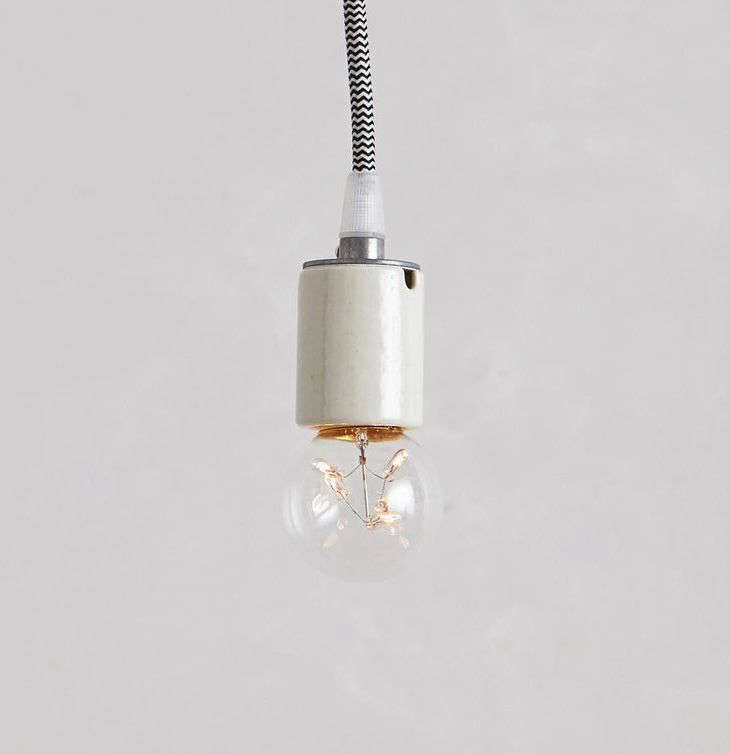
Some light bulbs simply brighten a room. A large starry sky bulb walks in wearing a velvet cape, turns the ceiling into a miniature galaxy, and quietly convinces everyone that ordinary lighting has been underachieving for years. It is the kind of decorative bulb that does more than help you find the sofa. It creates atmosphere, softens a bedroom, livens up a party corner, and gives a child’s room just enough magic to make bedtime feel less like a negotiation with a tiny lawyer.
At its core, a large starry sky bulb is a decorative LED lighting product designed to project stars, moons, nebula-like colors, or galaxy patterns across walls and ceilings. Some models screw into a standard socket, while others work more like compact star projectors or night lights. The “large” part usually refers to a wider projection area, a bigger bulb body, stronger LED output, or a design made for rooms rather than tiny bedside corners. In plain English: it is mood lighting with cosmic ambition.
Whether you are decorating a bedroom, nursery, game room, meditation space, dorm room, or home theater, this guide explains what a large starry sky bulb does, how to choose one, where it works best, and what real-life details matter before you click “add to cart.” Spoiler: brightness, safety certification, projection coverage, timer settings, and heat control matter more than a product photo that looks like NASA moved into someone’s apartment.
What Is a Large Starry Sky Bulb?
A large starry sky bulb is a decorative light bulb or bulb-style projector that creates a starry night effect indoors. Instead of producing only steady white light, it uses LEDs, patterned covers, rotating lenses, filters, or projection plates to scatter points of light across nearby surfaces. The result can look like stars, moons, galaxies, ocean waves, auroras, or colorful cosmic clouds.
These bulbs are popular because they combine three things people love: soft lighting, simple installation, and the feeling that a room has suddenly become more interesting without requiring paint, wallpaper, or a suspiciously expensive interior designer. Many large starry sky bulbs are used as night lights, decorative party lights, romantic mood lights, sensory room accessories, or relaxing bedroom lights.
How It Differs From a Regular LED Bulb
A regular LED bulb focuses on useful illumination. It helps you read, cook, clean, or avoid stepping on the one toy block that always waits in the dark. A starry sky bulb focuses on ambience. It usually produces lower practical brightness but adds movement, color, and pattern. Some models include rotating effects, remote controls, multiple color modes, dimming, USB power, Bluetooth speakers, or built-in timers.
Because most modern versions use LED technology, they can be energy-efficient and cooler-running compared with old incandescent novelty bulbs. That matters if you plan to use the bulb for long evening sessions, children’s rooms, or decorative spaces where comfort is more important than harsh brightness.
Why Large Starry Sky Bulbs Are So Popular
The appeal is easy to understand: people want rooms that feel personal. A large starry sky bulb can turn a plain ceiling into a dreamy focal point in seconds. It is cheaper than remodeling, easier than installing recessed lighting, and far less dramatic than announcing, “I’m changing my entire aesthetic,” then buying twelve baskets and a fake olive tree.
They Create Instant Atmosphere
Lighting changes how a room feels. Bright white light can make a space feel active and alert, while soft colored lighting can make it feel calmer and more relaxed. A starry sky bulb gives you decorative light that feels playful without being childish and relaxing without being boring. It can make a bedroom feel cozy, a gaming room feel futuristic, or a party space feel less like “basement with snacks” and more like “tiny planetarium with chips.”
They Work for Many Ages and Spaces
Children enjoy star patterns because they make bedtime more fun. Teens and adults like them for gaming setups, music corners, movie nights, meditation, and aesthetic room decor. Parents appreciate models with timers because the light can turn off after a child falls asleep. Apartment renters like them because they add personality without drilling holes or upsetting a landlord who treats beige walls like a sacred historical artifact.
They Are Usually Easy to Install
Many bulb-style designs fit into common lamp sockets, while projector-style models may only need a USB cable or wall adapter. Unlike permanent lighting systems, a large starry sky bulb can be moved, adjusted, replaced, or stored away. That flexibility is part of the charm.
Key Features to Look For in a Large Starry Sky Bulb
Not every starry sky bulb is created equal. Some create a beautiful wide pattern. Others create three sad dots on the ceiling and call it “galaxy mode.” To avoid disappointment, pay attention to the features that affect performance in real rooms.
1. Projection Coverage
Coverage is one of the biggest reasons to choose a large starry sky bulb. A small decorative bulb may look cute in a lamp but fail to spread light across a full room. A larger model should project stars or color patterns across a wider ceiling and wall area. For bedrooms, look for bulbs or projectors designed for medium to large rooms. If the product lists a recommended room size or projection distance, read it carefully.
Placement also matters. A bulb near the center of a room usually creates more balanced coverage than one tucked into a corner. If you place it too close to the ceiling, the pattern may look concentrated. If it is too far away, the stars may appear softer or less defined.
2. LED Brightness and Dimming
Brightness is tricky with starry sky bulbs. Brighter is not always better. For sleep, relaxation, or nursery use, soft brightness is usually ideal. For parties or large rooms, stronger light output can help the effect stand out. A dimmable model gives you more control, especially if you want one product to work for both bedtime and weekend hangouts.
Look for adjustable brightness levels rather than a single on/off setting. A good large starry sky bulb should let you reduce the intensity when you want calm lighting and increase it when you want a dramatic galaxy effect.
3. Color Modes
Many starry sky bulbs include multiple color options such as blue, green, red, white, purple, or mixed RGB effects. Blue and purple tones often feel dreamy and space-like. Warm white can feel softer and more natural. Green stars are common in some galaxy projectors, though not everyone loves the look because it can feel more “laser party” than “quiet night sky.”
The best option depends on your room. For a child’s bedroom, gentle warm or blue tones may be better. For a gaming room, bold color cycling can look fantastic. For a romantic dinner setup, avoid anything that flashes like a UFO emergency.
4. Rotation and Motion
Rotating star effects can make a room feel alive. Slow motion is relaxing, while faster rotation feels more energetic. Some models allow you to stop the rotation completely, which is useful for people who prefer still light while sleeping. If you are sensitive to motion, choose a bulb with adjustable rotation speed or a static mode.
5. Timer Function
A timer is one of the most useful features for a large starry sky bulb. It prevents the light from running all night and helps save energy. It is especially helpful in bedrooms and nurseries. Common timer options include 30 minutes, 60 minutes, 90 minutes, or 2 hours. For kids who like falling asleep under stars, this feature is worth prioritizing.
6. Remote Control or App Control
A remote control is not necessary, but once you have it, walking across the room to change lighting feels like living in the Stone Age. Remote-controlled models let you adjust brightness, color, mode, rotation, and timer settings from bed or the couch. Some modern galaxy lights also offer app controls, music sync, or voice assistant compatibility.
7. Safety Certification
Decorative lighting should still be safe lighting. Look for products that mention recognized testing or certification marks such as UL, ETL, or FCC compliance where applicable. For plug-in models, inspect the adapter, cord, and housing quality. Avoid products with loose parts, strange smells, overheating, or unclear electrical specifications.
If the bulb screws into a lamp, make sure the lamp socket supports the bulb’s wattage and shape. Oversized novelty bulbs may not fit enclosed fixtures, and enclosed fixtures can trap heat. Even LED products need proper ventilation.
Best Places to Use a Large Starry Sky Bulb
Bedroom
The bedroom is the natural home of the large starry sky bulb. It adds a soft glow without the harshness of overhead lighting. Use it before sleep, during quiet reading time, or while winding down after a long day. A dimmable model with a timer is best for bedrooms because it supports relaxation without staying on until morning.
Nursery or Kids’ Room
For children, a starry sky bulb can make nighttime less intimidating. Stars on the ceiling can become part of a bedtime routine: pajamas, story, stars, sleep. Choose a model with low brightness, no harsh flashing, a stable base, and a timer. Keep cords safely managed and place the device out of reach of young children.
Gaming Room
A galaxy-style light can make a gaming setup feel more immersive. Blue, purple, and red tones pair well with monitors, LED strips, and dark furniture. For this use, stronger color modes and rotation effects may be more important than realistic star accuracy.
Home Theater
A starry sky bulb can add pre-movie atmosphere. Use it before the film starts or during music sessions, but turn it down during serious movie watching so it does not distract from the screen. Nobody wants a heroic final battle interrupted by a spinning green star on the villain’s forehead.
Party and Event Decor
For birthdays, small gatherings, holiday parties, or themed events, a large starry sky bulb is an easy decor shortcut. It can fill blank walls with movement and color, making the room feel decorated even if your party planning style is “I bought snacks and hoped for the best.”
How to Choose the Right Large Starry Sky Bulb
Start with your main purpose. A bulb for sleep should be soft, quiet, dimmable, and timer-equipped. A bulb for parties should be brighter, more colorful, and possibly motion-heavy. A bulb for kids should be safe, simple, durable, and not too intense. A bulb for room decor should match your color style and furniture.
Check the Power Source
Some starry sky bulbs screw into standard sockets. Others use USB power or plug directly into the wall. Socket bulbs are convenient if you already have a lamp in the right location. USB models are flexible and can be placed on shelves, desks, or nightstands. Battery-powered models are portable, but they may not run as long or shine as consistently as plug-in versions.
Consider the Room Size
A large room needs wider projection and stronger output. For a small bedroom, even a modest starry sky bulb may be enough. For a living room, basement, or open-plan space, look for a model described as wide-angle, high coverage, or suitable for large rooms. Product photos can exaggerate results, so customer reviews with real room images are often more useful than studio shots.
Look for Quiet Operation
If the bulb rotates, it may use a small motor. A good model should be quiet enough for sleep. If reviews mention buzzing, clicking, grinding, or “sounds like a tiny robot chewing gravel,” move on.
Think About Realistic vs. Decorative Effects
Some star projectors aim for realistic constellations. Others are purely decorative, with colorful nebula clouds and fantasy patterns. A large starry sky bulb usually leans decorative. That is perfectly fine as long as you know what you are buying. If you want astronomy accuracy, look for a home planetarium style projector. If you want cozy vibes, a decorative galaxy bulb is likely enough.
Installation and Setup Tips
To get the best effect, test the bulb in several positions before deciding where it belongs. Corners create dramatic angled patterns. Center placement spreads light more evenly. Low placement can wash walls with color, while higher placement can concentrate stars on the ceiling.
Use the bulb in a dark or dim room. Ambient daylight or bright lamps will weaken the projection. White or light-colored ceilings show patterns more clearly than dark ceilings. Smooth walls display stars better than heavily textured walls.
Clean the lens or cover occasionally with a soft dry cloth. Dust can blur projection and reduce brightness. Do not use harsh cleaners unless the manufacturer says it is safe. And please, do not take apart the bulb because “it looked simple on the internet.” Decorative lighting is not the place to begin your career as an electrical engineer.
Energy Efficiency and Everyday Use
Because most large starry sky bulbs use LEDs, they are generally efficient compared with older incandescent decorative lights. LEDs convert more electricity into light and less into wasted heat, which makes them practical for longer evening use. Still, energy use varies by model, brightness level, motor use, speaker features, and whether the light stays on all night.
Use timers whenever possible. If your bulb has app scheduling, set it to turn off automatically. For children’s rooms, a 30- to 60-minute timer usually works well. For parties, turn it off when the room clears. The stars may be fake, but the electricity bill is very real.
Common Mistakes to Avoid
Buying Based Only on Product Photos
Product photos often show the best possible results in perfectly dark rooms with ideal angles. Real results depend on ceiling height, wall color, room size, and placement. Read reviews and check user images when available.
Ignoring Bulb Size
Large decorative bulbs may not fit every lamp. Check the bulb dimensions, base type, and fixture clearance. If the bulb is too wide or tall, it may stick out awkwardly or fail to fit under a shade.
Using It as a Main Light
A starry sky bulb is usually not a replacement for practical lighting. It is better as accent lighting. Use it with lamps, smart bulbs, or overhead lights when you need visibility, then switch to star mode when you want atmosphere.
Choosing Flashing Modes for Sleep
Fast flashing may be fun for a party but distracting at bedtime. For relaxation, choose slow rotation, low brightness, and steady colors. Calm lighting beats “intergalactic disco” when the goal is sleep.
Large Starry Sky Bulb vs. Galaxy Projector
A large starry sky bulb and a galaxy projector are similar but not identical. A bulb-style product often screws into a lamp socket and may be simpler. A galaxy projector usually sits on a table and offers more advanced features such as adjustable angles, wider projection, remote controls, built-in speakers, and multiple scene modes.
Choose a bulb if you want simple installation and decorative lighting from an existing fixture. Choose a projector if you want more control, larger coverage, or a more dramatic ceiling display. For many users, the best setup is a bulb for casual ambience and a projector for special nights, parties, or immersive decor.
Who Should Buy a Large Starry Sky Bulb?
A large starry sky bulb is a good choice for anyone who wants easy atmosphere without complicated installation. It suits parents, renters, dorm students, gamers, home decorators, party hosts, and people who believe ceilings deserve more personality. It is especially useful if you want a room to feel softer, more imaginative, or more relaxing at night.
It may not be the right choice if you need bright task lighting, accurate astronomy projection, or professional-grade event lighting. In those cases, you may need a dedicated LED fixture, home planetarium, or full lighting system.
Real-Life Experiences With a Large Starry Sky Bulb
The first thing most people notice after installing a large starry sky bulb is how quickly the mood of a room changes. One minute the bedroom is ordinary. The next minute the ceiling looks like it has applied for a job at a science museum. The transformation feels bigger than the product itself, which is probably why these bulbs are so popular in bedrooms, nurseries, and cozy entertainment spaces.
In a bedroom, the best experience usually comes from placing the bulb where it can project upward without obstruction. A bedside lamp may work, but if the shade blocks the pattern, the effect becomes weaker. An open fixture or adjustable lamp often works better. When the stars spread across the ceiling, the room feels calmer almost immediately. It is not the same as sleeping outdoors under a real sky, of course. There are no mosquitoes, no surprise rain, and no mysterious outdoor noise that makes everyone suddenly become very brave from under a blanket.
For children, the experience can be surprisingly practical. A starry sky bulb can help create a bedtime signal. When the stars turn on, the room shifts from daytime energy to nighttime calm. Parents often find that a timer is essential because children may want the stars on forever. A gentle timer solves the problem without requiring another negotiation. Soft blue or warm white modes tend to work better than flashing rainbow modes. The goal is peaceful sleep, not launching a tiny nightclub beside the toy box.
In a gaming room, the experience is completely different. Here, bold colors and motion are part of the fun. A large starry sky bulb can add depth behind a monitor setup, especially when paired with LED strips or backlighting. Purple and blue effects can make the space feel futuristic, while slow-moving nebula patterns add visual interest without overwhelming the screen. The trick is balance. Too much brightness can reflect on monitors, while too much motion can become distracting during competitive play.
For parties, a large starry sky bulb works best as background magic. It does not need to be the main attraction. Place it in a darker corner, let the stars move slowly across the ceiling, and suddenly the room feels more decorated than it really is. This is wonderful for hosts who want atmosphere without spending hours taping decorations to walls. Guests may not comment immediately, but they will feel the difference. Lighting is sneaky like that.
Another useful experience comes from meditation or relaxation spaces. A starry sky bulb can make a small corner feel separate from the rest of the home. Add a floor cushion, soft music, and a low brightness setting, and the area becomes a simple decompression zone. It is not a cure for stress, but it can help create a visual cue to slow down. In a world full of screens, notifications, and laundry that somehow regenerates overnight, a calm lighting ritual can be genuinely helpful.
There are a few lessons people usually learn after using one for a while. First, placement matters more than expected. Moving the bulb just a few feet can completely change the projection. Second, darker rooms produce better results. Third, timers are not optional if the bulb is used for sleep. Fourth, quiet operation matters. A beautiful star field loses some charm if the motor hums like a tired refrigerator.
The overall experience of a large starry sky bulb is best described as simple joy. It is not an essential household item, and it will not make coffee, fold laundry, or explain why one sock always disappears. But it can make a room feel warmer, more playful, and more personal. That is a pretty good job for a bulb.
Conclusion
A large starry sky bulb is one of the easiest ways to add atmosphere, comfort, and visual personality to a room. It blends decorative lighting with practical LED efficiency, creating a ceiling full of stars without complicated installation. The best models offer wide projection coverage, adjustable brightness, quiet rotation, safe construction, useful timer settings, and color modes that match your space.
For bedrooms, choose soft dimmable lighting. For kids’ rooms, prioritize safety and timers. For gaming rooms and parties, look for stronger color effects and wider coverage. And for everyday relaxation, remember that the best starry sky bulb is not necessarily the brightest or flashiest one. It is the one that makes your room feel exactly the way you want it to feel when the lights go down.