Stress has a rude little habit of showing up uninvited. One minute you are answering an email, and the next minute your shoulders are living somewhere near your ears, your stomach is doing interpretive dance, and your brain has opened 47 tabsnone of them useful. While no drink can magically erase deadlines, bills, family drama, or the suspicious noise your car started making yesterday, the right DIY stress-relief tonic can become a surprisingly helpful part of a calming routine.
Let’s be clear from the beginning: DIY tonics are not medical treatment, and they are not a replacement for sleep, therapy, movement, good nutrition, or talking to someone who knows how to listen without immediately saying, “Have you tried yoga?” But a warm, soothing drink can support hydration, encourage slower breathing, reduce reliance on too much caffeine, and create a small pause in the day. Sometimes that pause is exactly what your nervous system needs before it files a formal complaint.
This guide explores practical, evidence-informed stress remedies using simple ingredients like chamomile, ginger, lemon, mint, turmeric, tart cherry juice, cocoa, and magnesium-rich foods. You will also learn what to avoid, how to build a calming drink ritual, and how to use DIY tonics safely without falling for wellness trends that promise to “reset your cortisol” before lunch.
What Stress Does to the Body
Stress is the body’s natural response to pressure or perceived threat. In short bursts, it can be useful. It helps you focus, react quickly, and survive awkward group presentations. The problem begins when stress stays switched on for too long. Chronic stress may affect sleep, digestion, mood, focus, appetite, muscle tension, and overall energy. It can also make people lean on habits that feel comforting in the moment but backfire later, such as overdoing caffeine, skipping meals, doom-scrolling, or eating like the snack cabinet personally offended them.
The goal of stress remedies is not to eliminate stress completely. That would be lovely, but unless you live in a cabin with perfect Wi-Fi and no responsibilities, it is unlikely. The realistic goal is to help the body move from “alarm mode” toward “recovery mode.” Warm drinks, herbal infusions, balanced snacks, deep breathing, and relaxing routines can gently signal that the emergency siren can stop blaring.
Can DIY Tonics Really Relieve Stress?
DIY tonics may help stress in three main ways. First, they can replace overstimulating drinks. If your afternoon anxiety is powered by three iced coffees and a motivational playlist that sounds like a car chase, switching to a lower-caffeine or caffeine-free tonic may help. Second, certain ingredients contain compounds associated with relaxation, sleep support, or anti-inflammatory nutrition. Third, the ritual itself matters. Preparing a drink slowly, sitting down, breathing deeply, and drinking without staring at a screen can become a mini relaxation practice.
That said, no tonic works like a switch. A chamomile tea will not answer your emails. A turmeric latte will not fix your calendar. A green tea spritzer will not explain taxes. But these drinks can support a calmer body and a more grounded mind when combined with proven stress-management habits such as sleep, exercise, relaxation techniques, social connection, and reasonable boundaries.
Safety First: Before You Start Mixing Stress Tonics
Most food-based DIY tonics are safe for many healthy adults, but “natural” does not always mean “risk-free.” Herbs, concentrated powders, and supplements can interact with medications or may not be appropriate during pregnancy, breastfeeding, liver conditions, thyroid disorders, autoimmune conditions, or before surgery. If you use prescription medications, have a health condition, or are making drinks for children or teens, keep ingredients simple and ask a qualified healthcare professional before using concentrated herbal extracts or supplement powders.
Also, avoid using alcohol as a stress remedy. It may feel relaxing at first, but it can disturb sleep, worsen anxiety for some people, and create a cycle that makes stress harder to manage. The best stress tonics should leave you calmer, clearer, and hydratednot texting your ex or ordering glow-in-the-dark garden furniture at midnight.
Best Ingredients for DIY Stress-Relief Tonics
Chamomile
Chamomile is one of the classic calming herbs, often used as a caffeine-free evening tea. It has a soft floral flavor and pairs beautifully with honey, lemon, vanilla, or oat milk. It may be especially helpful as part of a bedtime wind-down routine. People with allergies to plants in the daisy family should be cautious.
Green Tea
Green tea contains some caffeine, but generally less than coffee. It also contains L-theanine, an amino acid often associated with calm alertness. For people who become jittery from coffee, a small cup of green tea earlier in the day may feel smoother. Avoid drinking it too late if caffeine affects your sleep.
Ginger
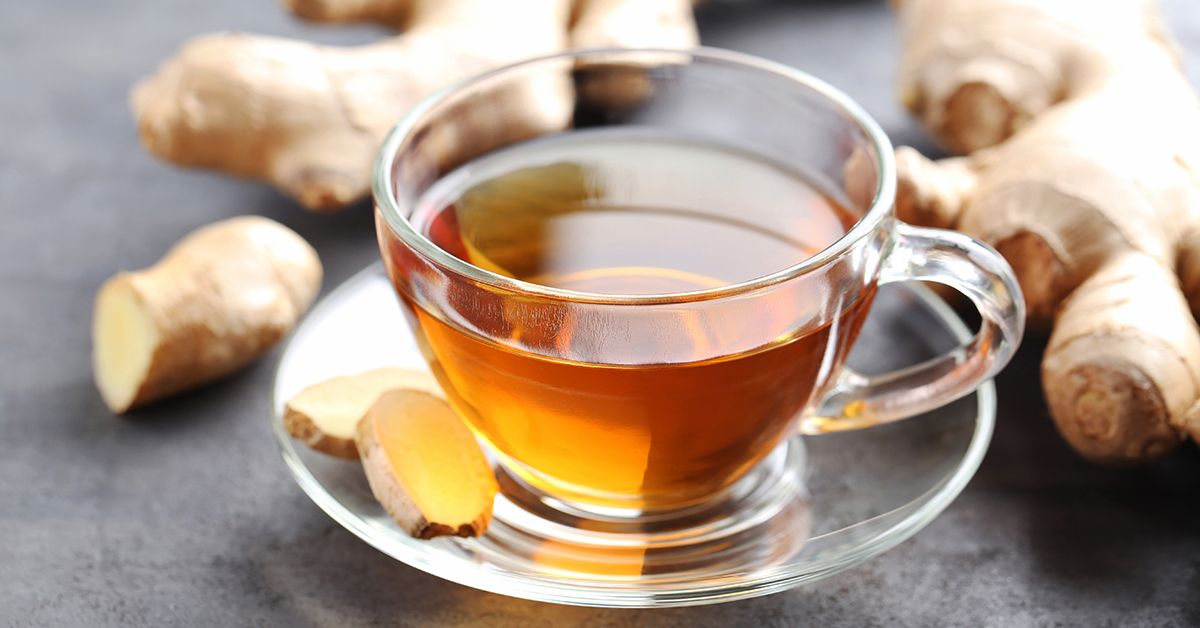
Ginger brings warmth, spice, and digestive comfort to stress tonics. Since stress often shows up in the stomach, ginger can be a smart ingredient for a soothing drink after a long day. Fresh ginger slices, lemon juice, and honey make a simple tonic that tastes like it has its life together.
Turmeric
Turmeric is famous for its golden color and earthy flavor. It is often used in “golden milk,” a warm drink made with milk or a plant-based alternative, turmeric, ginger, cinnamon, and a small pinch of black pepper. Turmeric is not a sedative, but it fits well into an anti-inflammatory, comfort-focused routine.
Mint
Mint is refreshing, caffeine-free, and easy to use in hot or iced drinks. Peppermint and spearmint can make a tonic feel crisp and clean, which is especially nice when your brain feels like a laundry basket full of tangled headphones.
Cocoa
Unsweetened cocoa can turn a stress tonic into a cozy treat. Cocoa contains plant compounds and a rich flavor that feels indulgent without needing a sugar avalanche. Pair it with warm milk, cinnamon, and a small amount of maple syrup or honey for a balanced evening drink.
Magnesium-Rich Foods
Magnesium supports normal muscle and nerve function, and many people do not get enough from food. Instead of immediately reaching for supplements, try adding magnesium-rich ingredients such as pumpkin seeds, spinach, almonds, chia seeds, or oats to smoothies and tonics. Food-first is usually the friendlier route.
DIY Tonics to Relieve Stress
1. Chamomile Lemon Honey Tonic
Best for: Evening calm, bedtime routine, caffeine-free relaxation.
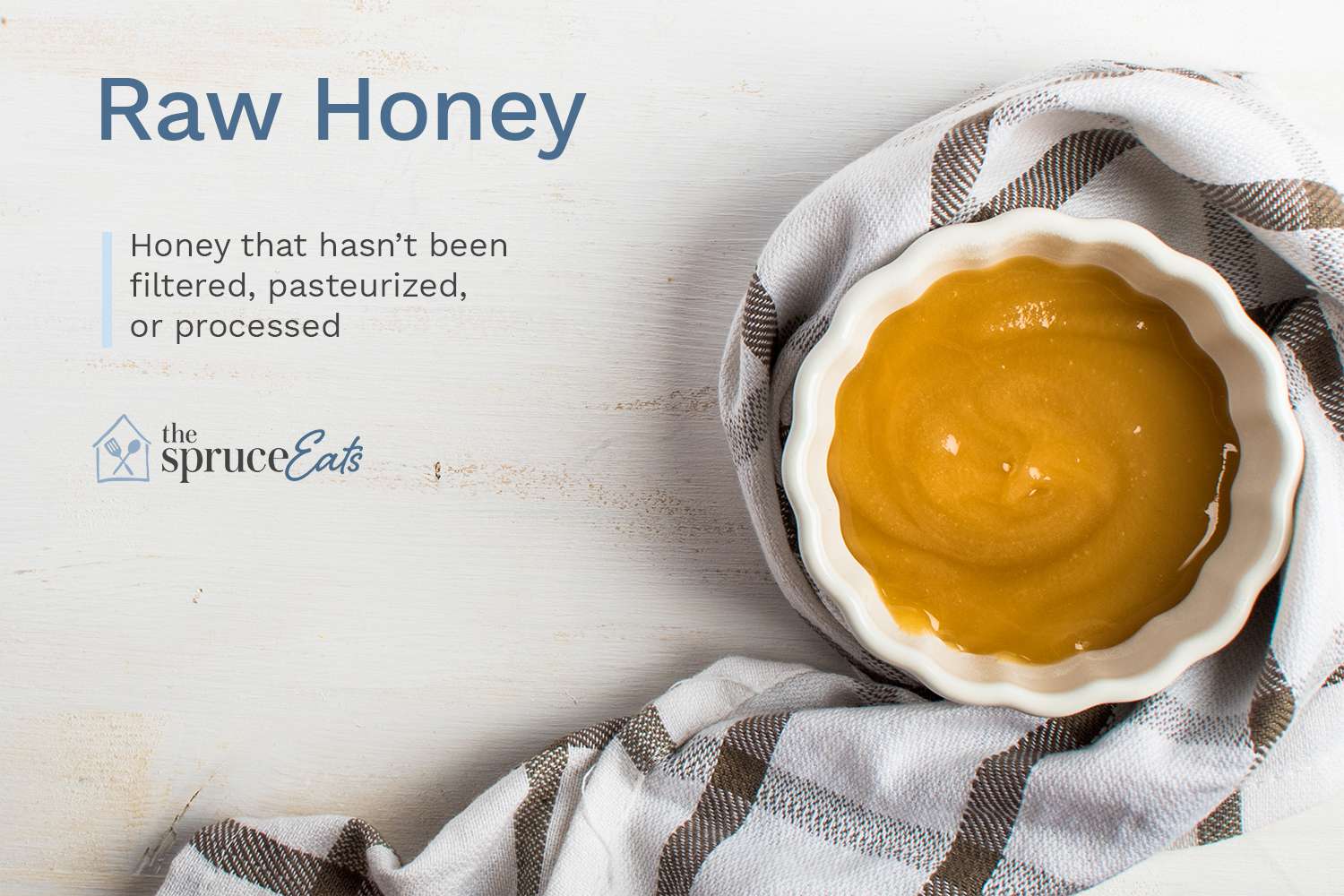
Ingredients: 1 chamomile tea bag or 1 tablespoon dried chamomile, 1 cup hot water, 1 teaspoon honey, 1 teaspoon fresh lemon juice, and a thin lemon slice.
How to make it: Steep chamomile in hot water for 5 to 7 minutes. Remove the tea bag or strain the flowers. Stir in honey and lemon juice. Sip slowly while doing absolutely nothing productive for five minutes. Yes, that counts as wellness.
Why it helps: Chamomile is caffeine-free and naturally suited to a wind-down ritual. The warmth encourages slower sipping, while honey and lemon make the drink bright and soothing.
2. Ginger Mint Stress-Reset Tonic
Best for: Afternoon tension, digestive discomfort, screen-break moments.
Ingredients: 1 cup hot water, 3 to 4 thin slices fresh ginger, 5 fresh mint leaves, 1 teaspoon honey, and a squeeze of lime.
How to make it: Add ginger and mint to hot water. Steep for 8 minutes. Stir in honey and lime. For an iced version, let it cool and pour over ice.
Why it helps: Ginger brings warmth, mint feels refreshing, and the drink can replace a late-day coffee when you want comfort without extra jitters.
3. Golden Milk Comfort Tonic
Best for: Cozy evenings, cold weather, comfort without caffeine.
Ingredients: 1 cup milk or unsweetened almond milk, 1/2 teaspoon turmeric, 1/4 teaspoon cinnamon, 1/4 teaspoon grated ginger, a tiny pinch of black pepper, and 1 teaspoon maple syrup or honey.
How to make it: Warm the milk gently in a saucepan. Whisk in turmeric, cinnamon, ginger, black pepper, and sweetener. Do not boil. Pour into a mug and sip while pretending your kitchen is a tiny spa.
Why it helps: This tonic is warm, creamy, and satisfying. The flavor feels like dessert’s responsible cousin, and the ritual can help signal the end of a stressful day.
4. Green Tea Citrus Calm Tonic
Best for: Morning or early afternoon focus with less caffeine than coffee.
Ingredients: 1 green tea bag, 1 cup hot water, 1 orange slice, 1 teaspoon lemon juice, and fresh mint.
How to make it: Steep green tea for 2 to 3 minutes to avoid bitterness. Add citrus and mint. Drink warm or chill it for an iced tonic.
Why it helps: Green tea offers gentle caffeine plus L-theanine. It can support calm alertness without the “I can hear colors” feeling some people get from too much coffee.
5. Tart Cherry Sleep-Support Tonic
Best for: Nighttime routines and people who want a naturally sweet drink.
Ingredients: 1/2 cup unsweetened tart cherry juice, 1/2 cup sparkling water or still water, 1 teaspoon lime juice, and a few mint leaves.
How to make it: Combine tart cherry juice, water, lime, and mint. Serve over ice. For a warmer version, mix tart cherry juice with warm water and a cinnamon stick.
Why it helps: Tart cherry juice is commonly used in sleep-support routines. Keeping the serving modest helps avoid turning a calming drink into a sugar bomb wearing yoga pants.
6. Cocoa Cinnamon “No Panic, Just Pajamas” Tonic
Best for: Comfort cravings, evening relaxation, replacing sugary desserts.
Ingredients: 1 cup milk or soy milk, 1 tablespoon unsweetened cocoa powder, 1/4 teaspoon cinnamon, 1 teaspoon honey or maple syrup, and a drop of vanilla extract.
How to make it: Warm the milk. Whisk in cocoa, cinnamon, sweetener, and vanilla until smooth. Sip slowly. Bonus points if you wear socks that have no business being seen in public.
Why it helps: This tonic feels indulgent while staying simple. Warm milk-based drinks can become a comforting bedtime cue, especially when they replace late-night snacking or scrolling.
7. Magnesium-Rich Banana Oat Smoothie
Best for: Stressy mornings, skipped breakfast recovery, steady energy.
Ingredients: 1 banana, 1/4 cup oats, 1 tablespoon pumpkin seeds, 1 tablespoon almond butter, 1 cup milk or fortified plant milk, and a pinch of cinnamon.
How to make it: Blend everything until smooth. Add ice if you like a colder drink.
Why it helps: This smoothie includes fiber, healthy fats, and magnesium-rich ingredients. Balanced nutrition can help prevent the blood sugar roller coaster that often makes stress feel louder.
How to Turn a Tonic Into a Real Stress Remedy
The drink is only half the story. The other half is how you drink it. A stress tonic chugged while answering emails, checking notifications, and mentally rehearsing tomorrow’s problems is basically just flavored multitasking. To make it more effective, pair your tonic with a calming ritual.
Try this simple routine: prepare your drink, sit somewhere quiet, relax your jaw, lower your shoulders, and take five slow breaths before the first sip. Then drink without your phone for at least five minutes. Notice the temperature, smell, and taste. This tiny pause helps your body receive the message: “We are not currently being chased by a bear, a boss, or a group chat.”
What to Avoid in Stress Tonics
Some ingredients sound relaxing but can work against you. Too much caffeine may increase jitteriness and interfere with sleep. High-sugar drinks can cause energy spikes and crashes. Alcohol may feel calming at first but often disrupts sleep and can worsen mood the next day. Concentrated herbal extracts and supplement powders deserve caution, especially ashwagandha, kava, valerian, and multi-ingredient “calm blends” with vague labels.
Be especially skeptical of products that promise instant cortisol control, total nervous system resets, or “ancient detox secrets.” Your liver and kidneys are already running the detox department. They do not need a celebrity-branded powder with a beige label and a monthly subscription.
When Stress Needs More Than a DIY Drink
DIY stress remedies are best for everyday tension, not serious or persistent distress. If stress is interfering with sleep, school, work, relationships, appetite, or daily functioning, it may be time to talk with a healthcare professional, counselor, or trusted support person. Getting help is not dramatic. It is maintenance. Even cars get checkups, and they do not have to deal with inboxes.
Also seek medical guidance if you have chest pain, fainting, severe panic symptoms, major changes in mood, or symptoms that feel unusual for you. Stress can affect the body in real ways, but not everything should be dismissed as “just stress.”
Simple Daily Stress-Relief Tonic Schedule
Morning: Try green tea citrus tonic if you want gentle focus. Pair it with breakfast instead of drinking caffeine on an empty stomach.
Afternoon: Choose ginger mint tonic or cucumber mint water when energy dips. Take a five-minute walk if possible.
Evening: Use chamomile tea, golden milk, or cocoa cinnamon tonic as a screen-free wind-down cue.
Before bed: Keep drinks small so you do not wake up at 2 a.m. for a bathroom field trip. The calmest bedtime tonic is less helpful if it starts a midnight hallway adventure.
Experience Notes: What DIY Stress Tonics Feel Like in Real Life
The biggest surprise about stress tonics is that they work best when you stop expecting them to act like medicine and start treating them like a ritual. In real life, stress rarely disappears because you drank something with mint in it. But the process of making the drink can interrupt the stress loop. You stand up. You boil water. You slice ginger or squeeze lemon. You smell something fresh. For a few minutes, your brain is given a job that is not “worry about everything in alphabetical order.”
Chamomile tea is often the easiest place to begin. It is simple, affordable, and not trying too hard. A cup of chamomile in the evening can become a boundary between the day and the night. It says, “The office is closed,” even if the office is your kitchen table and your laptop is still staring at you like a needy raccoon. Adding lemon and honey makes it feel less like a punishment and more like a small kindness.
Ginger mint tonic is better for the person who wants something with a little personality. It has a bright, spicy flavor that wakes up the senses without leaning on caffeine. On stressful afternoons, it can replace the extra coffee that seems like a good idea at 3:00 p.m. and a terrible idea at 11:47 p.m. Fresh ginger also makes the drink feel homemade in a satisfying way, as if you have briefly become the kind of person who owns matching glass jars.
Golden milk is the comfort drink. It is creamy, warm, and slightly earthy. Some people love it immediately; others need to adjust the turmeric so it does not taste like the spice cabinet fell into a mug. The trick is balance: enough cinnamon for sweetness, enough ginger for warmth, and just a tiny pinch of black pepper. It is especially nice after a long day when your body feels tense and your brain has been buffering since noon.
The magnesium-rich smoothie works best in the morning or after a stressful period when meals have become chaotic. Stress can make people skip breakfast, snack randomly, or live on caffeine and crumbs. A smoothie with banana, oats, pumpkin seeds, and almond butter feels steady. It is not glamorous, but it is dependablethe cardigan of stress remedies. It helps create a calmer foundation because hunger and stress love to team up and act like a tiny emotional marching band.
The most useful lesson is this: the tonic is the invitation, not the entire solution. The drink invites you to pause, breathe, hydrate, nourish yourself, and step out of panic mode. When combined with sleep, movement, sunlight, realistic planning, and actual human connection, these DIY tonics can become powerful little anchors in the day. Not magical. Not dramatic. Just practical, warm, and quietly helpfulwhich is honestly more than we can say for most group chats.
Conclusion
Stress remedies do not need to be complicated, expensive, or sprinkled with wellness fairy dust. A good DIY tonic uses simple ingredients, supports hydration, fits your routine, and helps you slow down long enough for your nervous system to unclench. Chamomile, ginger, mint, turmeric, green tea, cocoa, tart cherry juice, and magnesium-rich foods can all play a role in calming rituals when used wisely.
The key is consistency. Choose one tonic for morning focus, one for afternoon reset, and one for evening relaxation. Keep the ingredients simple. Avoid too much caffeine, added sugar, alcohol, and questionable supplement blends. Most importantly, use the drink as a reason to pause. Because sometimes the most powerful stress remedy is not the tonic itselfit is the five quiet minutes you finally gave yourself.