Editorial note: This article is an original, web-ready rewrite inspired by the idea of using AI art tools to create creepy Valentine’s cards. It does not reproduce the original captions or source links.
Valentine’s Day is usually the season of soft pink hearts, grocery-store roses, chocolate boxes, and cards that say things like “You’re my everything” in a font that looks like it just got engaged. Lovely? Sure. Predictable? Absolutely. So I decided to take the holiday in a different direction: straight down a candlelit hallway where a porcelain doll is probably waiting at the end.
The project was simple in theory: use AI to make creepy Valentine’s cards, then polish the results into a small set of eight printable designs. The final mood was half romance, half haunted attic, with just enough humor to keep the whole thing from becoming evidence in a police procedural. Think vintage lace, monster grins, suspiciously affectionate ghosts, and love notes that sound sweet until you read them a second time.
AI image generation is perfect for this kind of strange creative experiment because it thrives on unusual combinations. “Cute Valentine card” is easy. “Creepy cute Valentine card featuring a lovesick swamp creature holding a wilted bouquet under a blood-red moon” is where the machine starts to earn its little digital cape. The trick is not simply asking AI for something scary. The real magic happens when you guide the tone: funny but unsettling, romantic but weird, polished but still delightfully cursed.
Why Creepy Valentine’s Cards Actually Make Sense
At first glance, horror and Valentine’s Day seem like an awkward couple. One brings flowers; the other brings fog machines and suspicious noises from the basement. But the pairing works better than expected because Valentine’s Day has never been only about perfect romance. Cards have always reflected personality, culture, humor, and sometimes a tiny bit of emotional chaos.
In the United States, Valentine’s Day remains one of the biggest card-giving occasions of the year. Greeting cards are still a major consumer category, and Valentine cards continue to hold a nostalgic place in American culture. But modern audiences also love personalized, funny, niche, and slightly rebellious designs. Not everyone wants a card with a golden retriever holding a rose. Some people want a skeleton whispering, “You make my heart rattle.” That is romance with bone structure.
There is also historical precedent for darker Valentine’s cards. In the 19th century, “vinegar valentines” became popular as cheap, sarcastic, sometimes downright mean cards that mocked the recipient instead of flattering them. They were the Victorian version of sending someone a subtweet, except with more ink and worse dental hygiene. Today’s creepy AI Valentine cards are not meant to insult anyone, but they do borrow that spirit of anti-sentimentality: a wink, a jab, a twist on the holiday’s sugar-heavy traditions.
The Creative Concept: Romance, But Make It Haunted
For this AI Valentine card experiment, the goal was to create eight images that looked like they belonged in a dusty shoebox discovered in a mysterious aunt’s attic. Each card needed a clear Valentine’s Day connection, but none of them could feel generic. Hearts, lace, flowers, ribbons, handwritten messages, and red-pink palettes were useful ingredients. Then came the creepy seasoning: distorted shadows, ghostly characters, monster faces, antique textures, strange eye contact, and expressions that say, “I wrote you a love poem and also know where you keep your spare key.”
The best creepy Valentine’s cards balance three elements: charm, discomfort, and joke timing. If the card is too scary, it stops feeling like a Valentine and becomes a warning label. If it is too cute, the creep factor disappears. If the wording is too bland, the whole design falls flat. The sweet spot is playful unease. The recipient should laugh first, then wonder why the cherub in the corner has too many teeth.
How I Used AI To Make the Cards
The process began with prompt writing. Instead of typing one vague request like “make a creepy Valentine card,” I treated each image as a mini art direction brief. A useful AI prompt includes subject, mood, setting, style, color palette, composition, and finishing details. For example, a prompt might describe a vintage greeting card illustration with a lonely ghost holding roses, soft paper grain, hand-drawn lettering space, muted reds, aged cream background, and a humorous gothic mood.
After generating multiple options, I selected the strongest designs and rejected anything with obvious AI weirdness that did not serve the concept. AI tools are famous for creating extra fingers, unreadable text, lopsided faces, and objects that appear to be both a candle and a shrimp. Sometimes those glitches help a creepy project. Most of the time, they just look messy. The difference is intention. A monster with six fingers can be funny. A human hand melting into a bouquet because the software panicked is less “spooky Valentine” and more “printer error with feelings.”
The next step was editing. AI-generated cards usually need human cleanup. Text often has to be added manually because image tools still struggle with clean typography, especially on small greeting-card layouts. I adjusted contrast, cropped compositions, refined borders, and made sure the final cards looked printable rather than like screenshots from a fever dream. A little Photoshop-style polishing can turn a chaotic AI output into a finished design.
The 8 Creepy Valentine Card Ideas
1. The Possessive Ghost
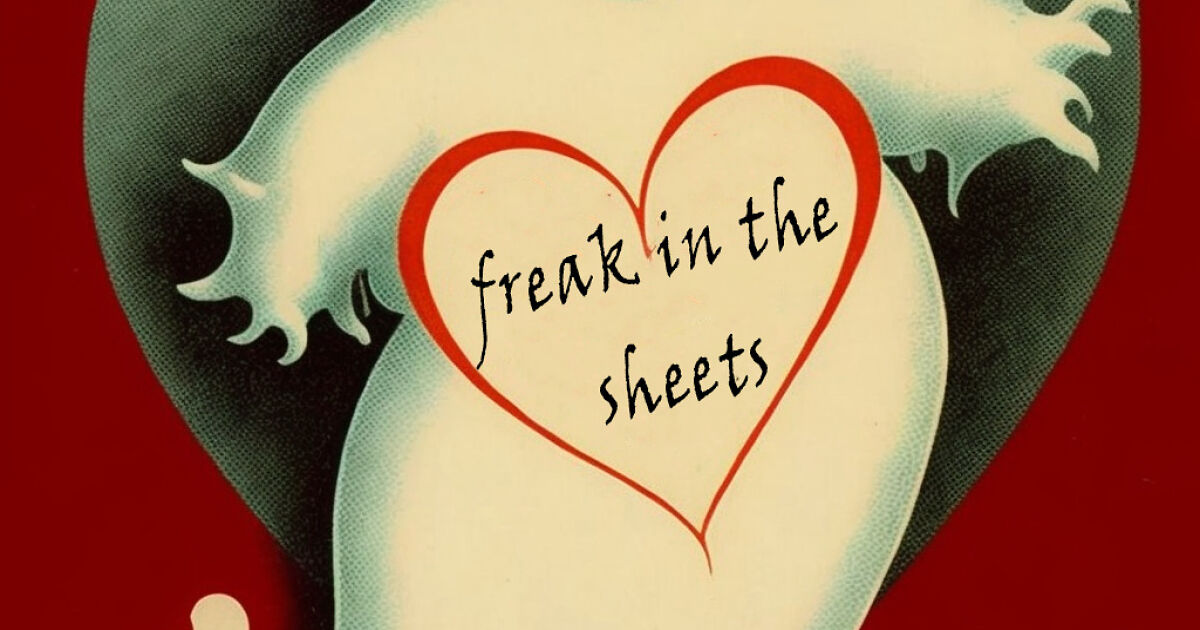
This card features a pale ghost floating beside a cracked heart-shaped mirror. The visual joke is that the ghost looks lonely, romantic, and slightly too committed. The message could read: “I’ll haunt you always.” It is sweet in the way a locked diary is sweet. The design works because the ghost is more adorable than terrifying, which keeps the tone playful.
2. The Monster With Flowers
A swampy creature holding a bouquet of wilted roses makes a surprisingly strong Valentine. The creature’s expression should be bashful, not aggressive. The humor comes from contrast: a face only a cryptid researcher could love, paired with the tender awkwardness of someone asking, “So… do you maybe want to split a dessert?”
3. The Doll That Loves Too Much
Porcelain dolls are already doing most of the work in the creepy department. Add lace, a heart-shaped box, and one cracked glass eye, and suddenly the Valentine energy becomes deeply suspicious. This card is best with a short, funny line such as: “You’re my favorite human.” The word “human” does a lot of heavy lifting.
4. The Skeleton Sweetheart
A skeleton in a red bow tie holding a tiny heart is classic horror-comedy. It is not too grotesque, it is instantly readable, and it lends itself to endless puns. The card might say: “You make my heart skip… if I had one.” Skeleton humor is dependable because it is romantic, ridiculous, and medically questionable.
5. The Vampire Valentine
The vampire card leans elegant: velvet curtains, moonlight, a red envelope sealed with wax, and a charming undead admirer. The key is to avoid making it too violent. A good creepy Valentine should be safe, funny, and stylish. The message could be: “You’re just my type.” It is a blood joke without needing to redecorate the room.
6. The Haunted Teddy Bear
A teddy bear is one of the most recognizable Valentine gifts, which makes it perfect for a creepy remix. Give it button eyes, stitched seams, a shadow that does not match its body, and a tiny heart that says “hug me.” The result is cute enough for a card and unsettling enough to keep on the fridge only during daylight hours.
7. The Love Letter From the Basement
This card uses atmosphere more than character. Imagine an old envelope on a wooden table, candle wax dripping nearby, rose petals scattered like clues, and a dark stairway in the background. The message could be: “I wrote this from the depths of my heart.” The line sounds romantic until the image asks, “Which depths, exactly?”
8. The Many-Eyed Cherub
The final card twists the classic Valentine cherub. Instead of a perfectly cute cupid, this one has tiny wings, a crooked bow, and far too many watchful eyes. The design should remain whimsical, not grotesque. The caption might say: “I only have eyes for you.” Yes, it is obvious. No, that does not make it less funny.
Why AI Makes the Creepiness Even Creepier
AI art can feel eerie because it often lands in the “almost right” zone. A face may look human but not quite. A smile may be warm but slightly off. A hand may be elegant until you count the fingers and realize math has left the building. This near-human strangeness is part of what people call the uncanny valley: the uncomfortable feeling we get when something appears close to real but misses in a noticeable way.
For most commercial design projects, the uncanny valley is a problem. For creepy Valentine’s cards, it can be a gift. The odd textures, strange symmetry, and dreamlike compositions can make the final images feel like artifacts from another timeline. Still, the creator has to stay in control. The best AI-assisted designs use weirdness on purpose. They do not simply accept every glitch and call it “art,” although that is tempting when the deadline is breathing down your neck.
Design Tips for Making Creepy AI Valentine Cards
Start with a strong style direction. “Vintage horror Valentine card” is better than “creepy card.” “1920s greeting card illustration with gothic lace, muted red ink, aged paper texture, and a lonely cartoon vampire” is better still. AI tools respond well to specificity, especially when you describe the final use case.
Leave space for typography. If you want a printable card, ask for a clean area where text can be placed later. Do not rely on the AI model to spell your romantic punchline correctly. Otherwise, you may end up with a card that says “Be My Vlanetne, Flesh Potato,” which is memorable but not always marketable.
Use a limited color palette. Classic Valentine colors like red, pink, cream, black, and deep purple create instant seasonal recognition. Too many colors can make the card look chaotic. Creepy design benefits from restraint. A pale background, one dramatic red accent, and a dark character silhouette can be more effective than throwing the entire Halloween aisle into the prompt.
Polish the final layout manually. Add readable text, fix awkward borders, remove distracting artifacts, and prepare the image at print-friendly resolution. If the card will be sold or published, check the terms of the AI tool and understand what rights you have. For creative projects involving generative AI, human authorship, editing, selection, arrangement, and disclosure can matter. In plain English: do not just press a button and pretend you painted it by candlelight during a thunderstorm.
Are AI Valentine Cards Ethical?
AI art is fun, but it comes with real creative questions. Many artists worry about training data, style imitation, credit, and the flood of low-effort content into marketplaces. Those concerns deserve respect. A better approach is to use AI as a brainstorming and production tool while adding meaningful human direction. Create your own prompts, edit the results, write original captions, avoid copying living artists’ signature styles, and be transparent when AI plays a major role.
For personal cards, the stakes are usually low. If you make a haunted teddy bear Valentine for your friend who loves horror movies, no one is likely to convene an ethics tribunal in your kitchen. For commercial use, the stakes rise. Choose tools with clear licensing, avoid recognizable copyrighted characters, and do not market AI-generated work as handmade illustration unless you actually illustrated it. Romance is lovely; misleading customers is not.
What Makes These Cards Shareable?
Creepy Valentine cards work well online because they interrupt expectations. People scroll past hundreds of polished, sentimental designs. Then a many-eyed cherub appears with a love note, and suddenly the thumb stops. The card is not just a greeting; it is a tiny joke, a visual surprise, and a conversation starter.
The “8 pics” format also helps. A compact image set gives readers variety without asking for a long commitment. Each card can have its own personality, caption, and punchline. Some people will like the vampire. Others will prefer the skeleton. Someone out there will deeply identify with the haunted teddy bear, and frankly, I hope they are doing okay.
My Experience Making Creepy AI Valentine Cards
Making these cards taught me that AI is less like a magic wand and more like an intern with infinite energy, questionable hand anatomy, and no understanding of personal boundaries. It can produce dozens of ideas quickly, but it still needs direction. The first outputs were a mess in the most entertaining way. I got hearts that looked like raw steaks, cherubs with adult faces, roses growing out of places roses should not grow, and one teddy bear that appeared to be both proposing marriage and filing a tax return.
The early stage was all about exploration. I tested prompts with words like “gothic,” “vintage,” “macabre,” “cute horror,” “retro Valentine,” “paper texture,” “storybook monster,” and “darkly funny.” Some combinations worked immediately. Others created images that were creepy for the wrong reasons. There is a big difference between “adorably spooky” and “why does this clown have the emotional energy of a haunted DMV?”
One of the biggest lessons was that the caption changes everything. A creepy image without text can feel random. Add the right line, and suddenly it becomes a joke. The skeleton is just a skeleton until it says something charming. The ghost is just floating there until it becomes a clingy romantic. The vampire is just dramatic lighting with teeth until the pun lands. Good Valentine cards are tiny stories. Creepy Valentine cards are tiny stories with suspicious background music.
I also learned to embrace imperfection selectively. Some AI mistakes were worth keeping because they made the image stranger in a good way. A crooked smile, an oddly shaped rose, or a slightly exaggerated shadow could add personality. But unreadable text, melted fingers, and random objects fused into the character usually needed to go. Human editing is what separates “cool AI experiment” from “image generator sneezed into a greeting card.”
Printing the designs changed my opinion of them. On screen, they looked like digital jokes. On cardstock, they felt like real objects. The paper texture made the vintage effects stronger, and the small format helped hide minor weirdness. Cutting them out, stacking them together, and seeing all eight as a set made the project feel complete. It also made me realize that creepy cards are more personal than generic romantic ones. They say, “I know your sense of humor, and I respect your right to be a little unsettling.”
The reactions were the best part. People smiled, laughed, squinted, and occasionally said, “I hate this, but I want one.” That is the ideal review for creepy Valentine’s cards. They are not trying to replace traditional romance. They are offering an alternative for people who think love is wonderful, but would be even better with fog, fangs, and a suspiciously sentient teddy bear.
Conclusion
Using AI to make creepy Valentine’s cards is a perfect example of how generative tools can support playful, personal creativity when guided by a strong human idea. The technology can generate strange characters, vintage textures, gothic settings, and unexpected visual combinations at impressive speed. But the humor, taste, editing, and final message still come from the creator.
The best results happen when AI is treated as a collaborator, not a replacement for imagination. A prompt can summon the monster, but a person decides whether that monster is romantic, funny, printable, and worth sending to someone who appreciates a love note with mild curse energy. For anyone tired of predictable Valentine designs, creepy AI cards are a delightful little rebellion: sweet, strange, and just haunted enough to be memorable.