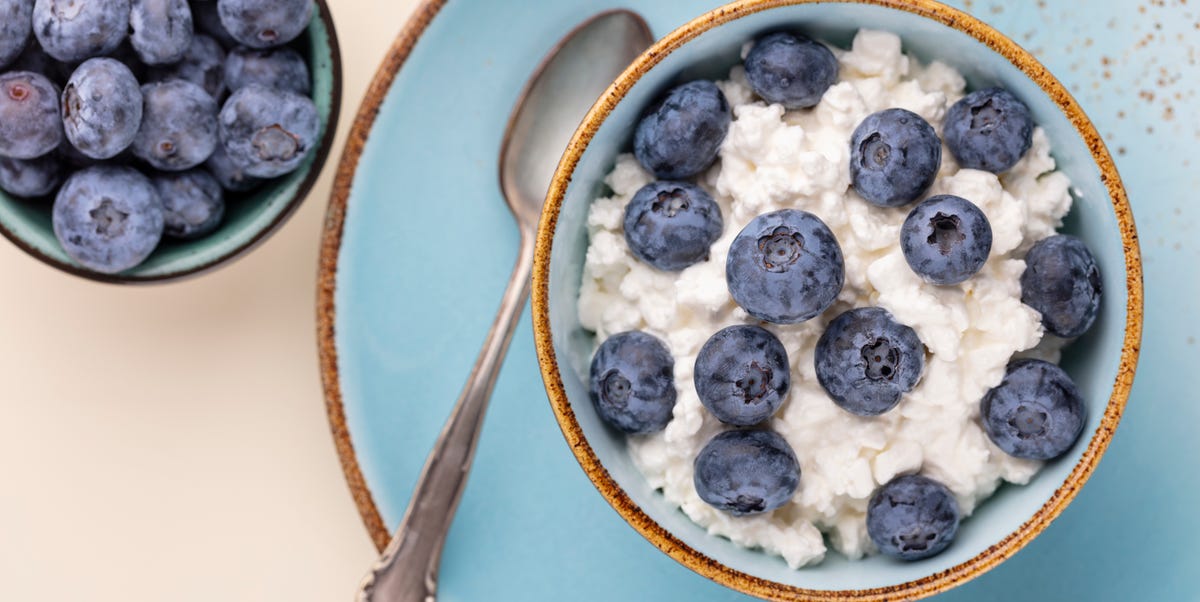
Cottage cheese has made the kind of comeback usually reserved for denim jackets, vinyl records, and people suddenly deciding they “love pickleball now.” Once seen as the sad scoop beside a canned peach, it is now blended into pancakes, whipped into dips, folded into eggs, spooned onto toast, and defended online with the passion of a sports team. But beneath the viral recipes and protein-obsessed hype, one question matters most: is cottage cheese actually healthy?
The expert answer is: yes, cottage cheese can be a very healthy food, but it is not magical fairy dust in dairy form. It is high in protein, relatively low in calories, rich in important nutrients such as vitamin B12, phosphorus, selenium, and calcium, and surprisingly versatile. At the same time, many brands are high in sodium, some versions contain more saturated fat than people realize, and it may not sit well with anyone who is lactose intolerant or sensitive to dairy.
So, should cottage cheese be in your fridge? Probably, if you like it and choose wisely. Should it replace every meal, snack, dessert, sauce, and personality trait? Absolutely not. Let’s unpack what nutrition experts say about cottage cheese, how it compares with other dairy foods, and how to eat it in a way that supports your health instead of just your TikTok algorithm.
What Is Cottage Cheese, Exactly?
Cottage cheese is a fresh cheese made from milk curds. Unlike aged cheeses such as cheddar or Parmesan, it is not pressed into a firm block or aged for months. It has a mild, slightly tangy flavor and a soft, lumpy texture that people either adore or describe as “emotionally complicated.”
The basic process starts by curdling pasteurized cow’s milk. The curds are separated from the whey, drained, and usually mixed with a creamy dressing. Depending on the brand and style, cottage cheese may be small-curd or large-curd, nonfat, low-fat, reduced-fat, or full-fat. Some versions contain live and active cultures, while others are simply cultured dairy products without probiotic benefits.
That variety matters. A half-cup of low-fat cottage cheese can look very different nutritionally from a cup of full-fat, salted cottage cheese. This is why experts usually recommend checking the Nutrition Facts label instead of assuming all cottage cheese is automatically a health halo food wearing tiny white curds.
Cottage Cheese Nutrition: The Big Picture
The main reason cottage cheese gets so much praise is protein. A typical half-cup serving provides about 11 to 14 grams of protein, depending on the brand and fat level. That is a lot for a relatively small portion, especially compared with many snack foods that bring calories to the party but forget to invite nutrients.
Cottage cheese is also generally lower in calories than many hard cheeses. A half-cup serving of low-fat cottage cheese often lands around 80 to 100 calories, while full-fat versions may be closer to 110 to 130 calories. It also supplies calcium, phosphorus, selenium, riboflavin, and vitamin B12, nutrients that help support bones, energy metabolism, red blood cell formation, and normal body function.
However, cottage cheese is not the highest-calcium dairy option. Yogurt and milk usually offer more calcium per serving, and many hard cheeses are more calcium-dense. Cottage cheese still contributes to calcium intake, but calling it a calcium superstar may be overselling it. Think of it as a reliable team player, not necessarily the MVP.
Why Experts Like Cottage Cheese
It Is High in Protein
Protein is essential for building and repairing tissues, supporting muscle, helping maintain fullness, and keeping meals satisfying. Cottage cheese is especially appealing because it gives you a meaningful protein boost without requiring a frying pan, a blender, or a complicated recipe involving twelve ingredients and one emotional support spatula.
Much of the protein in cottage cheese is casein, a dairy protein that digests more slowly than whey. That slow digestion can help provide a steadier release of amino acids. This is one reason athletes, older adults, and people trying to preserve muscle often use cottage cheese as a snack, especially in the evening.
It May Help With Fullness and Weight Management
No single food causes weight loss by itself, despite what dramatic headlines may suggest. Still, cottage cheese can be useful in a balanced eating pattern because protein-rich foods tend to be more filling. A bowl of cottage cheese with fruit may keep you satisfied longer than a sugary snack that disappears in three bites and leaves you negotiating with the pantry ten minutes later.
For weight management, the key is how you use it. Cottage cheese can be a smart breakfast, snack, or ingredient in a meal. It becomes less helpful if it is eaten as part of a crash diet or used to replace a wide variety of foods. Experts generally discourage single-food diets because they are boring, nutritionally limited, and likely to make you resent the food forever.
It Is Convenient and Versatile
Healthy eating becomes easier when nutritious foods are convenient. Cottage cheese scores well here. It requires no cooking, travels reasonably well in a cooler, and works in both sweet and savory meals. Add berries and cinnamon for breakfast. Spoon it onto whole-grain toast with tomato and black pepper. Blend it into a creamy pasta sauce. Stir it into scrambled eggs. Use it as a protein-rich base for dips.
That flexibility is one of its greatest strengths. The best healthy foods are not just nutritious on paper; they are foods you can realistically eat on a Tuesday when life is loud and your sink is already judging you.
The Main Downsides of Cottage Cheese
It Can Be High in Sodium
The biggest nutrition concern with cottage cheese is sodium. Many regular cottage cheese brands contain around 300 to 450 milligrams of sodium per half-cup serving. That may not sound alarming until you remember that many people eat closer to a full cup, especially when using it as a meal base.
The U.S. Daily Value for sodium is 2,300 milligrams, and heart-health organizations often encourage many adults, especially those with high blood pressure, to aim lower. If your breakfast bowl quietly contributes 700 or 800 milligrams of sodium before lunch, that matters.
This does not mean cottage cheese is “bad.” It means label reading is your friend. Look for “low sodium,” “reduced sodium,” or “no salt added” varieties if you eat cottage cheese often or are watching blood pressure. You can also balance a higher-sodium serving by pairing it with potassium-rich foods such as banana, avocado, spinach, tomatoes, or berries.
Some Versions Contain Saturated Fat
Cottage cheese comes in several fat levels. Nonfat and low-fat versions are lower in calories and saturated fat, while full-fat cottage cheese tastes richer and may feel more satisfying. Neither is automatically wrong. The best choice depends on your overall diet, health goals, taste preferences, and medical needs.
If you already eat a lot of saturated fat from butter, fatty meats, desserts, and full-fat dairy, choosing low-fat cottage cheese may be a smart move. If your diet is otherwise balanced and you prefer the texture of full-fat cottage cheese, a moderate portion can still fit. Experts increasingly focus on the whole dietary pattern, not just one isolated food.
It Contains Lactose
Cottage cheese is a dairy food, so it contains lactose. People with lactose intolerance may experience bloating, gas, cramps, or digestive discomfort after eating it. The amount tolerated varies from person to person. Some may handle a small serving; others may need lactose-free cottage cheese or a non-dairy alternative.
If dairy bothers your stomach, do not force cottage cheese into your routine just because the internet is currently blending it into cookie dough. Your digestive system gets a vote, and it is not shy about filing complaints.
Flavored Versions May Add Sugar
Plain cottage cheese is usually low in sugar, but flavored cups can include added sweeteners, fruit syrups, or dessert-style mix-ins. These can still be convenient, but they may turn a protein-rich snack into something closer to a sweetened dairy dessert.
For more control, start with plain cottage cheese and add your own fruit, cinnamon, vanilla, cocoa powder, nuts, seeds, or a drizzle of honey. You get flavor without handing the steering wheel to a mystery fruit gel hiding under the lid.
Is Cottage Cheese Good for Muscle Health?
Yes, cottage cheese can support muscle health because it provides high-quality complete protein, meaning it contains all nine essential amino acids. This is important for muscle maintenance, especially for active adults and older adults who may need to pay closer attention to protein intake.
Its casein content is one reason cottage cheese is often recommended as a nighttime snack. Casein digests slowly, which may help provide amino acids over a longer period. That does not mean cottage cheese will build muscle while you sleep if your exercise routine is mostly scrolling. But when combined with resistance training and enough total daily protein, it can be a useful addition.
Is Cottage Cheese Good for Gut Health?
The answer depends on the product. Some cottage cheese contains live and active cultures, which may contribute beneficial bacteria to the diet. Others do not. If gut health is your goal, check the label for terms such as “live cultures” or “active cultures.”
Even when cottage cheese contains cultures, it is not always as probiotic-rich as yogurt or kefir. Also, probiotics work best in the context of an overall gut-friendly eating pattern that includes fiber-rich foods such as beans, oats, fruits, vegetables, nuts, seeds, and whole grains. Cottage cheese plus berries and chia seeds? Excellent. Cottage cheese eaten alone while glaring into the refrigerator at midnight? Still protein, but not exactly a microbiome festival.
Is Cottage Cheese Better Than Greek Yogurt?
Cottage cheese and Greek yogurt are both nutritious, high-protein dairy foods, but they are not identical. Greek yogurt often provides more calcium and may contain more probiotics, depending on the brand. Cottage cheese usually has a thicker, curd-like texture and a savory edge that works well in meals where yogurt might taste out of place.
If sodium is your main concern, plain Greek yogurt is often lower in sodium than regular cottage cheese. If protein is your priority, both can be strong choices. If you want something creamy for dips, sauces, smoothies, or breakfast bowls, either can work. The winner depends less on some imaginary dairy Olympics and more on your nutrition needs and taste buds.
How to Choose the Healthiest Cottage Cheese
Read the Sodium Line First
If you eat cottage cheese regularly, sodium should be the first thing you check. A good everyday option is often lower in sodium while still offering at least 10 grams of protein per serving. No-salt-added versions may taste milder at first, but you can improve flavor with pepper, herbs, fruit, cinnamon, garlic powder, or fresh vegetables.
Choose the Fat Level That Fits Your Diet
Nonfat cottage cheese is lower in calories but can taste thinner. Low-fat cottage cheese is a popular middle ground. Full-fat cottage cheese is creamier and more satisfying for some people but higher in calories and saturated fat. There is no universal best choice. The healthiest version is the one that supports your goals and does not make you feel like you are eating punishment from a spoon.
Look for Short Ingredient Lists
A simple cottage cheese ingredient list may include cultured milk, cream, salt, and enzymes. Some products include gums or stabilizers to improve texture. These are not automatically harmful, but if you prefer less processed foods, choose brands with shorter lists.
Check for Live and Active Cultures
If you want potential probiotic benefits, pick a brand that clearly states it contains live and active cultures. Do not assume all cottage cheese offers this benefit. Labels matter.
Healthy Ways to Eat Cottage Cheese
Sweet Ideas
For a quick breakfast, top cottage cheese with berries, sliced banana, cinnamon, chopped walnuts, or a spoonful of chia seeds. For a dessert-like option, blend cottage cheese with cocoa powder, vanilla, and a small amount of maple syrup. The result is creamy, high-protein, and far more satisfying than pretending a rice cake is cake.
Savory Ideas
Try cottage cheese with cherry tomatoes, cucumber, cracked pepper, and fresh herbs. Spread it on whole-grain toast with avocado. Use it as a filling for omelets. Blend it into a creamy sauce for pasta or baked potatoes. Stir it into tuna salad or chicken salad for extra protein and creaminess.
Meal Prep Ideas
Cottage cheese works well in overnight oats, protein pancakes, egg bites, lasagna, dips, and smoothie bowls. Blending it creates a smoother texture for people who dislike curds but want the nutrition benefits. This is the secret cottage cheese handshake: if the texture bothers you, blend it until it stops looking like cottage cheese.
Who Should Be Careful With Cottage Cheese?
People with high blood pressure, heart disease, kidney disease, or sodium restrictions should be especially careful with regular cottage cheese and choose lower-sodium options when appropriate. People with lactose intolerance or dairy allergy should avoid or limit it based on medical guidance. Anyone with a history of disordered eating should be cautious about using cottage cheese as part of a restrictive or single-food diet.
Also, babies and young children have different nutrition needs, so parents should follow pediatric guidance before making cottage cheese a regular part of a child’s diet, especially because of sodium content.
So, Is Cottage Cheese Actually Healthy?
Yes, cottage cheese is healthy for many people when eaten in reasonable portions and chosen thoughtfully. It offers high-quality protein, important micronutrients, convenience, and flexibility. It can support fullness, muscle maintenance, and balanced meals. Experts tend to view it as one of the more nutritious cheese options, especially compared with many higher-calorie, higher-fat cheeses.
But the fine print matters. Cottage cheese can be salty. Full-fat versions add saturated fat. Flavored versions may add sugar. It is not ideal for everyone’s digestion. And no, eating cottage cheese three times a day will not automatically turn you into a wellness influencer with perfect lighting and matching glass containers.
The smartest approach is simple: choose a plain, lower-sodium cottage cheese when possible, pair it with fiber-rich foods, keep portions realistic, and use it as part of a varied diet. In that context, cottage cheese is not just a trend. It is a practical, protein-rich food that has earned its spot back in the fridge.
Personal Experience: What Eating Cottage Cheese Regularly Can Teach You
Adding cottage cheese to everyday meals can feel surprisingly easy once you stop treating it like a weird diet relic from the 1970s. The first lesson is that texture matters. Some people love the curds immediately; others need a little negotiation. Blending cottage cheese into a smooth spread or sauce can completely change the experience. It turns from “lumpy dairy situation” into something closer to ricotta, sour cream, or a creamy dip base.
One practical experience is using cottage cheese at breakfast. A bowl with berries, cinnamon, and nuts can be fast, filling, and balanced. The protein helps prevent that mid-morning crash where you suddenly become emotionally attached to a vending machine. Compared with a pastry or sugary cereal, cottage cheese with fruit feels more stable. It has sweetness, creaminess, crunch if you add nuts, and enough substance to keep you full.
Another useful experience is using it in savory meals. Cottage cheese on toast with tomatoes, black pepper, and a little olive oil can taste fresh and satisfying. Mixed into scrambled eggs, it makes them softer and boosts protein. Blended with garlic, lemon juice, and herbs, it becomes a dip for vegetables or whole-grain crackers. It is also surprisingly good in pasta sauce, where it adds creaminess without needing a heavy cream base.
The biggest real-life caution is sodium. Many people discover that their favorite cottage cheese has more salt than expected. If you eat a full cup, the sodium can add up quickly. This becomes especially noticeable if the rest of your day includes deli meat, canned soup, frozen meals, restaurant food, or salty snacks. Switching to a lower-sodium brand may taste bland at first, but adding herbs, fruit, or spices helps. Your taste buds adjust faster than you think, although they may complain dramatically for the first few servings.
Another lesson is that cottage cheese works best when paired with fiber. Cottage cheese alone is protein-rich, but it does not provide fiber. Add berries, peaches, apples, vegetables, oats, chia seeds, flaxseed, or whole-grain toast, and suddenly the snack becomes more complete. This combination supports fullness, digestion, and better overall nutrient balance. Protein may be the headline act, but fiber is the stage crew making the whole show work.
For people trying to eat more protein without cooking constantly, cottage cheese is genuinely helpful. It is ready straight from the container, which is a major advantage when life is busy. It can rescue a low-protein lunch, upgrade a snack, or make a simple meal feel more substantial. The trick is not to rely on it as a miracle food. Use it as one helpful tool among many: eggs, beans, fish, chicken, tofu, Greek yogurt, nuts, seeds, and whole grains all deserve space too.
The final takeaway from actually using cottage cheese regularly is that enjoyment matters. If you hate it, there is no nutritional law requiring you to eat it. Greek yogurt, kefir, tofu, eggs, legumes, and lean proteins can provide similar benefits. But if you like cottage cheese, it can be a smart, affordable, flexible food that fits into real life. And in the world of healthy eating, “fits into real life” is often the most underrated nutrient of all.
Conclusion
Cottage cheese deserves its comeback, but with a grown-up reality check. It is high in protein, useful for satisfying meals, and packed with nutrients that support muscles, bones, and overall health. Experts generally agree that it can be a healthy choice, especially when you choose plain, lower-sodium versions and pair it with fruits, vegetables, whole grains, nuts, or seeds.
The healthiest cottage cheese habit is not extreme. It is not a cottage cheese cleanse, a cottage cheese-only diet, or a daily attempt to turn every dessert into a “protein hack.” It is simply using a nutritious dairy food in balanced ways. Choose wisely, read labels, watch sodium, and enjoy it in meals that actually taste good. That is how cottage cheese goes from internet trend to genuinely useful kitchen staple.