Roses have a flair for drama. They bloom like celebrities, demand applause like divas, and punish lazy gardeners with thorns sharp enough to inspire personal growth. So when fall rolls around, many people assume it is time to give rose bushes a serious haircut. Not so fast, Edward Scissorhands.
The smartest way to trim rose bushes in fall is not the same as spring pruning. In fact, for many types of roses and in many colder regions, heavy fall pruning can do more harm than good. The real goal is to help your plant head into dormancy, reduce disease pressure, prevent wind damage, and set it up for a stronger spring comeback.
This guide walks you through exactly how to trim rose bushes in fall, what to cut, what to leave alone, which tools to use, and the common mistakes that turn a helpful cleanup into a seasonal plant betrayal. Whether you grow hybrid teas, floribundas, shrub roses, or a rose that seems to have its own opinion about everything, this step-by-step guide will help you do the job right.
The Big Fall-Pruning Truth Most Gardeners Need to Hear
Before you reach for the pruners, here is the key principle: fall trimming is usually light maintenance, not a full prune. A major prune typically happens in late winter or early spring when new growth is closer and winter damage is easier to assess. In fall, your mission is more about cleanup and protection.
That means you should focus on:
- Removing dead, damaged, or obviously diseased canes
- Cleaning up fallen leaves and old flower debris
- Shortening extra-tall canes if wind or snow could whip them around
- Leaving most healthy growth in place until spring
If you remember only one thing from this article, make it this: fall rose trimming is about preparing for winter, not reshaping the whole shrub like it is auditioning for a topiary competition.
Why Fall Trimming Matters
Done correctly, a light fall trim can help your roses in several useful ways. First, it reduces the chance that diseased leaves and infected cane tissue will sit around all winter like tiny troublemakers. Second, it prevents long canes from rocking in winter wind, which can loosen roots and damage the crown. Third, it makes winter protection easier, especially for tender rose types in cold climates.
Just as importantly, good fall care keeps you from making cuts that stimulate fresh, soft growth right before freezing weather arrives. That new growth is beautiful for about five minutes and then becomes winter’s favorite snack.
Best Time to Trim Rose Bushes in Fall
Timing matters. If you trim too early, your rose may respond by pushing new growth when it should be winding down for dormancy. If you wait too long, you may be working around frozen stems, icy soil, and fingers that no longer believe in gardening.
Use this timing rule
Wait until your area has had a hard frost or killing frost and the plant is beginning to go dormant. Leaves may start dropping, blooms will fade, and the plant will look less interested in putting on a performance.
Early fall is for slowing down, not cutting back hard
In early fall, stop encouraging lots of fresh growth. Avoid heavy pruning and go easy on fertilizer late in the season. Let the plant naturally prepare for dormancy. Some gardeners also stop deadheading late in the season so rose hips can form, which signals the plant to slow down for winter.
Tools You Need Before You Start
A great pruning job starts with tools that actually help instead of mangling stems like a bad haircut from a lawnmower.
- Bypass pruners: Best for clean cuts on live canes
- Loppers: Useful for thicker, woodier canes
- Heavy gloves: Because roses are pretty and also mildly vindictive
- Long sleeves: Your forearms will thank you
- Disinfectant: Rubbing alcohol or another appropriate sanitizer for blades, especially if disease is present
- Rake or garden bag: To remove fallen leaves and cut debris
Sharp tools make cleaner cuts, and cleaner cuts heal better. Dull tools crush stems, slow recovery, and make the whole process look like you lost an argument with the bush.
Step-by-Step: How to Trim Rose Bushes in Fall
Step 1: Inspect the plant before cutting anything
Start by standing back and looking at the whole rose bush. Notice its shape, height, obvious disease issues, broken stems, and any canes that are rubbing, crossing, or flopping dramatically in every direction.
Ask yourself three practical questions:
- Is this bush simply messy, or is it actually damaged?
- Are there diseased leaves or blackened canes that should go now?
- Are any canes tall enough to snap, whip, or loosen the plant in winter wind?
This quick inspection prevents unnecessary cuts and helps you trim with a purpose.
Step 2: Remove dead, damaged, and diseased canes
This is the most important fall trimming step. Dead canes are often dark brown, black, shriveled, or brittle. Diseased canes may show lesions, discoloration, or obvious dieback. Broken stems should go too, since they are weak points for future damage.
Cut these canes back to healthy tissue or remove them at the base if needed. Healthy cane tissue usually looks green on the outside and pale or white in the center when cut.
If the plant has disease problems, sanitize your blades between cuts or between plants so you do not spread trouble from one cane to the next like a very efficient little villain.
Step 3: Clean up leaf litter and old flower debris
Do not leave fallen leaves, spent petals, and cut stems piled around the base of the plant. Rose diseases such as black spot and other fungal issues can overwinter in debris, then come roaring back in spring like they paid rent.
Rake up everything around the bush, especially if the plant had disease during the growing season. Dispose of infected material rather than composting it unless you know your compost system gets hot enough to handle plant pathogens.
Step 4: Shorten only the canes that truly need it
This is where many gardeners overdo it. In fall, you are usually not trying to reduce the entire bush to a neat little mound. You are simply shortening overly tall canes that may whip in winter wind, break under snow, or make winter protection awkward.
A practical target for many upright roses is reducing tall canes to about 30 to 36 inches, depending on the plant and your climate. That is enough to reduce wind rock without stimulating a giant flush of tender new growth the way a hard prune can.
If your roses are already compact and not prone to winter breakage, you may not need to shorten healthy canes at all.
Step 5: Make each cut correctly
When you do shorten a cane, place the cut about 1/4 inch above an outward-facing bud. Angle the cut at roughly 45 degrees, slanting away from the bud. This helps direct future growth outward and improves airflow through the center of the plant.
That said, do not get so obsessed with the geometry of each cut that you forget the larger goal. In fall, the main priority is strategic cleanup and winter prep, not achieving rose-pruning perfection worthy of a botanical beauty pageant.
Step 6: Remove crossing or crowded canes only when clearly necessary
If two canes are rubbing hard against each other, or if one cane is growing inward and clearly crowding the center, you can remove it. This improves airflow and reduces disease risk. But keep the editing light. Save the more detailed structural shaping for spring, when you can see what winter actually did to the plant.
Step 7: Leave major shaping for spring
This step may feel unsatisfying, especially if you like tidy shrubs and immediate results. But patience pays off with roses. By leaving most healthy growth intact over winter, you give the plant more cane tissue to work with in case cold weather causes dieback.
Come late winter or early spring, you can assess the plant more accurately and prune for shape, size, vigor, and bloom performance.
Step 8: Protect the crown for winter
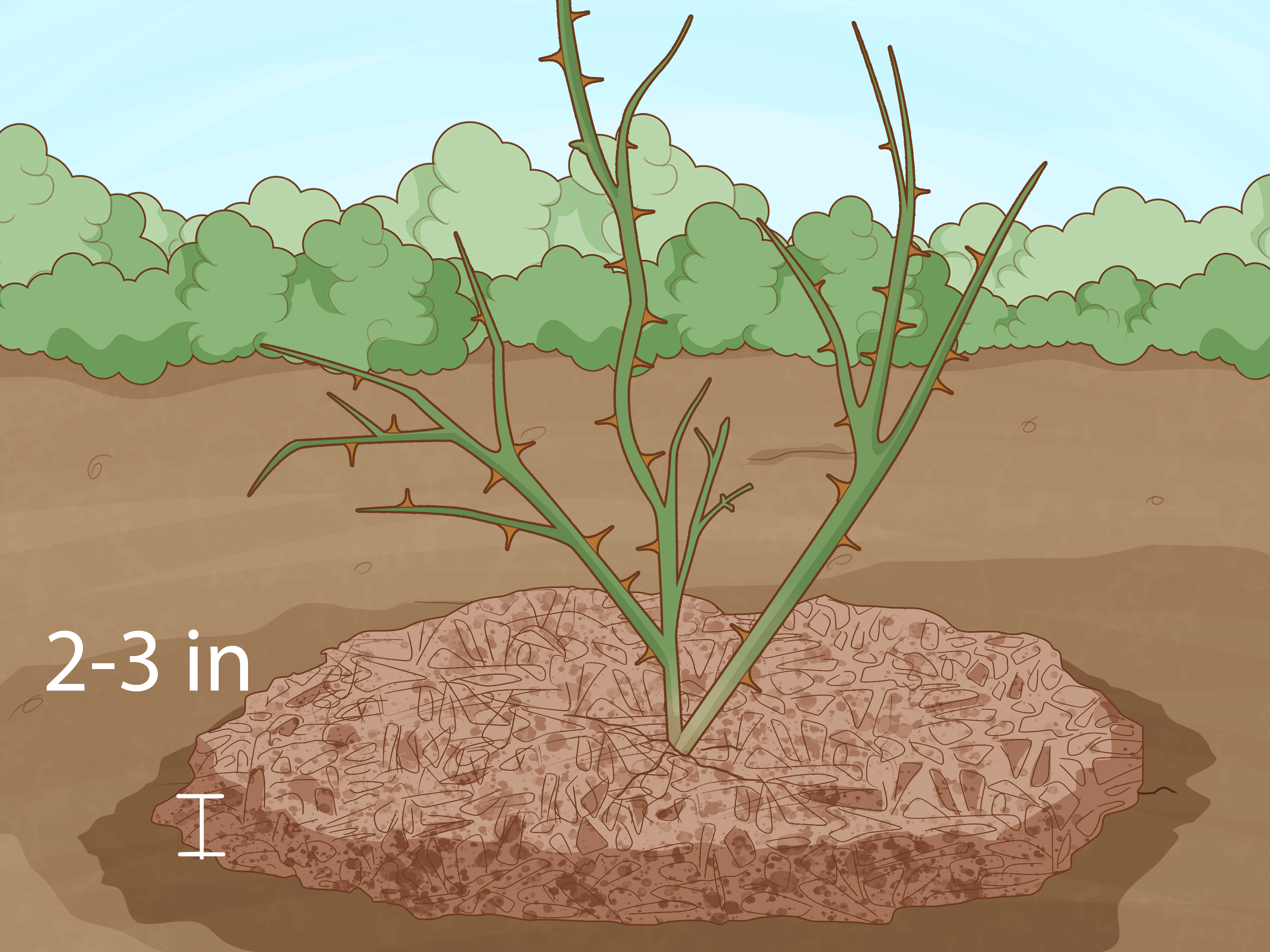
Once the weather is truly cold and the plant is dormant, add winter protection if your rose type or climate calls for it. In colder regions, gardeners often mound soil or compost around the base of the plant and add mulch after the ground is cold or frozen. Tender roses may need more protection than hardy shrub roses.
The goal is not to keep the plant warm like a spa guest. The goal is to keep it consistently cold and prevent repeated freezing and thawing, which can be more damaging than steady winter chill.
How Fall Trimming Changes by Rose Type
Hybrid tea and floribunda roses
These often benefit from light fall cleanup and shortening of tall canes to prevent wind damage. Full shaping comes later, usually in spring.
Shrub and landscape roses
These are usually lower-maintenance and often need less fall trimming. Remove diseased material and obvious damage, but avoid over-pruning.
Climbing roses
Be careful here. Climbers are the rebels of the rose world. Many should not be heavily pruned in fall. If needed, secure long canes, remove dead or diseased wood, and trim only enough to prevent winter damage. Major pruning is often done at a different time, depending on the type and bloom habit.
Old garden and once-blooming roses
These also play by different rules. Avoid heavy fall pruning unless there is clear damage or disease. Some bloom on old wood, so aggressive cutting can reduce next season’s flowers.
Common Mistakes to Avoid
- Pruning too early: This can trigger tender new growth before winter
- Cutting too much: A hard fall prune may reduce winter survival in colder climates
- Ignoring sanitation: Dirty blades and infected debris spread problems
- Treating all roses the same: Climbers, shrub roses, and hybrid teas have different needs
- Skipping winter protection where needed: Some roses can tough it out, others definitely cannot
- Fertilizing too late: Late-season feeding can encourage growth when the plant should be slowing down
A Simple Fall Rose Care Checklist
- Stop heavy feeding late in the season
- Wait for frost and early dormancy
- Inspect the bush carefully
- Remove dead, broken, and diseased canes
- Clean up leaves and debris around the base
- Shorten only tall canes that could suffer winter damage
- Make clean cuts above outward-facing buds
- Protect the crown after the weather turns consistently cold
- Save the major prune for late winter or early spring
Frequently Asked Questions
Can I cut my rose bush way back in fall?
Usually, no. In many climates, heavy fall pruning is not ideal because it can stimulate growth or reduce winter protection. Light cleanup is the better move.
Should I deadhead roses in fall?
Early in the season, yes, many gardeners deadhead normally. But later in fall, some stop deadheading so hips can form and help the plant transition toward dormancy.
What if my rose has black spot or diseased leaves?
Remove infected leaves from the plant and the ground, sanitize tools, and do not leave diseased debris around the base over winter.
Do all roses need winter protection?
No. Hardy shrub roses may need very little help. Tender hybrid teas and some grafted roses in colder regions often benefit from mounding, mulch, or other protection.
Final Thoughts
If you have been wondering how to trim rose bushes in fall, the answer is less about giving them a dramatic makeover and more about giving them smart seasonal support. Remove what is dead, diseased, broken, or dangerously tall. Clean up the mess. Protect the base. Then resist the urge to keep snipping just because the pruners feel powerful in your hand.
Roses reward restraint. A thoughtful fall trim helps them head into winter with less stress, less disease pressure, and less chance of being whipped around by icy winds. Then, when spring arrives, you can do the real shaping work with a much clearer view of what the plant needs.
In other words, fall is not the season for rose-bush reinvention. It is the season for strategic edits, good cleanup habits, and knowing when to put the pruners down and walk away like a mature adult.
Real-World Experiences: What Gardeners Learn the First Time They Trim Roses in Fall
Gardeners often remember their first fall rose-trimming session because it teaches one humbling lesson fast: roses do not care how organized your weekend plans were. You head outside expecting a quick cleanup, and suddenly you are negotiating with canes taller than your shoulder, a glove full of thorns, and a bush that somehow hooked your sleeve, your sweater, and your dignity all at once.
One of the most common experiences is the urge to cut too much. A rose can look shaggy in October, especially after a long blooming season, and many gardeners assume that a neat, hard-cut mound must be healthier. Then spring arrives and the plant responds with winter damage, slower recovery, or reduced bloom performance. After that, most people become believers in the “light touch” approach. They stop trying to make the plant look perfect for winter and start trimming only what truly needs attention.
Another real-world lesson comes from weather. In windy areas, tall canes can whip back and forth enough to loosen the plant at the base. Gardeners who have seen this happen tend to become much more practical. They no longer ask, “Should I make this bush symmetrical?” They ask, “Which of these canes is going to become a sail in January?” That shift in mindset leads to smarter fall trimming and healthier plants.
Many rose growers also discover that cleanup matters almost as much as cutting. It is easy to focus on the visible pruning and forget the layer of fallen leaves under the bush. But gardeners who have battled black spot know the value of removing leaf litter before winter. The difference often shows up the following spring, when the rose wakes up in a cleaner environment and the season starts with fewer disease headaches.
There is also the experience of learning each rose type’s personality. Shrub roses may shrug off winter with almost no fuss. Hybrid teas can behave like royalty and demand careful protection. Climbers, meanwhile, often make gardeners pause and say, “I should probably look this one up before I cut anything important.” That caution is a sign of progress, not insecurity.
Perhaps the best experience of all is what happens in spring. Gardeners who trim lightly in fall, protect the crown, and wait for late winter to do the major pruning often see stronger regrowth and better structure. It is one of those satisfying gardening moments where patience wins. And while roses may never become low-maintenance saints, they do become much easier to work with when you understand that fall trimming is less about control and more about preparation.