Note: This article is based on real research and guidance from reputable education, psychology, and health sources, rewritten in original American English for clean web publishing.
Introduction: Your Phone Is Not EvilIt Is Just Extremely Good at Its Job
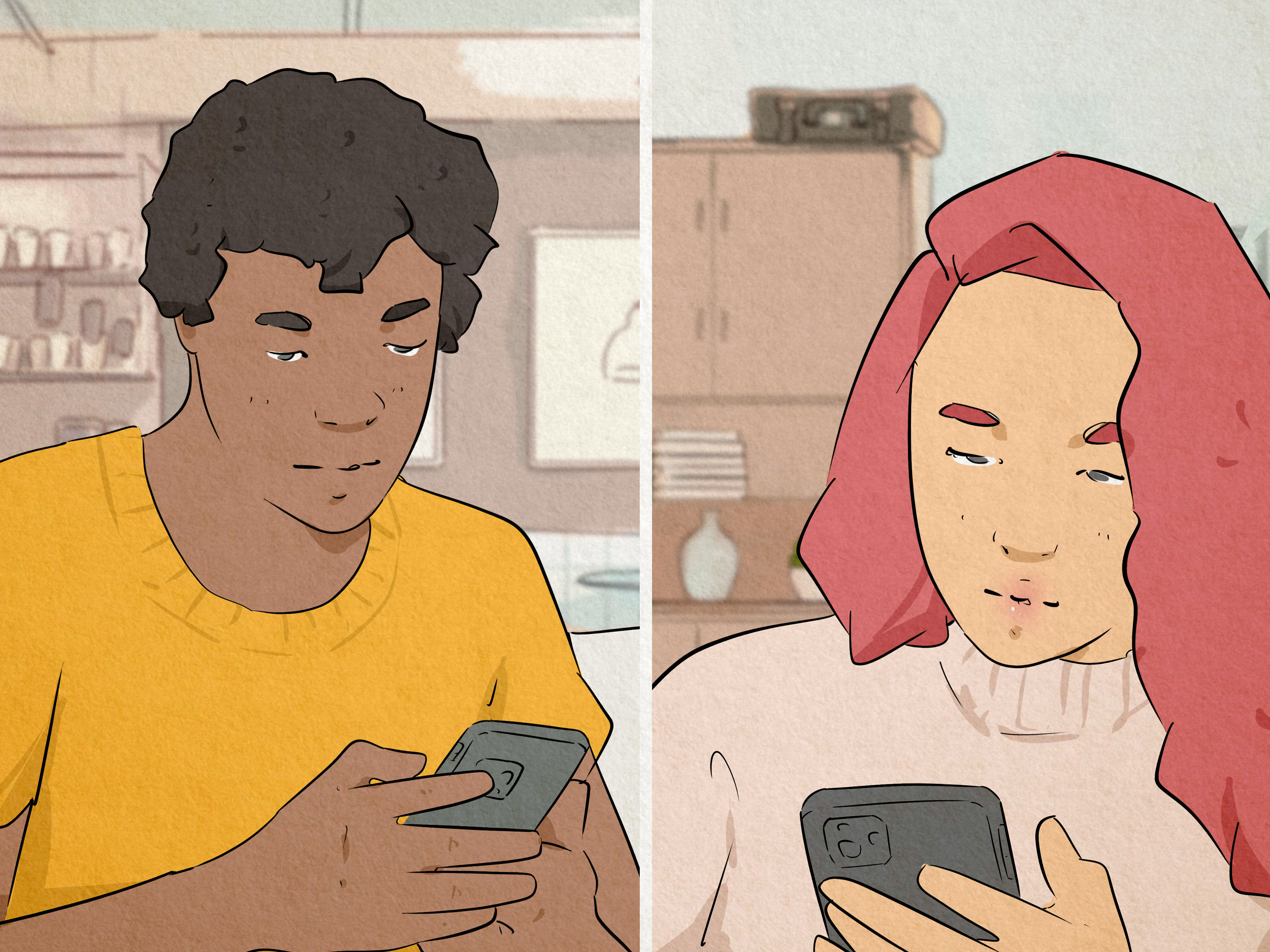
You sit down to study with heroic intentions. Notebook open. Highlighter ready. Water bottle nearby. Brain prepared to become an academic machine. Then your phone lights up. One notification becomes one reply. One reply becomes “just checking Instagram.” Suddenly, 38 minutes have disappeared, your textbook looks personally disappointed in you, and you are watching a video of a raccoon washing grapes.
If this sounds familiar, you are not lazy, broken, or doomed to academic chaos. Smartphones are designed to grab attention. Notifications, colorful app icons, endless scrolling, and quick rewards all compete with the slower, quieter work of learning. Studying requires deep focus, but phones thrive on interruption. That is why learning how to stop getting distracted by your phone when studying is not just a nice productivity trickit is a serious study skill.
The good news is that you do not need to throw your phone into the ocean, move to a cabin, or become the kind of person who says, “I only use my phone for calls.” You need a realistic system. This guide will show you how to reduce phone distractions, build better study habits, manage notifications, use focus tools wisely, and create a study environment where your brain can actually do its job.
Why Your Phone Is So Distracting During Study Time
Your phone is distracting because it offers instant rewards while studying offers delayed rewards. Reading a chapter on biology may help you pass next week’s quiz, but a message from a friend gives your brain an immediate little spark of excitement. Social media, games, videos, and group chats are built around fast feedback. Studying is built around patience. Unfortunately, patience is not exactly trending.
Even when you do not pick up your phone, its presence can pull part of your attention away from your work. A phone on the desk is like a tiny glowing portal to everything except the assignment in front of you. You may think, “I’m not using it,” but your brain still knows it is there. That small mental tug can make reading slower, note-taking weaker, and problem-solving more frustrating.
The Problem with “Just One Quick Check”
The phrase “just one quick check” has ruined many study sessions. Checking your phone does not only take the time you spend looking at it. It also costs the time your brain needs to return to the original task. After switching from algebra to TikTok, or from history notes to a group chat, your mind has to reload the assignment like an old laptop trying its best.
This is called attention switching. It feels harmless because the switch is fast, but repeated switching makes studying feel harder than it really is. You may start believing the subject is boring or impossible, when the real problem is that your concentration keeps getting sliced into tiny pieces.
Step 1: Put Physical Distance Between You and Your Phone
The simplest way to stop phone distraction while studying is also the most powerful: move the phone away from your body. Not face down. Not under your notebook. Not “technically nearby but I promise I won’t touch it.” Put it across the room, inside a bag, in a drawer, or in another room entirely.
Distance works because it adds friction. If your phone is next to your hand, checking it takes half a second. If it is in another room, checking it requires standing up, walking, and admitting to yourself that you are about to interrupt your study session. That tiny inconvenience gives your better judgment time to wake up and say, “Maybe finish the paragraph first, genius.”
Try the 10-Foot Rule
When studying at home, place your phone at least 10 feet away. When studying in a library, keep it zipped inside your backpack. When studying with friends, stack everyone’s phones in the middle of the table and agree not to touch them until break time. This turns focus into a group activity instead of a lonely battle against a rectangle.
Step 2: Turn Off Notifications Before You Start
Notifications are tiny attention thieves wearing friendly disguises. A buzz, ding, banner, or lock-screen preview can interrupt your thinking even if you do not respond. The best study session is not one where you heroically ignore 45 notifications. It is one where you never see them in the first place.
Before studying, turn on Do Not Disturb, Focus Mode, or Silent Mode. Disable lock-screen previews for social apps. Remove notification badges if those red circles make you feel like your phone is quietly judging you. The goal is to stop your phone from creating emergencies that are not actually emergencies.
Create a Study Focus Mode
Most smartphones allow custom focus settings. Create one called “Study,” “Deep Work,” or “Do Not Ruin My GPA.” Allow calls only from important contacts such as parents, guardians, or emergency numbers. Block notifications from social media, shopping apps, games, and entertainment apps. Schedule this focus mode during your normal study hours so you do not have to rely on willpower every single time.
Step 3: Use App Limits Like Training Wheels
App limits are not magic, but they are useful training wheels. Built-in tools like Screen Time on iPhone and Digital Wellbeing on Android can limit how long you spend on distracting apps. You can also use website blockers or study apps that lock certain apps for a set period.
The trick is to make the limits specific. Do not simply say, “I will use my phone less.” That is too vague. Try: “I will block social media from 7:00 p.m. to 8:30 p.m. while I study chemistry.” Specific rules are easier to follow because they remove negotiation. Your brain cannot argue with a locked app as easily as it can argue with a wish.
Block the Biggest Culprits First
You do not need to block every app. Start with the top two or three that waste the most time. For many students, those are short-video apps, social media, messaging apps, mobile games, and streaming platforms. If one app regularly turns a five-minute break into a 50-minute disappearance, it belongs on the blocked list during study time.
Step 4: Replace Phone Checking with Planned Breaks
Trying to study for three straight hours without touching your phone may sound impressive, but for most people it is unrealistic. A better strategy is to schedule phone breaks on purpose. This tells your brain, “You are not losing your phone forever. You can check it later.”
Use focused study blocks of 25 to 50 minutes, followed by a short break of 5 to 10 minutes. During the study block, the phone stays away. During the break, you can check messages, stretch, drink water, or stare dramatically out the window like the main character in an academic movie.
Use the Pomodoro Method Carefully
The Pomodoro Technique25 minutes of work followed by a 5-minute breakcan be helpful, but the phone break must have boundaries. Set a timer for the break too. Otherwise, your “quick scroll” may become a documentary-length tour of everyone else’s life. When the break timer ends, put the phone away immediately and return to studying.
Step 5: Make Your Study Plan Clear Before You Begin
A vague study session is an open invitation to distraction. If you sit down and think, “I should study something,” your phone will happily suggest 600 alternatives. Before starting, write down exactly what you plan to do.
For example, instead of “study math,” write: “Complete problems 1–15 on quadratic equations and review mistakes.” Instead of “study English,” write: “Read chapter 6 and write five bullet-point notes about the main conflict.” A clear plan gives your brain a target. Without a target, your attention wanders like a lost tourist with unlimited data.
Use a Mini Study Checklist
Create a short checklist before each session:
- What subject am I studying?
- What exact task will I finish?
- How long will I work before a break?
- Where will my phone be during this time?
This checklist takes less than one minute, but it can save an entire evening from becoming accidental screen time.
Step 6: Turn Your Phone Grayscale
Your phone is colorful for a reason. Bright icons, red badges, and vivid videos are designed to look interesting. One surprisingly effective trick is turning your phone display to grayscale. Without color, apps often become less tempting. Social media looks less like a carnival and more like a photocopied menu from 1998.
Grayscale will not solve everything, but it reduces visual reward. It is especially useful if you need your phone nearby for a calculator, study playlist, dictionary, or class app. By making the phone less exciting, you lower the chance of getting pulled into unrelated apps.
Step 7: Remove Tempting Apps from Your Home Screen
Your home screen should not be a buffet of distractions. Move social media, games, shopping apps, and video platforms off the first page. Put them in folders. Better yet, remove them from the phone during exam season. You can also log out of accounts so opening an app requires extra effort.
This works because many phone checks are automatic. You may unlock your phone to check the time and somehow open three apps without making a conscious decision. Rearranging your screen interrupts the habit loop. When the app is not right there, you get a second to ask, “Why am I opening this?” Sometimes that question is enough to stop the spiral.
Step 8: Use Your Phone Only as a Tool, Not a Toy
Sometimes students genuinely need a phone for studying. Maybe your textbook is digital. Maybe you use a language app, calculator, flashcards, or school portal. The solution is not always “no phone.” The solution is “phone with a job description.”
Before using your phone, name the task: “I am using my phone to review 20 Spanish flashcards.” When that task is done, put it away. Do not let the phone promote itself from calculator to entertainment director.
Try Single-Purpose Study Mode
Open only the app you need. Close everything else. If possible, use airplane mode with Wi-Fi off, or use Focus Mode to allow only the study app. If you need music, start the playlist before studying and then move the phone away. Do not keep picking it up to “choose the perfect song.” That is not studying; that is becoming a part-time DJ with homework nearby.
Step 9: Study with Accountability
Accountability makes focus easier. Study with a friend, join a quiet study group, or tell someone your goal before you begin. You can say, “I’m studying biology for 45 minutes. Please do not let me touch my phone unless the house is on fire or pizza arrives.”
Body doubling can also help. This means working near another focused person, even if you are studying different subjects. Their presence reminds you to stay on task. It is harder to spend 30 minutes scrolling when someone across the table is calmly conquering calculus like a responsible wizard.
Step 10: Design a Phone-Free Study Environment
Your environment shapes your habits. A cluttered desk, noisy room, open TV, and phone beside your notebook create a battlefield for your attention. A better study space makes the right behavior easier.
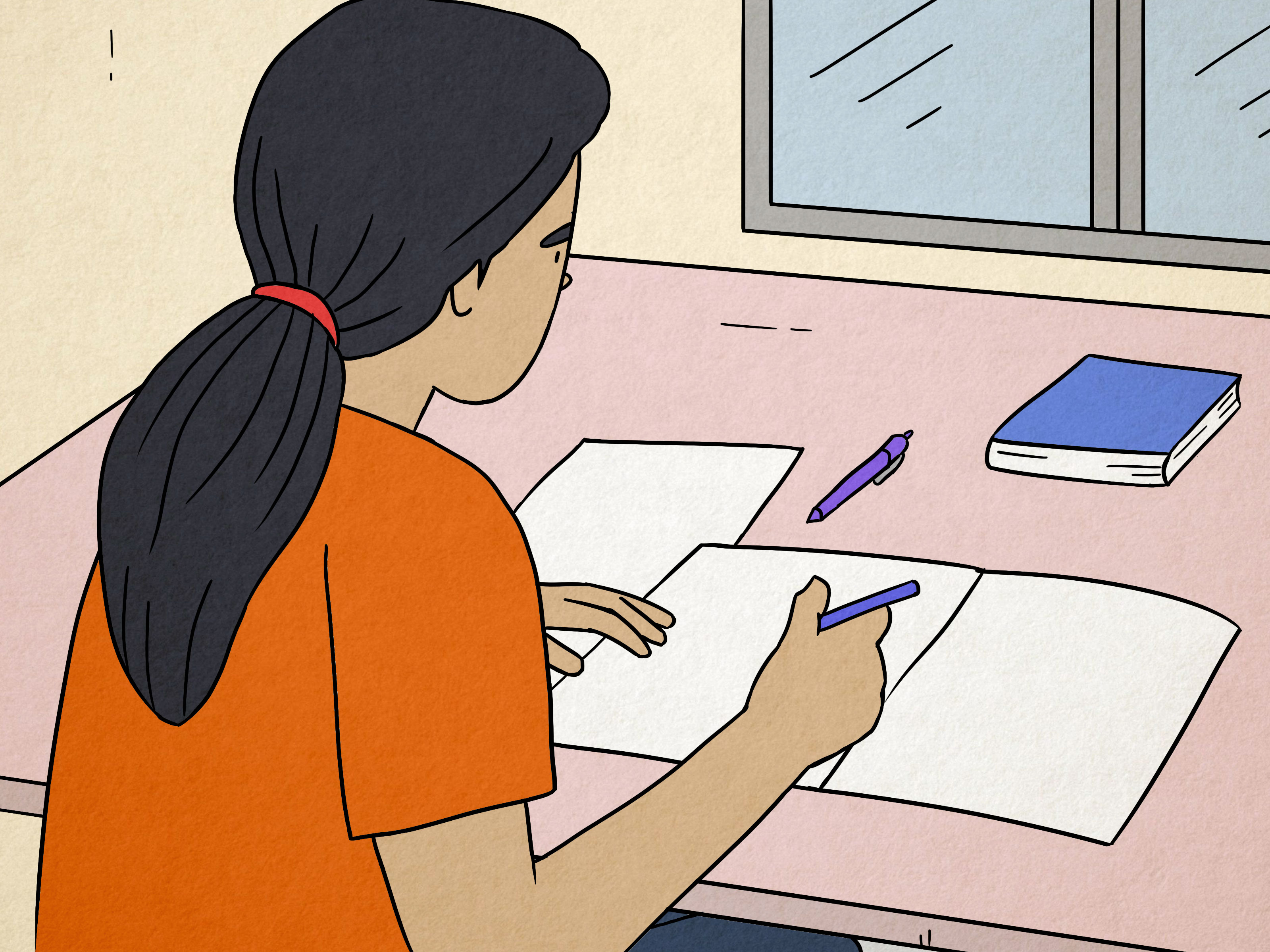
Choose a consistent place for studying. Keep only the materials you need: books, notes, laptop if necessary, pens, water, and a timer. Put your phone away before you sit down. If your home is noisy, try a library, school study room, or quiet corner. If you need sound, use instrumental music, white noise, or ambient background noise instead of videos with voices.
Create a Start Ritual
A start ritual tells your brain, “It is study time now.” It can be simple: clear the desk, put the phone away, turn on a timer, open your notebook, and write the first task. Repeating the same ritual builds a mental association between that routine and focused work. Over time, getting started feels less painful.
Step 11: Understand Your Triggers
Phone distraction is not random. It usually has triggers. You may reach for your phone when a problem feels hard, when you feel bored, when you are tired, or when you are unsure what to do next. If you understand the trigger, you can choose a better response.
For example, if you grab your phone whenever homework gets confusing, your real need may be help, not entertainment. Instead of scrolling, write a question in the margin, look at an example, ask a classmate, or email your teacher. If you check your phone when you feel bored, try switching study methods: quiz yourself, teach the idea out loud, draw a diagram, or use flashcards.
Use the “Pause and Name It” Method
When you feel the urge to check your phone, pause for five seconds and name what is happening: “I’m bored,” “I’m stuck,” “I’m tired,” or “I want a reward.” Naming the feeling creates distance from it. You do not have to obey every urge like it is the president of your brain.
Step 12: Reward Yourself Without Losing the Whole Evening
Rewards matter. Studying is easier when your brain knows something pleasant is coming. The problem is that phone rewards can be bottomless. A planned five-minute scroll can turn into an hour because apps are designed to keep feeding you the next thing.
Use rewards that have natural endings. Eat a snack. Take a walk. Stretch. Make tea. Talk to a friend for five minutes. Listen to one song. If you use your phone as a reward, set a timer and stand up while using it. Standing makes it less likely that you will sink into the couch and vanish into the internet like a legend.
Step 13: Protect Sleep to Protect Focus
Phone distraction gets worse when you are tired. A sleepy brain has weaker self-control, slower thinking, and less patience for difficult work. If you study late at night with your phone nearby, you are basically asking your most exhausted self to fight the most addictive device in the room. That is not a fair match.
Set a phone bedtime. Charge your phone away from your bed if possible. Avoid starting long scroll sessions right before sleep. Better sleep improves memory, attention, mood, and motivation. In other words, sleeping well is not the opposite of studyingit is part of studying.
Step 14: Do Not Depend on Willpower Alone
Many students blame themselves for phone distraction because they think focus is only about discipline. Discipline helps, but systems matter more. A student with notifications off, apps blocked, phone across the room, and a clear study plan will usually focus better than a student relying on pure willpower while their phone flashes beside them like a tiny casino.
Build a system that makes distraction harder and studying easier. The best system is not extreme. It is repeatable. You want a routine you can use on a normal Tuesday when you are tired, mildly annoyed, and not feeling like the main character of a productivity video.
A Simple Phone-Free Study Routine You Can Use Tonight
Here is a practical routine you can try today:
- Choose one subject and one clear task.
- Put your phone on Do Not Disturb.
- Move the phone at least 10 feet away or into another room.
- Set a timer for 30 to 45 minutes.
- Study only the task you selected.
- When the timer ends, take a 5- to 10-minute break.
- Check your phone only during the break, with a timer.
- Repeat for another study block if needed.
This routine is simple, but simple is the point. Complicated systems are fun to design and hard to follow. A good study routine should be boring enough to work.
Common Mistakes That Keep Students Distracted
Mistake 1: Keeping the Phone Face Down on the Desk
Face down is better than face up, but it is still too close. Your brain knows the phone is there. Move it away.
Mistake 2: Using the Phone as a Timer
If unlocking your phone to stop the timer leads to checking messages, use a kitchen timer, watch, laptop timer, or browser-based timer instead.
Mistake 3: Taking Breaks Without Limits
A break should refresh you, not kidnap your evening. Time your breaks just like you time your study blocks.
Mistake 4: Studying Without a Specific Goal
“Study science” is too broad. “Review photosynthesis notes and answer 10 practice questions” is much better.
Mistake 5: Trying to Change Everything Overnight
Start with one or two changes. Move your phone away and turn off notifications. Once that feels normal, add app limits, grayscale, or accountability.
What to Do If You Keep Failing
If you keep getting distracted, do not turn it into a personal insult. Treat it like data. Ask what went wrong. Was the phone too close? Were notifications still on? Was the study task unclear? Were you hungry, tired, or overwhelmed?
Then adjust the system. Put the phone farther away. Shorten the study block. Study with someone else. Block the app that keeps winning. Make the first task smaller. Progress does not mean never getting distracted again. It means recovering faster and designing better conditions next time.
Extra Experience Section: Real-Life Lessons from Trying to Study Without Phone Distractions
One of the most common experiences students have is realizing that phone distraction is not always loud. Sometimes it is quiet and sneaky. You may not spend two straight hours scrolling, but you check your phone every few minutes. Each check feels small, so it does not seem like a problem. But by the end of the night, your study session has been chopped into pieces. You read the same paragraph three times, forget what you just highlighted, and start wondering whether your brain has been replaced by soup.
A helpful experience is to test one study session with the phone nearby and another with the phone in another room. Many students notice the difference almost immediately. With the phone nearby, the mind keeps drifting: “Did someone text me? What if I missed something? Maybe I should check the time.” With the phone away, the first few minutes may feel uncomfortable, almost like your hand is searching for something that is not there. But after that awkward beginning, the brain often settles down. Reading becomes smoother. Problems feel less irritating. Notes become more organized. The silence starts feeling less like punishment and more like space.
Another real lesson is that boredom is not always bad. When you remove the phone, studying may feel boring at first because your brain is used to fast entertainment. But boredom can become useful. It gives your mind room to think. It pushes you to engage with the material instead of escaping from it. After a while, solving a problem or understanding a paragraph can feel rewarding in its own way. Not as flashy as a viral video, of course, but much better for your future self.
It also helps to be honest about which apps are the biggest traps. For one student, it may be group chats. For another, it may be sports updates, short videos, mobile games, or endless music searching. The app itself is not the villain; the timing is the issue. During study time, even a useful app can become a distraction if it pulls attention away from the goal. A good rule is: if the app is not helping with the exact task, it does not belong in the study block.
Many students find that the first successful phone-free study session is surprisingly motivating. Finishing 30 minutes of focused work can feel better than three hours of distracted “studying.” You may complete more, remember more, and feel less guilty afterward. That confidence matters. It proves that focus is still possible, even in a world full of pings, alerts, memes, and raccoon videos.
The biggest experience-based lesson is this: do not wait until you feel perfectly motivated. Motivation is unreliable. Build the routine first. Put the phone away, set the timer, start the task, and let motivation catch up later. Most focus does not arrive before you begin. It appears after you have protected your attention long enough to get started.
Conclusion: Make Your Phone Less Available and Your Goals More Visible
Learning how to stop getting distracted by your phone when studying is not about hating technology. Your phone can be useful, fun, and sometimes necessary. But during study time, it needs boundaries. Focus improves when you turn off notifications, move the phone away, block tempting apps, plan specific study tasks, take timed breaks, and create an environment that supports concentration.
You do not need a perfect system. You need a repeatable one. Start small: put your phone across the room for one 30-minute study block tonight. That single choice can make studying feel calmer, faster, and less like wrestling an octopus made of notifications. Your attention is valuable. Protect it like it belongs to someone who has goalsbecause it does.