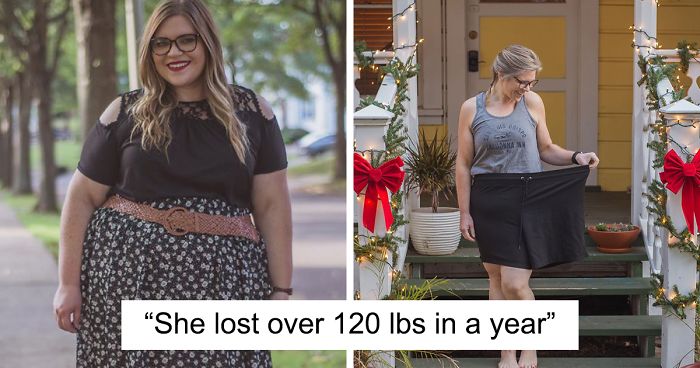
Some weight loss stories begin with a shiny gym membership, a motivational playlist, and a dramatic promise to “become a whole new person by Monday.” This one began much more quietly: with a 27-year-old cattle rancher, a long history of frustration, and a decision to stop treating healthy living like punishment.
Kiah Twisselman, a California cattle rancher and lifestyle coach, became widely known after sharing how she lost more than 120 pounds in about a year without relying on a gym routine. Her transformation caught attention because it was not built around magic shakes, punishing workouts, or the kind of meal plan that makes lettuce look like a personality trait. Instead, her progress came from small daily habits, a mindset shift, consistent movement, better food choices, hydration, journaling, and a gentler relationship with herself.
Her story is especially powerful because it challenges a very common belief: that weight loss only “counts” if it looks extreme. In reality, sustainable weight loss is usually much less cinematic. It looks like walking when you would rather sit, choosing food that supports your goals, drinking water before you become a raisin in boots, and repeating those choices long after the first burst of motivation has packed its bags.
The Rancher Behind the Transformation
Kiah Twisselman grew up around ranch life, wide open space, hard work, family meals, and the kind of schedule that does not always leave room for perfectly portioned smoothie bowls. Before her transformation, she had struggled with obesity for much of her life and had tried familiar weight loss tactics: diets, restriction, short bursts of motivation, and the discouraging cycle of losing weight only to regain it.
At her heaviest, reports placed her around 285 pounds. Over time, she reached roughly 163 pounds, losing more than 120 pounds through lifestyle changes. What made her story stand out was not just the number on the scale, but the fact that she did it without a gym-centered plan. Her exercise came from daily movement, at-home activity, dancing, walking, ranch life, and showing up consistently.
That last phrase matters: showing up consistently. It is not glamorous, but it works better than dramatic reinvention. Most people do not fail because they lack one perfect plan. They struggle because the plan is so miserable that it starts begging to be abandoned by Wednesday.
How She Lost 120 Pounds Without Going to the Gym
Kiah’s approach was built around simple daily habits. She reportedly adopted a routine inspired by five lifestyle practices: waking up earlier, moving her body for 30 minutes a day, drinking more water, giving up foods that did not support her body, and writing down things she was grateful for. None of these habits required a squat rack, a treadmill, or a trainer yelling “one more rep” while holding a clipboard like a tiny tyrant.
1. She Started With Mindset, Not Shame
One of the most important parts of her transformation was mental. Kiah has spoken about the belief that she had “bad genetics” and that lasting weight loss might not be possible for her. That belief is common. When someone has tried diet after diet, failure can start to feel like identity.
But her breakthrough came when she stopped seeing weight loss as a punishment for being “wrong” and started seeing healthy habits as a way to care for herself. That shift matters. Shame may create a short burst of action, but it rarely builds a life someone wants to keep living. Self-respect, on the other hand, can turn everyday choices into something steadier.
2. She Moved Daily, But Did Not Worship the Gym
The gym can be useful, but it is not the only place where bodies get stronger and healthier. Kiah’s story shows the power of daily movement. Walking, dancing, ranch chores, home workouts, and ordinary activity can all contribute to energy burn and better fitness.
This is where non-exercise activity thermogenesis, often called NEAT, enters the chat wearing muddy boots. NEAT refers to the energy used for everyday movement outside formal exercise: walking around, cleaning, carrying groceries, taking stairs, doing chores, standing, fidgeting, and generally not becoming one with the couch. For someone living an active ranch lifestyle, daily movement can add up quickly.
For office workers, parents, students, and people without acres of cattle country, the lesson is still useful. You can build movement into your day by walking after meals, parking farther away, taking short movement breaks, cleaning with enthusiasm, using stairs, or turning phone calls into pacing sessions. It may not look like a fitness commercial, but your metabolism does not care whether you are wearing matching activewear.
3. She Made Food Choices She Could Actually Live With
Kiah’s success was not framed around banning every food she loved. In fact, she continued to include foods that fit her life, including beef, while focusing on balance, portions, and more intentional eating. That is important because the best eating plan is not the strictest one; it is the one a person can follow long enough to matter.
A practical weight loss plate usually includes lean protein, fiber-rich carbohydrates, vegetables, fruits, healthy fats, and enough satisfaction to prevent midnight raids on the pantry. Protein helps with fullness and muscle maintenance. Fiber from vegetables, beans, fruit, and whole grains supports digestion and helps meals feel more filling. Together, protein and fiber are like the responsible adults at the nutrition party.
That does not mean calories do not matter. Weight loss still depends on creating an energy deficit over time. But people often do better when they focus on habits that naturally reduce overeating: cooking more meals at home, eating slowly, choosing filling foods, drinking fewer sugary beverages, and keeping trigger foods from becoming daily background noise.
Why “No Gym” Does Not Mean “No Effort”
There is a big difference between “without going to the gym” and “without doing anything.” Kiah’s story was not passive. She changed her schedule, her movement, her eating habits, her mindset, and her consistency. That takes effort. It simply did not require a gym membership.
This distinction matters because many people use the gym as an all-or-nothing gatekeeper. They think, “I cannot get to the gym today, so the day is ruined.” Not true. A 30-minute walk counts. A bodyweight workout counts. Cleaning stalls, mowing the lawn, carrying laundry, dancing in the kitchen, and taking a brisk walk during lunch all count. Your body recognizes movement, not branding.
The Science Behind Her Small-Habit Strategy
Health organizations consistently emphasize the same unsexy but reliable pillars: nutritious eating, regular physical activity, sleep, stress management, and sustainable goals. The CDC notes that healthy weight management involves nutrition, activity, stress management, and enough sleep. Mayo Clinic recommends realistic goals and habit-based strategies rather than quick fixes. The National Institute of Diabetes and Digestive and Kidney Diseases encourages choosing weight loss programs that include realistic goals, a lower-calorie healthy eating plan, activity, and long-term support.
In plain English: the boring basics are still undefeated. They are just not very good at selling miracle products.
Healthy Weight Loss Usually Happens Gradually
Losing 120 pounds in a year is dramatic, and not everyone should expect or attempt that pace. A commonly recommended target for many adults is about 1 to 2 pounds per week. People with higher starting weights may lose faster at first, especially when they change eating patterns and activity levels, but rapid weight loss should be approached carefully. Anyone planning major weight loss should talk with a healthcare professional, especially if they have medical conditions, take medications, are pregnant, or have a history of disordered eating.
The goal is not to copy Kiah’s exact number. The goal is to learn from the structure of her success: start small, repeat daily, track what matters, and build a lifestyle that can survive normal life.
What Readers Can Learn From Kiah’s Transformation
There are several practical lessons from this cattle rancher’s weight loss journey, and none require moving to a ranch or learning how to herd cattle before breakfast.
Start Before You Feel Ready
Many people wait for the perfect Monday, the perfect meal plan, the perfect shoes, or the perfect emotional weather. Kiah’s story suggests that change begins when a person starts taking small actions anyway. Readiness often arrives after action, not before it.
Pick Habits That Are Almost Too Simple
Walking 30 minutes. Drinking water. Writing gratitude notes. Eating more whole foods. Going to bed earlier. These do not sound revolutionary because they are not. That is the point. Simple habits are easier to repeat, and repeated habits are what change bodies.
Do Not Let One Bad Meal Become a Bad Week
Healthy living is not ruined by one cheeseburger, one skipped walk, or one chaotic day. The real problem is the “I already messed up, so I might as well continue” spiral. Progress comes from returning to the plan quickly, without a courtroom drama in your head.
Use Your Real Life as the Workout
If you hate gyms, do not build your entire plan around gym attendance. Walk. Hike. Dance. Garden. Clean. Do bodyweight squats while coffee brews. Carry groceries like you are training for the world championship of “one trip only.” Movement works best when it fits your environment.
A Sample No-Gym Day Inspired by Her Approach
Here is what a realistic, no-gym weight loss day might look like for an average person:
- Morning: Wake up 30 to 60 minutes earlier, drink water, and take a 10-minute walk.
- Breakfast: Eat protein plus fiber, such as eggs with vegetables, Greek yogurt with berries, or oatmeal with nuts.
- Midday: Walk for 10 minutes after lunch or take stairs instead of the elevator.
- Afternoon: Drink water before snacking and choose something satisfying, such as fruit with peanut butter or cottage cheese.
- Evening: Do 20 minutes of movement: dancing, walking, bodyweight exercises, chores, or stretching.
- Night: Write down a few wins from the day and prepare one simple healthy choice for tomorrow.
Notice that this plan does not include suffering, celery worship, or pretending cauliflower is pizza. It is built around repeatable choices.
Common Mistakes People Make When Trying to Lose Weight Without a Gym
They Underestimate Food Portions
Healthy foods still contain calories. Nuts, oils, smoothies, sauces, and “just a little extra” portions can add up. Portion awareness is not obsession; it is information.
They Overestimate Exercise Calories
A walk is excellent, but it does not automatically cancel out an entire weekend of snacking. Movement supports weight loss, but nutrition usually does much of the heavy lifting.
They Sleep Too Little
Poor sleep can affect appetite, cravings, energy, and motivation. If you are sleeping five hours a night, your body may start demanding quick energy like a tiny sleep-deprived raccoon operating your brain.
They Choose Plans They Secretly Hate
If your plan makes you miserable, you will eventually escape it. Choose meals and movement you can tolerate, then gradually improve them.
The Emotional Side of Losing 120 Pounds
Major weight loss is not only physical. It can change how someone moves through public spaces, how they dress, how they relate to food, and how they see themselves. But it can also bring emotional complexity. People may suddenly comment on the body that once felt invisible or judged. Old insecurities do not automatically vanish when the scale changes.
That is why Kiah’s emphasis on mindset and self-love resonates. Weight loss may change a body, but self-respect changes the way a person lives in that body. The healthiest transformation is not just “smaller.” It is freer, stronger, calmer, and more honest.
of Real-Life Experience: What This Story Feels Like in Practice
The most relatable part of a story like “27-Year-Old Cattle Rancher Lost 120 Pounds In 1 Year Without Going To The Gym” is not the dramatic before-and-after photo. It is the daily grind behind it. Anyone who has tried to change their health knows that the hardest moments usually do not happen during the big inspirational scenes. They happen at 8:47 p.m. when you are tired, hungry, annoyed, and standing in the kitchen negotiating with a bag of chips like it has legal representation.
A no-gym weight loss journey requires a different kind of honesty. There is no trainer waiting for you. No class reservation fee threatening your bank account. No fancy machine tracking your effort. It is just you and your choices, repeated in ordinary places: the bedroom, the kitchen, the driveway, the grocery aisle, the office, the ranch, the sidewalk. That can feel freeing, but it can also feel uncomfortable because there is nowhere to hide from consistency.
One experience many people share is learning that motivation is wildly unreliable. Some days you wake up ready to conquer the world. Other days you wake up ready to become a decorative blanket burrito. The trick is not to demand motivation every morning. The trick is to create small default actions. Put shoes by the door. Keep easy protein ready. Fill a water bottle before bed. Plan a 10-minute walk instead of waiting for the magical desire to exercise for an hour.
Another common experience is realizing how emotional eating can be. Food is not just fuel. It is comfort, celebration, culture, boredom relief, stress management, and sometimes the only “me time” in a chaotic day. A sustainable plan does not ignore that. It asks better questions: Am I hungry, tired, stressed, lonely, or avoiding something? Do I need a meal, a nap, a walk, a phone call, or five quiet minutes where nobody asks me where the scissors are?
People also discover that their environment matters. If the house is full of easy snacks and healthy food requires a 40-minute cooking project, the snacks will win. They have home-field advantage. Successful weight loss often means making the better choice the easier choice: washed fruit at eye level, leftovers portioned, walking clothes ready, water nearby, and trigger foods bought less often.
The most encouraging experience is when identity begins to shift. At first, a person may think, “I am trying to lose weight.” Later, that becomes, “I am someone who walks after dinner.” Then, “I am someone who keeps promises to myself.” That identity shift is powerful. It turns health from a temporary project into a normal part of life.
Kiah Twisselman’s story is not a template everyone must copy exactly. It is proof that change can be built without a gym, without perfection, and without hating yourself into action. A rancher did it with small habits, movement, patience, and mindset. The rest of us may not have cattle to feed, but we do have stairs, sidewalks, kitchens, calendars, and the next choice in front of us.
Conclusion
The story of a 27-year-old cattle rancher who lost 120 pounds in one year without going to the gym is inspiring because it feels both extraordinary and surprisingly practical. Kiah Twisselman’s transformation was not built on a secret machine or a punishing diet. It was built on daily movement, better food choices, hydration, gratitude, consistency, and a mindset that replaced shame with self-respect.
For readers hoping to begin their own weight loss journey, the takeaway is simple: start smaller than your ego wants, stay consistent longer than your mood allows, and build habits that fit your real life. You do not need a perfect gym routine to improve your health. You need a plan you can repeat, a reason you believe in, and the courage to keep showing up even when progress feels quiet.
Note: This article is for informational and inspirational purposes only. Significant weight loss should be approached with guidance from a qualified healthcare professional, especially for people with medical conditions, medications, pregnancy, or a history of eating disorders.